
7 Inch Diamond Polishing Pads – Premium Quality & Industrial Use
7 Inch Diamond Polishing Pads: The Unsung Heroes of Concrete and Stone Finishing
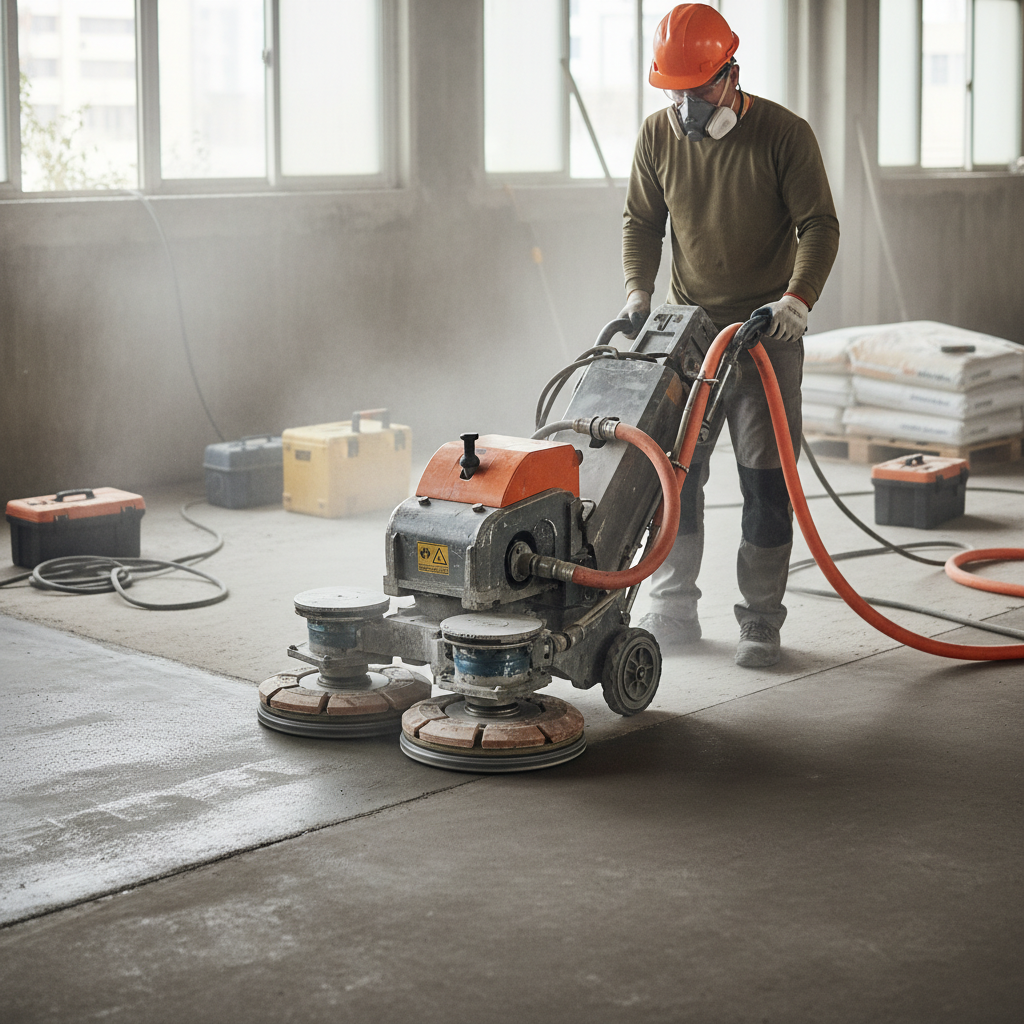
Having clocked well over a decade working directly with industrial floor finishers and stone fabricators, I can tell you that 7 inch diamond polishing pads quietly punch above their weight. They’re often overlooked in favor of bigger machines or flashier tools, but these pads play a crucial role in achieving a flawless finish on concrete, terrazzo, granite, and marble surfaces.
Frankly, the 7 inch size is sort of a “sweet spot” for many polishing applications. It’s large enough to cover a decent surface area efficiently, yet small enough to provide good control around edges and tricky corners. This makes them a favorite for site work where both speed and precision count — like restoration jobs or detailed stonework finishing.
Now, these pads are not all created equal. The choice of diamond grit, resin bond quality, and manufacturing technique can drastically affect performance and durability. Over the years, I’ve noticed a few key differences between inexpensive generic pads and premium options you’ll find at specialty suppliers.
| Parameter | Typical Range |
|---|---|
| Diameter | 7 inches (178 mm) |
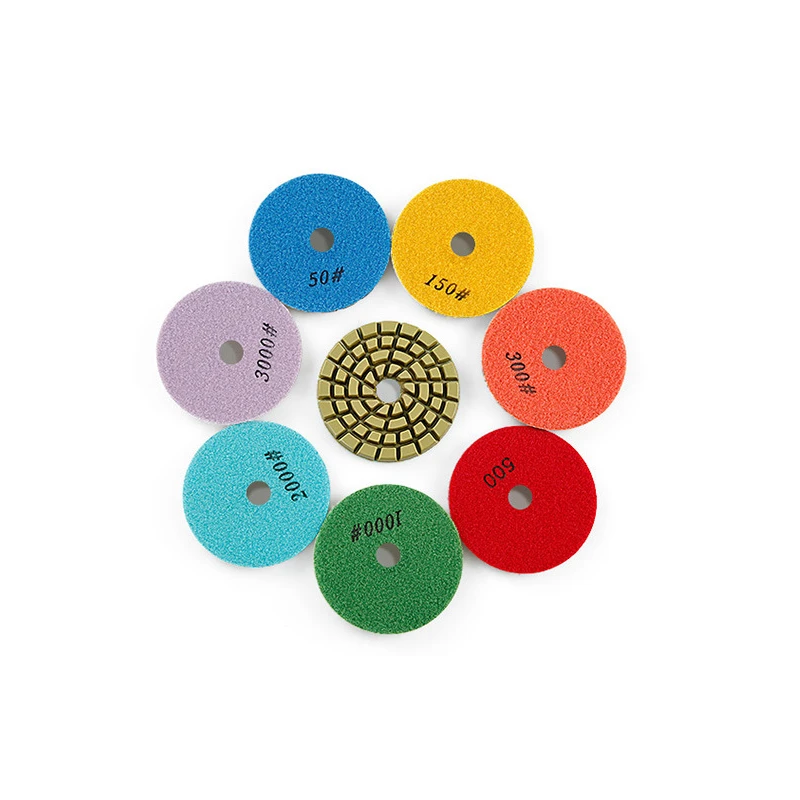
| Grit Options | 50, 100, 200, 400, 800, 1500, 3000 |
| Bond Type | Resin (flexible), Metal bonds (harder stone) |
| Backing | Velcro (hook & loop) for easy change |
| Recommended RPM | 1000 – 3500 rpm |
| Water Usage | Wet recommended for concrete, dry for marble |
In real terms, these pads come down to the grit choice and bond type. For example, resin bond pads with softer resins are great for softer stones and polished concrete, allowing a smoother transition between grits. But if you're polishing something like granite or engineered stone, a harder metal bond is usually your best bet.
I remember working with a client restoring a historic terrazzo lobby floor. We swapped in a set of resin 7 inch diamond polishing pads with fine grits, and the difference was night and day — cleaner cuts, fewer scratches, and that true high-gloss finish we all chase.
Now, since we’re talking real-world use, a word on vendors. Since these pads are consumables by nature, reliability and consistent quality are a must. Choosing suppliers with proven quality control and quick turnaround times saves frustration during those tight project schedules.
| Vendor | Pad Quality | Price Range | Lead Time | Customer Support |
|---|---|---|---|---|
| MyDiamondBlade | Premium industrial-grade | Mid-to-high | 1–3 days | Responsive, technical expertise |
| Generic Wholesale | Variable; some pads inconsistent | Low | 1 week+ | Limited |
| Industrial Tools Co. | Good quality, bulk options | Mid | 3–5 days | Standard |
Oddly enough, while cutting-edge technology like resin formulation is advancing all the time, the most reliable pads still come down to good old craftsmanship. Many engineers I know swear by tried-and-true brands with tight quality control.
What’s your take? If you’re tackling polishing on a manual grinder or a floor machine, making the right pad choice can easily add hours—or shave them off—your project.
In the end, 7 inch diamond polishing pads may not make the headlines, but they’re the quiet champions behind many a smooth, glossy floor or countertop that catches the eye. If you want pads that perform consistently and last through tough jobs, it’s worth investing in good quality, reliable suppliers — and learning the subtle differences in grit and bonding first hand.
I suppose it’s a bit like wine tasting — the more you use and test different pads, the more you develop a feel for their true character and worth.
Happy polishing!
References:
1. Industry Feedback from Stone Fabricators, 2023
2. "Concrete Polishing: Tools & Techniques," Technical Journal of Floor Science, 2022
3. Supplier Product Data Sheets and Quality Reports, 2023
Related Products


Related Products





Address
No.30 Gaoying Road ,Chang'an District,Shijiazhuang,Hebei Province
Business Hours
Mon to Saturday : 8.00 am - 7.00 pm
Sunday & Holidays : Closed
.png )