
Achieve a Showroom Shine with Premium 7 Inch Foam Buffing Pads
Maximize Your Shine: A Guide to 7 Inch Foam Buffing Pads
Achieving a flawless finish on any surface requires the right tools, and among those, 7 inch foam buffing pads are essential. Whether you're a professional detailer, automotive enthusiast, or working on a DIY project, these pads offer versatility and effectiveness. This article will explore the benefits, types, applications, and best practices for using 7 inch foam buffing pads, ensuring you get the most out of your polishing efforts. From removing swirl marks to applying wax, mastering these pads is key to a professional-looking result.
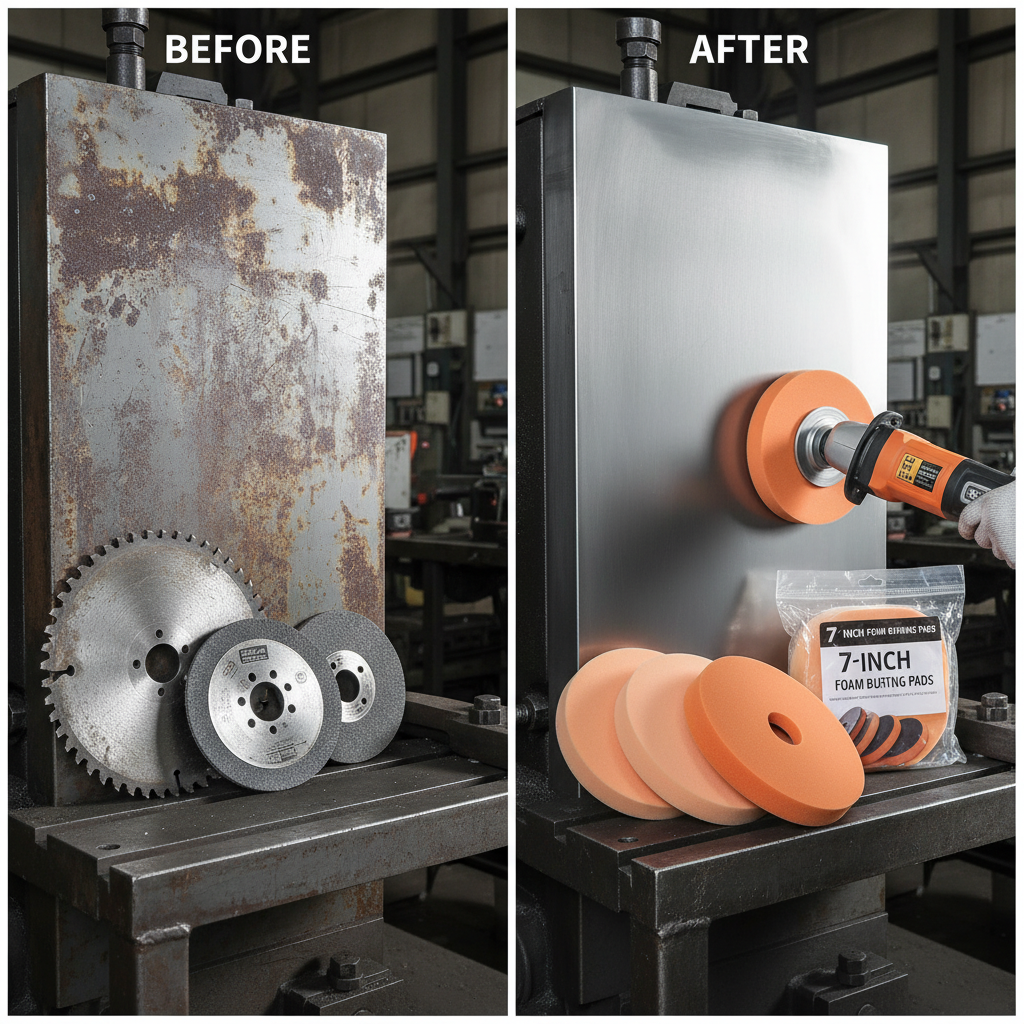
Understanding the Benefits of 7 Inch Foam Buffing Pads
7 inch foam buffing pads are a popular choice due to their ability to deliver excellent results with minimal risk of damage. Their flexibility conforms to contours, allowing for even pressure distribution and consistent polishing. Unlike more abrasive methods, foam pads are gentle on paint, clear coat, and other delicate surfaces. This makes them ideal for a range of applications, from removing light scratches and swirl marks to applying polishes and waxes. The right pad, combined with the appropriate compound, can transform a dull finish into a showroom shine. You can find a wide selection of quality pads at MyDiamondBlade.com.
Key Highlights: Gentle on surfaces, versatile for multiple applications, delivers consistent polishing, minimizes the risk of damage.
Types of 7 Inch Foam Buffing Pads: Choosing the Right Pad for Your Needs
Not all foam buffing pads are created equal. They come in various densities and cuts, each designed for specific polishing stages. Generally, pads are categorized as cutting, polishing, and finishing pads. Cutting pads have a more open cell structure for aggressive material removal. Polishing pads are medium density for refining the finish and removing light imperfections. Finishing pads are closed cell and very soft, ideal for applying waxes, sealants, and creating a high-gloss shine. Selecting the right pad depends on the severity of the surface imperfections and the desired outcome. MyDiamondBlade.com offers a comprehensive range of pad types to suit any task.
Pad Types at a Glance:
• Cutting Pads: Aggressive material removal, open cell structure.
• Polishing Pads: Moderate correction, medium density.
• Finishing Pads: Final polish & wax application, closed cell structure.
7 Inch Foam Buffing Pads: Applications and Surface Compatibility
These pads aren't limited to just automotive applications. They're incredibly versatile and can be used on a variety of surfaces, including gel coat (boats), fiberglass, plastics, and even some metals. They are essential for tasks such as removing oxidation from painted surfaces, restoring faded headlights, and polishing acrylic or polycarbonate plastics. The gentle nature of foam pads makes them particularly suitable for delicate surfaces that could be easily scratched by more abrasive methods. Remember to always test a small, inconspicuous area first to ensure compatibility.
Maximizing Pad Life and Performance: Best Practices
To ensure your 7 inch foam buffing pads deliver optimal performance and longevity, proper maintenance is crucial. Regularly clean your pads after each use to remove polish residue and contaminants. You can use a pad cleaning brush or dedicated pad conditioner. Avoid using harsh solvents or chemicals, as these can damage the foam. Store pads in a clean, dry place away from direct sunlight and extreme temperatures. Inspect pads regularly for signs of wear and tear, and replace them when they become excessively worn or damaged.
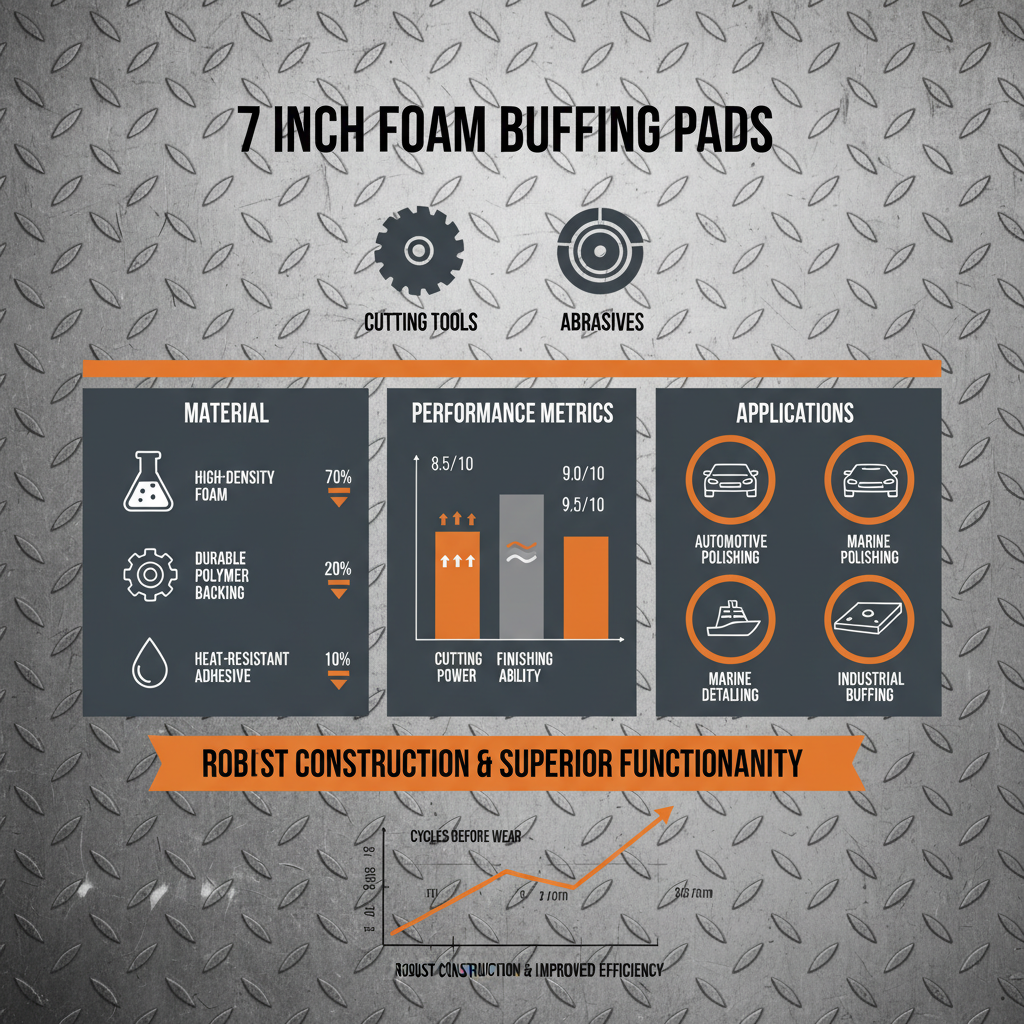
Product Specifications: 7 Inch Foam Buffing Pads from MyDiamondBlade
At MyDiamondBlade.com, we offer a range of high-quality 7 inch foam buffing pads designed for superior performance. Here are some key specifications:
Conclusion: Achieve a Flawless Finish with the Right Pads
Investing in quality 7 inch foam buffing pads is a critical step towards achieving a professional-grade finish. By understanding the different pad types, applications, and maintenance practices, you can maximize your polishing results and protect your valuable surfaces. Browse our selection at MyDiamondBlade.com and take the first step towards a flawless shine.
Frequently Asked Questions (FAQs)
How often should I replace my foam buffing pads?
The frequency of replacement depends on usage and the type of compound used. Generally, cutting pads wear out faster than polishing or finishing pads. Inspect pads after each use for signs of glazing, tearing, or unevenness. If a pad is no longer providing consistent results or is damaged, it's time to replace it. A good rule of thumb is to replace cutting pads every 10-15 uses, polishing pads every 20-30 uses, and finishing pads every 30-40 uses. Proper cleaning and storage can extend their lifespan.
Can I use the same pad for both polishing compound and wax?
It's generally not recommended to use the same pad for both polishing compound and wax. Polishing compounds contain abrasives that can contaminate the wax, reducing its effectiveness. It's best to use a dedicated polishing pad for compounds and a separate, clean finishing pad for waxes and sealants. This ensures optimal results and prevents scratching or marring of the surface.
What speed setting should I use with foam buffing pads?
The ideal speed setting depends on the pad type and the compound being used. Generally, start with a lower speed setting (1500-3000 RPM) for cutting pads and gradually increase the speed as needed. Polishing and finishing pads typically require lower speeds (1000-2000 RPM) to prevent overheating and damage to the surface. Always refer to the compound manufacturer's recommendations for specific speed settings. It's always better to start slow and increase speed gradually.
How do I clean my foam buffing pads effectively?
Cleaning foam buffing pads is crucial for maintaining their performance. After each use, remove excess polish with a clean cloth. Then, use a pad cleaning brush or dedicated pad conditioner to remove embedded contaminants. You can also use warm water and a mild detergent. Rinse thoroughly and allow the pads to air dry completely before storing. Avoid using harsh chemicals or solvents, as these can damage the foam. Regular cleaning will extend the life of your pads and ensure optimal results.
Related Products
Related Products





Address
No.30 Gaoying Road ,Chang'an District,Shijiazhuang,Hebei Province
Business Hours
Mon to Saturday : 8.00 am - 7.00 pm
Sunday & Holidays : Closed
.png )