Porcelain slab cutting discs represent a significant advancement in material processing technology, offering unparalleled precision and efficiency when working with these increasingly popular large-format tiles. Their ability to deliver clean, chip-free cuts is crucial for architects, designers, and installers who demand the highest quality finish in their projects. This technology has become globally relevant as porcelain slabs gain prominence in both residential and commercial construction, driven by their aesthetic appeal, durability, and versatility.
The demand for porcelain slabs is soaring worldwide, evidenced by a consistent growth in the tile industry, projected to reach \$194.93 billion by 2032 (according to Allied Market Research). This growth is fueled by urbanization, rising disposable incomes, and a preference for modern, minimalist designs. However, effectively working with these slabs requires specialized tools, making the porcelain slab cutting disc a vital component of the construction and design ecosystem. The challenge lies in providing tools that can handle the material’s hardness and brittleness without causing damage or slowing down workflow.
Understanding the nuances of porcelain slab cutting discs, from diamond grit composition to blade thickness and cooling systems, is essential for achieving optimal results. This guide explores the key aspects of these tools, their global applications, advantages, future trends, and common challenges, empowering professionals to make informed decisions and maximize their investment.
Introduction to Porcelain Slab Cutting Discs
Porcelain slab cutting discs are specialized tools engineered to precisely cut through the incredibly hard and dense material of porcelain slabs. They differ significantly from conventional tile saws, requiring a superior diamond grit and optimized blade design to prevent chipping, cracking, and ensure a smooth, professional finish. These discs are crucial for realizing the design potential of large-format porcelain tiles, enabling complex cuts and installations.
The effectiveness of a porcelain slab cutting disc depends on a multitude of factors, including the quality of the diamond bond, the thickness of the blade, the cooling system incorporated, and the cutting speed employed. Proper selection and maintenance of these discs are paramount to achieving optimal performance and extending their lifespan. Using the correct porcelain slab cutting disc is the first step toward successful and efficient material processing.
Defining Porcelain Slab Cutting Discs
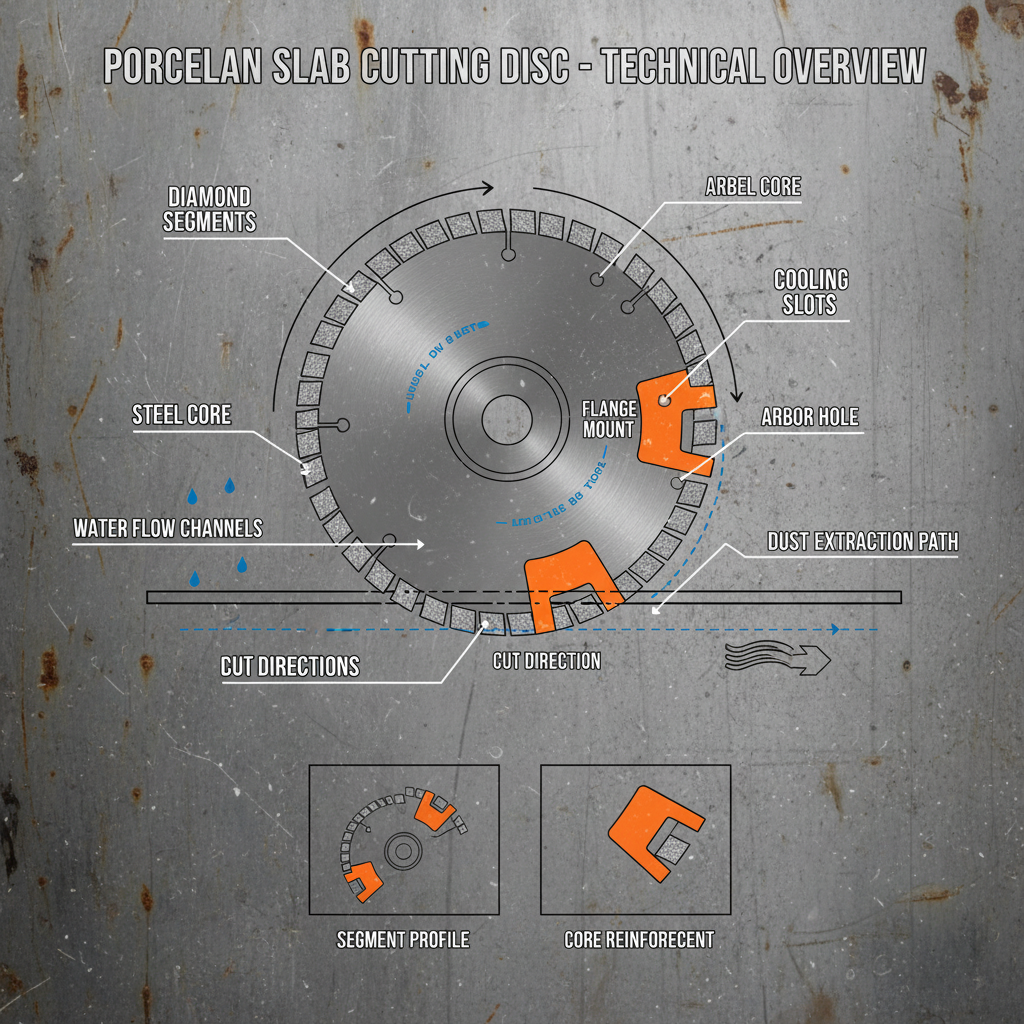
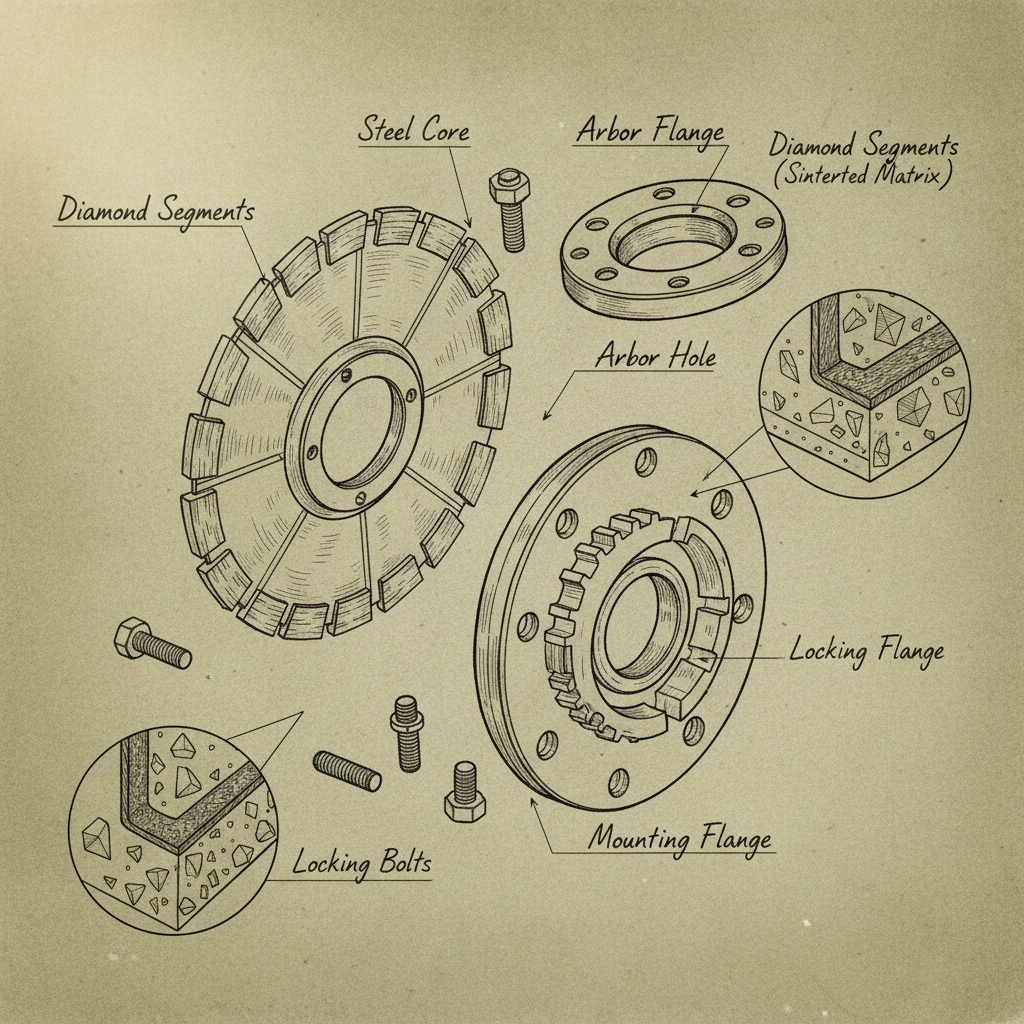
A porcelain slab cutting disc is a circular saw blade specifically designed for cutting through porcelain stoneware, large-format tiles, and other hard, brittle materials. Unlike standard tile blades, these discs feature a high concentration of industrial-grade diamond grit bonded with a metal matrix, typically utilizing a silver or laser-welded segment construction for enhanced durability and cutting efficiency. This unique construction allows the disc to abrade the material rather than chipping or cracking it.
The connection to modern industry lies in the increasing demand for large-format tiles in architectural and interior design. These slabs offer aesthetic advantages, reduce grout lines, and provide a seamless, contemporary look. However, their size and hardness necessitate specialized cutting tools like the porcelain slab cutting disc to ensure precise and damage-free fabrication. This tool is not just for construction; it’s vital for achieving the artistic vision of designers and architects.
Essentially, the porcelain slab cutting disc bridges the gap between material properties and design intent, enabling the realization of complex and visually stunning projects. The ability to create intricate cuts, miters, and shapes with these materials depends on the quality and functionality of this specialized cutting tool.
Key Factors Influencing Disc Performance
Several key factors dictate the performance and longevity of a porcelain slab cutting disc. Firstly, diamond grit quality is paramount. Higher-grade diamonds offer superior cutting power and wear resistance. Secondly, blade thickness plays a crucial role; thinner blades typically result in faster, cleaner cuts with less material waste. A crucial element is the porcelain slab cutting disc's bond quality.
Thirdly, blade speed (RPM) must be appropriately matched to the disc and the material being cut. Excessive speed can generate heat and cause damage, while insufficient speed can lead to chipping. The cooling system integrated into the cutting process, either through water lubrication or air cooling, is also critical for dissipating heat and extending the disc’s lifespan.
Finally, the segment height influences the disc’s cutting life, with taller segments providing a larger cutting surface. Understanding these factors allows users to select the optimal disc for their specific needs and maximize its effectiveness. Considering these parameters ensures precision and reduces the risk of costly errors.
Global Applications of Porcelain Slab Cutting Discs
Porcelain slab cutting discs are utilized across a wide spectrum of industries and applications globally. In the construction industry, they are essential for installing large-format porcelain tiles in residential and commercial buildings, including flooring, wall cladding, and countertops. The demand for these discs is particularly high in regions experiencing rapid urbanization and infrastructure development, such as Asia-Pacific, North America, and Europe.
The fabrication sector also heavily relies on these discs for creating custom porcelain pieces, such as kitchen islands, bathroom vanities, and decorative panels. In regions known for stone and tile craftsmanship, like Italy and Spain, the use of high-quality porcelain slab cutting discs is a standard practice. In remote industrial zones, durable, long-lasting porcelain slab cutting discs are especially valued due to limited access to replacements.
Beyond these core industries, porcelain slab cutting discs are also finding applications in interior design, renovation projects, and even artistic installations. The ability to create precise cuts and intricate designs opens up new possibilities for creative expression and enhances the aesthetic appeal of various spaces.
Porcelain Slab Cutting Disc Methods & Effectiveness
Advantages and Long-Term Value
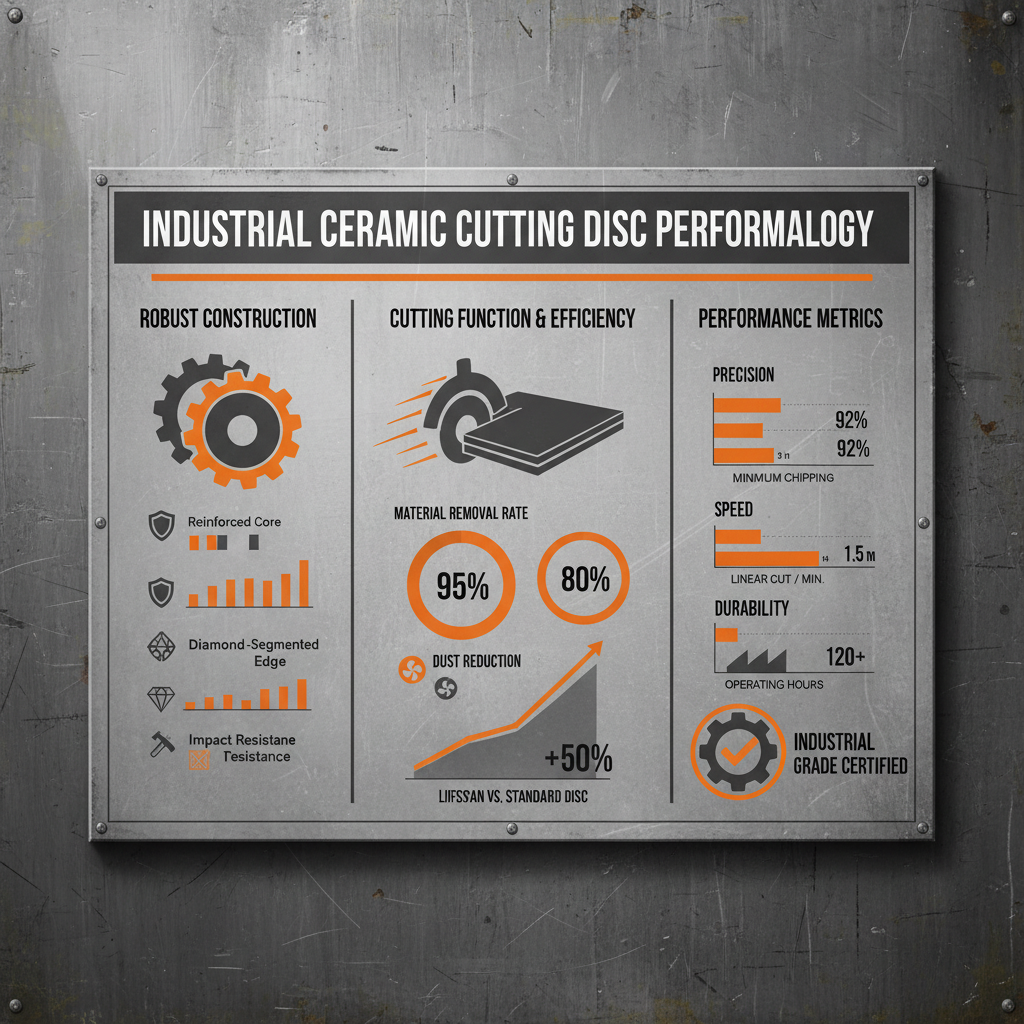
The advantages of using high-quality porcelain slab cutting discs extend beyond simply making clean cuts. From a cost perspective, investing in a durable disc reduces the frequency of replacements, ultimately lowering overall project expenses. A reliable porcelain slab cutting disc contributes to enhanced project efficiency, reducing labor costs and minimizing material waste.
In terms of sustainability, a long-lasting disc minimizes the environmental impact associated with manufacturing and disposal. Furthermore, the precision offered by these discs reduces material waste, contributing to a more responsible approach to resource utilization. The enhanced safety features incorporated into many modern discs also minimize the risk of accidents and injuries on the job site.
The long-term value lies in the superior quality of the finished product. Precise cuts and chip-free edges translate into a more professional appearance and increased customer satisfaction. This builds trust and reinforces a reputation for excellence, fostering long-term relationships and repeat business.
Future Trends and Innovations
The future of porcelain slab cutting discs is poised for significant innovation. Developments in diamond bonding technology are expected to yield discs with even longer lifespans and improved cutting performance. The integration of advanced cooling systems, such as micro-lubrication and optimized blade geometries, will further enhance efficiency and reduce heat generation.
The trend towards automation and robotics in the construction industry is also driving demand for discs that can seamlessly integrate with automated cutting machines. We can anticipate the emergence of “smart” discs equipped with sensors that monitor wear and tear, providing real-time data on remaining lifespan and optimal cutting parameters.
Challenges and Solutions
Despite their advancements, porcelain slab cutting discs still face certain challenges. One common issue is overheating, which can lead to premature wear and reduced cutting efficiency. This can be mitigated by using discs with superior cooling systems and employing appropriate cutting speeds and techniques.
Another challenge is chipping and cracking, particularly when cutting intricate shapes or working with fragile porcelain slabs. Selecting a disc with a thin blade and a high diamond grit concentration can help minimize these issues. Proper blade maintenance, including regular cleaning and inspection, is also crucial for preventing damage and extending the disc’s lifespan.
Finally, the cost of high-quality porcelain slab cutting discs can be a barrier for some users. However, considering the long-term benefits, such as reduced replacement costs and improved project quality, investing in a premium disc is often a worthwhile decision.
Overview of Key Considerations for Porcelain Slab Cutting Disc Selection
| Disc Type |
Diamond Grit Quality |
Blade Thickness |
Typical Application |
| Continuous Rim |
High (Industrial Grade) |
1.2mm - 1.6mm |
Straight cuts, general porcelain slab work |
| Segmented Rim |
Medium (Commercial Grade) |
2.0mm - 2.4mm |
Heavy-duty cutting, thicker slabs |
| Turbo Rim |
High (Industrial Grade) |
1.0mm - 1.4mm |
Fast cutting, reduced chipping |
| Laser-Welded |
Very High (Premium Grade) |
1.0mm - 1.5mm |
Precision cuts, long lifespan |
| Silver-Solder |
Medium (Standard Grade) |
1.8mm - 2.2mm |
General purpose, cost-effective option |
| Diamond Continuous |
High (Industrial Grade) |
1.5mm - 2.0mm |
Excellent finish, minimal chipping |
FAQS
While both utilize diamond grit, porcelain slab cutting discs are specifically engineered for the hardness and brittleness of porcelain stoneware. They typically feature a thinner blade and a higher concentration of diamond grit than general-purpose diamond blades, reducing chipping and ensuring cleaner cuts. A quality porcelain slab cutting disc is crucial for optimal results.
To minimize chipping, use a disc specifically designed for porcelain slabs, employ a slow and steady cutting speed, and ensure adequate cooling with water lubrication. Support the slab properly to prevent vibration and consider using a blade designed for wet cutting. A thinner blade also tends to reduce chipping.
The optimal cutting speed varies depending on the disc’s specifications and the type of porcelain slab. However, a general guideline is to start with a slower speed and gradually increase it until you achieve a clean cut without excessive heat or vibration. Always refer to the manufacturer’s recommendations.
The lifespan of a disc depends on usage and material hardness. Monitor the cutting performance; if you notice slower cutting speeds, increased heat, or more frequent chipping, it's time for a replacement. Regular inspection for damaged segments is also crucial.
Water cooling is highly recommended, as it dissipates heat, reduces friction, and prevents the disc from overheating. Overheating can damage the blade and reduce its lifespan. Many porcelain slab cutting discs are designed for wet cutting, and using them dry can void the warranty.
Laser-welded discs offer superior segment bonding, resulting in a longer lifespan and increased durability. The laser welding process creates a stronger, more reliable connection between the diamond segments and the blade core, reducing the risk of segment loss during cutting.
Conclusion
In conclusion, porcelain slab cutting discs represent a vital component of modern construction and design, enabling the precise and efficient fabrication of these increasingly popular materials. Understanding the key factors that influence disc performance—diamond grit quality, blade thickness, cooling systems, and cutting speed—is crucial for achieving optimal results and maximizing investment. By embracing innovation and adopting best practices, professionals can unlock the full potential of porcelain slabs and create stunning, durable, and aesthetically pleasing spaces.
Looking ahead, the future of porcelain slab cutting technology is bright, with ongoing advancements in materials science and automation promising even greater efficiency and precision. We encourage you to explore the options available and select the right disc for your specific needs, ensuring a smooth, safe, and successful cutting experience. Visit our website at www.mydiamondblade.com to learn more about our range of premium porcelain slab cutting discs and discover how we can help you achieve your project goals.








.png )