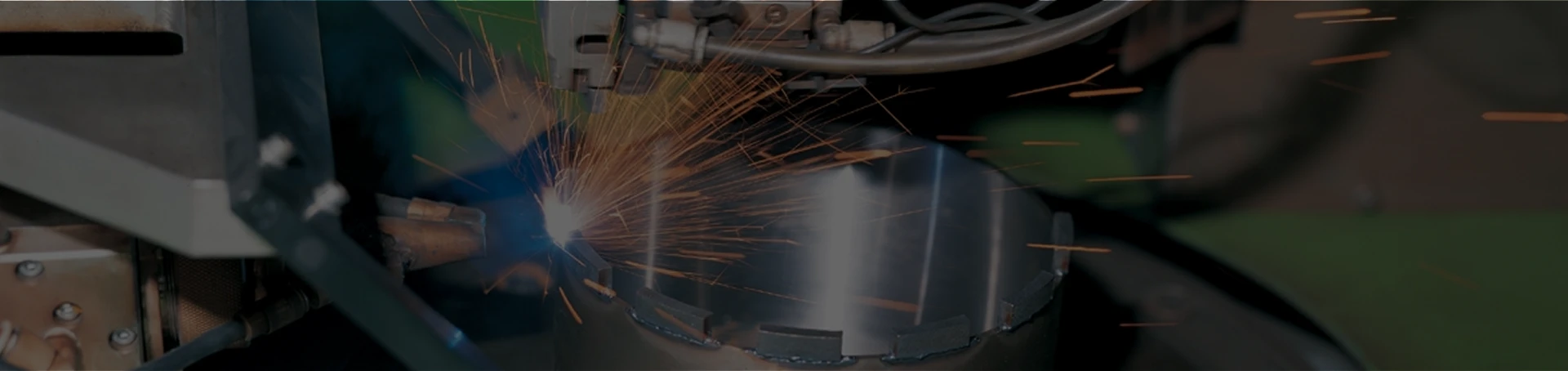
Best 180mm Polishing Pads for Industrial Surface Finishing
The Value of 180mm Polishing Pads in Industrial Finishing
Having spent quite some time in the industrial equipment sector, I’ve handled countless tools and accessories, but polishing pads always hold a special place in the toolbox. Specifically, 180mm polishing pads have become something of a quiet workhorse for many surface finishing tasks. Oddly enough, they're often overlooked in the chatter about big machines or abrasive powders, yet these pads deliver nuanced polishing results that few can match.
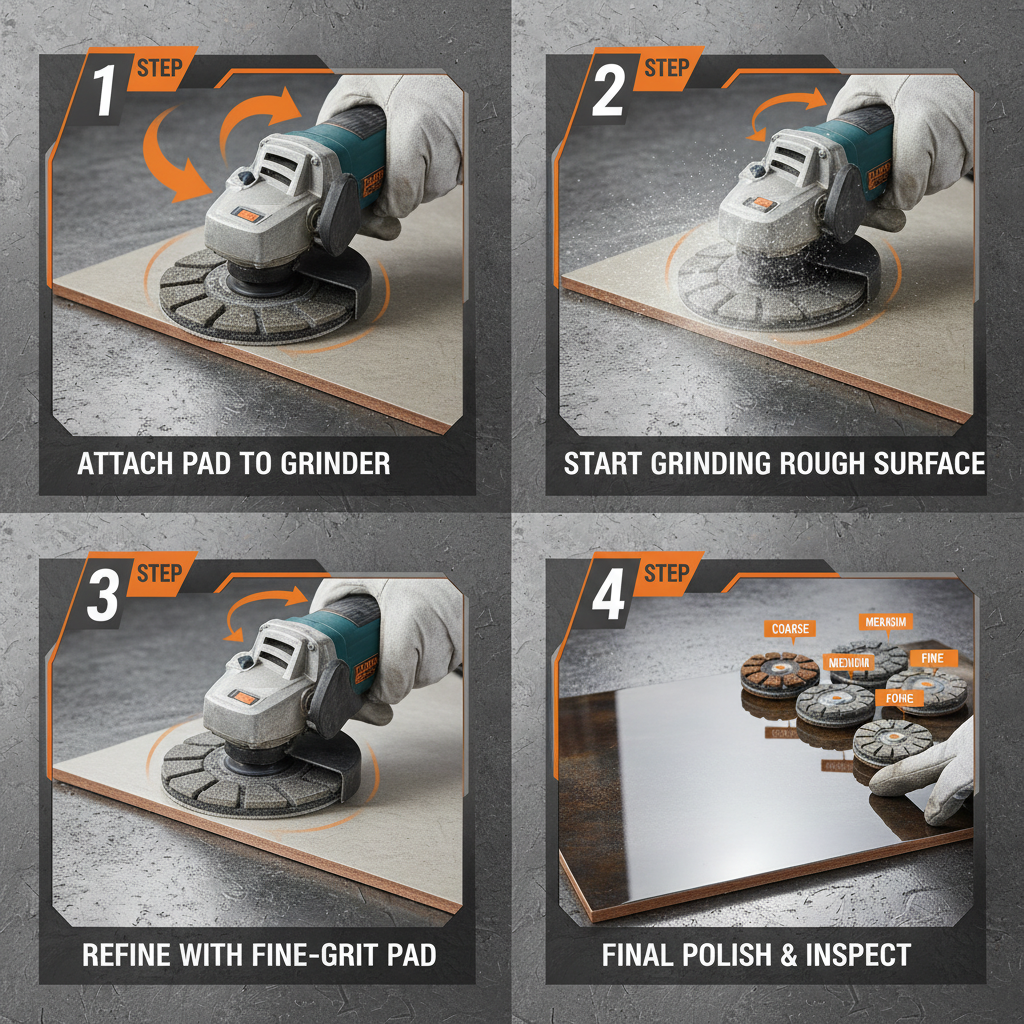
Why 180mm diameter? In real terms, that size hits a sweet spot between coverage and control. Too small, and you spend forever on a large surface; too big, and you risk uneven pressure or damage over delicate parts. A 180mm pad often threads perfectly onto standard angle grinders and polishers, making it a versatile choice on many job sites.
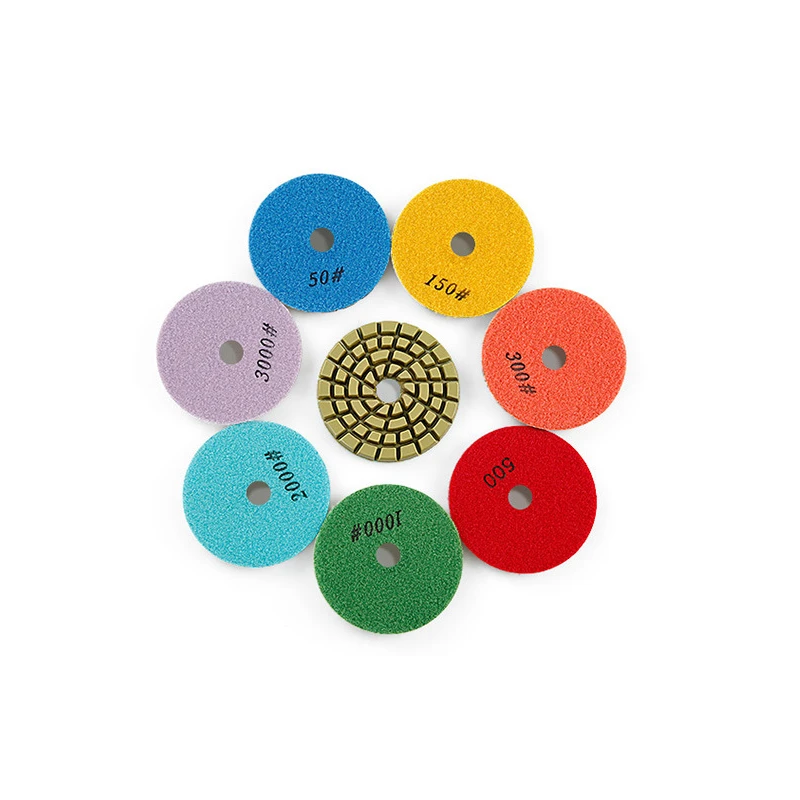
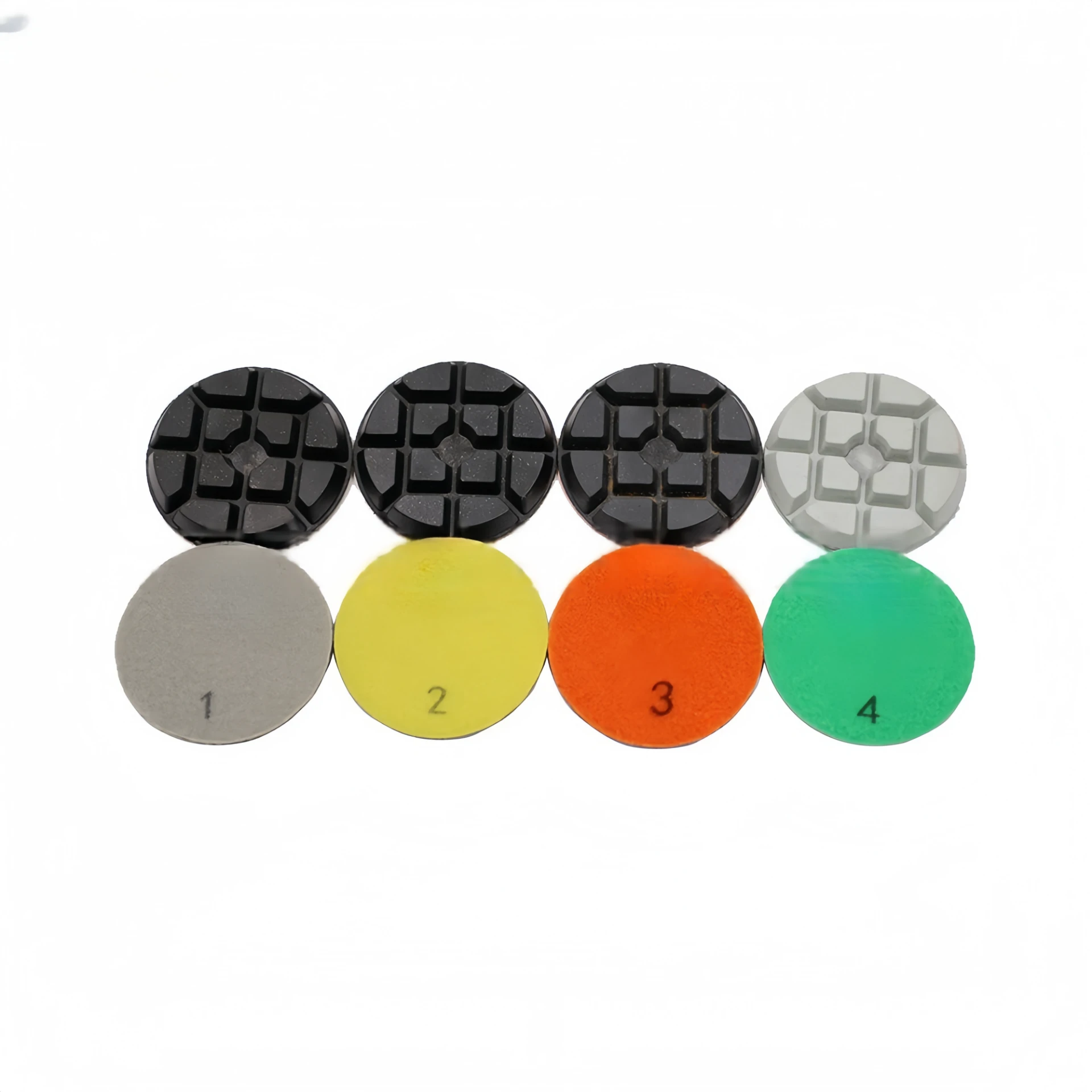
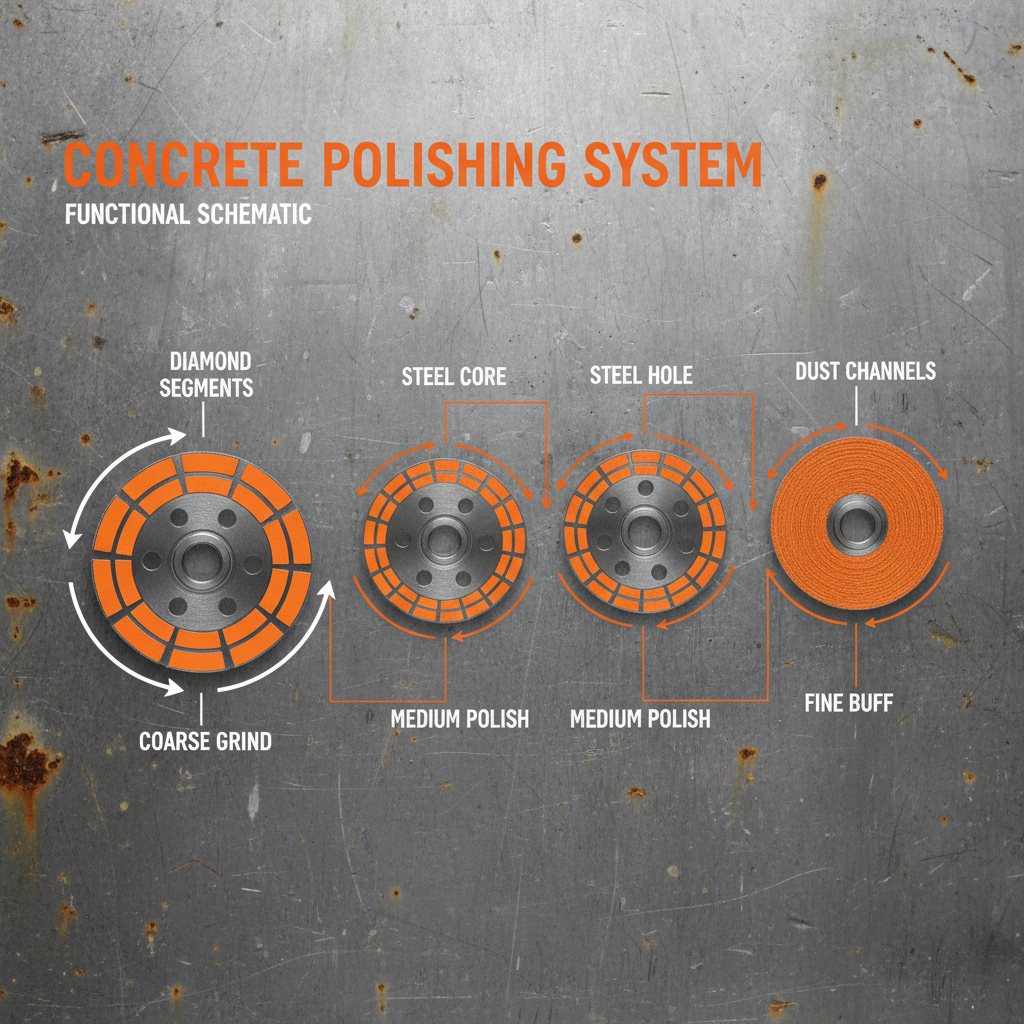
From my experience, the construction and material composition of these polishing pads are critical. Most are made with diamond grit segments fused onto a rubber or resin backing, designed to withstand heat and friction. Frankly, the difference between a well-made 180mm pad and a budget alternative is immediately noticeable—a smoother finish, longer life, and less chance of pad breakdown mid-job.
| Feature | Specification |
|---|---|
| Diameter | 180mm (7 inches) |
| Grit Range | 50 – 3000 (diamond grit) |
| Backing Material | Rubber or Resin Bonded |
| Maximum RPM | 6000 – 8000 |
| Suitable Surfaces | Concrete, Granite, Marble, Terrazzo |
One thing I always stress with teams is the importance of testing your polishing pad choice on a sample surface under real working conditions. Different stone or engineered surfaces will respond differently, and the grit selection — say between 200 and 1500 — changes the finish drastically. That’s why customization options, like variable grit pads or multi-layered resin formulations, can be game changers.
In a project from a while ago, we swapped out standard 180 mm pads for premium diamond resin bond pads on a high-end marble floor restoration. The difference in the gloss and clarity after polishing was immediately evident, and the client couldn’t have been happier. I suppose that’s why those minor upfront costs tend to pay off big down the line.
| Brand | Bond Type | Grit Options | Typical Use | Price Range |
|---|---|---|---|---|
| DiamondBlade Co. | Resin Bond | 100 – 3000 | Stone Polishing | $$ |
| ProPolish Tools | Rubber Bond | 50 – 1500 | Concrete Finishing | $ |
| SuperGrind Supplies | Hybrid Bond | 200 – 2500 | Multi-Surface | $$$ |
One subtle thing to keep in mind: pad longevity can be surprisingly difficult to predict. Many factors contribute — from surface hardness and operator technique to water use and machine type. I always recommend documenting your process and results. Often, if a particular pad fails prematurely, tweaking speed or pressure can save the day.
Ultimately, if your work depends on polished surfaces — whether in upscale commercial buildings or industrial sites — investing time in understanding and selecting the right 180mm polishing pads will pay dividends. After all, that smooth, consistent shine isn’t just aesthetic; it’s a mark of professional care and attention.
So next time you set up a polishing job, consider the humble 180mm pad as more than just an accessory. It’s a critical piece of the finishing puzzle — one that, frankly, can make or break the surface.
Takeaway: The right polishing pad is as important as the machine it rides on – never shortcut your surface finish quality.
- Smith, J. “Industrial Polishing,” 2021, TechFinishing Journal
- Lee, M. “Surface Finishing Materials & Best Practices,” 2022
- DiamondBlade Co. Product Manual, 2023
Related Products
Related Products





Address
No.30 Gaoying Road ,Chang'an District,Shijiazhuang,Hebei Province
Business Hours
Mon to Saturday : 8.00 am - 7.00 pm
Sunday & Holidays : Closed
.png )