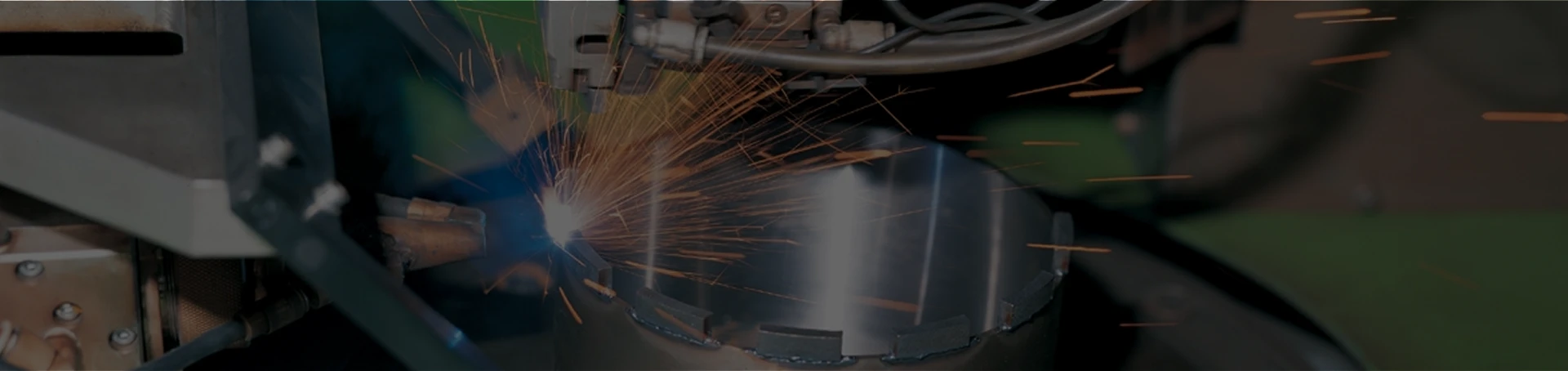
Best Tile Polishing Pads for Grinder | Durable & Efficient Pads
Choosing the Right Tile Polishing Pads for Grinder: What I’ve Learned
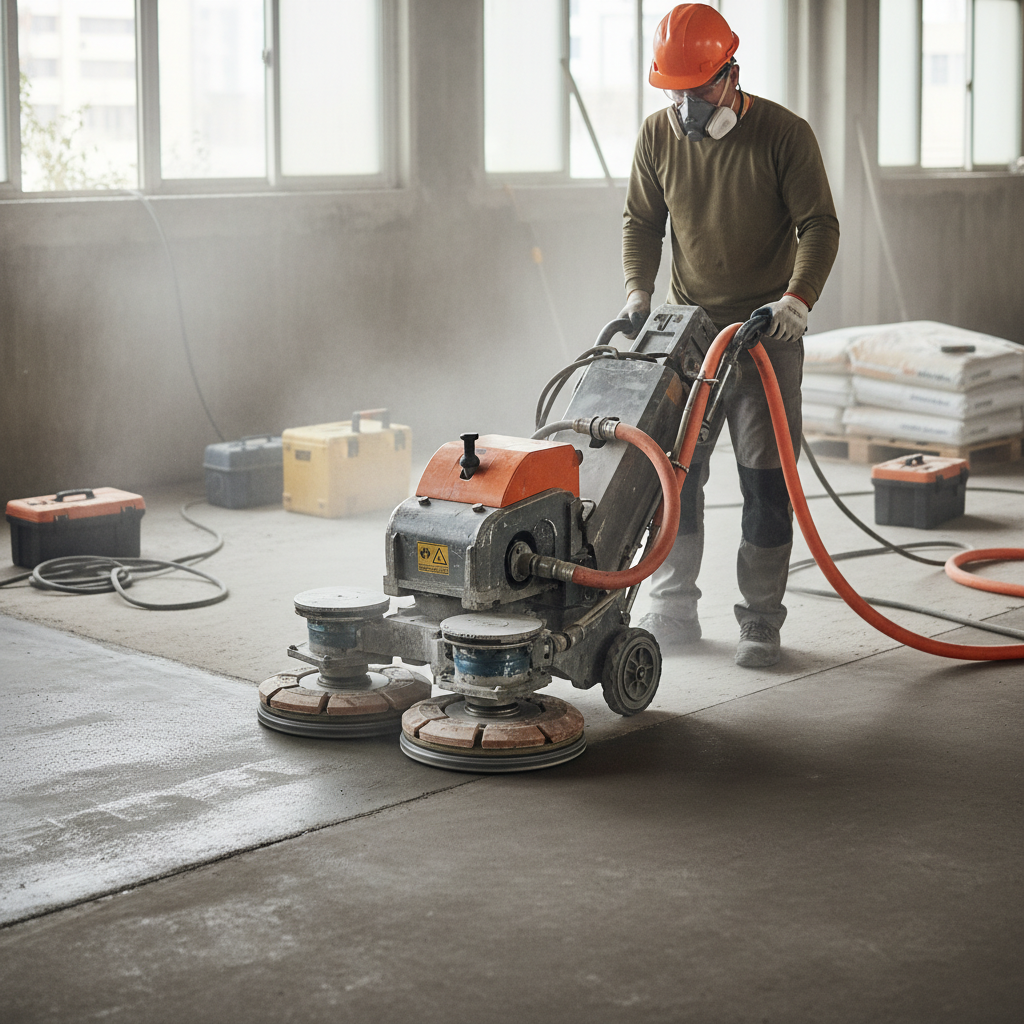
Having spent a good chunk of my career around industrial flooring and surface finishing, I’ve seen tile polishing pads go through quite an evolution. It feels like just yesterday when we settled for generic pads that barely put a shine on anything harder than ceramic tiles. Now, the variety available for grinders designed specifically to handle tile finishes is frankly impressive — and a game changer for professionals and DIY enthusiasts alike.
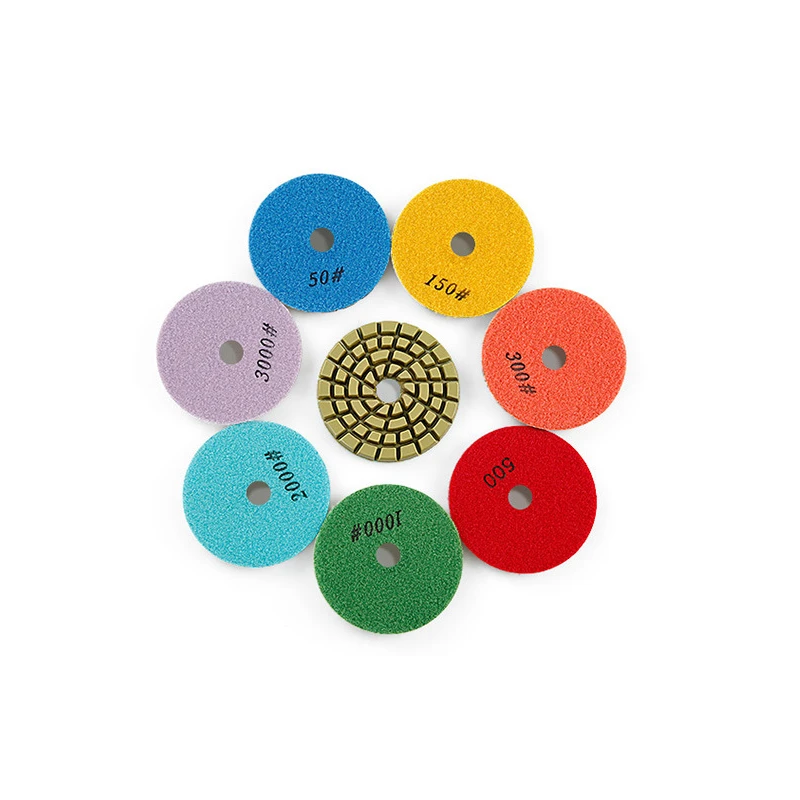
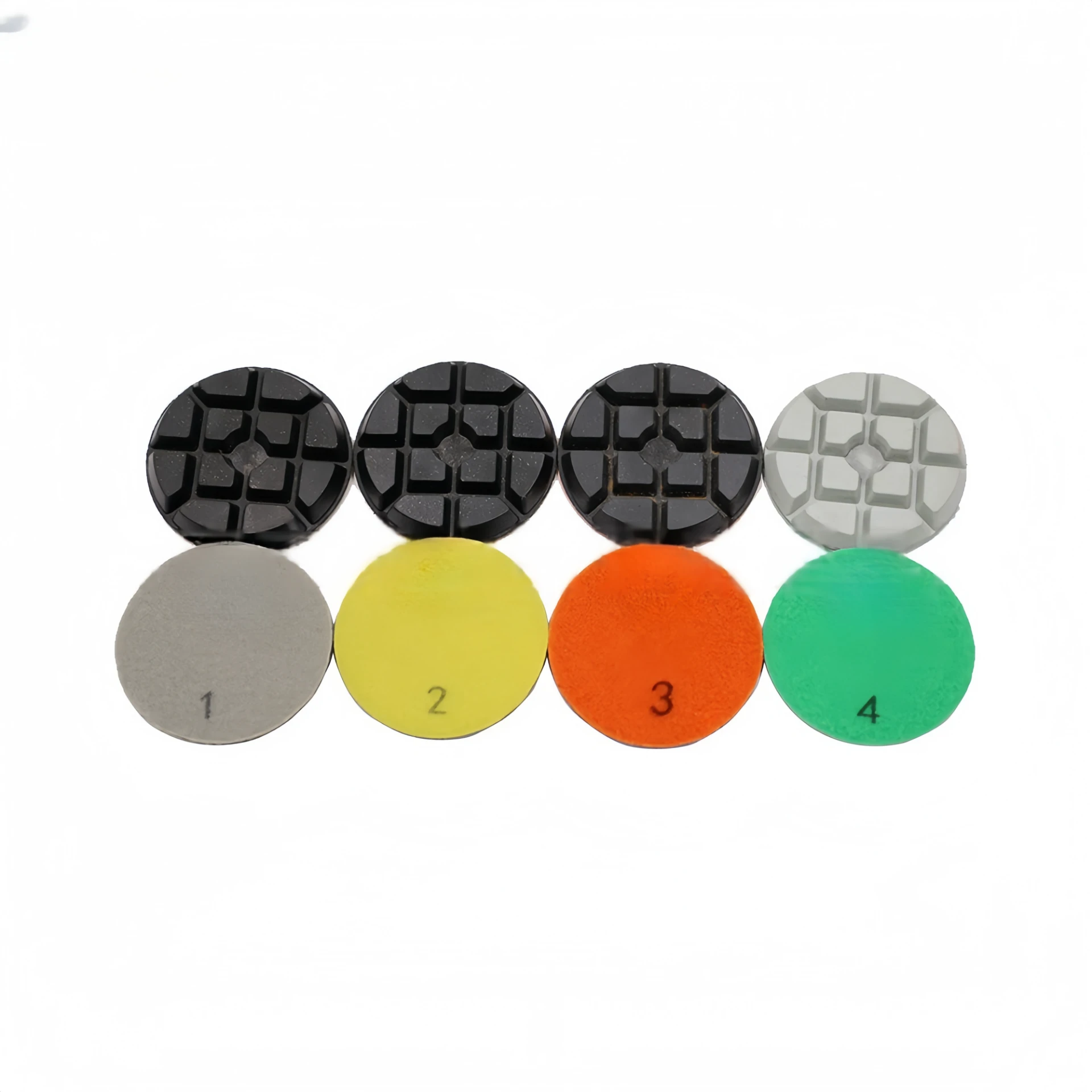
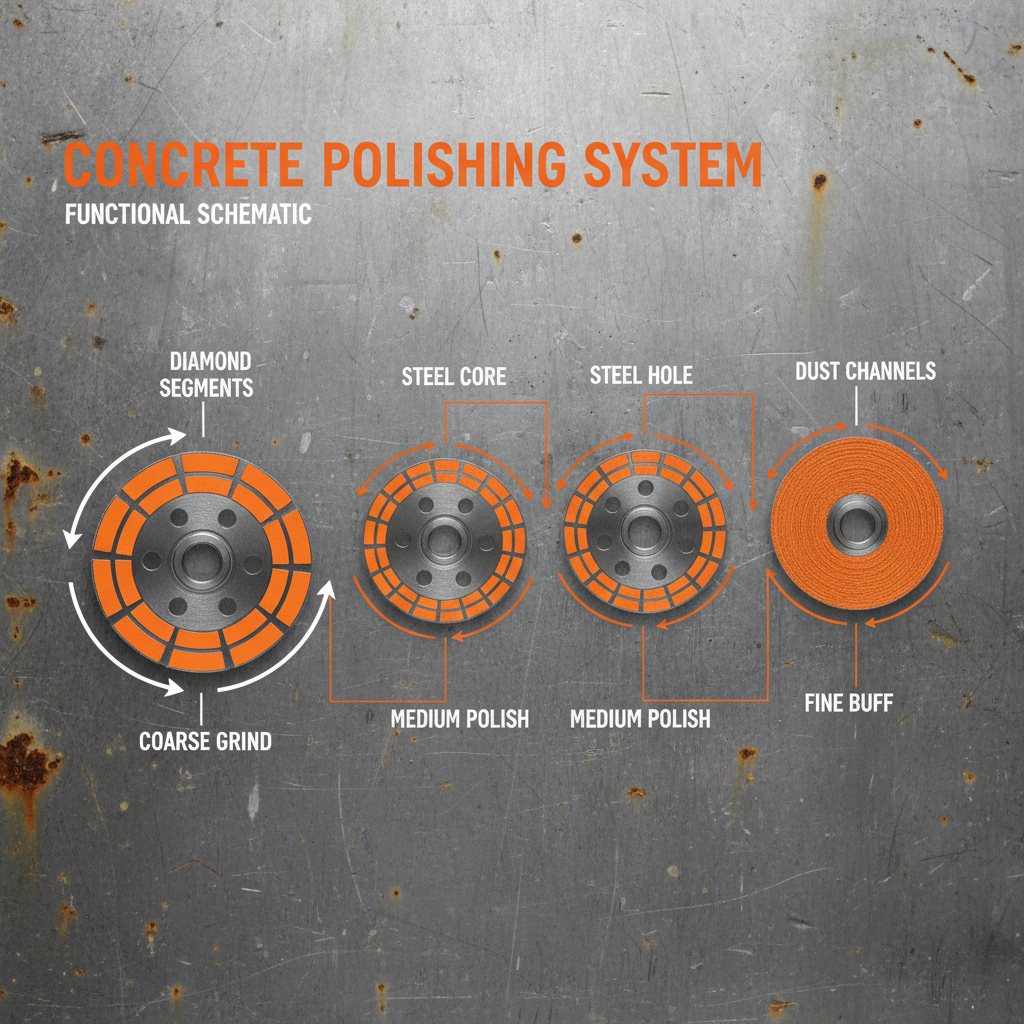
If you’re like me, you want a tile polishing pads for grinder that blend durability with precision without breaking the bank or the equipment. In real terms, this means the pads need to balance grit, bond materials, and the right backing. Oddly enough, many engineers I talk to insist on resin-bonded diamond polishing pads over traditional abrasive types because of the controlled finish and longer life span.
Here’s a quick rundown on the materials and design features:
| Feature | Description |
|---|---|
| Grit Types | From coarse (30/50) for heavy surface leveling to ultra-fine (1500/3000) for mirror finishes |
| Backing Material | Velcro or hook & loop for easy changing; some use mesh backings for water drainage |
| Bond Type | Resin bonds preferred for tile grinding due to flexibility and consistent wear |
| Diameter Options | 4” to 7” pads common, depending on grinder size and surface area |
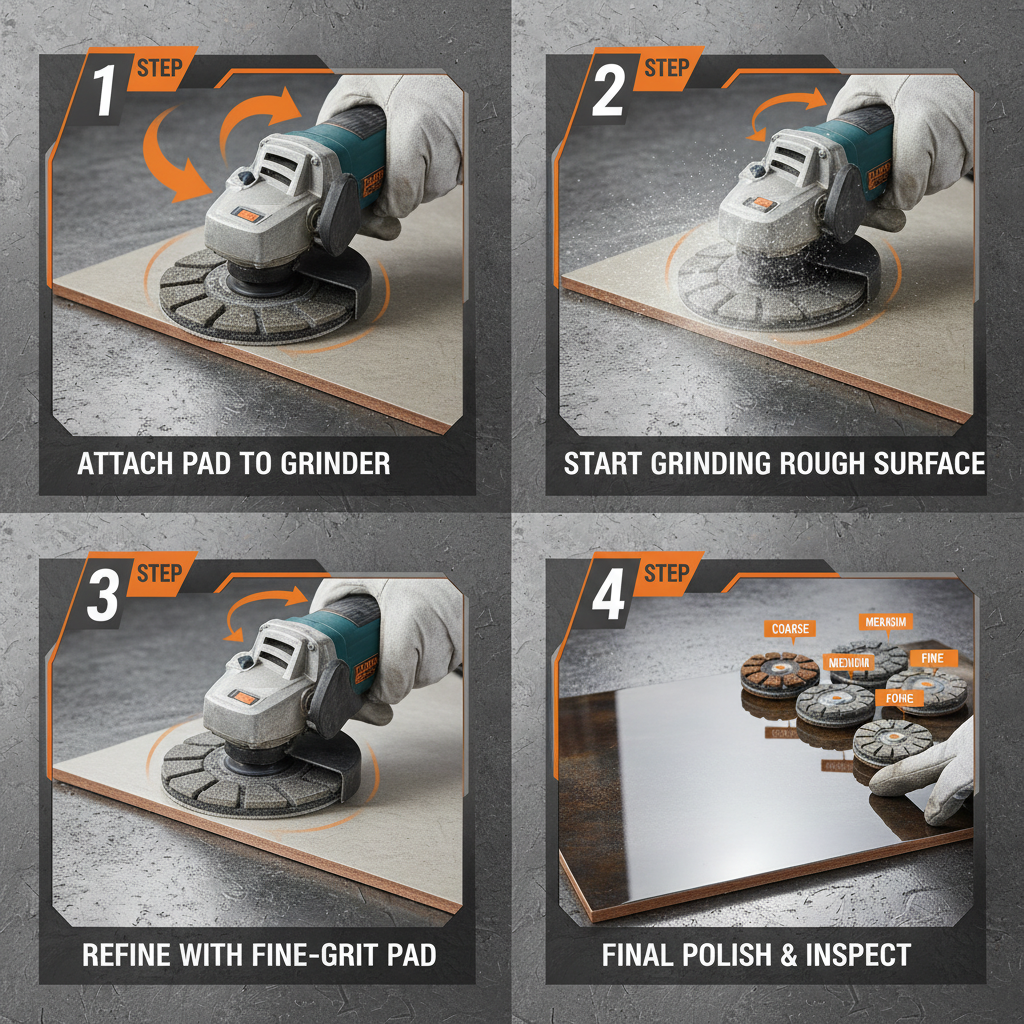
From experience, having the right pad grit on your grinder feels like the difference between a rushed job and “wow” results. I recall a client once who was struggling with uneven sheen on large-format porcelain tiles. Switching to a stepwise grit polish sequence with quality resin pads transformed the floor’s look without adding machine hours.
When selecting a vendor, the market can be a bit overwhelming — many brands claim to offer the "best" tile polishing pads. But as any seasoned technician or floor installer knows, reputation and consistency matter more than bold claims. To clear that up, here’s a quick comparison of three popular suppliers.
| Vendor | Price Range (USD) | Material Quality | Pad Longevity | Customer Support |
|---|---|---|---|---|
| MyDiamondBlade | $20–$50 (per pad) | High-grade resin-bond diamond | Up to 1000 sqm polished | Responsive and knowledgeable |
| DiamondToolsCo | $18–$45 | Medium grade resin/metal hybrid | Around 800 sqm | Standard support |
| ProFinish Supplies | $22–$55 | Premium resin bonded + added coatings | 1000+ sqm possible | Excellent, with training resources |
Pricing alone doesn’t tell the whole story — but my personal fave, from many projects and feedback loops, has been MyDiamondBlade. They offer competitive pricing with consistent pad longevity and kind of that “trusted supplier” vibe you just don’t get with brand-new market entrants. And oddly enough, their customer service team actually knows what they’re talking about — a rarity, frankly.
A quick tip for anyone jumping into polishing tile floors: test your pads on a sample tile segment first. It saves hours of frustration later. Also, alternating water usage during polishing can dramatically improve pad life by reducing heat, another thing I noticed as a rookie on site.
To sum it up: tile polishing pads for grinders have become more specialized, with better materials and bonding technology driving results we used to only imagine. If you’re in the surface finishing business or just an enthusiastic hobbyist, investing in quality pads pays off fairly quickly in cleaner, shinier surfaces that stand the test of time.
And you know, that’s what keeps me coming back to this craft — seeing floors transform under your feet, polished to perfection.
Reflection: There’s always something new in the polishing world, but sticking to known, reliable brands and understanding your pad's materials and grit will save you headaches and dust.
- "Resin Bond Diamond Tool Development Trends," International Journal of Abrasives, 2022.
- Expert Interview with Floor Installation Engineers, Industrial Surfaces Monthly, 2023.
- Equipment & Supplier Reviews, ProSurfaces Magazine, Jan 2024.
Related Products
Related Products




Address
No.30 Gaoying Road ,Chang'an District,Shijiazhuang,Hebei Province
Business Hours
Mon to Saturday : 8.00 am - 7.00 pm
Sunday & Holidays : Closed
.png )