Choosing the Ideal 4 Buffing Pad for Superior Polishing Results
Choosing the Right 4 Buffing Pad for Your Polishing Needs
Achieving a flawless finish on any surface requires the right tools, and among these, the 4 buffing pad stands out as a versatile and essential component. Whether you're working with metal, plastic, wood, or even automotive finishes, understanding the different types of pads and their applications is crucial. This article will provide a comprehensive guide to 4 buffing pads, covering their types, uses, and how to select the best option for your specific project. We’ll dive into the nuances of each pad material, ensuring you have the knowledge to deliver professional-quality results.
Understanding the Different Types of 4 Buffing Pads
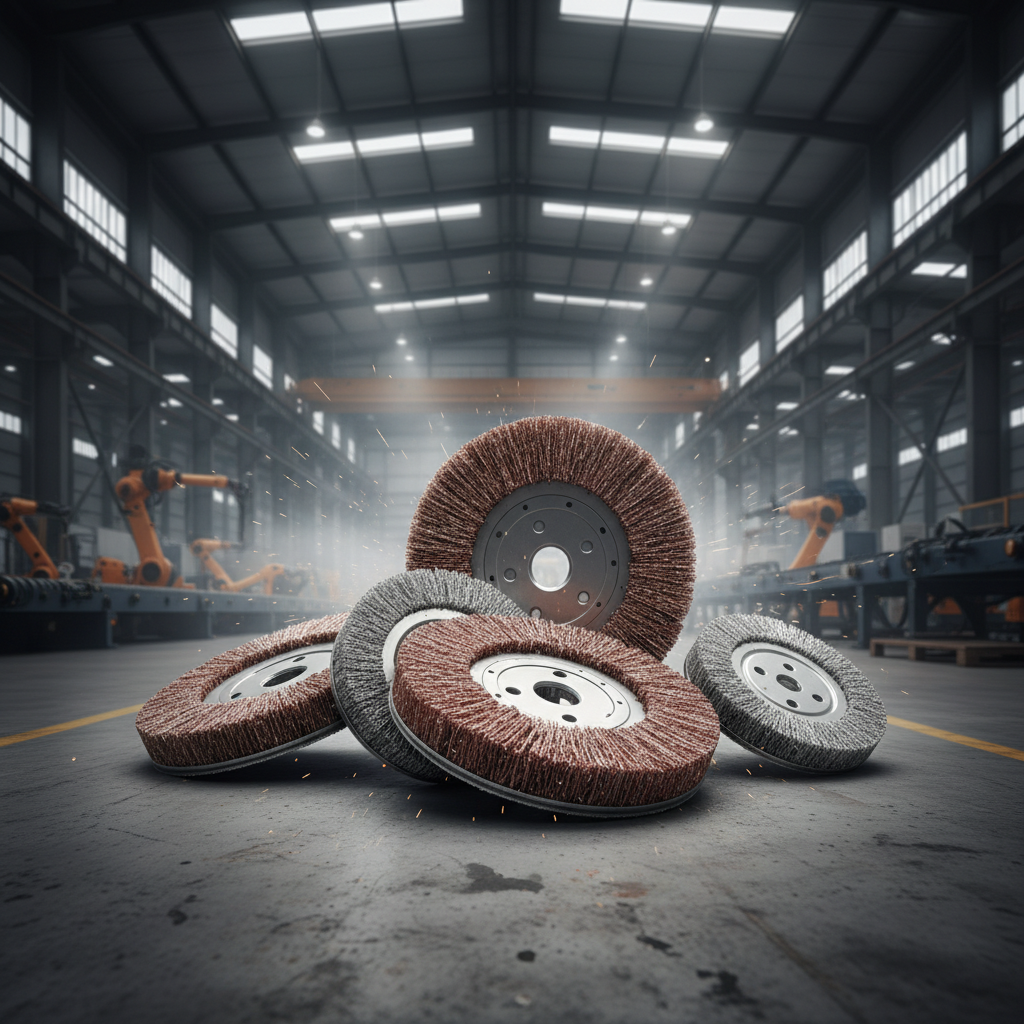
The world of buffing pads isn't one-size-fits-all. Several materials cater to diverse polishing needs. The most common include foam, wool, and microfiber. Foam pads are generally used for compounding and polishing, offering varying levels of cut and finish. Wool pads are known for their aggressive cutting power, ideal for removing heavy scratches and oxidation. Microfiber pads fall between foam and wool, providing a good balance of cutting and polishing. Selecting the right pad material depends on the severity of the surface imperfections and the desired level of gloss. MyDiamondBlade.com offers a wide selection of these pad types to suit any requirement.
Key Takeaway: The material of the 4 buffing pad significantly impacts its performance, determining its cutting power and final finish.
Foam Buffing Pads: Versatility for Polishing
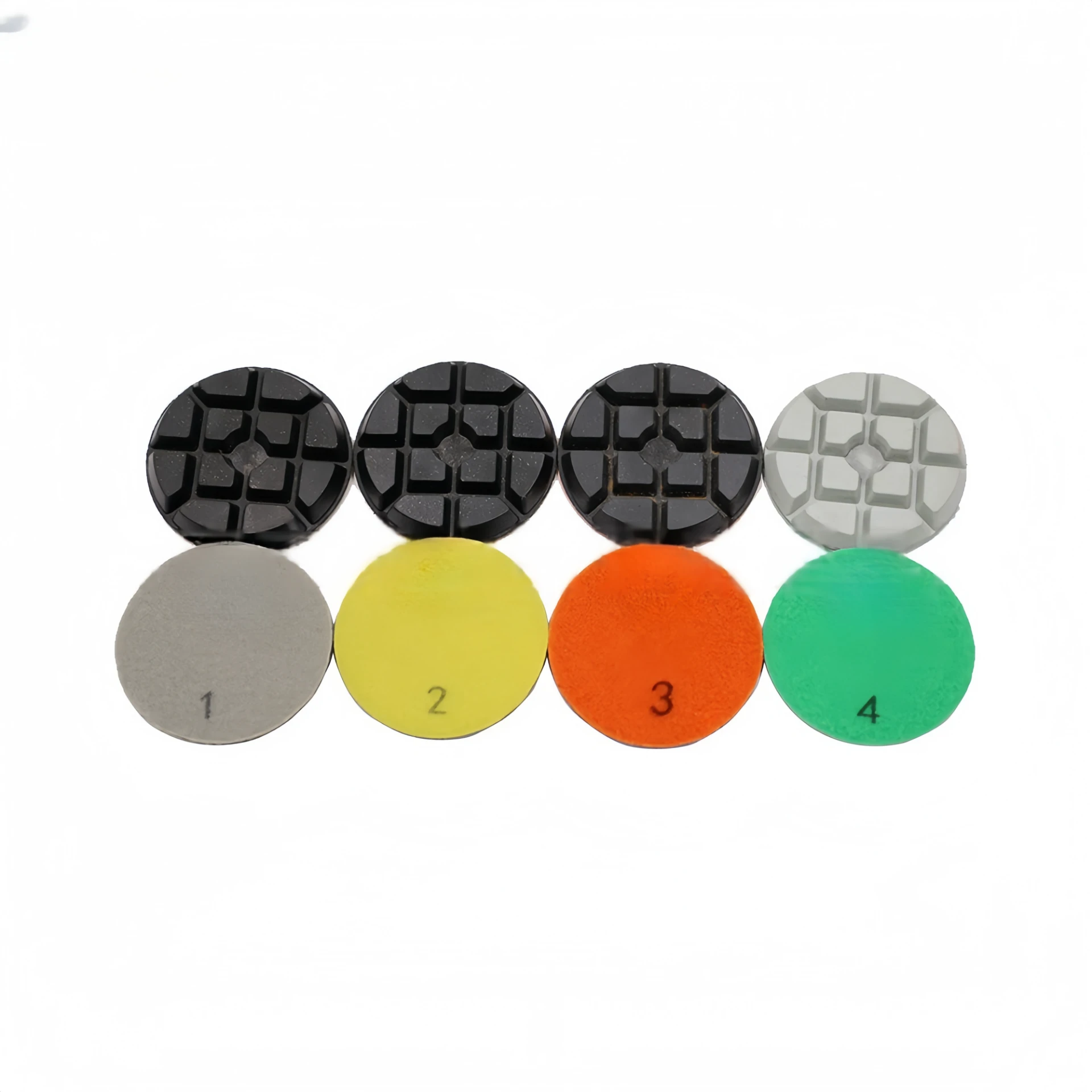
Foam pads are incredibly versatile, coming in various densities and cuts. Yellow foam pads are typically used for light cutting and polishing, perfect for removing swirl marks and enhancing gloss. Orange foam pads offer a medium cut, suitable for removing moderate imperfections. Black foam pads are designed for finishing, creating a deep, high-gloss shine. The pore structure of the foam also plays a role: closed-cell foams are more durable and provide consistent performance, while open-cell foams offer better lubrication. Investing in a set of foam pads with varying cuts is a smart move for any polishing enthusiast.
Foam Pad Color Guide:
• Yellow: Light Cutting & Polishing
• Orange: Medium Cutting
• Black: Finishing & High Gloss
Wool Buffing Pads: Aggressive Cutting Power
For serious defect removal, wool pads are your go-to choice. They are significantly more aggressive than foam pads and excel at removing deep scratches, oxidation, and paint transfer. However, their aggressive nature requires caution; improper use can easily cause damage to the surface. Wool pads are best paired with a cutting compound and used at lower speeds. They are available in various densities, with higher density wool providing more cutting power. MyDiamondBlade.com's wool pads are crafted with high-quality wool for optimal performance and durability.
Selecting the Right 4 Buffing Pad for Your Project
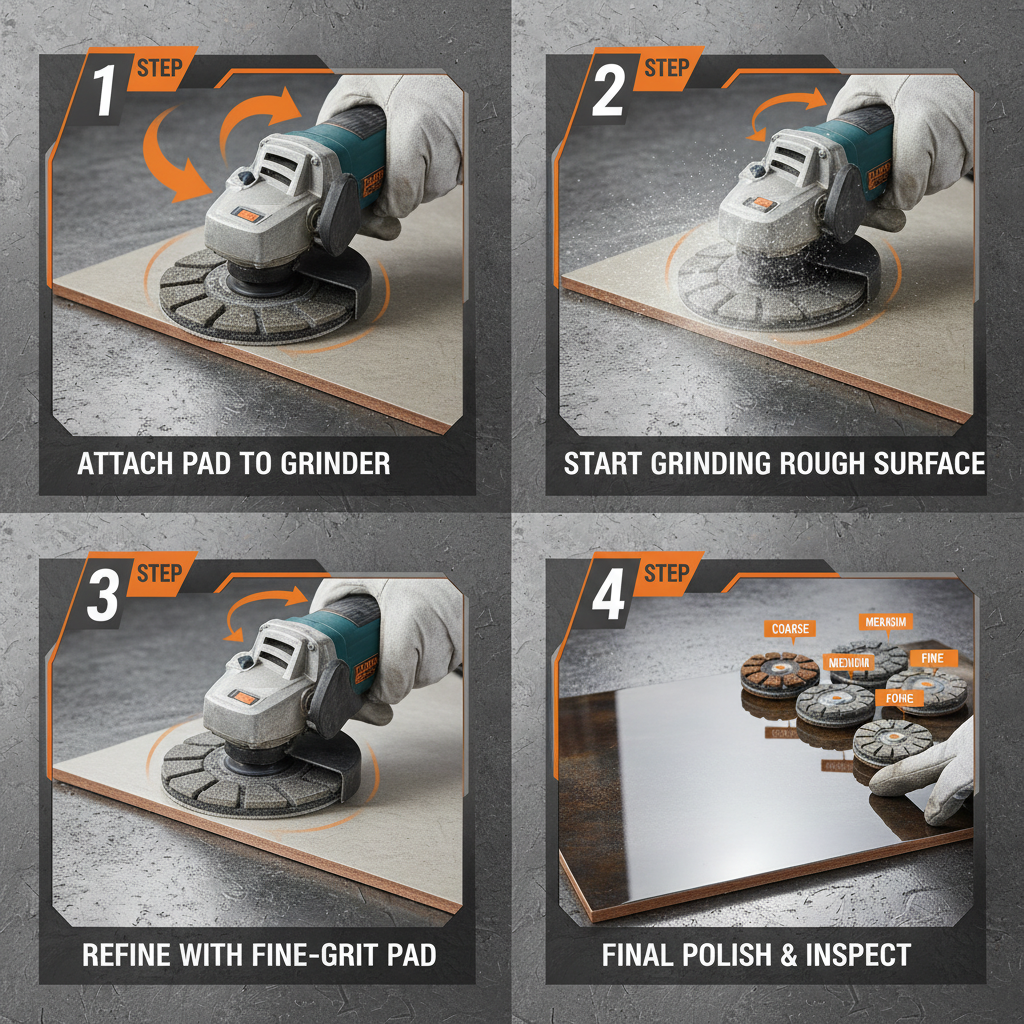
Choosing the right 4 buffing pad requires a clear understanding of the surface condition and your desired outcome. Start with the least aggressive pad possible and work your way up if necessary. Always test the pad in an inconspicuous area first. Remember to clean your pads regularly to prevent contamination and maintain optimal performance. Investing in high-quality pads from a reputable supplier like MyDiamondBlade.com ensures you're getting a product that will deliver consistent results and last.
Conclusion: Mastering the Art of Polishing with the Right Pads
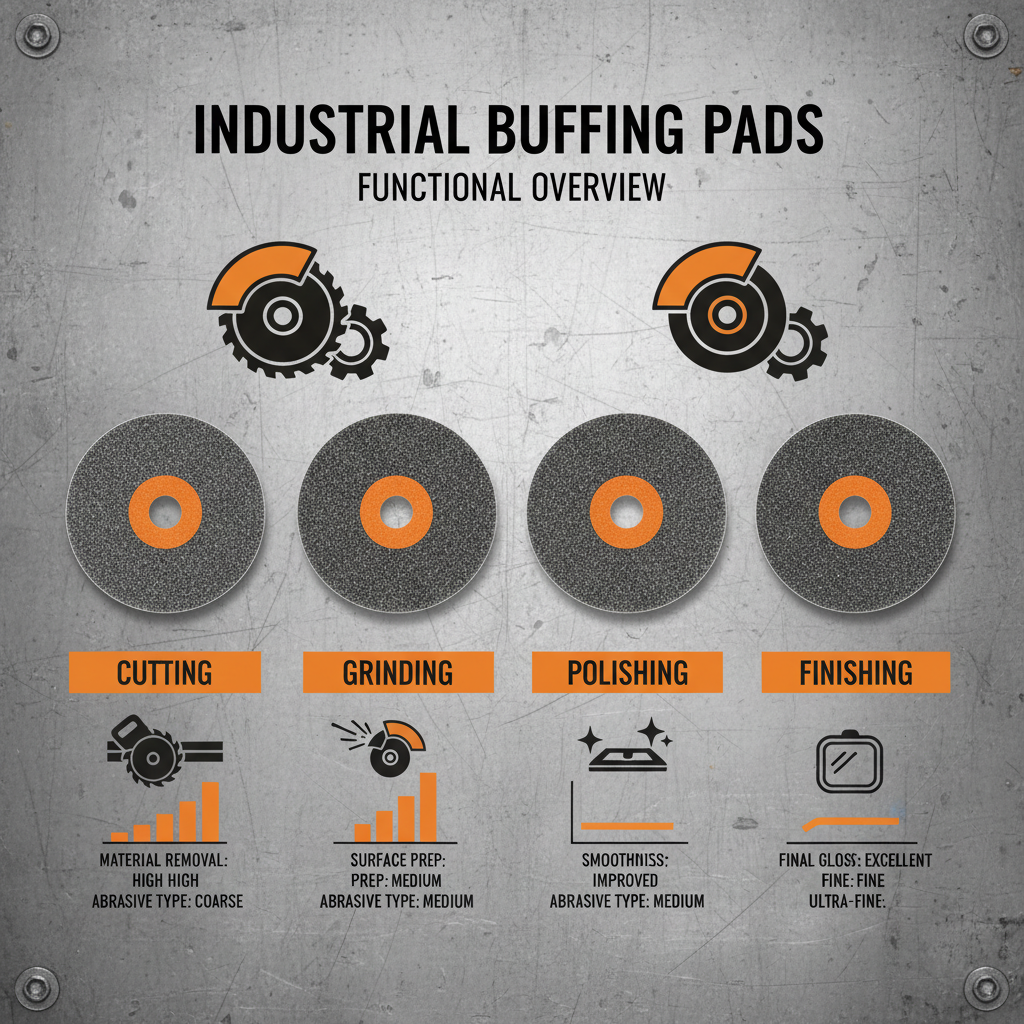
Selecting the appropriate 4 buffing pad is paramount to achieving a professional-quality finish. By understanding the different types, their applications, and how to properly use them, you can effectively remove imperfections and bring out the true shine of any surface. Remember to prioritize quality and choose a reliable supplier like MyDiamondBlade.com for consistent performance and durability.
Frequently Asked Questions (FAQs)
How often should I clean my buffing pads?
You should clean your buffing pads after each use, or even during use if they become heavily loaded with compound or polish. Contaminated pads can cause scratches and swirl marks. Use a pad cleaning brush or a dedicated pad washer to remove residue. Regular cleaning extends the life of your pads and ensures optimal performance. For heavily soiled pads, a deep cleaning solution may be necessary.
What speed should I use with different buffing pads?
Generally, wool pads require lower speeds (1200-1800 RPM) due to their aggressive cutting power. Foam pads can be used at higher speeds (1800-2500 RPM) for polishing and finishing. Always refer to the pad manufacturer's recommendations and start with a lower speed, gradually increasing it as needed. Excessive speed can generate heat and damage the surface.
Can I use the same buffing pad for both cutting and polishing?
It's generally not recommended to use the same pad for both cutting and polishing. Cutting compounds are abrasive and can embed themselves into the pad, potentially causing scratches during the polishing stage. It’s best to dedicate specific pads for each process to achieve optimal results. Using separate pads ensures a clean and consistent finish.
Related Products
Related Products





Address
No.30 Gaoying Road ,Chang'an District,Shijiazhuang,Hebei Province
Business Hours
Mon to Saturday : 8.00 am - 7.00 pm
Sunday & Holidays : Closed
.png )