Comprehensive Guide to 7 Inch Buffing and Polishing Pads for Flawless Results
The Ultimate Guide to 7 Inch Buffing and Polishing Pads
Achieving a flawless finish on any surface requires the right tools, and 7 inch buffing and polishing pads are essential for professional results. These pads are versatile, adaptable to various materials, and crucial for auto detailing, marine work, and even woodworking. This comprehensive guide will explore the types of pads available, their applications, and how to choose the best options for your specific needs. Understanding the nuances of these pads will dramatically improve the quality and efficiency of your polishing projects.
Understanding the Different Types of 7 Inch Buffing Pads
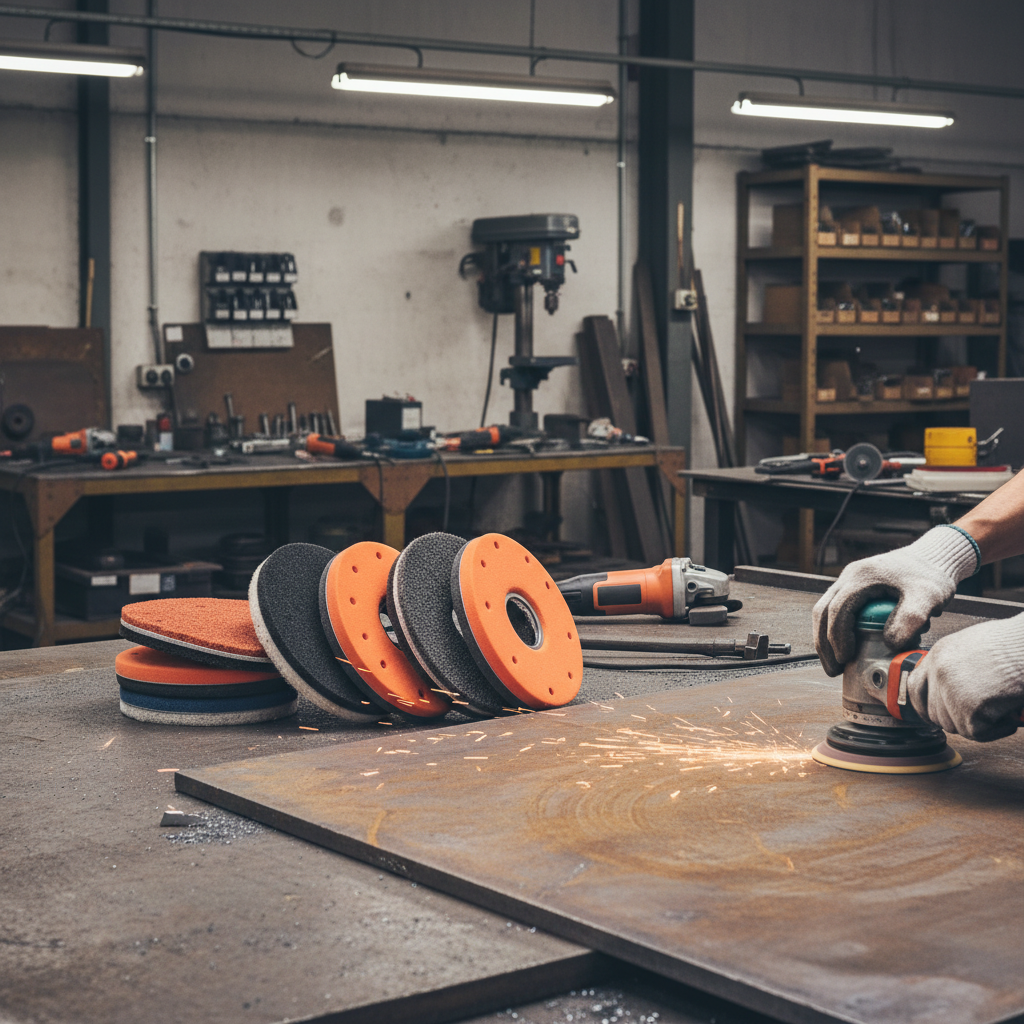
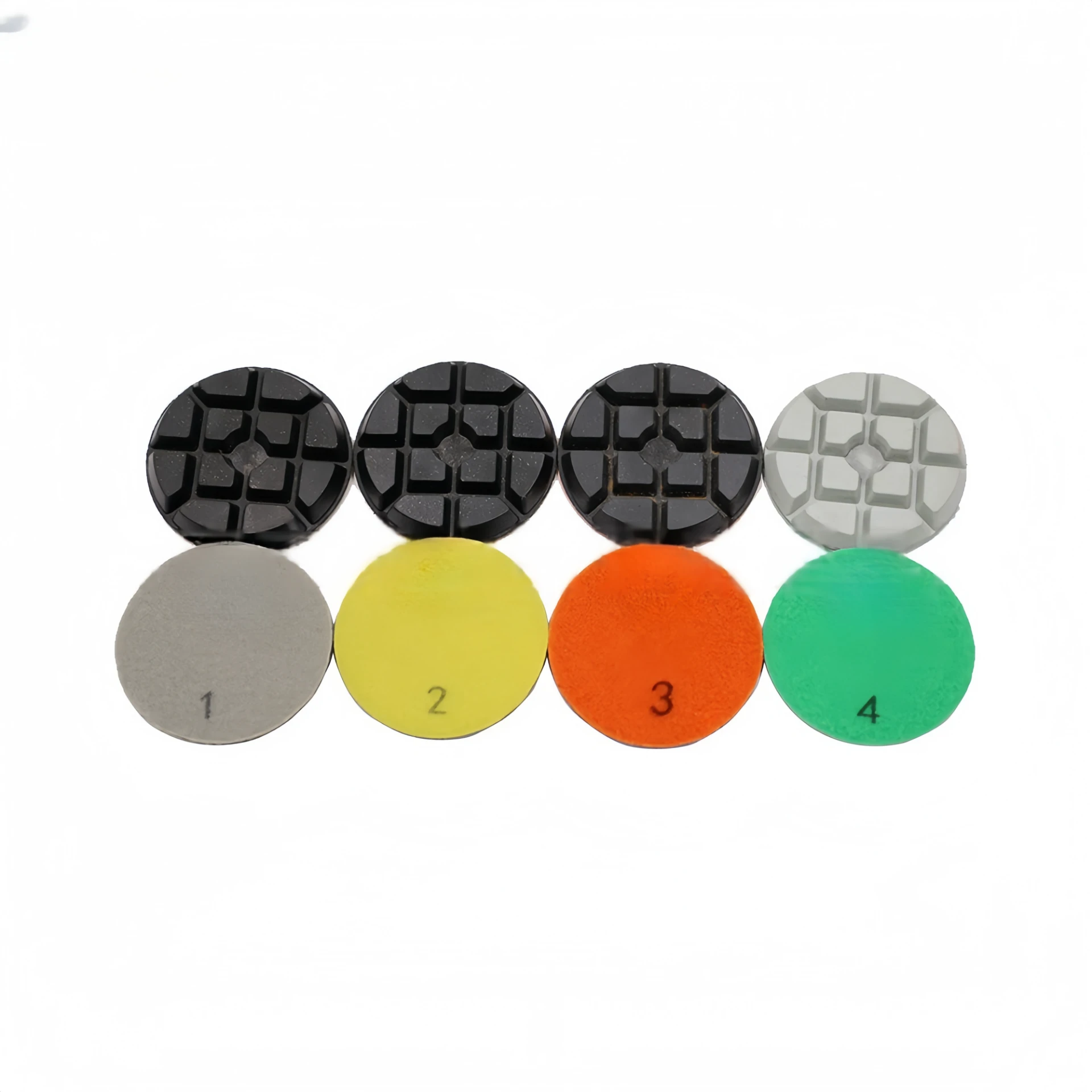
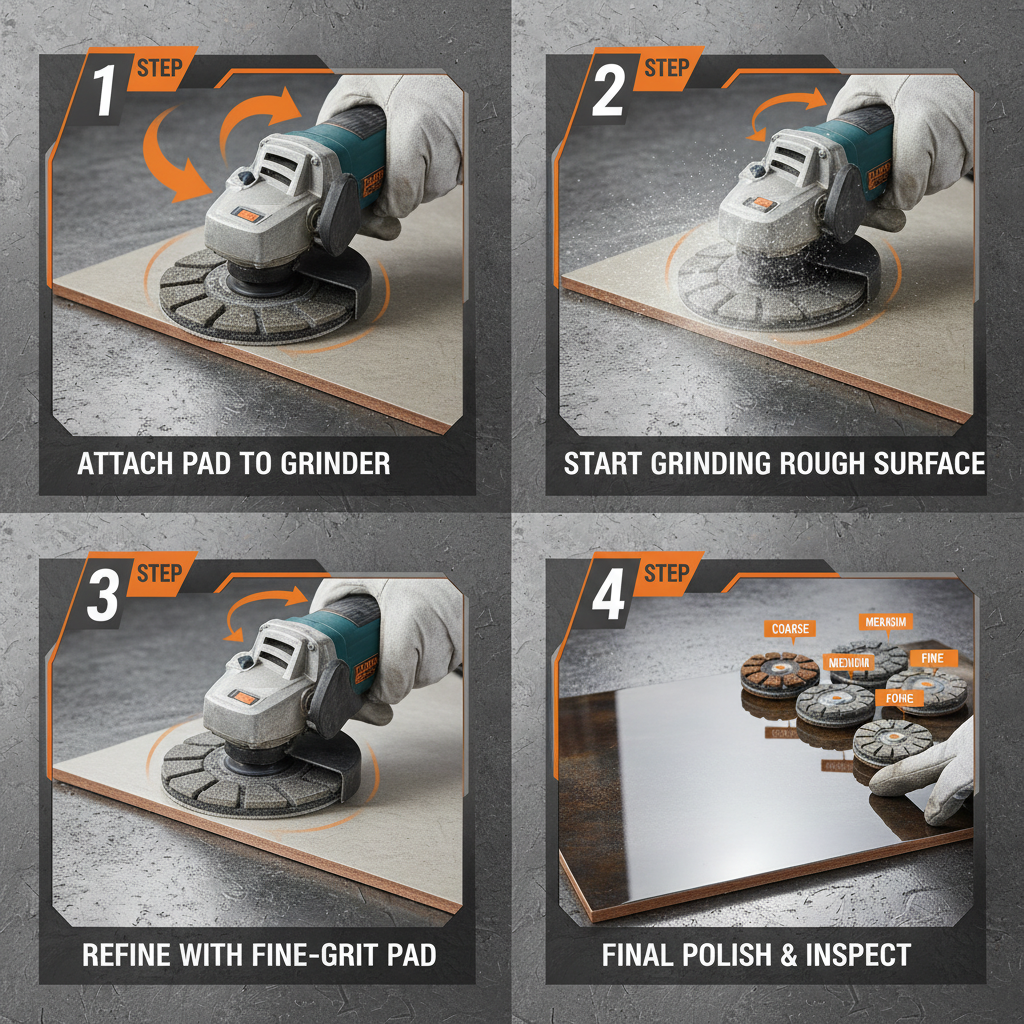
Buffing and polishing pads aren't one-size-fits-all. They are categorized by their cutting power, ranging from aggressive to finishing. Wool pads are typically used for heavy cutting and compounding, removing significant imperfections like scratches and oxidation. Foam pads, available in varying densities and cuts, are ideal for polishing, removing swirl marks, and enhancing gloss. Microfiber pads offer a balance between cutting and polishing, suitable for intermediate steps. Choosing the right pad is crucial for achieving the desired outcome without damaging the surface. MyDiamondBlade.com offers a wide selection to suit all your needs.
Key Takeaway: Selecting the appropriate pad based on the severity of imperfections and the desired finish is critical for optimal results.
Foam Pad Varieties: Density and Cut
Foam pads are the most common choice for polishing, and understanding their variations is essential. Pad density impacts cutting power – denser foams cut more aggressively, while softer foams deliver a gentler polish. The ‘cut’ of the pad refers to the surface texture. Waffle pads offer moderate cutting and are excellent for general polishing. Flat pads provide even coverage and are preferred for finishing. Microfiber pads fall between these, offering a versatile solution for various tasks. Different compounds are best paired with specific foam pad types; always check the compound manufacturer's recommendations.
Foam Pad Characteristics:
• Density affects cutting power.
• Waffle pads: Moderate cutting, general polishing.
• Flat pads: Even coverage, finishing.
• Microfiber: Versatile, intermediate cutting.
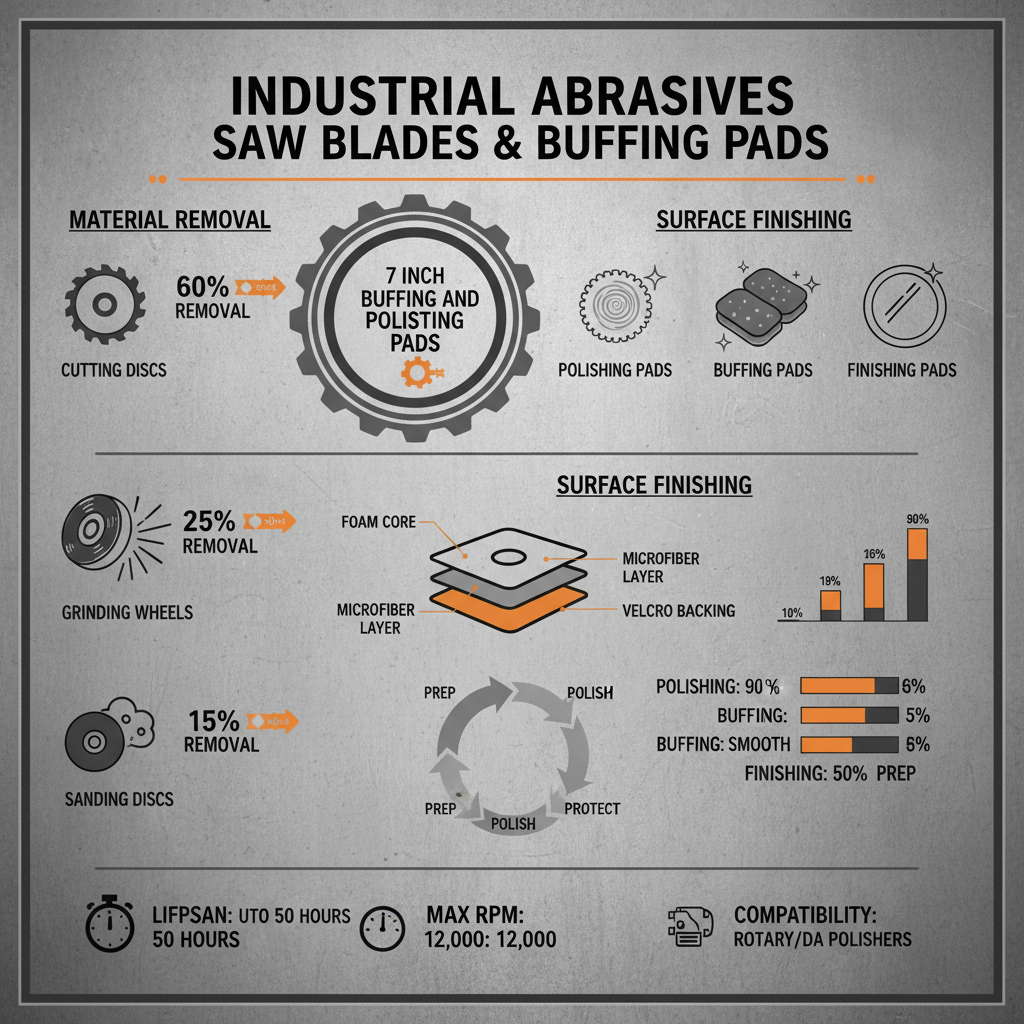
7 Inch Buffing and Polishing Pad Comparison
Here’s a comparison table to help you understand the key differences between common pad types:
Proper Pad Care and Maintenance
To maximize the lifespan and performance of your 7 inch buffing and polishing pads, proper care is essential. After each use, clean the pads thoroughly with a pad cleaner to remove compound residue. This prevents build-up and maintains the pad's cutting ability. Store pads in a clean, dry place away from direct sunlight and extreme temperatures. Regularly inspect pads for signs of wear and tear, and replace them when necessary. A well-maintained pad will deliver consistent results and save you money in the long run.
Choosing the Right Pads from MyDiamondBlade.com
At MyDiamondBlade.com, we offer a comprehensive selection of 7 inch buffing and polishing pads to meet any need. We carry high-quality pads from leading brands, ensuring durability and performance. Our expert team can help you select the right pads for your specific application, whether you're a professional detailer or a DIY enthusiast. Browse our selection today and experience the difference quality pads can make!
Conclusion: Achieving a Showroom Shine
Investing in the right 7 inch buffing and polishing pads is crucial for achieving a professional-quality finish. By understanding the different types of pads, their applications, and proper care techniques, you can dramatically improve the results of your polishing projects. MyDiamondBlade.com is your trusted source for high-quality pads and expert advice.
Frequently Asked Questions (FAQs)
How often should I replace my buffing pads?
The lifespan of buffing pads depends heavily on usage and the type of materials being polished. Generally, wool pads last the longest, followed by microfiber and then foam. Foam pads need replacing more frequently, especially softer varieties. Look for signs of glazing (a hardened surface), loss of nap (for wool), or uneven wear. Regularly cleaning pads extends their life, but anticipate replacing foam pads every 20-40 hours of use, microfiber every 30-50 hours, and wool pads every 50+ hours. Investing in quality pads from MyDiamondBlade.com ensures a longer lifespan and consistent performance.
What is the best pad for removing swirl marks?
For removing swirl marks, a medium-density foam polishing pad is generally the best choice. These pads offer enough cutting power to level the clear coat and remove the swirls, but aren’t so aggressive that they create new imperfections. Pairing this pad with a medium-cut polishing compound will yield optimal results. It is also important to use a clean pad and ensure the surface is properly prepared before polishing.
Can I use the same pad for both compounding and polishing?
It's generally not recommended to use the same pad for both compounding and polishing. Compounding is an aggressive process that can embed abrasive particles deep within the pad. Using this pad for polishing will contaminate the polish and potentially introduce scratches. It's best to dedicate separate pads for each step to ensure optimal results. MyDiamondBlade.com offers pad kits specifically designed for multi-step polishing processes.
What’s the difference between a cutting pad and a polishing pad?
Cutting pads are designed for removing paint defects like scratches, oxidation, and swirl marks. They typically have a more aggressive nap (texture) and are often made of wool or a denser foam. Polishing pads, on the other hand, are used to enhance gloss and remove minor imperfections left after compounding. They have a softer nap and are typically made of foam or microfiber. Using the right pad for the job is crucial for achieving the desired finish without damaging the paint.
Related Products
Related Products





Address
No.30 Gaoying Road ,Chang'an District,Shijiazhuang,Hebei Province
Business Hours
Mon to Saturday : 8.00 am - 7.00 pm
Sunday & Holidays : Closed
.png )