
Comprehensive Guide to Choosing the Best Marble Sanding Pads for Superior Finishes
Choosing the Right Marble Sanding Pads for a Flawless Finish
Achieving a polished, professional finish on marble surfaces requires the right tools, and marble sanding pads are paramount. From initial coarse grinding to final polishing, selecting the appropriate pad grit and material is crucial for optimal results and avoiding costly damage. This article will guide you through the world of marble sanding pads, covering types, applications, and tips for maximizing their performance. We'll focus on how to choose the best pads for your specific project and the benefits of high-quality options.
Understanding Different Types of Marble Sanding Pads
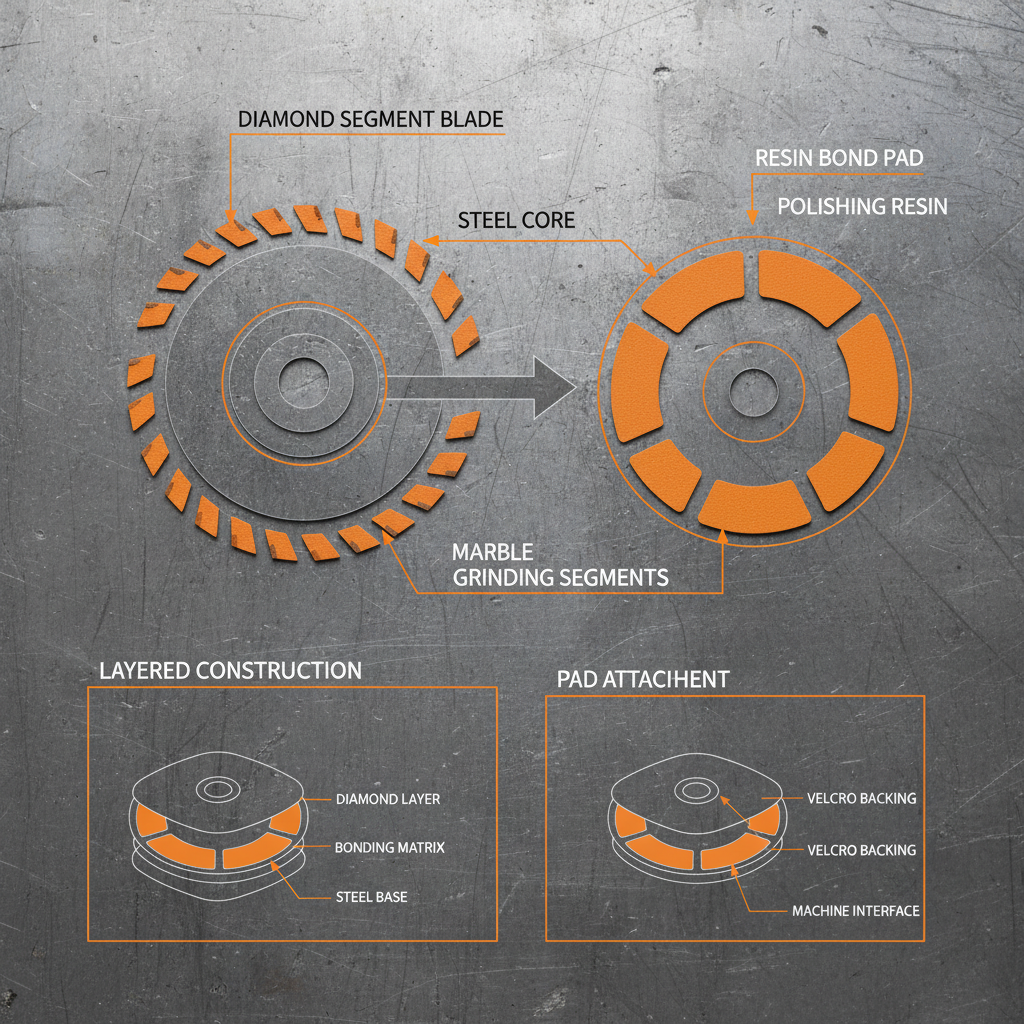
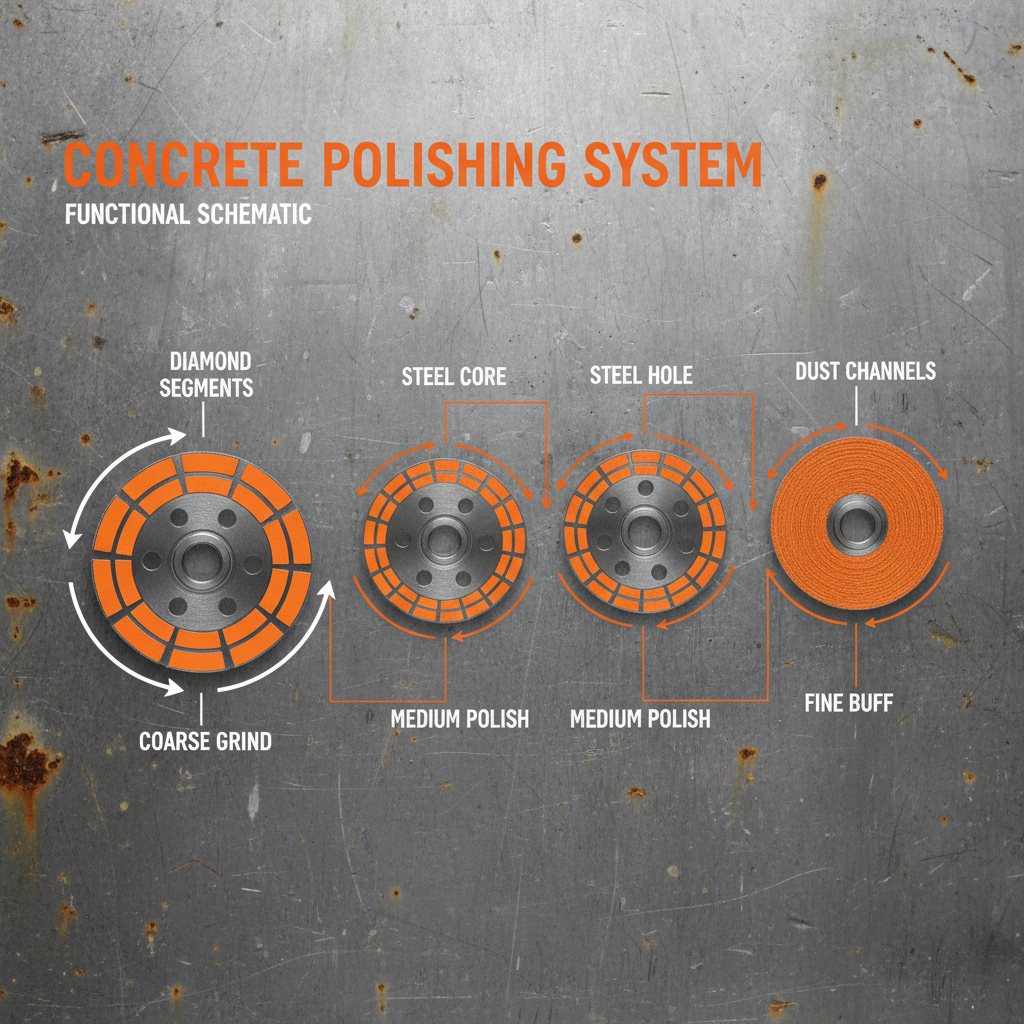
Marble sanding pads aren't one-size-fits-all. They come in various materials and bonding types, each suited for different stages of the sanding process. Diamond pads are the most common for marble, offering exceptional cutting power and longevity. Resin bonded pads are ideal for wet sanding and achieving a smooth, polished surface. Ceramic bonded pads are more aggressive and suited for initial grinding. Understanding these differences will empower you to select the optimal pad for your needs. Beyond the bonding, consider whether you need dry or wet pads; wet pads generally produce less dust and a cleaner cut.
Key Takeaway: Diamond pads are the industry standard for marble due to their durability and performance. Resin-bonded pads excel at creating a polished finish.
A Guide to Grit Selection for Marble Sanding Pads
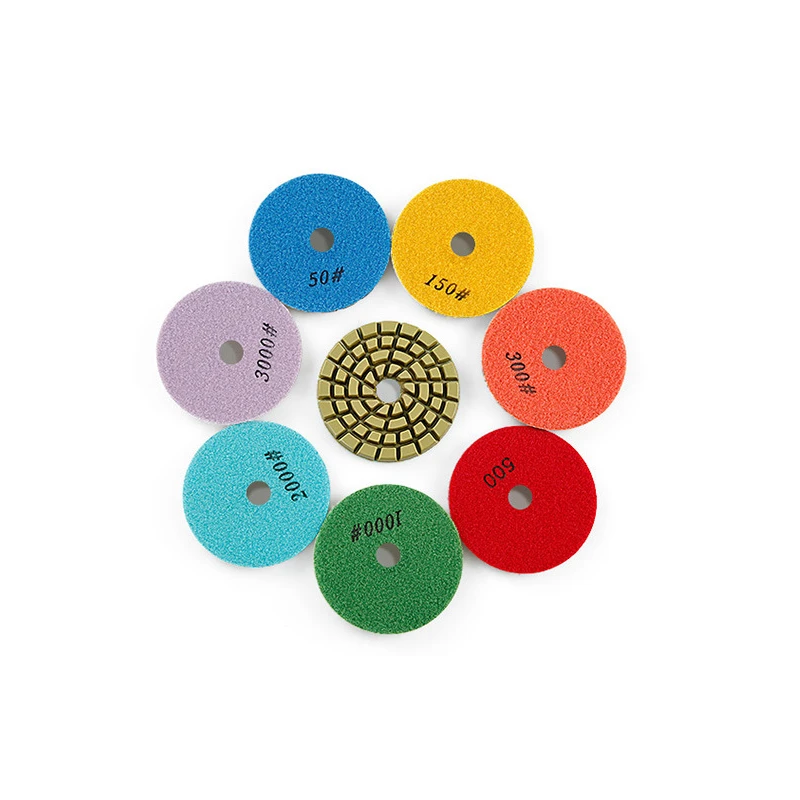
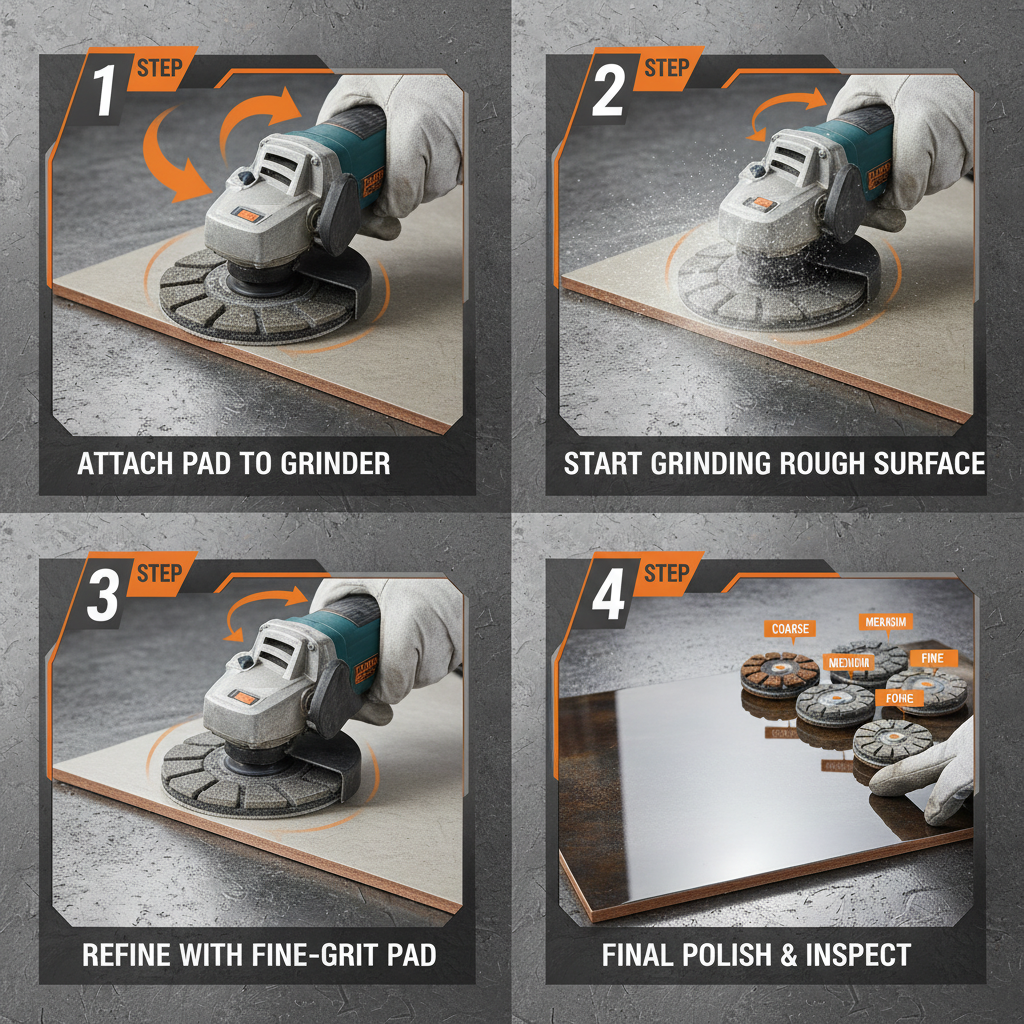
The grit number on a marble sanding pad indicates its abrasiveness. Lower grit numbers (e.g., 50, 100) are coarser and used for removing scratches, leveling surfaces, and initial grinding. As you progress, you'll move to higher grit numbers (e.g., 400, 800, 1500, 3000) for refining the surface and achieving a polished sheen. Starting with too coarse a grit can cause deep scratches that are difficult to remove. A systematic progression through the grits is essential for a professional result.
Grit Progression:
• 50-100 Grit: Initial grinding, scratch removal
• 200-400 Grit: Leveling and smoothing
• 800-1500 Grit: Refining the surface
• 3000+ Grit: Polishing to a high sheen
Dry vs. Wet Marble Sanding Pads: Which to Choose?
Both dry and wet marble sanding pads have their advantages. Wet sanding, typically using resin-bonded pads, offers several benefits: it reduces dust, keeps the pad cooler (preventing glaze buildup), and produces a smoother finish. Dry sanding, often with ceramic pads, is faster but generates more dust and requires a dust collection system. For most marble projects, wet sanding is preferred due to the superior finish and reduced health risks associated with dust inhalation.
Maximizing the Lifespan of Your Marble Sanding Pads
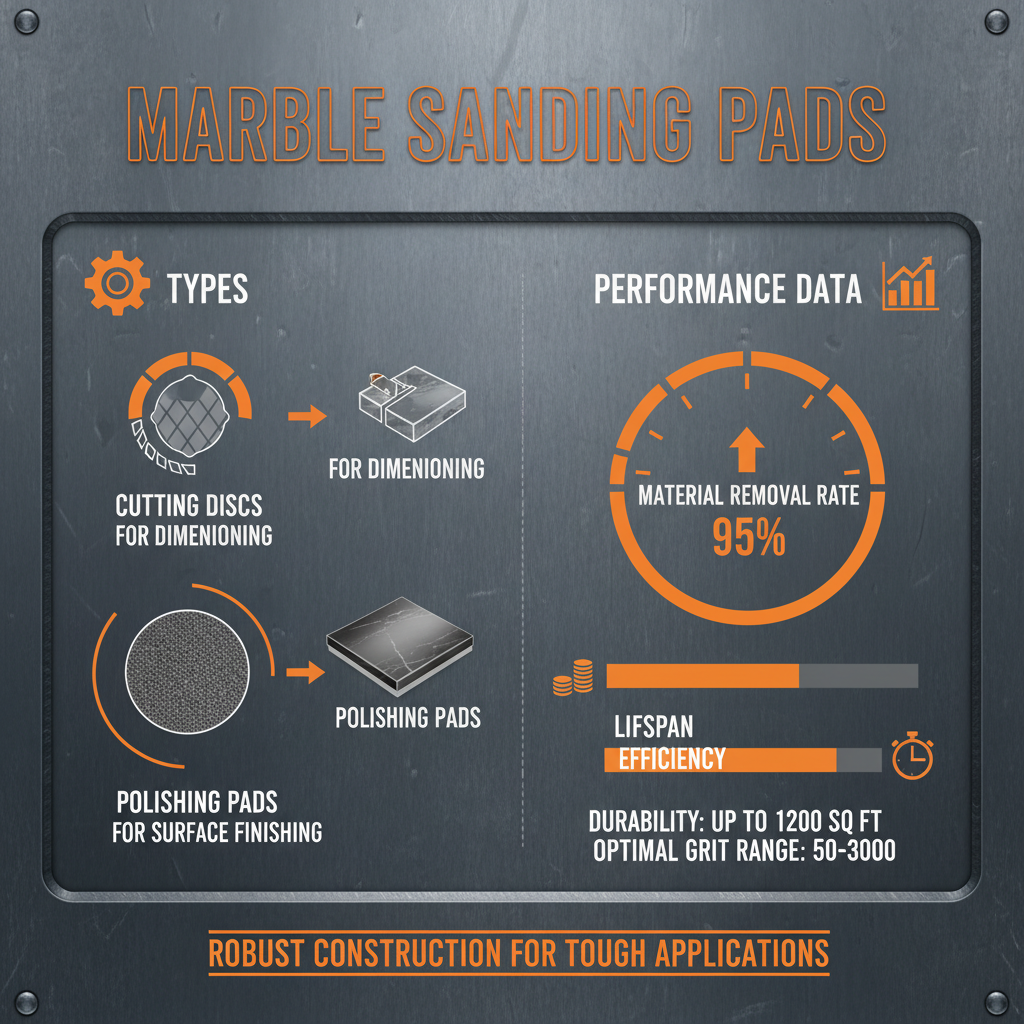
Marble sanding pads, even high-quality diamond pads, wear down over time. To maximize their lifespan, keep the surface and the pad consistently wet during wet sanding. Avoid applying excessive pressure, as this accelerates wear. Regularly clean the pads with a pad cleaning stick to remove marble slurry and prevent clogging. Store pads properly, away from direct sunlight and extreme temperatures. MyDiamondBlade.com offers a range of pad cleaning and storage solutions.
Choosing Quality Marble Sanding Pads: A Worthwhile Investment
Investing in high-quality marble sanding pads from a reputable supplier like MyDiamondBlade.com is crucial. Cheaper pads may wear out quickly, produce inferior results, and potentially damage the marble. Premium pads offer superior cutting power, longevity, and a consistent finish, saving you time and money in the long run. Look for pads with a high diamond concentration and a well-bonded matrix.
Conclusion: Achieve a Professional Marble Finish
Selecting the right marble sanding pads is a critical step in achieving a flawless finish. By understanding the different types, grit progressions, and proper techniques, you can ensure a smooth, polished surface that will last for years. Don't compromise on quality – choose MyDiamondBlade.com for superior performance and reliability.
Frequently Asked Questions (FAQs)
How often should I replace my marble sanding pads?
The lifespan of marble sanding pads depends on several factors, including the type of marble, the intensity of use, and the quality of the pad. Generally, you should replace pads when you notice a significant decrease in cutting speed or a change in the surface finish. Inspect pads regularly for wear and tear. Diamond pads will gradually lose their abrasive qualities, while resin-bonded pads can become clogged or damaged. A good rule of thumb is to replace pads after completing a major project or when they no longer produce the desired results. Investing in high-quality pads from MyDiamondBlade.com can extend their lifespan, but eventual replacement is inevitable.
What is the best way to clean marble sanding pads?
Regular cleaning is essential for maintaining the performance of marble sanding pads. Use a pad cleaning stick to remove marble slurry and debris from the pad surface. This prevents clogging and ensures optimal cutting efficiency. For resin-bonded pads, a soft brush and clean water can also be used. Avoid using harsh chemicals or solvents, as these can damage the pad. Thorough cleaning after each use will significantly extend the lifespan of your pads.
Can I use marble sanding pads on other stone types?
While some marble sanding pads can be used on other natural stones like granite or travertine, it's not always recommended. Different stones have varying hardness levels, and using the wrong pad can result in poor performance or damage to the surface. Granite, for example, is harder than marble and requires more aggressive pads. Always check the pad manufacturer's recommendations to ensure compatibility with the stone you're working with. Using a pad specifically designed for the stone type will yield the best results.
What safety precautions should I take when using marble sanding pads?
Safety is paramount when working with marble sanding pads. Always wear appropriate personal protective equipment (PPE), including safety glasses, a dust mask or respirator (especially when dry sanding), and gloves. Ensure adequate ventilation in the work area to minimize dust inhalation. If using a wet sanding setup, be mindful of electrical safety and avoid contact between water and electrical equipment. Follow all safety guidelines provided by the pad manufacturer.
Related Products


Related Products






Address
No.30 Gaoying Road ,Chang'an District,Shijiazhuang,Hebei Province
Business Hours
Mon to Saturday : 8.00 am - 7.00 pm
Sunday & Holidays : Closed
.png )