
Comprehensive Guide to Concrete Sanding Pads – Uses, Benefits & Trends
Concrete Sanding Pads: What They Are & Why They Matter Globally
Concrete sanding pads might sound like a niche tool strictly for the construction industry, but in reality, they play an essential role worldwide—across sectors from urban development to disaster relief. These pads are fundamental for preparing and finishing concrete surfaces, ensuring durability and safety in the structures we build and rely on every day.
Understanding concrete sanding pads goes beyond just knowing how to smooth a floor. Globally, their use ensures high-quality finishes that improve the longevity of concrete infrastructure while reducing hazards. As cities grow and infrastructure ages, effective sanding technology helps extend the lifespan of concrete surfaces, which can be vital in regions facing limited resources or extreme weather conditions.
Mini Takeaway: Concrete sanding pads are quiet champions in modern construction, improving surface quality and supporting global infrastructure resilience.
Global Relevance: A Growing Need for Concrete Sanding Pads
Concrete covers more than 10 trillion square meters globally according to recent ISO reports — that’s a lot of surfaces that need maintenance. The World Bank estimates that over 60% of this concrete infrastructure will require renovation or finishing work within the next two decades. This reality spotlights the global significance of sanding pads in maintaining safe, functional concrete surfaces.
In particular, post-disaster reconstruction efforts often depend on reliable tools to restore safe living and working environments. Concrete sanding pads become invaluable in these contexts by enabling fast, quality surface finishing of buildings and roads. Moreover, in industries where hygiene and non-slip surfaces matter—think hospitals or airports—concrete sanding pads help meet strict standards.
Mini Takeaway: Concrete sanding pads are critical for urban renewal and disaster response worldwide, tackling challenges of aging infrastructures and safety compliance.
What Exactly Are Concrete Sanding Pads?
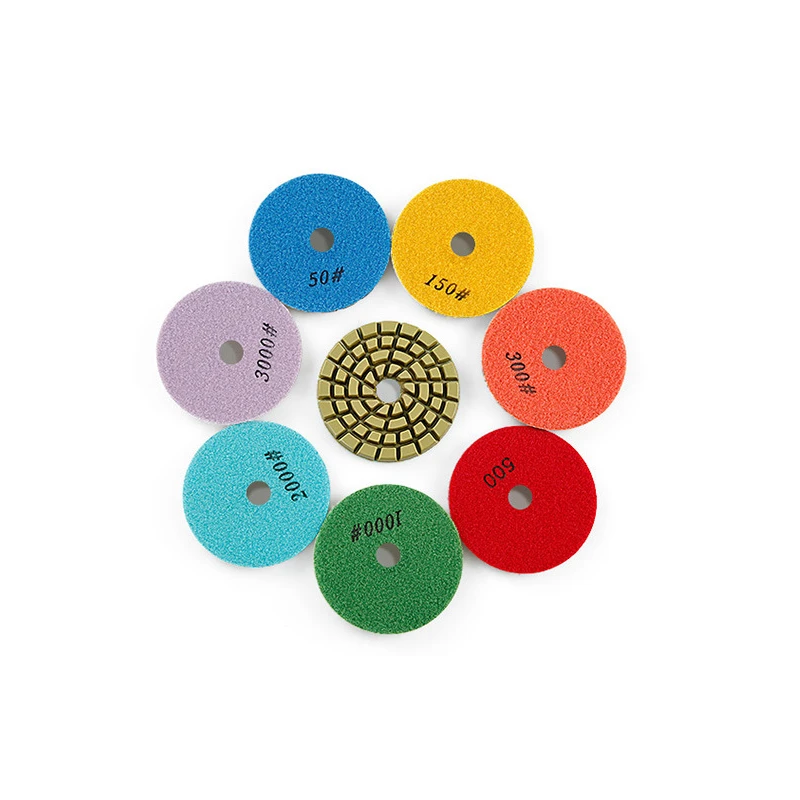
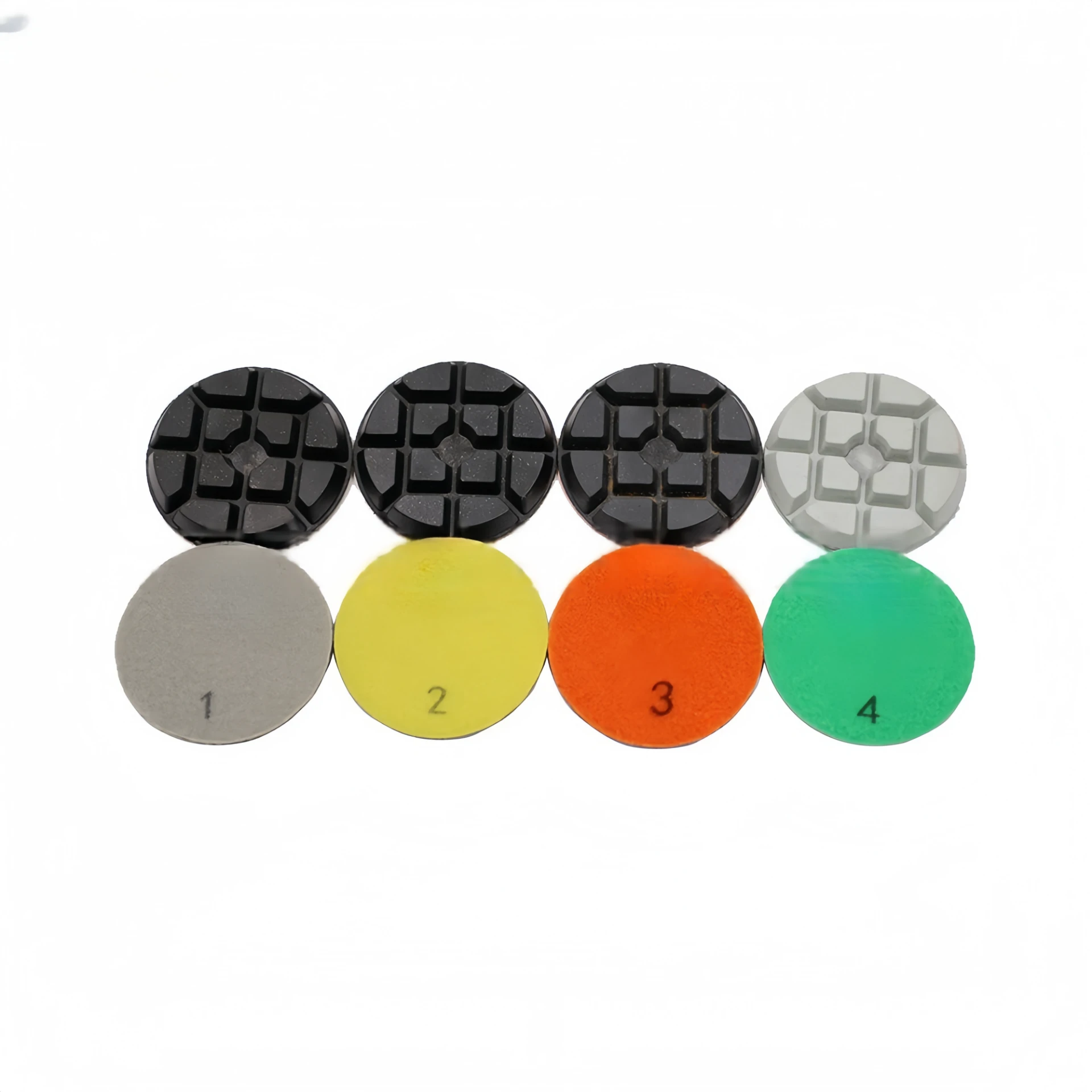
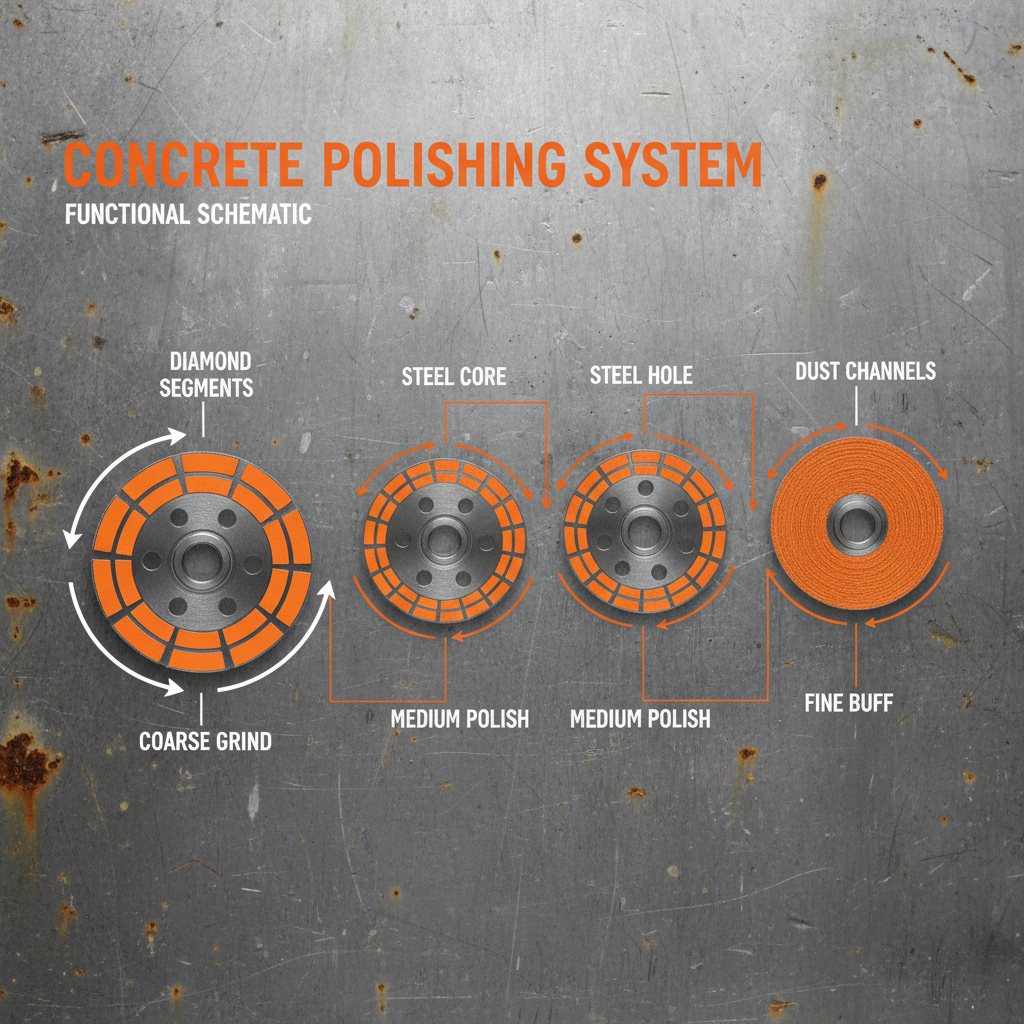
Concrete sanding pads are abrasive discs or blocks attached to power tools or hand sanders, designed specifically to smooth, level, and polish concrete surfaces. They usually consist of a backing plate embedded with abrasive materials such as diamond grits, silicon carbide, or aluminum oxide. The choice of grit and material depends on the job—whether you need to remove surface imperfections, polish to a shine, or prepare for subsequent coatings.
In simple terms, these pads are the “sandpaper of the concrete world,” rendering rough, uneven surfaces into functional, often decorative finishes. They connect deeply with modern construction and humanitarian work alike by enabling the maintenance and usability of critical infrastructure.
Mini Takeaway: Concrete sanding pads are specialized abrasives essential for preparing and finishing concrete, balancing toughness with finesse.
Key Factors Affecting Concrete Sanding Pad Effectiveness
Durability
Concrete surfaces are tough — and so must be the tools used to finish them. Pads made with high-quality diamond grits last longer, reducing downtime and replacement costs. Durable pads perform consistently on rough surfaces, making them indispensable on large-scale projects.
Grit Variety
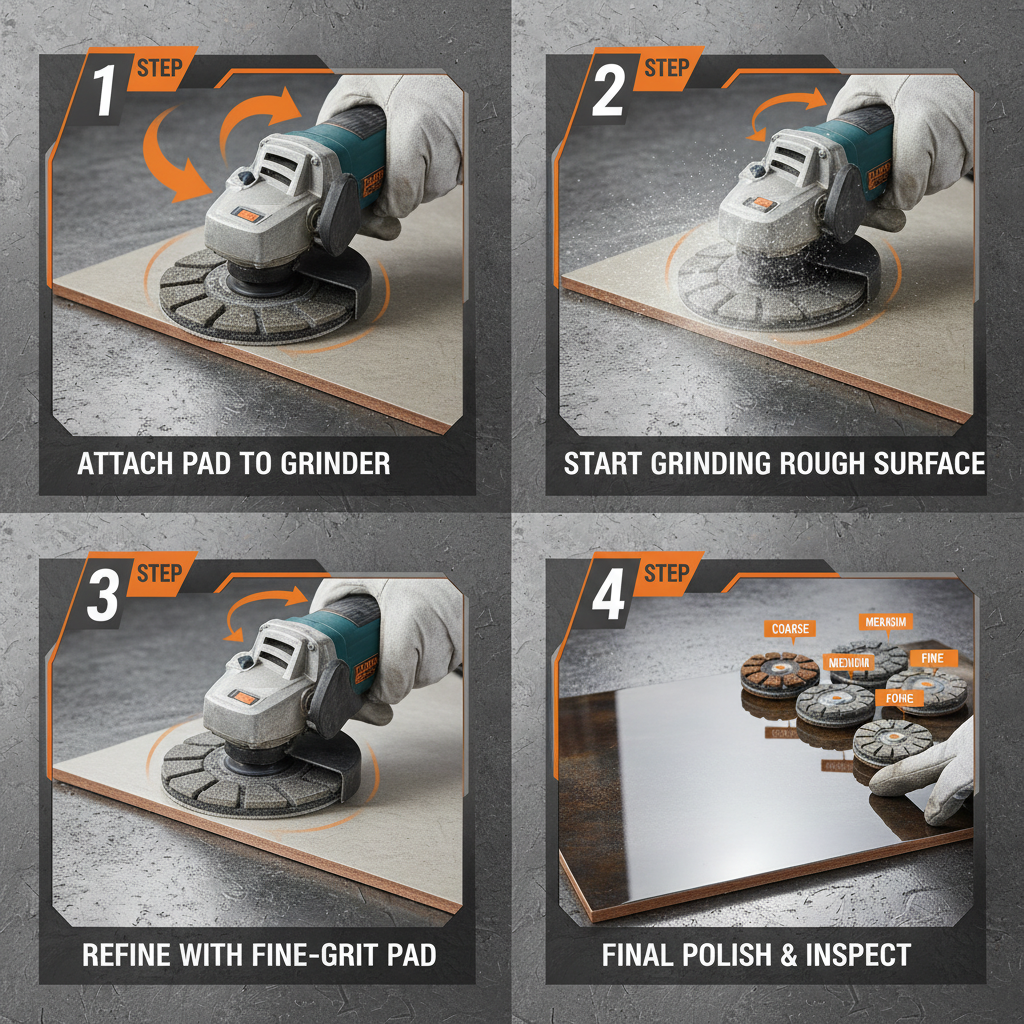
The grit size—from coarse to ultra-fine—determines how aggressive the sanding is. Coarse grits remove substantial material like old paint or glue, while fine grits polish for a smooth finish. Selecting the right grit optimizes efficiency and surface quality.
Compatibility & Scalability
Sanding pads must fit a broad range of tools and projects—from handheld sanders to large floor polishing machines. Vendors offering adaptable or modular designs tend to be favored in industrial and commercial sectors.
Cost Efficiency
A pad that wears out too fast ends up costing more even if initially cheaper. Balanced pricing combined with reliable performance is the sweet spot—especially important for contractors managing multiple projects simultaneously.
Sustainability
Oddly enough, concrete sanding pads have an environmental footprint, mostly related to abrasive materials and production processes. Manufacturers investing in recycled materials or extended-life pads contribute to greener construction practices.
Mini Takeaway: Durability, grit size, tool compatibility, cost, and sustainability are all vital in choosing the right concrete sanding pads for your needs.
Real World Uses: Concrete Sanding Pads in Action
- Urban Infrastructure Maintenance: Cities like Tokyo and New York rely on these pads to keep sidewalks, plazas, and subway platforms safe and smooth.
- Post-Disaster Reconstruction: After earthquakes or floods, NGOs use sanding pads to help smooth concrete walls and floors rapidly, ensuring safe rehousing.
- Industrial Facility Upkeep: Factories and warehouses use pads to maintain concrete floors that endure heavy machinery traffic.
- Residential Renovation: Homeowners and contractors polish and prep concrete for decorative terrazzo or epoxy coatings.
For specific product needs, you might want to explore trusted brands or visit a trusted source like concrete sanding pads suppliers who can guide you on the best match.
Mini Takeaway: From hospitals to highways, concrete sanding pads are indispensable tools globally, enhancing function and safety in diverse environments.
Advantages & Long-Term Benefits
Using high-quality concrete sanding pads offers more than smoother surfaces. Logically, better finishes enhance longevity — reducing crack risks and costly repairs. Emotionally, they contribute to safer environments, avoiding slip hazards and trip points.
Additionally, sustainable pad designs reduce waste, align with organizations’ environmental goals, and even contribute to social trust by reducing downtime and improving worker safety.
Product Specification Table
| Spec | Description | Benefit |
|---|---|---|
| Abrasive Type | Diamond, Silicon Carbide, Aluminum Oxide | Versatile for different concrete hardness and finishes |
| Grit Range | 30 to 4000 grit | Allows grading from aggressive grinding to ultra-smooth polishing |
| Backing Material | Velcro, Hook & Loop, Magnetic | Easy pad attachment and replacement during jobs |
| Diameter | 3 inch to 7 inch | Fits various grinder sizes and surfaces |
Vendor Comparison Table
| Vendor | Durability | Range of Grits | Price Range | Eco-Friendly Options |
|---|---|---|---|---|
| DiamondPro Tools | High (Carbon-bond diamond) | 30–3000 grit | $$$ | Yes |
| EcoAbrade Solutions | Medium (Recycled materials used) | 60–1500 grit | $$ | Strong focus |
| BuildMaster Inc. | Standard | 80–1200 grit | $ | Limited |
Looking Ahead: Innovations & Future Trends
The concrete industry is moving toward smarter, greener tools, and sanding pads are no exception. Advances in nano-material abrasives mean pads will soon be more efficient at lower speeds, reducing dust and noise pollution on sites—a win for worker safety.
Additionally, automation integration through robotic polishers uses smart pads embedded with sensors to monitor wear and sanding pressure in real time, cutting costs and mistakes. Sustainability also drives demand for biodegradable or highly-recyclable pads, minimizing construction waste.
Mini Takeaway: The next decade promises smarter, eco-conscious concrete sanding pads that blend technology with sustainability.
Challenges & How Experts Suggest Overcoming Them
Concrete sanding pads face certain hurdles like dust generation, uneven wear, or quick degradation on tough surfaces. Experts recommend using dust extraction tools combined with proper pad selection to maintain both operator health and pad lifespan.
Moreover, training operators on proper machine speed and pressure can drastically improve results and extend pad life, turning what seems like a simple tool into a precision instrument.
FAQ: Your Questions on Concrete Sanding Pads, Answered
- Q1: How do I choose the right grit for my concrete project?
- A: For rough removal like paint or adhesives, start with coarse grits (30-60). For smoothing or polishing, use finer grits (150–3000). It often helps to test on a small patch first to balance finish and efficiency.
- Q2: Can concrete sanding pads be reused multiple times?
- A: High-quality pads, especially diamond-based ones, can last through several uses if properly maintained. Cleaning dust and debris after each use and avoiding overheating extends their life.
- Q3: Are there environmentally friendly concrete sanding pads?
- A: Yes, some manufacturers now offer pads made with recycled materials or designs that reduce waste. These are ideal if sustainability is a priority on your job site.
- Q4: What safety precautions should I take when using sanding pads?
- A: Always wear dust masks, eye protection, and hearing protection. Use proper dust extraction systems to minimize airborne particles, and ensure the power tools are compatible with the pads.
- Q5: Where can I buy reliable concrete sanding pads?
- A: Trusted suppliers like mydiamondblade.com offer a wide range of high-quality pads suited for different projects.
Conclusion: Smoother Surfaces, Stronger Infrastructure
In the grand scheme, concrete sanding pads might not get spotlighted often, but they are absolutely essential for construction quality and infrastructure longevity worldwide. Their role bridges functional durability, safety, and even sustainability. Whether you’re a contractor, an NGO worker rebuilding after disaster, or just curious about construction tech, understanding concrete sanding pads helps appreciate a tool that—and I suppose many of us—take for granted.
For those ready to explore or upgrade your sanding gear, visit https://www.mydiamondblade.com — it’s a great place to start.
It feels a bit like appreciating the quiet craftspeople behind the scenes—because, frankly, smooth concrete makes life steadier and safer for everyone.
References
Related Products


Related Products







Address
No.30 Gaoying Road ,Chang'an District,Shijiazhuang,Hebei Province
Business Hours
Mon to Saturday : 8.00 am - 7.00 pm
Sunday & Holidays : Closed
.png )