Comprehensive Guide to Selecting the Right Buffing Machine Pads for Optimal Results
Choosing the Right Buffing Machine Pads: A Comprehensive Guide
Achieving a flawless finish in automotive detailing, metal polishing, or composite work heavily relies on the quality of your buffing machine pads. With a vast selection available, understanding the different types, materials, and applications is crucial for optimal results. This guide provides a detailed overview of buffing machine pads, helping you select the perfect pads for your specific needs. From foam to microfiber and wool, we'll cover everything you need to know to elevate your polishing game and achieve a show-stopping shine.
Understanding Buffing Pad Materials
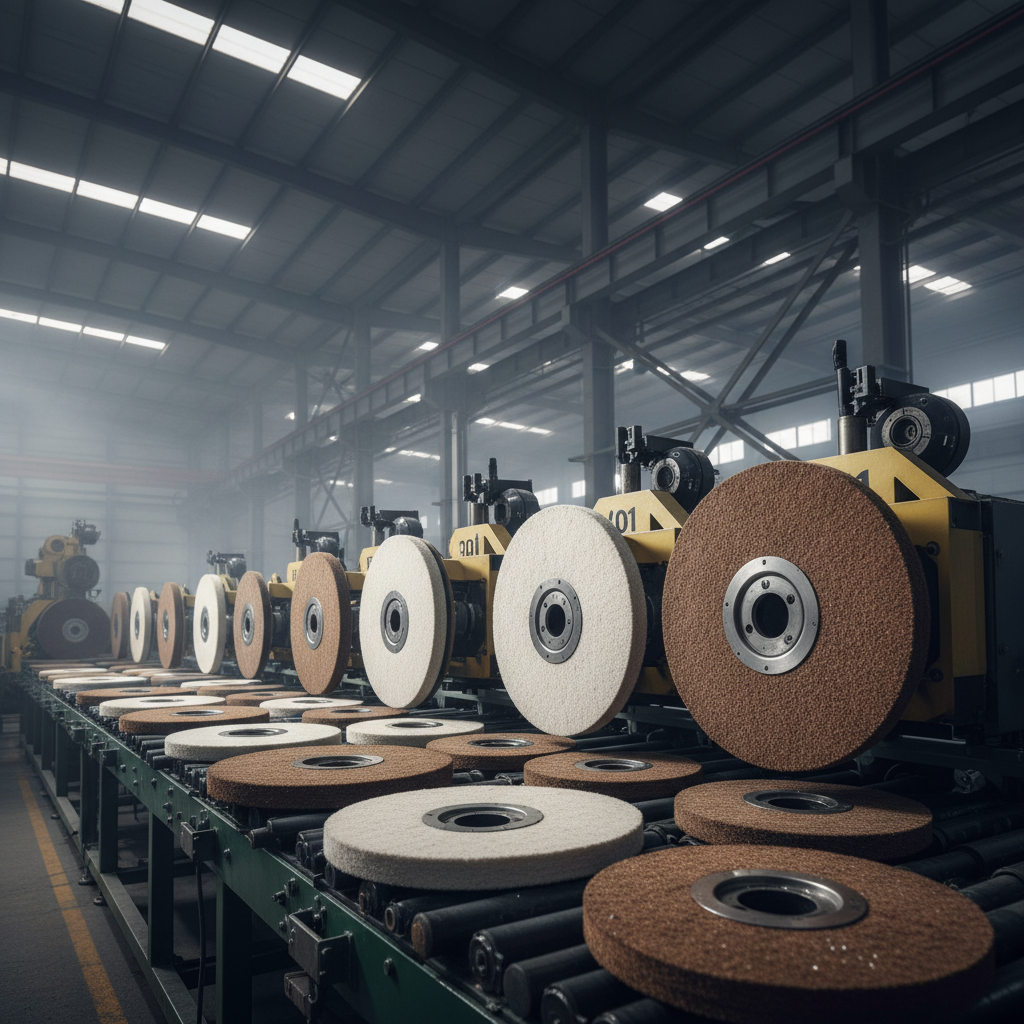
Buffing pads come in several material types, each offering unique characteristics suited for different polishing stages and surfaces. The most common materials include foam, microfiber, and wool. Foam pads are versatile and ideal for applying polishes, compounds, and waxes. They are available in various densities, from soft for finishing to firm for cutting. Microfiber pads offer a balance between cutting and polishing and are excellent for removing swirl marks and light imperfections. Wool pads are the most aggressive option, used for heavy-duty cutting and removing deep scratches. Selecting the right material is the first step toward achieving a professional finish.
Key Highlights: Selecting the correct buffing pad material depends on the severity of the imperfections you're addressing and the type of finish you're aiming for.
Types of Buffing Machine Pads and Their Applications
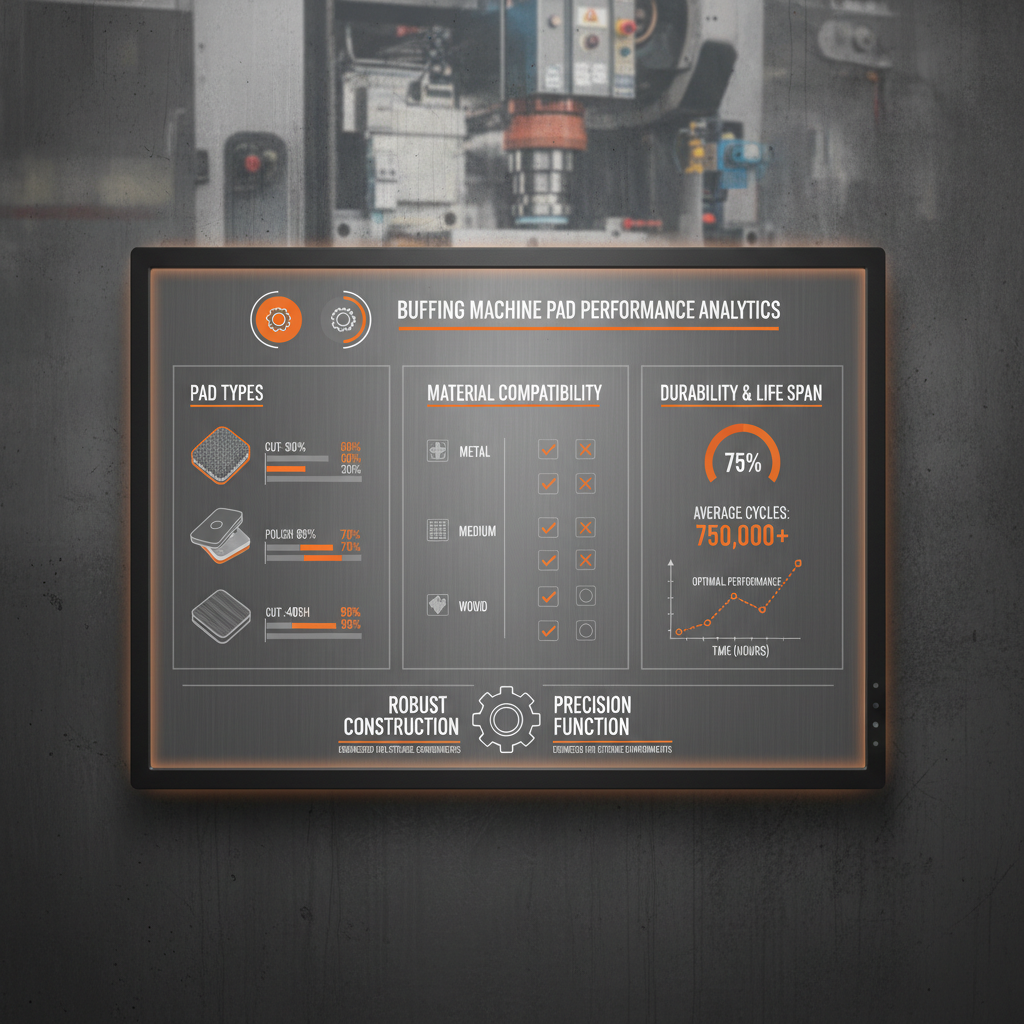
Beyond the material, buffing pads are further categorized by their cut level: cutting, polishing, and finishing. Cutting pads, typically made of wool or firm foam, are designed to aggressively remove paint defects like scratches and oxidation. Polishing pads, usually medium-density foam or microfiber, refine the surface after cutting, removing swirl marks and haze. Finishing pads, made of soft foam, apply waxes, sealants, and glazes to enhance gloss and protection. Using the correct pad sequence – cutting, polishing, then finishing – is essential for a flawless result.
Pad Type Breakdown:
• Cutting Pads: Aggressive defect removal.
• Polishing Pads: Swirl mark and haze removal.
• Finishing Pads: Wax, sealant, and glaze application.
Foam vs. Microfiber vs. Wool Pads: A Detailed Comparison
Choosing between foam, microfiber, and wool can be tricky. Here's a breakdown to help you decide. Wool pads are the most aggressive and generate the most heat, making them ideal for quickly removing severe defects. However, they can also cause holograms (swirl marks) if not used carefully. Microfiber pads offer a good balance – they cut well but produce less heat than wool. Foam pads are the least aggressive, providing excellent control and a high-quality finish. They're perfect for applying polishes and waxes. Consider the paint hardness and the severity of the defects when making your selection.
Pad Maintenance and Longevity
Proper maintenance is vital for maximizing the lifespan of your buffing machine pads. After each use, remove compound or polish residue with a pad cleaning brush or a dedicated pad washer. Regularly clean pads prevent clogging and maintain their cutting performance. Avoid using harsh chemicals or solvents, as they can damage the pad material. Store pads in a clean, dry place away from direct sunlight and extreme temperatures. Replacing worn-out pads is essential for achieving consistent results and preventing damage to your paint.
Where to Buy High-Quality Buffing Pads
Investing in high-quality buffing pads from a reputable supplier is crucial. At My Diamond Blade, we offer a wide selection of buffing pads in various materials, sizes, and cut levels to meet your specific needs. We source our pads from trusted manufacturers known for their quality and durability. Explore our collection today and experience the difference!
Conclusion: Achieving the Perfect Finish
Choosing the right buffing machine pads is paramount for achieving professional-quality results. By understanding the different materials, cut levels, and maintenance requirements, you can select the perfect pads for your specific applications. At My Diamond Blade, we are dedicated to providing top-tier products and expert advice to help you achieve a flawless finish every time. Don't settle for less – invest in quality pads and experience the difference!
Frequently Asked Questions (FAQs)
How often should I replace my buffing pads?
The lifespan of buffing pads varies depending on usage and the type of material. Generally, foam pads should be replaced every 20-30 hours of use, microfiber pads every 15-20 hours, and wool pads every 10-15 hours. However, if you notice the pad becoming clogged, uneven, or losing its cutting ability, it's time for a replacement. Ignoring worn-out pads can lead to swirl marks, scratches, and a poor finish. Regularly inspect your pads for signs of wear and tear.
Can I use the same pad for both cutting and polishing?
No, it's generally not recommended to use the same pad for both cutting and polishing. Cutting pads are more aggressive and can leave swirl marks if used for polishing. Polishing pads lack the cutting power needed to remove significant defects. Using the correct pad for each stage ensures optimal results and prevents damage to your paint. Always use a dedicated cutting pad followed by a dedicated polishing pad.
What speed should I use with my buffing pads?
The optimal speed depends on the pad material, the polishing compound, and the paint type. Generally, wool pads require lower speeds (1200-1800 RPM), microfiber pads medium speeds (1800-2500 RPM), and foam pads higher speeds (2500-3000 RPM). Always start with a lower speed and gradually increase it as needed. Excessive speed can generate too much heat and damage the paint. Refer to the manufacturer’s recommendations for your specific pad and compound.
How do I prevent holograms (swirl marks) when buffing?
Holograms are often caused by using an overly aggressive pad, excessive heat, or improper technique. To prevent holograms, use the least aggressive pad necessary for the job, work in a cool environment, and use moderate pressure. Always follow up with a refining polish and a soft finishing pad to remove any remaining imperfections. Regularly clean your pads to prevent compound buildup, which can contribute to holograms.
Related Products
Related Products




Address
No.30 Gaoying Road ,Chang'an District,Shijiazhuang,Hebei Province
Business Hours
Mon to Saturday : 8.00 am - 7.00 pm
Sunday & Holidays : Closed
.png )