Comprehensive Guide to Stone Buffing Pads for Polishing and Restoration
Stone Buffing Pads: A Comprehensive Guide
Achieving a flawless finish on stone surfaces requires the right tools, and stone buffing pads are essential for polishing, honing, and restoring a beautiful sheen. Whether you're a professional stone fabricator or a DIY enthusiast, understanding the different types of pads, their applications, and how to choose the right ones is crucial. This article will provide a detailed overview of stone buffing pads, covering everything from materials and grits to usage techniques and maintenance. Investing in quality stone buffing pads can dramatically improve the appearance and longevity of your stone surfaces.
Understanding the Different Types of Stone Buffing Pads
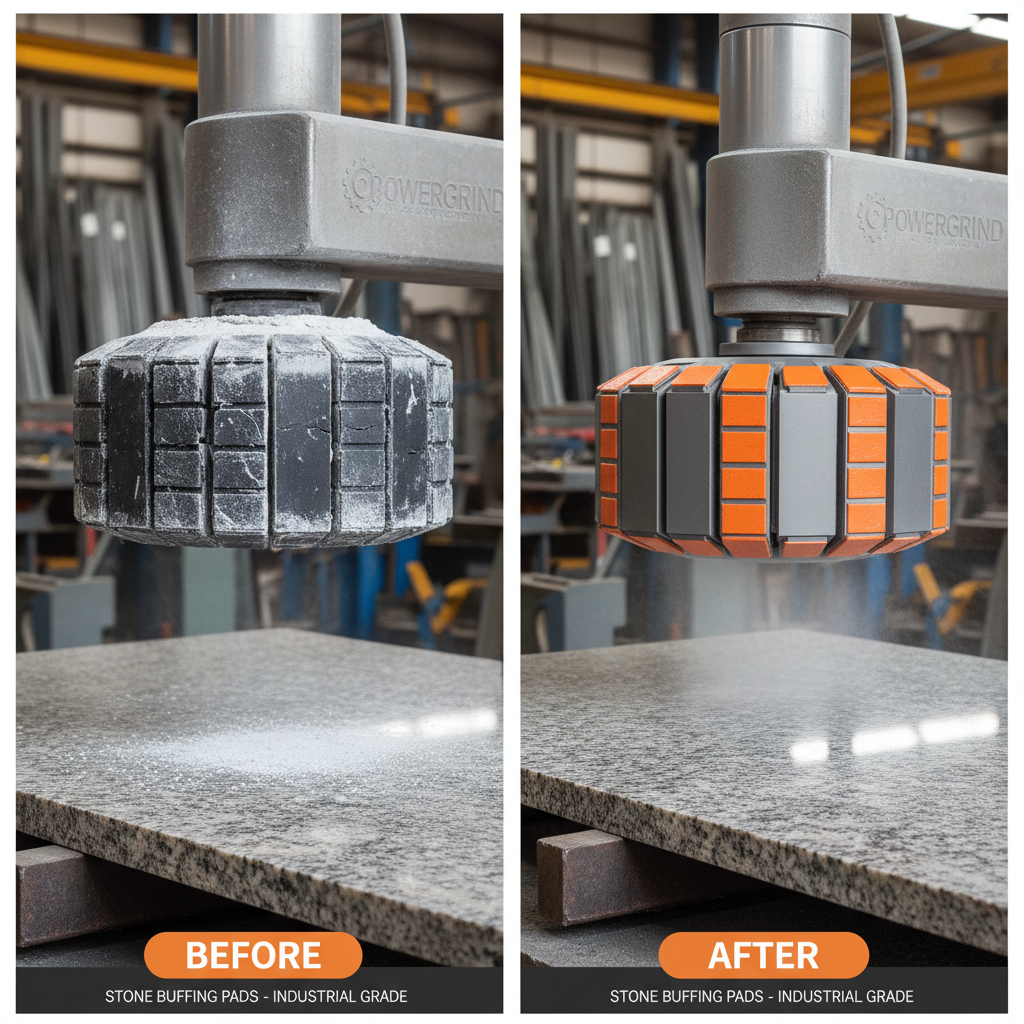
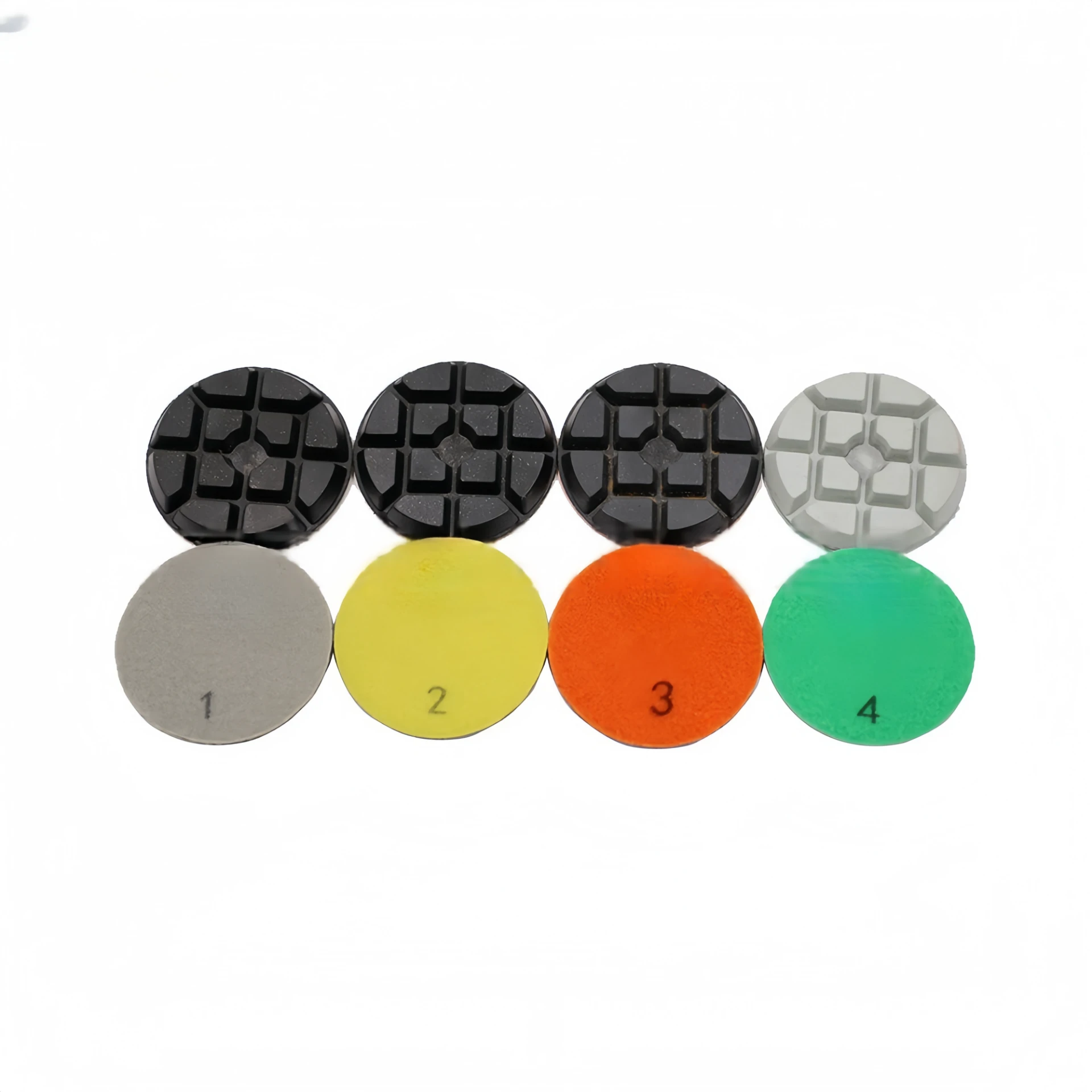
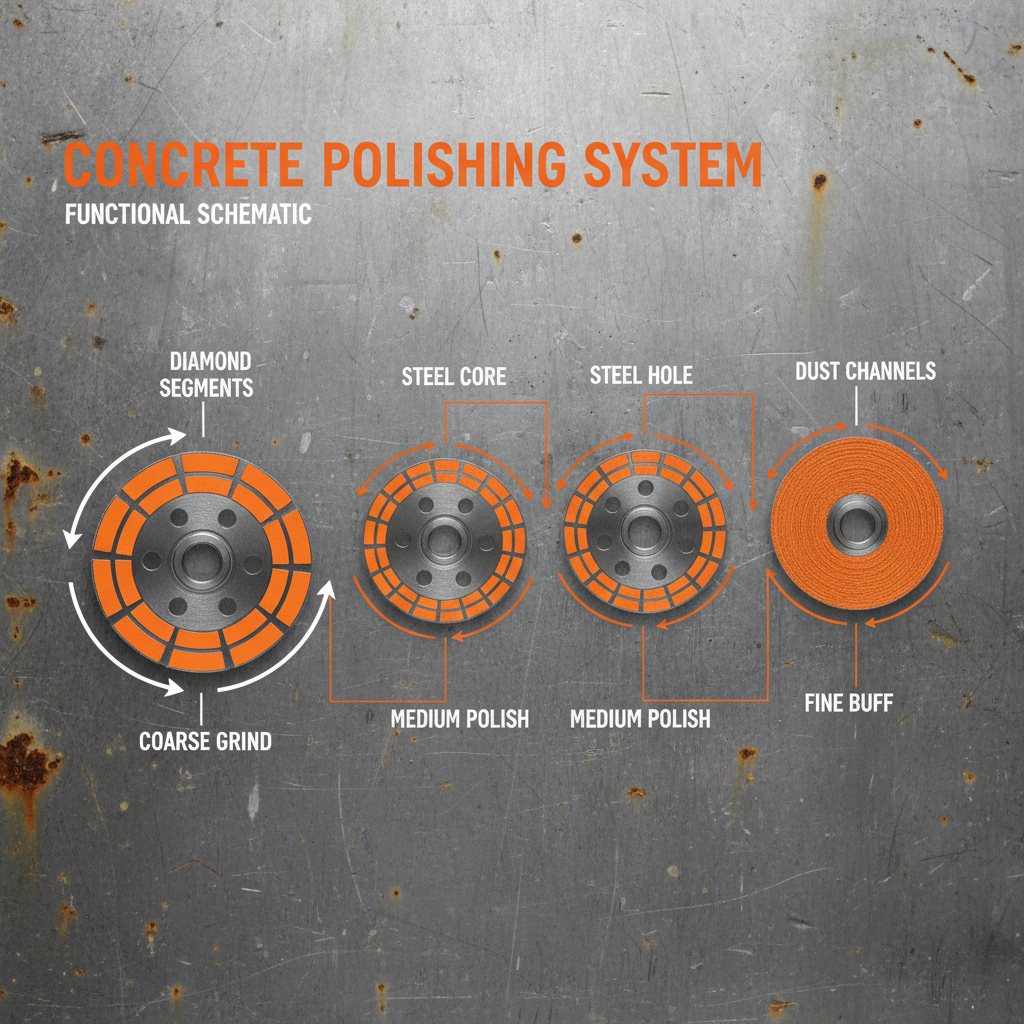
Stone buffing pads come in various materials, each offering unique properties for specific applications. Resin bonded pads are widely popular due to their versatility, durability, and ability to produce a high-gloss finish. Diamond abrasive pads offer aggressive material removal and are ideal for initial grinding and honing stages. Ceramic bonded pads are known for their consistent performance and are often used for color enhancing and polishing. The choice of pad material depends on the type of stone, the desired finish, and the level of correction needed. Utilizing the correct pad material alongside the appropriate buffing pad is key to achieving professional results.
Key Highlights: Resin, diamond, and ceramic bonded pads each offer unique strengths for different stone polishing applications. Choosing the right material is crucial for achieving the desired finish.
The Grit System: From Coarse to Polish
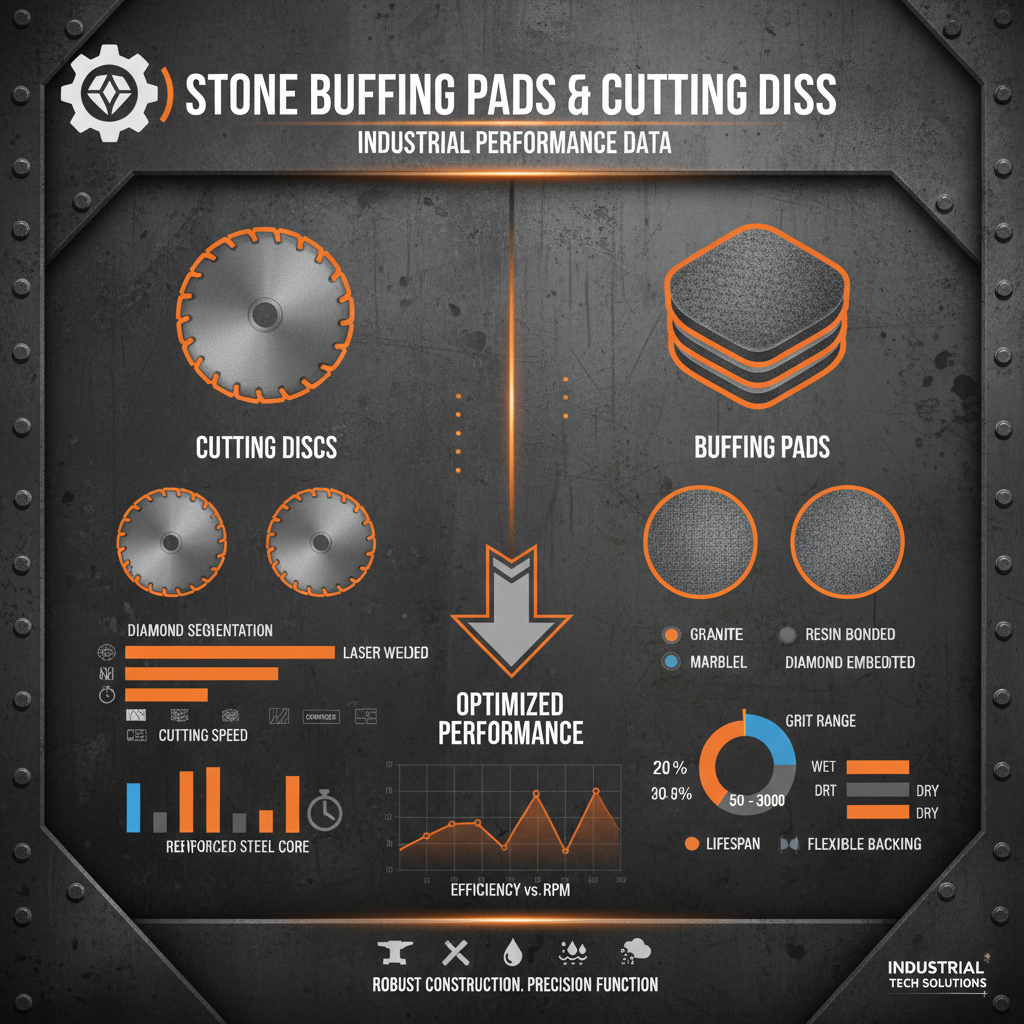
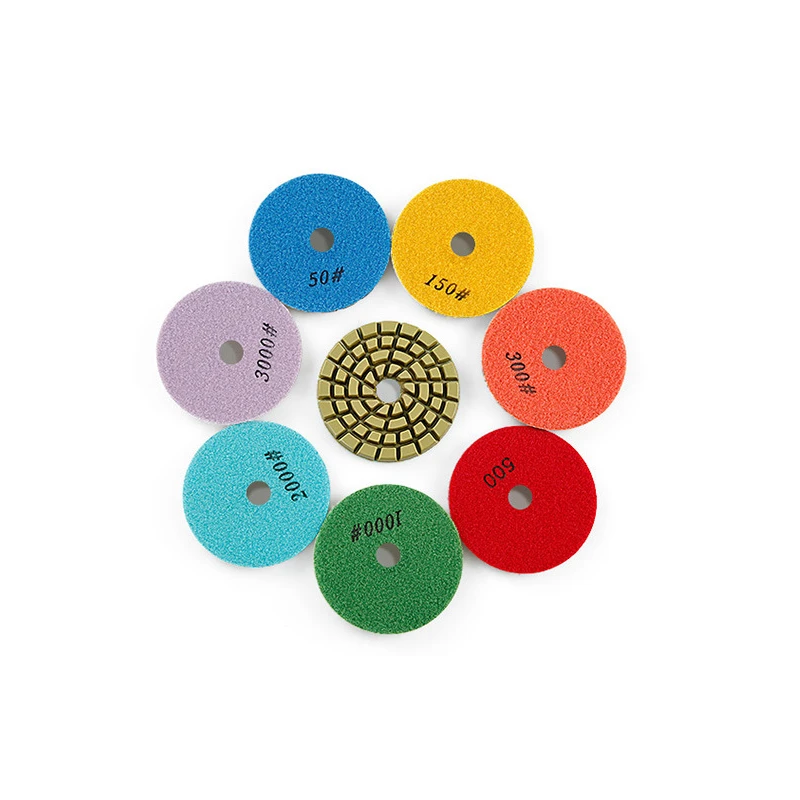
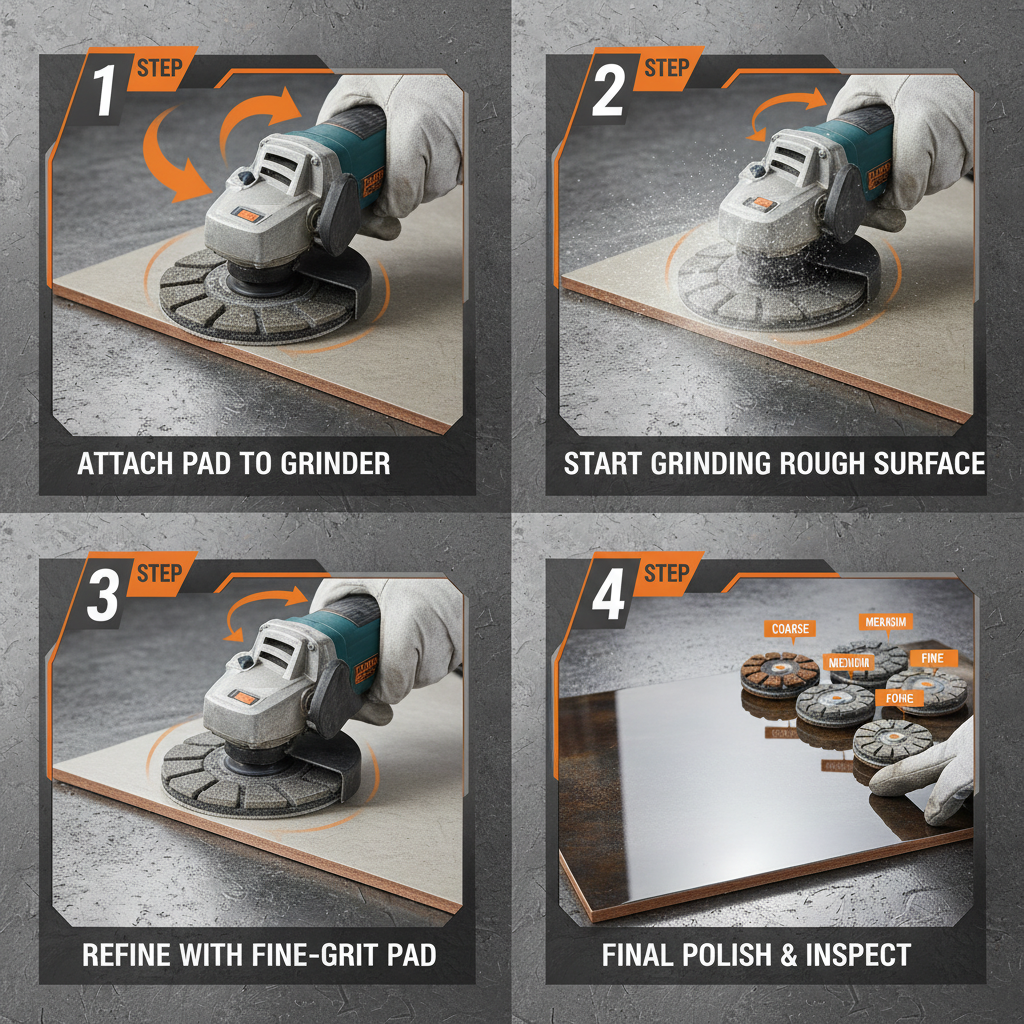
Stone buffing pads are categorized by grit, which indicates the size of the abrasive particles. Lower grit numbers (e.g., 30, 50, 100) are coarser and used for aggressive material removal, such as leveling uneven surfaces or removing deep scratches. As you progress through the grit sequence, the pads become finer (e.g., 200, 400, 800, 1500, 3000), gradually refining the surface and enhancing the polish. A typical polishing process involves starting with a coarse grit and working your way up to a very fine grit to achieve a mirror-like finish. Understanding the grit sequence and the purpose of each grit is essential for a successful polishing project. MyDiamondBlade.com offers a wide selection of grits to meet your specific needs.
Grit Selection Guide:
• 30-100 Grit: Aggressive material removal, leveling
• 200-400 Grit: Initial honing, scratch removal
• 800-1500 Grit: Intermediate polishing, refining surface
• 3000+ Grit: Final polish, achieving high gloss
Comparing Stone Buffing Pad Materials
Choosing the right material for your stone buffing pads can be daunting. Each material has its strengths and weaknesses. Resin pads are excellent for everyday polishing and creating a consistent, high-quality finish. Diamond pads are more aggressive, ideal for harder stones or when significant material removal is necessary. Ceramic pads provide a balanced approach, offering good material removal with a more consistent scratch pattern.
Proper Usage Techniques for Stone Buffing Pads
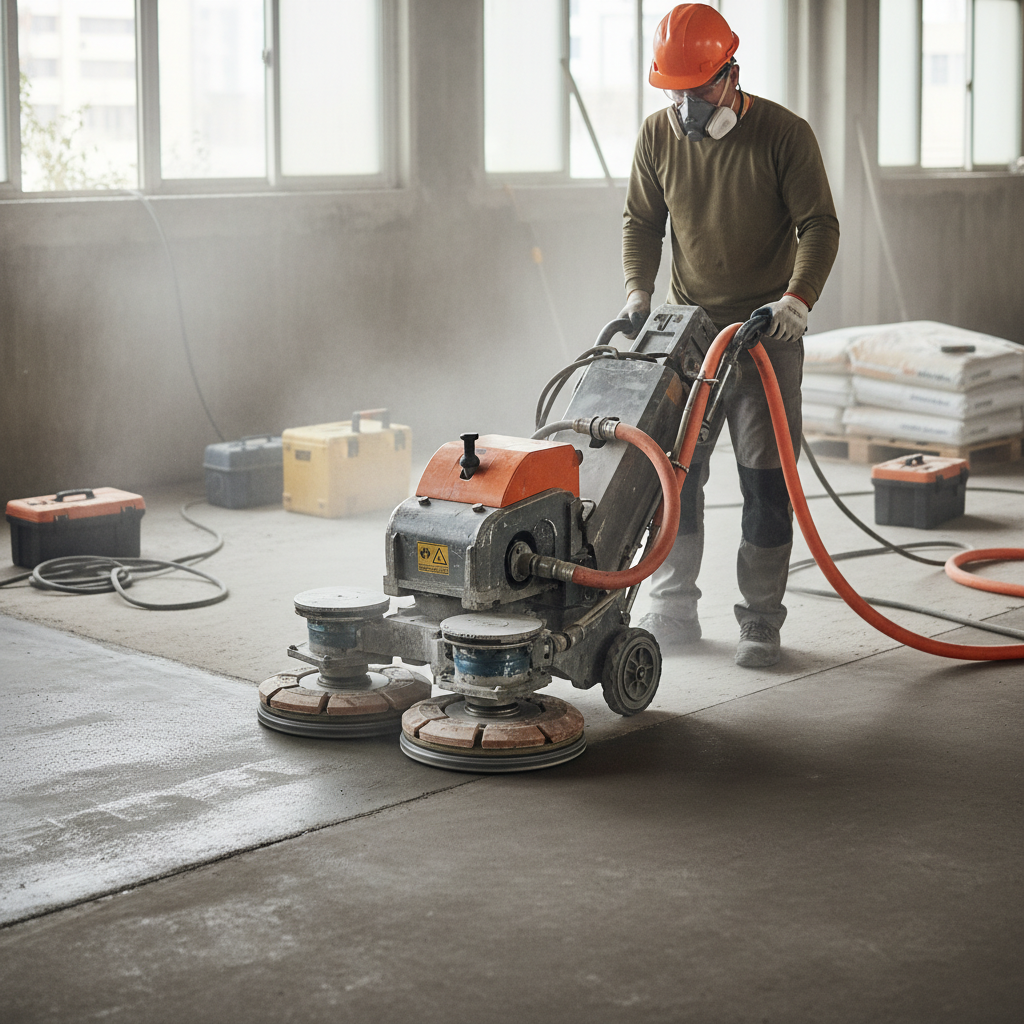
Effective use of stone buffing pads requires attention to detail. Always use a variable-speed polisher and start with a lower speed to avoid damaging the stone. Apply consistent, even pressure and move the polisher in a crosshatch pattern. Keep the pad lubricated with water to prevent overheating and extend its lifespan. Regularly inspect the pad for wear and tear and replace it when necessary. Following these techniques will ensure a smooth, consistent polish and maximize the performance of your stone buffing pads.
Maintaining Your Stone Buffing Pads
Proper maintenance is crucial for extending the life of your stone buffing pads. After each use, thoroughly clean the pads with a pad cleaning solution to remove stone slurry and debris. Allow the pads to air dry completely before storing them in a clean, dry environment. Avoid exposing the pads to harsh chemicals or extreme temperatures. Regularly inspect the pads for wear and tear and replace them when they become ineffective. Investing in proper maintenance will save you money in the long run and ensure consistently high-quality results. MyDiamondBlade.com offers a range of pad cleaning solutions and maintenance products.
Conclusion: Achieving a Stunning Finish with the Right Stone Buffing Pads
Selecting and utilizing the correct stone buffing pads is essential for achieving professional-quality results. By understanding the different materials, grit sequences, and proper usage techniques, you can effectively polish, hone, and restore a beautiful shine to your stone surfaces. Invest in quality pads and prioritize maintenance to maximize their lifespan and ensure long-lasting performance. Don't settle for anything less than a flawless finish – choose the right stone buffing pads for your project.
Frequently Asked Questions (FAQs)
How often should I replace my stone buffing pads?
The lifespan of stone buffing pads varies depending on usage, stone hardness, and pad quality. Generally, resin pads should be replaced when they lose their abrasive quality or become worn. Diamond pads may last longer but should be replaced when they become glazed or ineffective. Regularly inspect the pads for damage, such as cracks or uneven wear. As a general guideline, replace pads after completing a large project or when you notice a decrease in polishing performance. MyDiamondBlade.com can help you choose the right replacement pads for your needs.
Can I use stone buffing pads on all types of stone?
While stone buffing pads can be used on a wide range of natural stones, including granite, marble, limestone, and travertine, it’s essential to choose the right pad material and grit for the specific stone type. Softer stones, like marble, require more gentle pads and lower speeds to avoid scratching. Harder stones, like granite, can withstand more aggressive pads and higher speeds. Always test the pads in an inconspicuous area first to ensure compatibility and avoid damage.
What is the best way to clean stone buffing pads?
The best way to clean stone buffing pads is to use a dedicated pad cleaning solution specifically designed for removing stone slurry and debris. After each use, spray the pad with the cleaning solution and allow it to soak for a few minutes. Then, use a brush or sponge to scrub away any remaining residue. Rinse the pad thoroughly with water and allow it to air dry completely before storing it. Avoid using harsh chemicals or abrasive cleaners, as these can damage the pad.
Related Products
Related Products





Address
No.30 Gaoying Road ,Chang'an District,Shijiazhuang,Hebei Province
Business Hours
Mon to Saturday : 8.00 am - 7.00 pm
Sunday & Holidays : Closed
.png )