Diamond Hand Polishing Pads – Industrial-Grade Abrasive Polishing Tools
Diamond Hand Polishing Pads: Why They’re Essential in Industrial Finishing
Having spent years on fabrication floors and polishing benches, I’ve come to appreciate the subtle but crucial difference diamond hand polishing pads make in finishing surfaces, especially in stone, concrete, and even some metals. It feels like these pads operate in this sweet spot between aggressive cutting and ultra-fine smoothing—sort of the unsung heroes of finishing work.
In real terms, diamond hand polishing pads are abrasive tools embedded with synthetic industrial diamonds. Diamonds, you know, are incredibly hard but what makes these pads stand out is their ability to polish with finesse rather than just grind. Over time, I’ve noticed how much more consistent and efficient the workflow is when the right pad is in hand, especially compared to older abrasive methods.
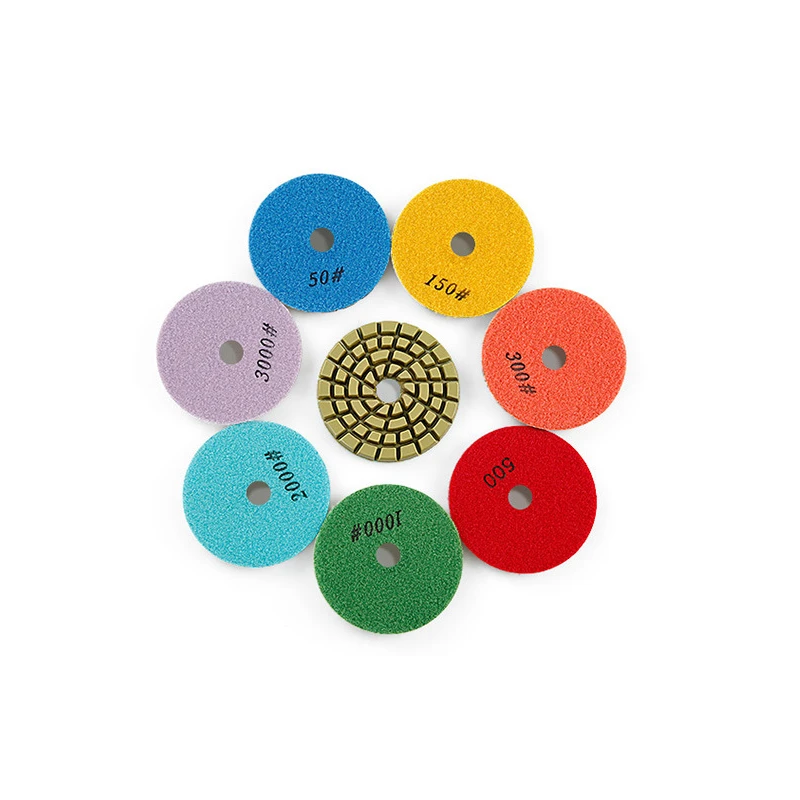
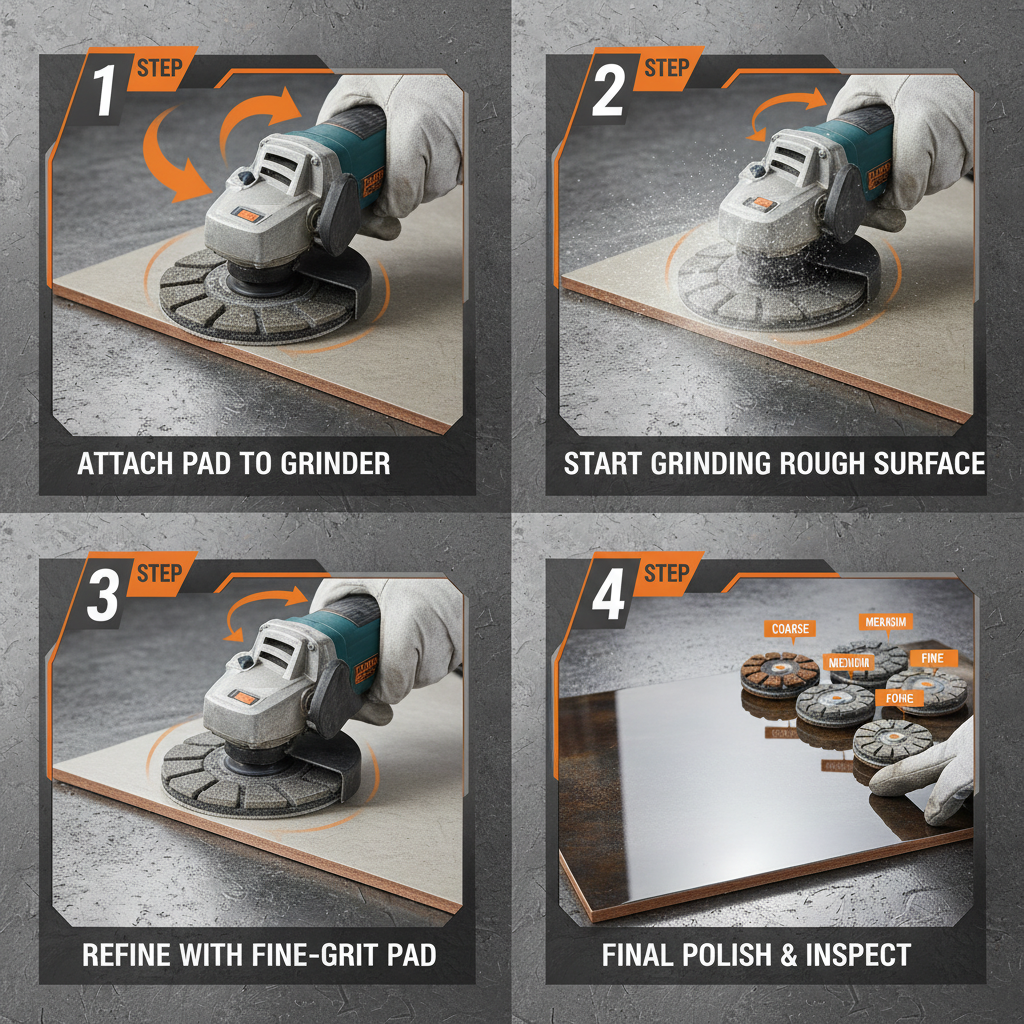
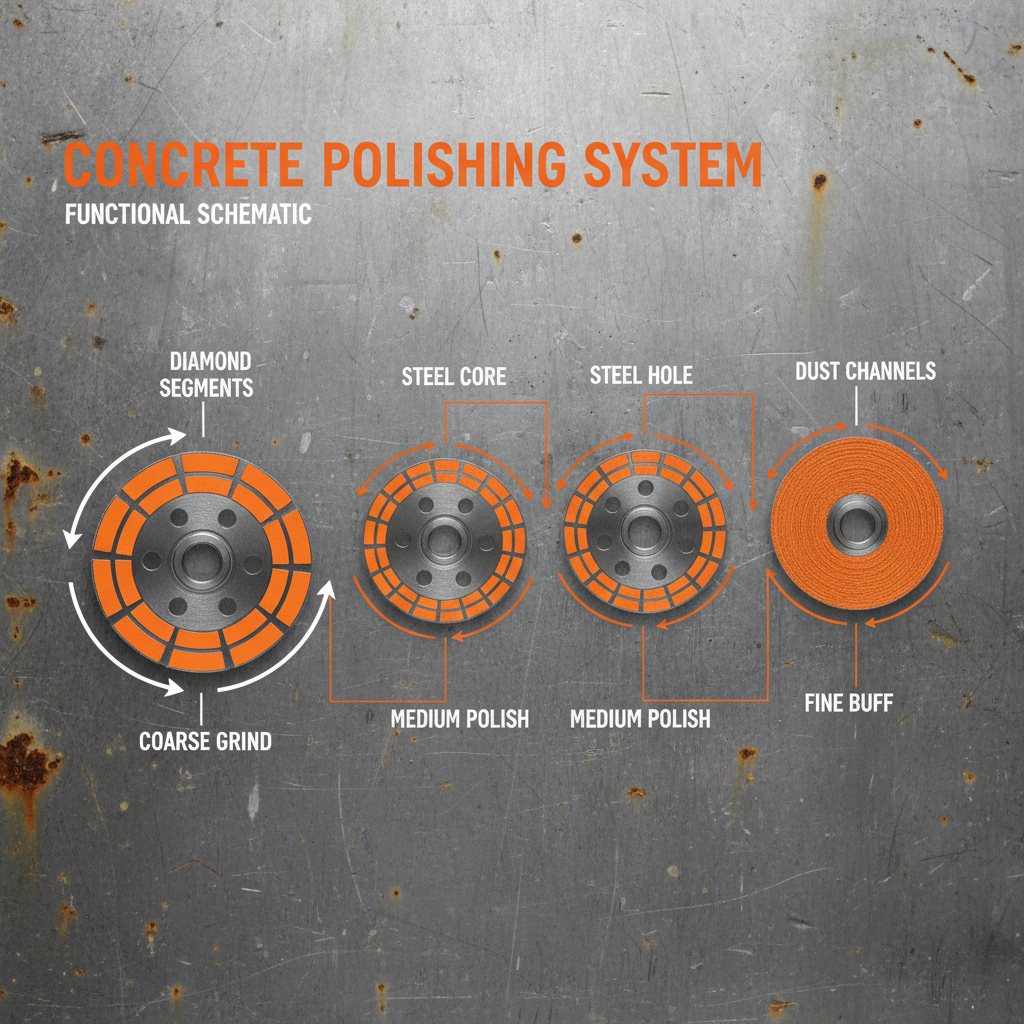
Many engineers I’ve talked to also stress that these pads are adaptable. You get a range of grit sizes—from coarse to ultra-fine—which means you can tailor the finish exactly how you want it, whether rough initial smoothing or that final mirror-like shine. Oddly enough, the pad’s flexibility and rubber backing also allow polishing on curved or uneven surfaces, something less achievable with rigid equipment.
From a materials standpoint, diamond particles’ grit size distribution is critical. Overly coarse particles can leave scratches, while too fine slows down the job. The best pads I’ve used feature a balance—offering longevity and uniform wear, which frankly is a game-changer when you’re on tight timelines.
| Specification | Details |
|---|---|
| Diamond Grit Range | 50 to 3000 mesh |
| Backing Material | Flexible rubber for contour adaptability |
| Pad Diameter | 3", 4", 5", 6" |
| Bond Type | Resin bonded for smooth finish |
| Applicable Materials | Granite, marble, concrete, engineered stone |
I remember once helping out a client polishing a particularly challenging granite countertop. They initially used some cheaper generic pads that barely lasted two hours and left uneven gloss. Switching to a high-quality diamond hand polishing pad made all the difference—not just in finish quality, but pad durability and ease of use. They were impressed, especially because finishing didn’t require a heavy machine, just skilled manual work and the right tools.
Now, when it comes to choosing a vendor, it’s not just about price. You want consistency in diamond distribution and good customer support. Here’s a quick look at some leading suppliers I’ve worked with (and yes, my impressions are based on actual field use):
| Vendor | Durability | Price | Customer Support | Range of Grits |
|---|---|---|---|---|
| MyDiamondBlade | Excellent | Mid-range | Responsive & knowledgeable | 50 to 3000 mesh |
| Industrial Abrasives Co. | Good | Higher-end | Standard support | 100 to 2500 mesh |
| ProPolish Solutions | Fair | Budget-friendly | Limited hours | 80 to 1500 mesh |
While some folks lean toward more expensive pads thinking “top price equals top quality,” I’ve learned that the trick lies in matching the pad’s specs to your material and the job’s demands. For example, the right grit for dense granite might be overkill and wasteful on softer stone or concrete. So judge wisely—experience helps here.
Customization is another aspect often overlooked. If you want a certain pad thickness or backing style, many vendors can accommodate special orders. I suppose this is more crucial when working in specialty industrial or artistic applications where surface integrity is paramount.
To wrap this up with a bit of a reflection: using diamond hand polishing pads isn’t just a task; it’s part of a craft where the tool’s quality directly impacts outcome and workflow fluidity. For pros and DIYers alike, investing in the right pads, say from a reputable source, tends to pay for itself over time. It’s one of those small investments with subtle but significant returns.
References:
- Industry usage reports from the Concrete Polishing Institute, 2023
- Technical briefings on diamond abrasives by Diamond Tools Manufacturers Association, 2022
- Personal field notes and client feedback 2015–2023
Related Products
Related Products





Address
No.30 Gaoying Road ,Chang'an District,Shijiazhuang,Hebei Province
Business Hours
Mon to Saturday : 8.00 am - 7.00 pm
Sunday & Holidays : Closed
.png )