Diamond Polishing Pads for Concrete – Expert Insights on Quality & Use
Understanding Diamond Polishing Pads for Concrete: A Veteran’s Take
Having spent years in the industrial equipment sector, I’ve seen first-hand how the right tools make or break a job. When it comes to surface finishing, diamond polishing pads for concrete have steadily become the unsung heroes. Maybe because they’re quietly effective yet often overlooked in discussions focused on big machines or raw power.
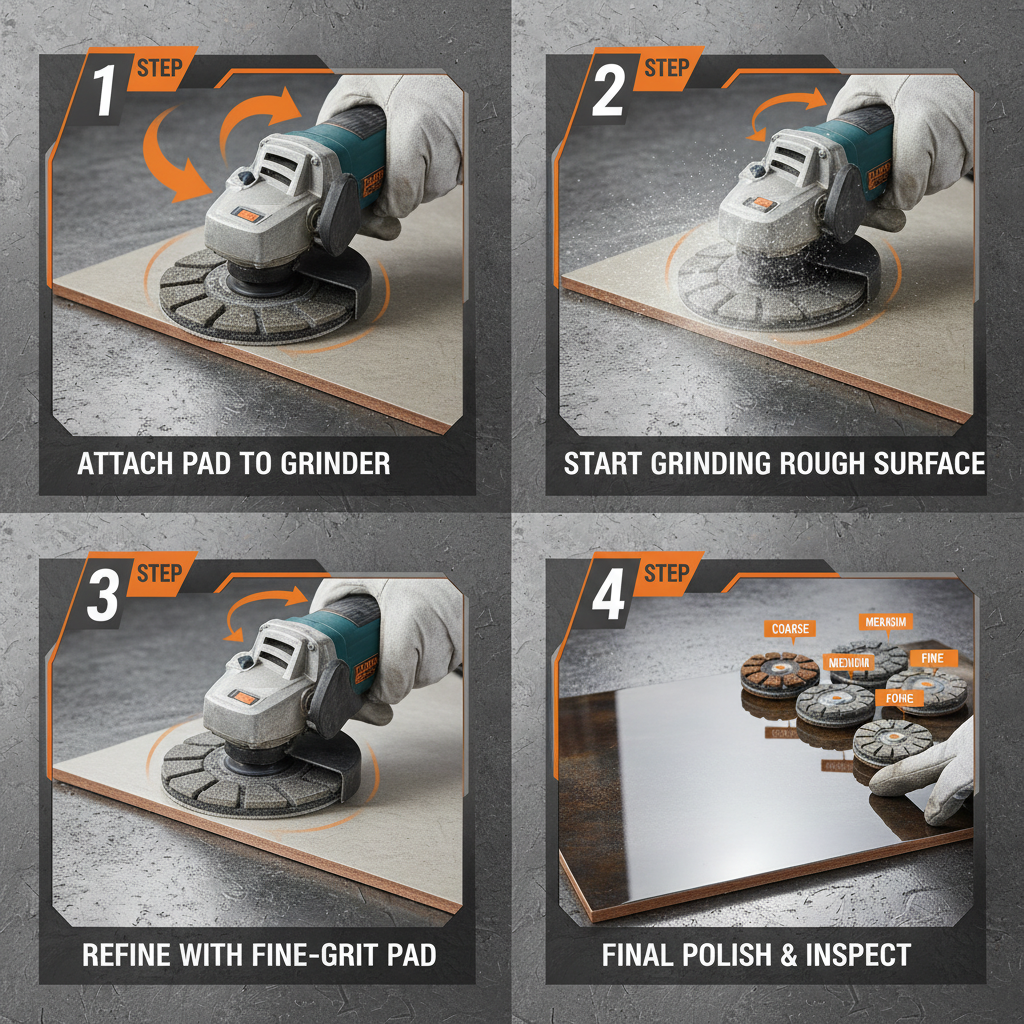
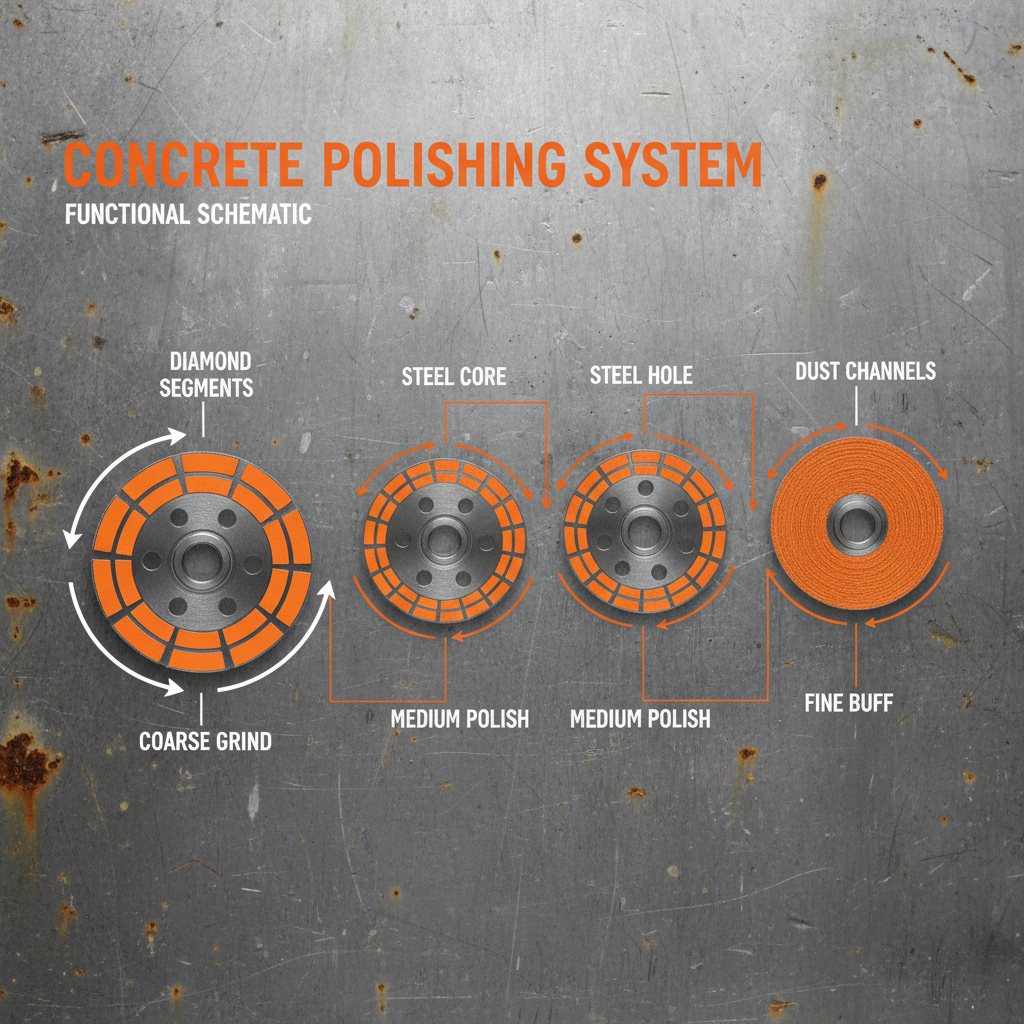
Diamond polishing pads are more than just abrasive discs glued to a backing. They’re engineered pieces of craft. The secret, I suppose, lies in the mix of industrial diamond grit size, resin binding, and that subtle design balance that lets you polish without wrecking the concrete surface.
Oddly enough, even though these pads look similar at a glance, their performance can vary wildly. I remember a project where switching pads cut the polishing time in half – and the finish? That satin-smooth sheen told the whole story. It’s sort of like baking: a pinch wrong and you’re in trouble.
What Makes a Quality Diamond Polishing Pad?
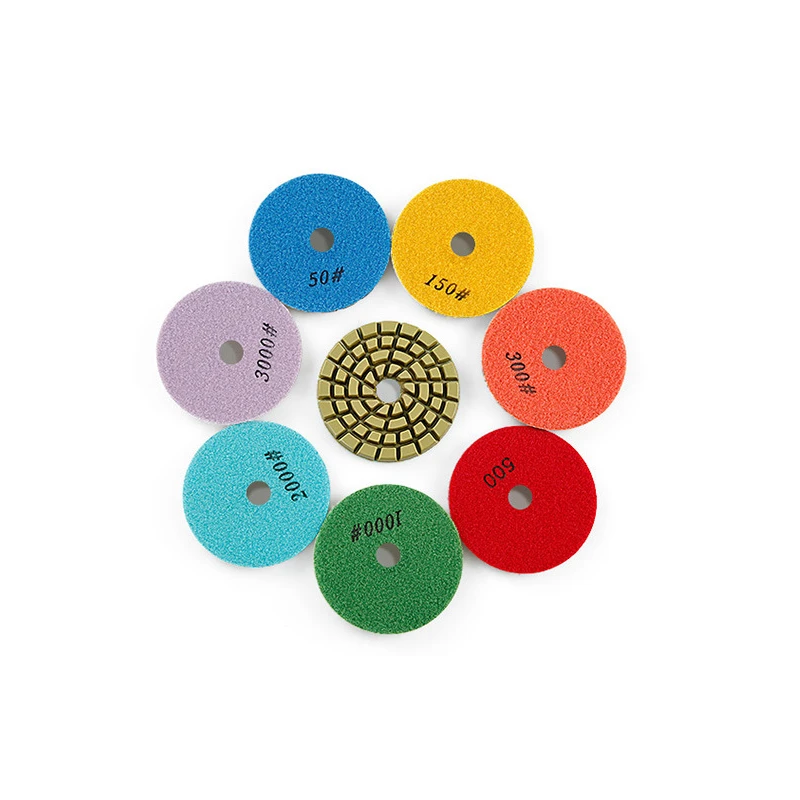
First, grit size — ranges typically from 50 up to 3000 — determines how coarse or fine the polish gets. Lower grits strip fast but leave rough marks; higher grits smooth but require more passes. Resin bond quality affects durability and heat tolerance, crucial for long sessions. The diamond concentration should feel just right: enough for aggressive cutting yet balanced for longevity.
Many engineers I’ve talked with emphasize consistent diamond distribution in the pad’s matrix. It avoids uneven wear and inconsistent finishes. Plus, one can’t forget about the hook-and-loop or Velcro backing compatibility. Frankly, you want pads that exchange swiftly because downtime kills productivity.
Key Specifications of Typical Diamond Polishing Pads
| Specification | Value / Range |
|---|---|
| Grit Sizes | 50, 100, 200, 400, 800, 1500, 3000 |
| Pad Diameter | 100mm, 125mm, 150mm (common sizes) |
| Bond Type | Resin (standard), Metal (for very abrasive tasks) |
| Attachment | Velcro (hook & loop) |
| Max RPM | 4000 - 6000 (varies by pad) |
| Usage | Wet and Dry Polishing (depending on the pad) |
A Quick Look at Leading Vendors
| Vendor | Price Range (per pad) | Diamond Quality | Bond & Grit Variety | Lead Time |
|---|---|---|---|---|
| Vendor A | $15 - $30 | High-grade synthetic | Full range, mostly resin bond | 1-2 days |
| Vendor B | $10 - $25 | Natural industrial diamonds | Selective grit and bond types | 3-4 days |
| Vendor C | $12 - $28 | Synthetic + natural diamond mix | Wide grit and some metal bond | 2-3 days |
Customization also plays a growing role. I’ve often advised clients to opt for pads matched not just to job specs but also to the operator’s style and the specific concrete’s hardness. A one-size-fits-all approach seldom cuts it. For example, on a recent retrofit, swapping out the standard pads for a softer bond saved a surface that would’ve otherwise chipped under traditional pressure.
When testing these pads, I tend to pay close attention to how they handle heat dissipation and how evenly the diamond matrix wears. Better pads often reveal their quality through less vibration and cleaner, more consistent polish patterns. It feels like they “guide” the machine rather than fight it.
If you’re considering investing in polished concrete solutions, I’d gently nudge you to look beyond brand hype and really get to know the pads — and that’s where resources like diamond polishing pads for concrete come in handy. They offer a solid balance of quality, price, and service, at least from what I’ve seen and heard in industry chats.
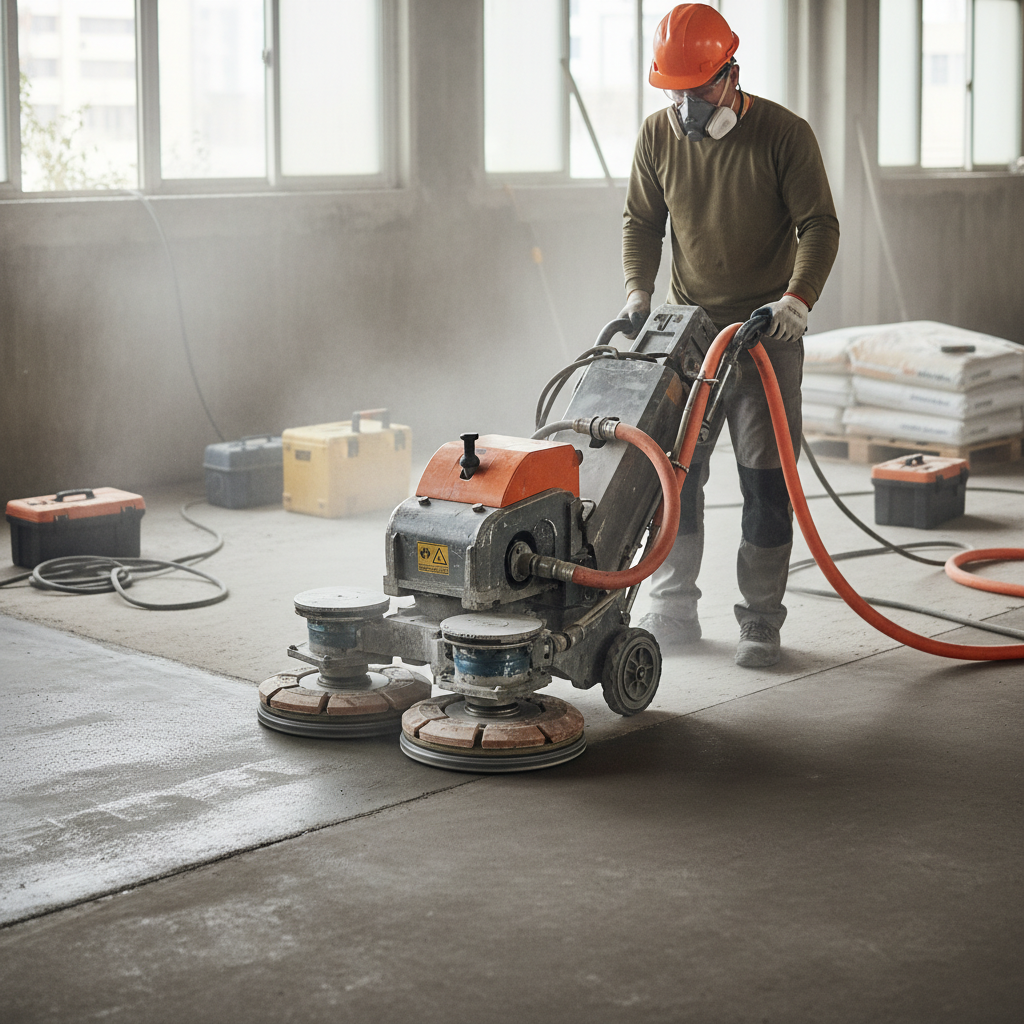
Well, that’s my two cents after years of grinding, polishing, and occasionally scrubbing concrete slabs to shine. The tools really shape how the work turns out – and pads like these quietly keep the floor looking good.
References:
1. Industrial Polishing Equipment Association, "Diamond Pad Specifications," 2023
2. Concrete Surface Solutions Magazine, Issue 45, "Polishing Innovations," 2022
3. Interviews with equipment operators, 2022–2023
Related Products
Related Products





Address
No.30 Gaoying Road ,Chang'an District,Shijiazhuang,Hebei Province
Business Hours
Mon to Saturday : 8.00 am - 7.00 pm
Sunday & Holidays : Closed
.png )