
Durable Diamond Pads for Concrete - Expert Insights & Buyer Guide
Diamond Pads for Concrete: What You Really Need to Know
Having spent quite a few years elbow-deep in the industrial equipment world, I’ve come across a fair share of tools that promise the moon but deliver... well, something less shiny. Diamond pads for concrete are firmly in the "worth your attention" category. They’re not just gimmicks or flash-in-the-pan products—they’re a genuine game changer in surface preparation and finishing.
Concrete, frankly, isn’t the easiest material to work with. Rough, uneven, sometimes downright stubborn. Polishing or grinding it needs the right tools to get that smooth, mirror-like finish without tearing it up. Diamond pads are that tool, designed to perform consistently well—even under tough conditions.
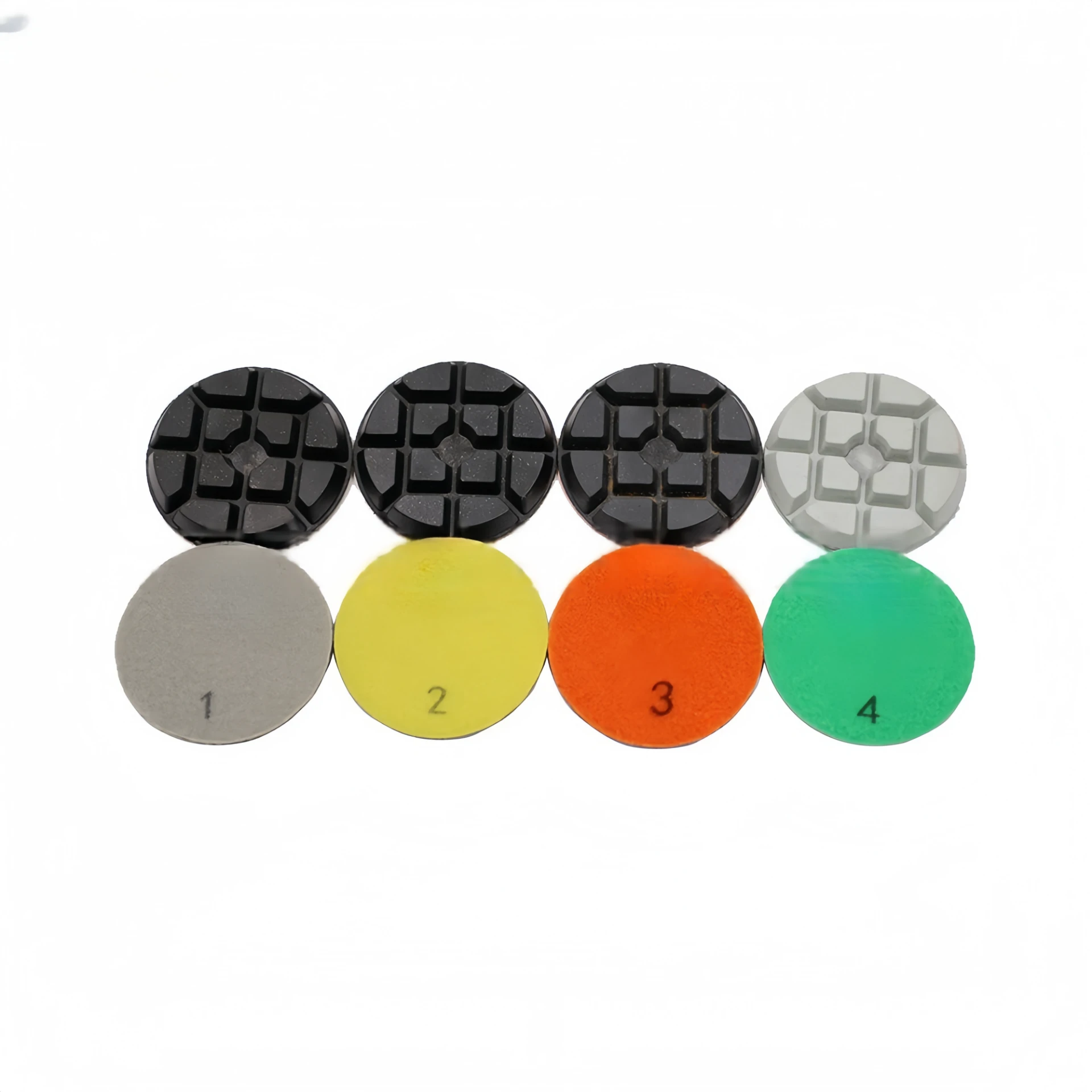
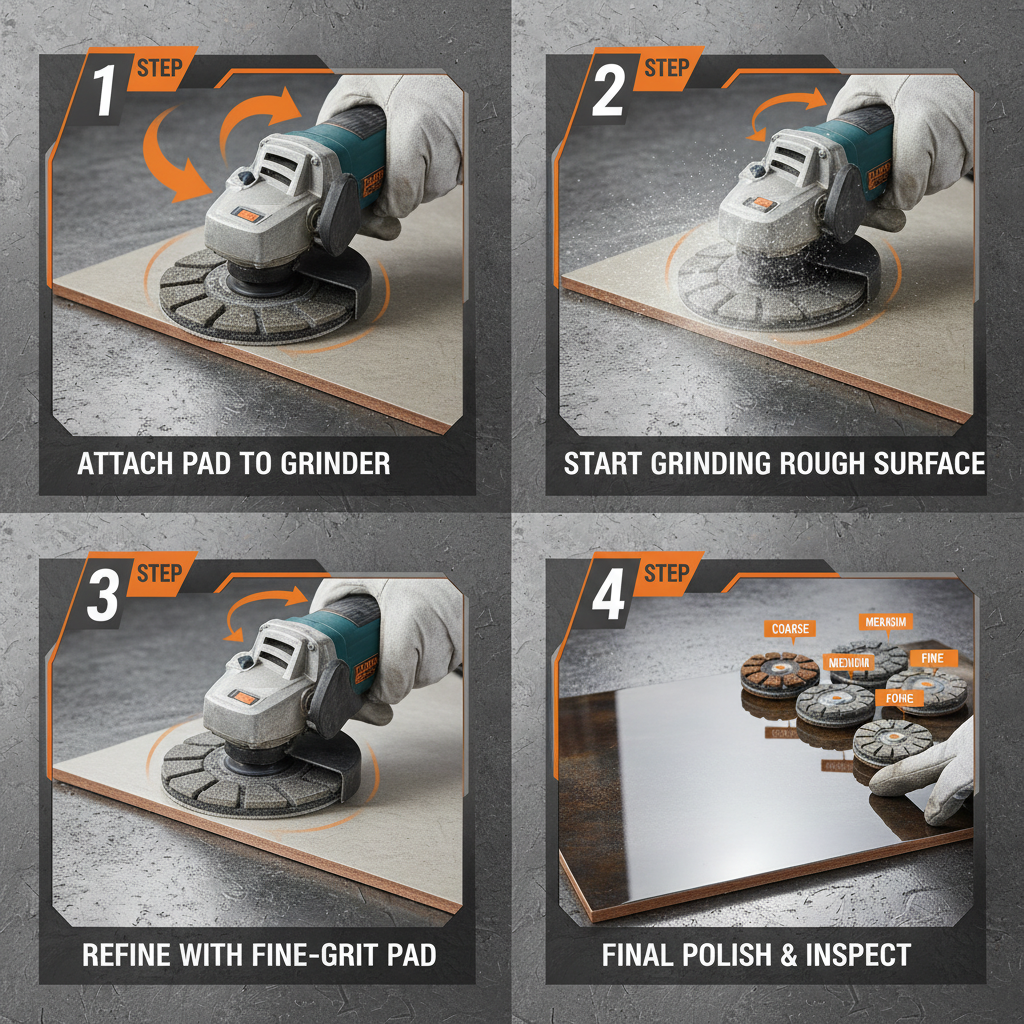
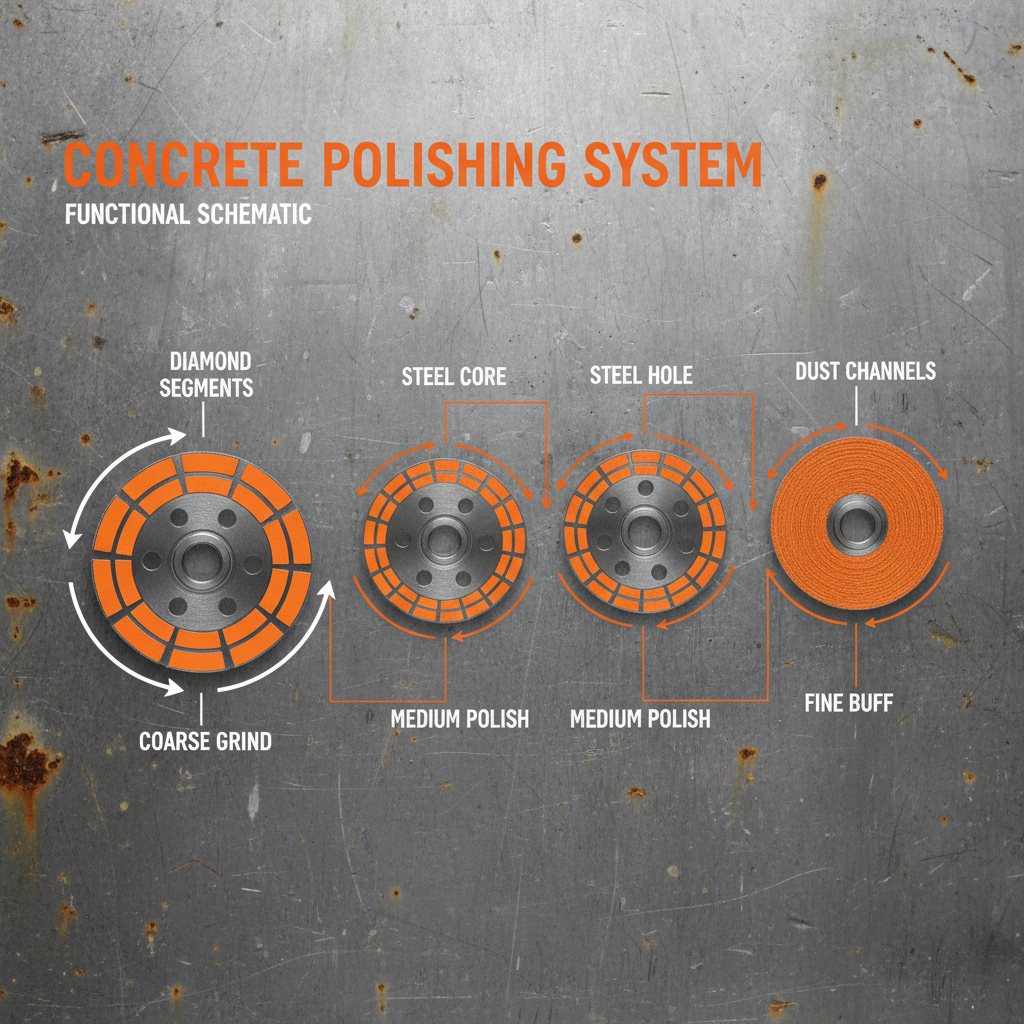
So why diamond? The secret lies in the grit and bond. Most pads combine diamond segments with resin or metal matrixes, giving a balance between aggressiveness and finesse. You usually start coarse, stripping the surface or removing imperfections, then progressively move to finer grits for polishing. The difference in finish can be as dramatic as night and day.
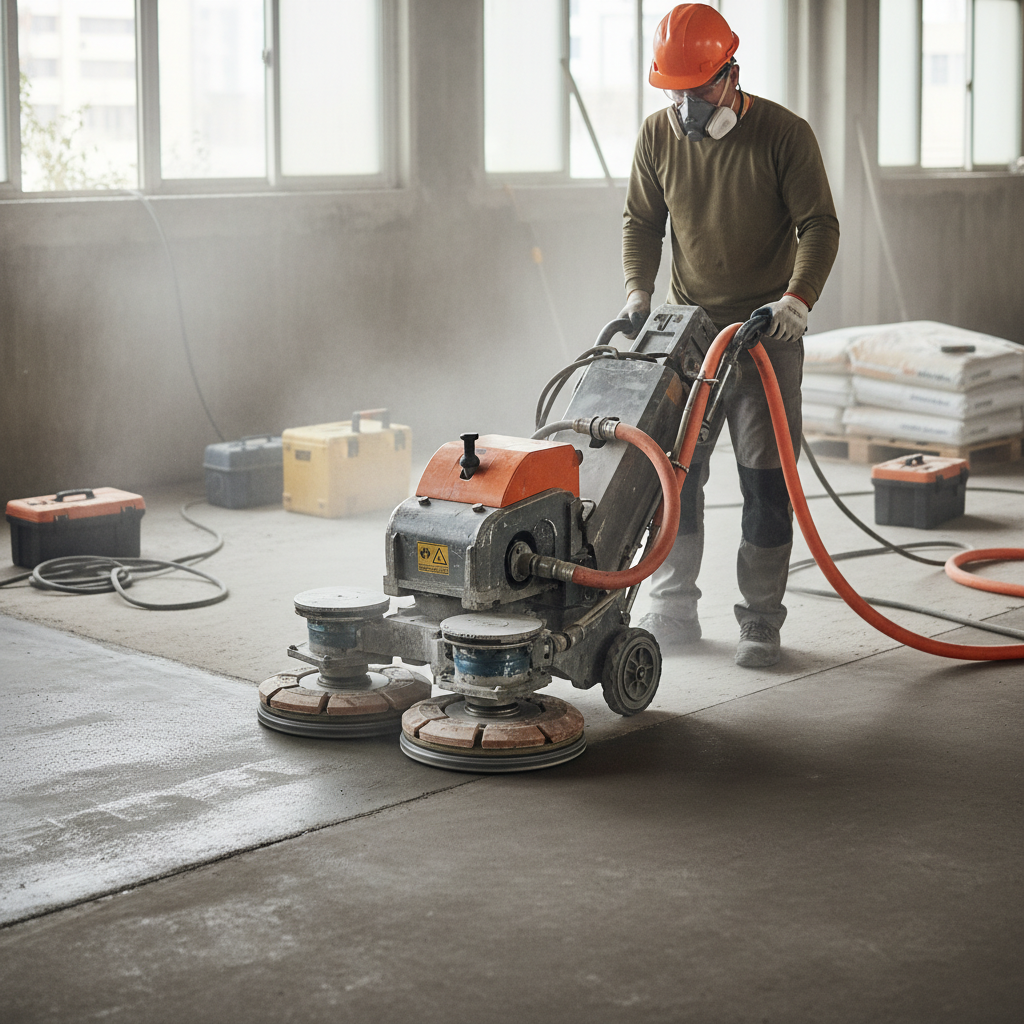
I remember working on a commercial renovation where the existing concrete floors had decades of wear. Our old methods (abrasive discs, anyone?) just weren’t cutting it, literally. Switching to diamond pads meant we hit the ground running, faster and cleaner. The dust was less overwhelming, and the finish astounding. It felt like we’d upgraded what ‘concrete polishing’ meant.
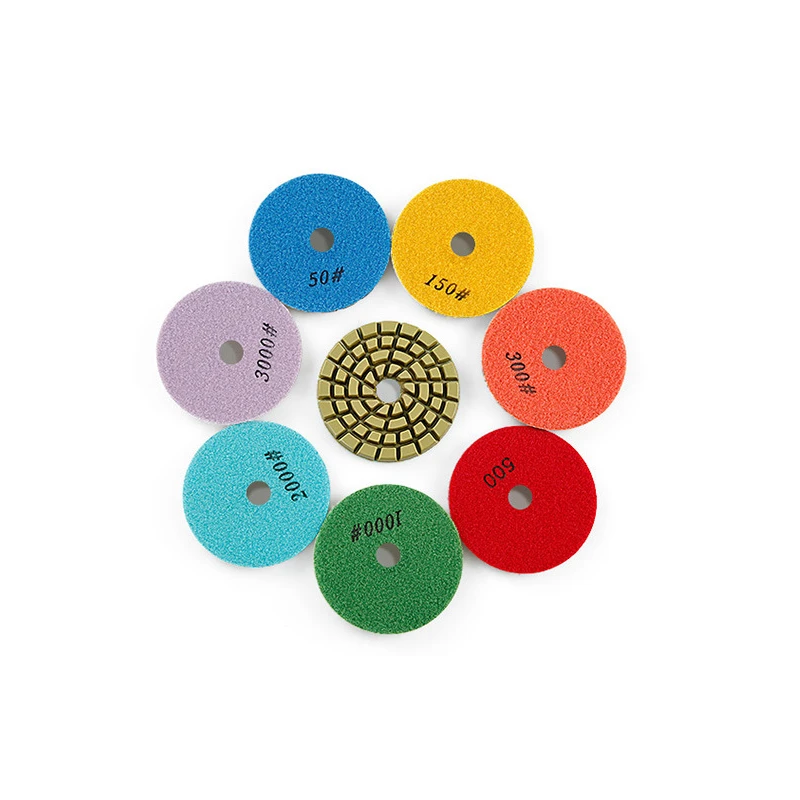
Product design-wise, these pads come in an array of sizes and grits—from coarse 30 grit to super fine 3000 grit or more. You can get resin pads ideal for wet polishing, or metal-bond pads that tackle heavy grinding jobs. Some vendors even offer custom bonding formulas designed specifically for types of concrete or application environments. It’s that kind of specialization that makes a real difference in the field.
To give you a clearer picture, here’s a typical spec breakdown of a mid-range diamond pad often used in professional concrete polishing:
| Specification | Details |
|---|---|
| Diameter | 100 mm (4 inches) |
| Grit Options | 30, 60, 120, 400, 800, 1500, 3000 |
| Bond Type | Resin (for polishing), Metal (for grinding) |
| Application | Wet and dry use |
| Max RPM | 5000 |
| Compatibility | Most standard concrete grinders |
Now, if you’re scouting for suppliers, it's a bit of a jungle out there. From big names to niche manufacturers, picking the right vendor affects not just price but pad lifespan and performance. Many contractors and facility managers talk about durability, consistent grit exposure, and reliable customer support as top factors.
Here’s a very straightforward comparison of three well-known diamond pad suppliers I’ve seen frequently recommended:
| Feature | Vendor A | Vendor B | Vendor C |
|---|---|---|---|
| Price per pad | $35 | $28 | $40 |
| Durability (hours of use) | 30+ hours | 20–25 hours | 40+ hours |
| Grit range | 30-3000 | 30-1500 | 60-3000 |
| Customer support | Excellent | Moderate | Good |
| Special features | Custom bond options | Budget-friendly sets | Eco-friendly resin |
Honestly, whether you pick Vendor A or Vendor C often depends on your project needs. I’ve found that spending a little extra on pads with proven longevity and good service often saves headaches and downtime down the road.
In terms of trends, I’ve noticed the industry slowly shifting toward pads that handle wet polishing better, partly to reduce dust exposure on site which is a serious health concern. Plus, the push for eco-friendly and recyclable components is gaining momentum, which is great to see. Manufacturers who innovate here will certainly lead the pack.
One last note: always pair diamond pads with compatible grinders and follow recommended RPM limits. I can’t tell you how many times a cheap grinder ruined an otherwise perfect pad—don't scrimp on the basics.
In real terms, diamond pads for concrete are one of those investments that pay for themselves with quality results and less downtime. They feel like a simple upgrade until you realize how much smoother your job goes.
So, if you’re in the biz or managing facilities, keeping a good stash of quality diamond pads is just smart practice. They’re versatile, durable, and when chosen right, can truly elevate your concrete finishing game.
To wrap things up, here’s a quick takeaway:
Pick diamond pads based on your specific project needs, balance price and durability, and never overlook the importance of good vendor support.
References:
1. Concrete Polishing Industry Reports, 2023
2. Manufacturer Data Sheets & Technical Specs
3. Field Experience with Diamond Pad Usage, Various Projects
Related Products
Related Products





Address
No.30 Gaoying Road ,Chang'an District,Shijiazhuang,Hebei Province
Business Hours
Mon to Saturday : 8.00 am - 7.00 pm
Sunday & Holidays : Closed
.png )