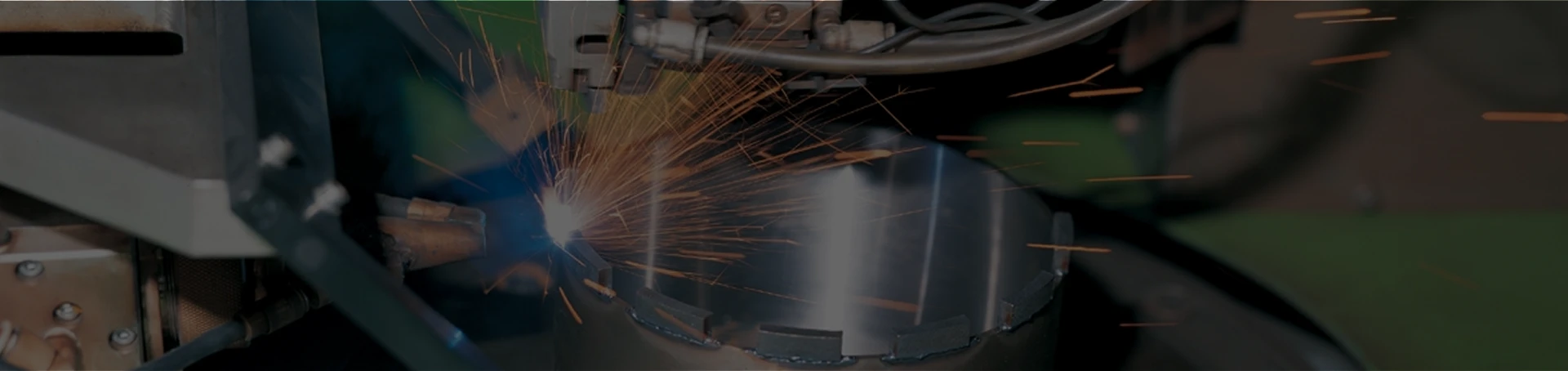
Efficient and Durable Diamond Blade Porcelain Tools – Expert Guide 2024
Diamond Blade Porcelain: Why It Matters in Today’s Industry
Imagine slicing through tough porcelain tiles with ease and precision—that’s the magic diamond blade porcelain technology brings to the table. In construction, manufacturing, and artistic industries worldwide, diamond blade porcelain tools are essential for efficient, precise cutting. But this isn’t just some niche gadget; it reflects how materials science and engineering solve real-world problems globally. The demand for durable, clean cuts on hard materials grows alongside urbanization and infrastructure development, so understanding these blades can pay dividends for anyone in the field.
Here’s a quick takeaway: Diamond blade porcelain isn't just about cutting hard materials—it symbolizes the ongoing push for better productivity, safety, and sustainability in construction and manufacturing.
Why Diamond Blade Porcelain Holds a Global Spotlight
From the bustling skyscrapers of Shanghai to the artisan workshops of Italy, diamond blade tools designed specifically for porcelain cuts are vital. According to a 2023 ISO report on industrial cutting tools, tools optimized for hard materials like porcelain improve cutting speed by up to 40% compared to traditional blades.
Porcelain tiles have become a global favorite for their durability and aesthetic appeal—used in everything from high-end flooring to precision components in aerospace or electronics. The problem? Porcelain is notoriously rigid and brittle, making it a headache to cut cleanly without damaging edges or surfaces. That’s where diamond blade porcelain tools make their case: engineered to optimize speed, reduce chip-out, and extend tool life—which translates to lower costs and waste globally.
diamond blade porcelain tools help industries address this challenge effectively.
What Exactly Is a Diamond Blade Porcelain?
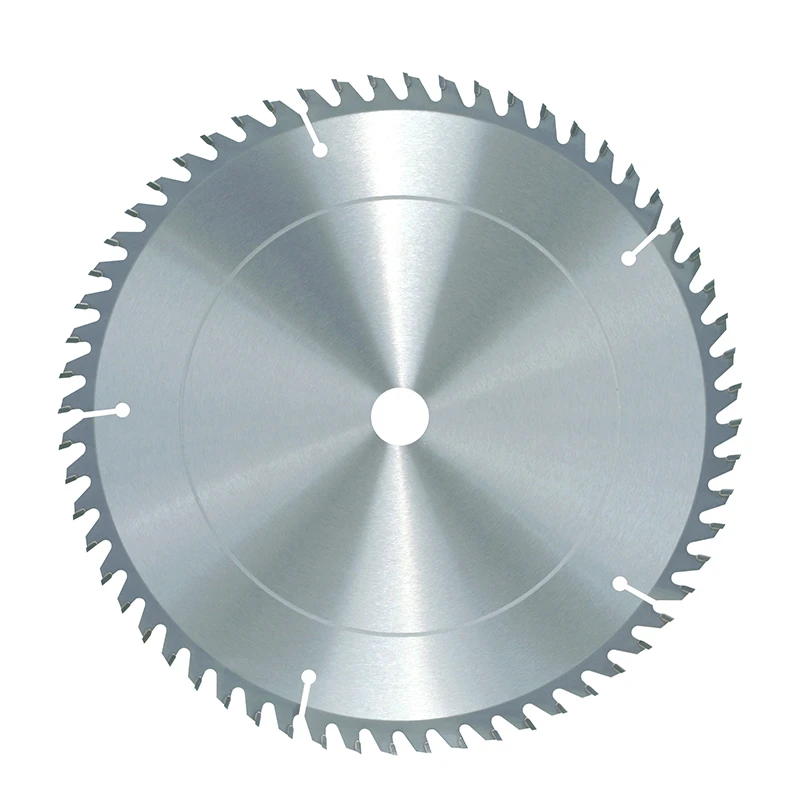
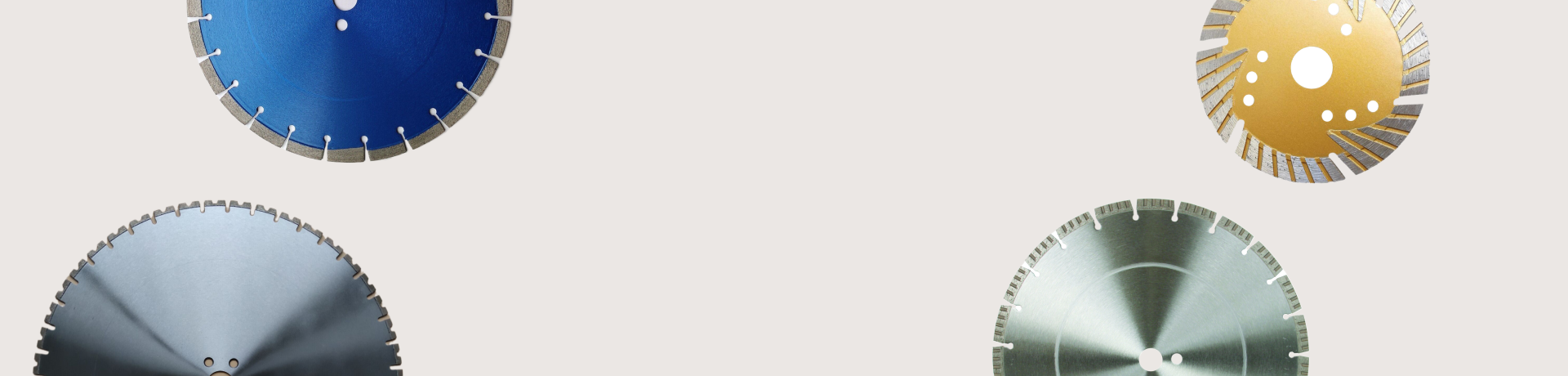
Simply put, a diamond blade porcelain is a cutting blade embedded with industrial-grade diamond grit, designed specifically to cut porcelain materials cleanly and efficiently without cracking or chipping. Unlike regular saw blades, these blades feature a rim of bonded diamonds that slice through tough, dense materials. They come in various types, including segmented, turbo, and continuous rim styles, which cater to specific cutting requirements.
In modern industries, where precision and quality matter—from residential tile installations to aerospace component fabrication—these blades provide consistent and reliable performance. They also play a humanitarian role when flooring and infrastructure materials need to be quickly replaced or repaired in disaster-hit zones, ensuring community rehabilitation is swift and sustainable.
Key Factors Shaping Diamond Blade Porcelain Performance
1. Durability
The longevity of diamond blades is essential—many professionals measure blade life in square meters of cut porcelain rather than hours. The diamond bond strength and type affect durability. Stronger bonds last longer when cutting harder materials but may wear faster on softer surfaces.
2. Cutting Speed
Optimizing speed without sacrificing accuracy is critical. Blades designed for porcelain often have a turbo or continuous rim to balance friction reduction and effective chip removal, resulting in faster cut times and cleaner edges.
3. Heat Dissipation
Porcelain cutting generates heat, which can damage both blade and material. Diamond blade porcelain products with built-in cooling segments or water-feed compatibility help mitigate this risk, ensuring consistent performance under heavy workloads.
4. Versatility
Some blades are multi-purpose, cutting porcelain as well as other stone materials like granite or marble, offering practicality on-site and reducing the need for multiple blade types.
5. Cost Efficiency
Given the expense of diamond blades, you want the best value over their lifespan. Efficient cutting reduces waste and downtime, making initial investment worthwhile.
Mini Takeaway: If I had to pick, durability and heat management tend to be the game-changers when choosing diamond blade porcelain tools.
Real-World Global Applications and Use Cases
- Construction & Renovation: Porcelain tiles are used worldwide in residential and commercial buildings—cutting precision ensures minimal waste and time savings.
- Disaster Relief Operations: Rapid infrastructure repairs (e.g., post-earthquake or hurricane rebuilding) rely on diamond blade porcelain tools for quick tile and panel replacements.
- Manufacturing: Electronics and aerospace sectors depend on precision-cut porcelain components for insulation and protective casings.
- Art & Design Studios: Creative industries use specialized blades for bespoke tile cutting and sculpting porcelain art.
Regions like Southeast Asia and the EU have seen heightened investment in this tech due to urban sprawl and green-building initiatives, making diamond blade porcelain a vital tool in the global supply chain.
Advantages & Long-Term Value of Diamond Blade Porcelain
The benefits spread across practical and emotional lines. Practically, the blades save time and money by cutting efficiently with less waste and fewer breaks. Imagine a contractor impressing a client with flawless tile edges every time—trust and professionalism grow. Plus, these blades contribute to sustainability by minimizing discarded material and increasing longevity of tools.
On a human level, using reliable tools instills confidence. Safety improves, and the stress of fragile porcelain cracking unnecessarily drops significantly. It’s not just innovation; it’s dignity in craftsmanship.
Looking Ahead: Trends & Innovations in Diamond Blade Porcelain
Trends show a push towards greener, more energy-efficient manufacturing of diamond blades. Some vendors are incorporating recycled diamond dust and developing nanotechnology-enhanced bonds to extend blade life. Integration with digital cutting systems that optimize blade pressure and feed rates via AI-controlled machinery is becoming a reality. Imagine a future where the blade’s wear is continuously monitored, predicting replacement to prevent downtime.
In addition, waterless cutting systems using advanced cooling designs are emerging, which reduces environmental footprint and increases portability for field jobs where water is scarce.
Challenges & Solutions Today
Despite advances, blade wear, cost, and compatibility with certain porcelain compositions can be hurdles. Not all blades cut cleanly through ultra-dense or glazed porcelain surfaces. Users often face balancing blade aggressiveness with finish quality.
Innovative coatings and hybrid diamond composites offer promising routes. Some manufacturers also provide blade re-sharpening services, extending usable life substantially and reducing replacement costs.
FAQ: Common Questions About Diamond Blade Porcelain
- Q: Can a single diamond blade cut all types of porcelain tiles effectively?
A: While many blades claim versatility, the best results often come from blades tuned for specific tile hardness or thickness. Using the right blade type—segmented, turbo, or continuous rim—based on porcelain properties ensures cleaner cuts and less wear. - Q: How does water-feed cutting improve blade performance?
A: Introducing water during cutting cools both blade and material, reducing heat buildup that can cause cracking or premature blade wear. It also washes away debris, improving cutting precision. - Q: Are diamond blades safe for DIY use on porcelain?
A: Yes, but handling diamond blades requires caution. Proper PPE (personal protective equipment), stable tools, and following manufacturer guidelines are essential to avoid accidents or damage to the tile. - Q: What is the average lifespan of a diamond blade used on porcelain?
A: Lifespan depends on material hardness and use frequency but generally ranges from dozens to hundreds of square meters of cuts. Regular maintenance and correct usage can significantly extend blade life. - Q: Can I buy diamond blade porcelain tools online and have them shipped internationally?
A: Absolutely. Many vendors operate global shipping channels, but be sure to check import regulations and shipping policies in your country to avoid delays.
Product Specifications: Typical Diamond Blade Porcelain
| Feature | Specification |
|---|---|
| Blade Diameter | 115-230 mm (4.5" - 9") |
| Segment Type | Continuous Rim / Turbo |
| Bond Material | Metallic & Resin Hybrid |
| Max RPM | 6,600 RPM |
| Cutting Thickness | 1.8–2.5 mm |
| Water-feed Compatibility | Yes (some models) |
| Typical Life Span | Up to 400 sq. meters of porcelain cut |
Vendor Comparison: Diamond Blade Porcelain Brands
| Brand | Price Range | Durability | Special Features | Best For |
|---|---|---|---|---|
| DiamondEdge Pro | $$$ (Premium) | High (400+ sq. meters) | Nano-coating, water-feed ready | Professional contractors, installers |
| CutMaster 360 | $$ (Mid-range) | Medium (250 sq. meters) | Turbo rim, multi-use | General purpose, mixed materials |
| BudgetBlade | $ (Entry-level) | Lower (around 100 sq. meters) | Basic segmented design | DIY enthusiasts, occasional use |
Wrapping It Up
So, diamond blade porcelain tools aren’t just fancy saws; they’re quietly revolutionizing how industries tackle tough, brittle materials with higher efficiency, lower costs, and less frustration. Whether it’s a luxury apartment fitting or vital infrastructure rebuild, smart tools like these improve workflows and reduce waste—something the world could always use more of. For anyone looking to up their cutting game, exploring diamond blade porcelain options is a smart move.
Fancy getting started or need expert advice? Visit our website to browse, learn, and connect with the best blade tech out there.
References
Related Products
Related Products





Address
No.30 Gaoying Road ,Chang'an District,Shijiazhuang,Hebei Province
Business Hours
Mon to Saturday : 8.00 am - 7.00 pm
Sunday & Holidays : Closed
.png )