Expert Guide to Concrete Polishing Pads | Durable & High-Performance
Concrete Polishing Pads: Crafting that Perfect Shine
Having spent a good chunk of my career working around concrete polishing pads, I can tell you the nuances behind these unassuming discs are far more interesting than you might imagine. Whether you’re on your first project or have polished floors across a dozen sites, understanding the pads’ design and performance feels almost essential.
Oddly enough, it’s easy to underestimate how much the right pad influences the final look and longevity of polished concrete. You’ve got to think about durability, grit consistency, resin bond strength — all small specs that add up to big results. Many engineers I've chatted with stress that picking the wrong pad leads to uneven finishes or wasted time buffing.
How Concrete Polishing Pads Are Built
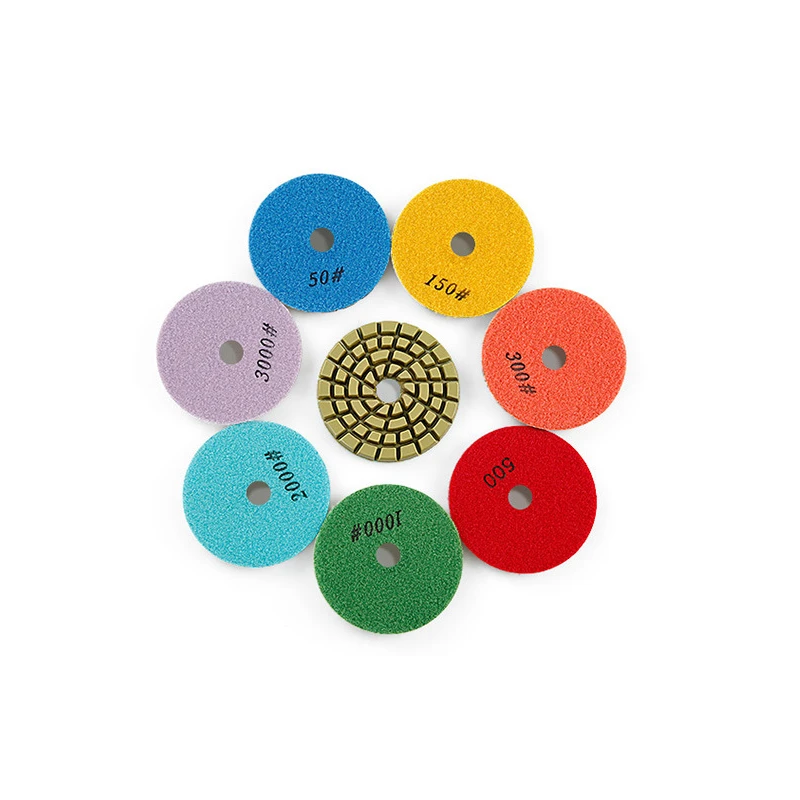
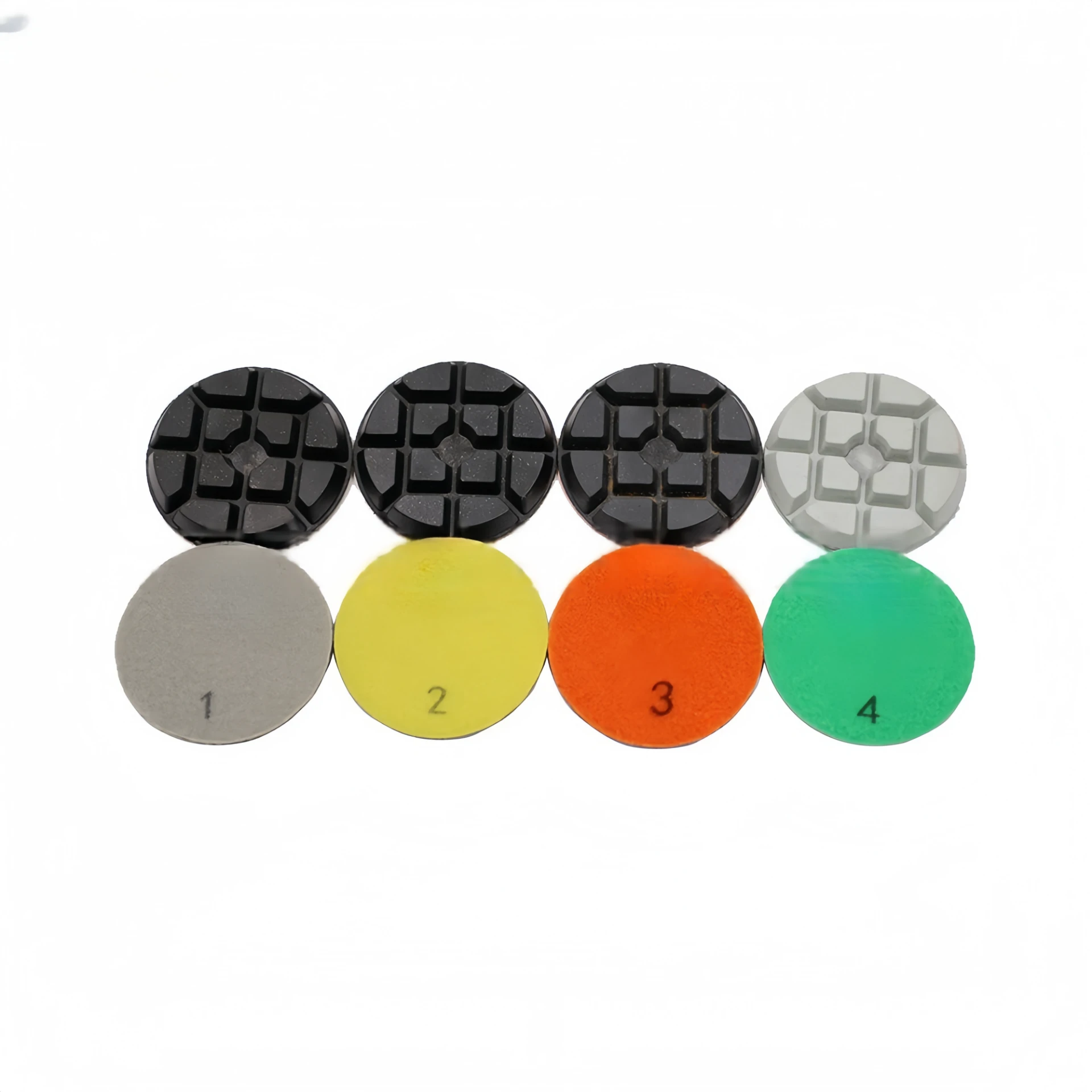
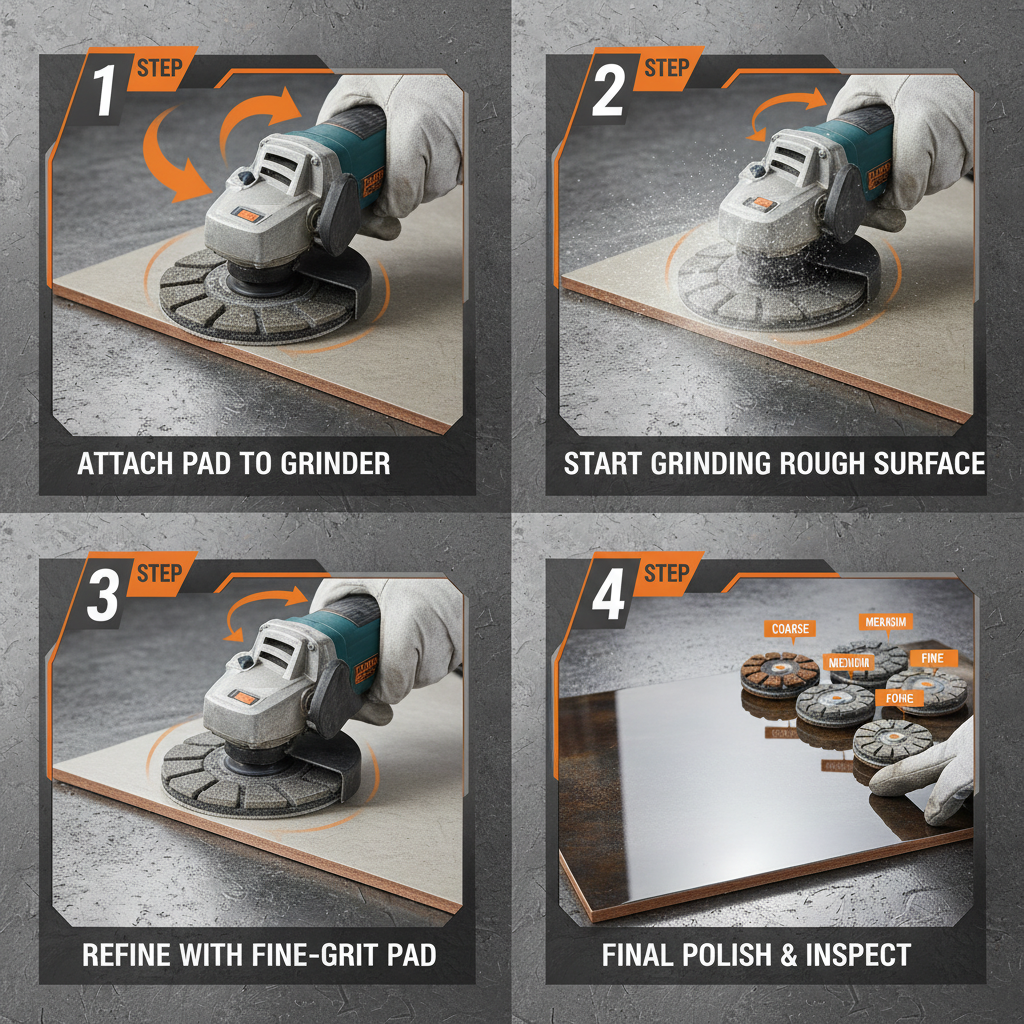
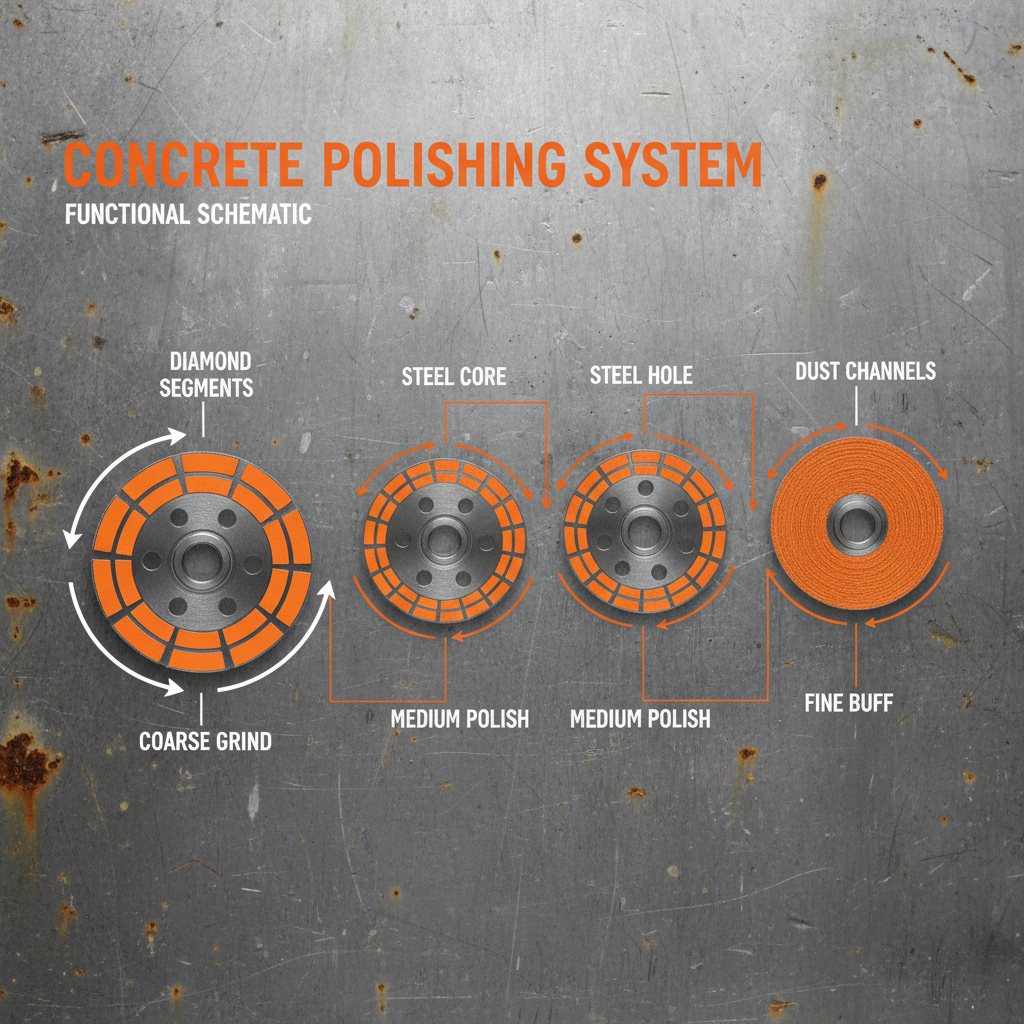
Most concrete polishing pads come with segments made from industrial diamonds embedded in a resin or metal bond. Resin bonds tend to be faster, providing a glossier finish, but metal bonds last longer for rough stage grinding. The diamond grit size matters — coarse grits (around 30-50) start the leveling process, and finer grits (150+) sharpen that shine.
Personally, I’ve noticed that resin-bond pads for finishing give floors a really smooth, visually appealing surface. In one project, switching to a newly developed resin pad cut polishing time by 20%, which frankly felt like a mini victory for both me and the crew.
Product Specifications at a Glance
| Attribute | Typical Value | Notes |
|---|---|---|
| Material | Industrial diamond & resin bond | Resin for finishing; metal for rough grinding |
| Grit Size | 30, 50, 100, 200, 400 | Coarse to ultra-fine stages |
| Pad Diameter | 4" to 20" | Fits standard polishing grinders |
| Bond Hardness | Soft to hard | Match to concrete abrasiveness |
| RPM Range | 1500 - 3000 RPM | Operator-dependent |
Comparing Popular Concrete Polishing Pad Vendors
| Brand | Material Type | Grit Options | Special Feature | Price Range |
|---|---|---|---|---|
| MyDiamondBlade | Resin bond with industrial diamonds | 30 to 600 grit | Long-lasting, fast polishing | $$ |
| BrandX Polishing | Metal bond | 50 to 400 grit | Durable, good for rough grinding | $$$ |
| ConcreteGear | Hybrid resin-metal bond | 40 to 300 grit | Balanced life and shine | $ |
Real-World Use: A Quick Story
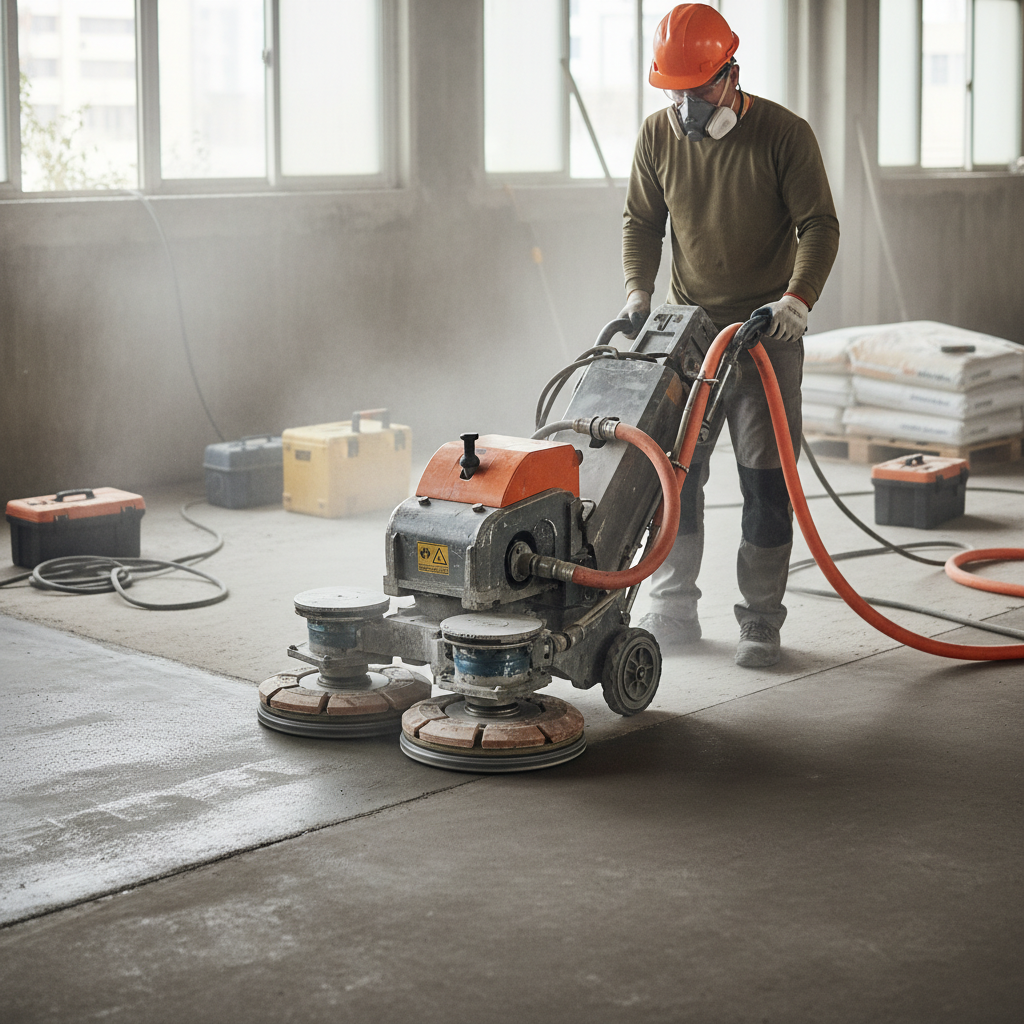
I recall a site in Chicago where the client wanted a mirror-like sheen on an old warehouse floor. At first, the crew struggled with scratch marks from subpar pads. Once they switched to high-quality resin-based pads, including ones from MyDiamondBlade, the difference was instant. The pads lasted longer, polished faster, and the floor’s final sparkle turned heads. It’s the kind of practical result I appreciate because it validates the specs turning into real-world savings and quality.
Final Thoughts
Frankly, the world of concrete polishing pads is more sophisticated than most outsiders believe. Details around grit, bond type, and diamond quality can make or break your finish — literally. Customization matters, and with some experimentation, you learn which pads suit your projects best. If you’re in the business or planning a big polish job, it’s worth investing time in selecting the right tools (and maybe grabbing a few sample pads to compare).
In real terms, choosing a reliable vendor with consistent pad performance often saves more headaches than chasing the lowest price — at least that’s been my experience after years navigating industrial floors.
So next time you see a polished concrete floor gleaming just right, remember there’s a lot of careful engineering behind the scenes — starting from the pads spinning quietly underneath the grinder.
References:
1. Industry guidelines for diamond tool selection (Concrete Polishing Institute, 2022)
2. Manufacturer specs from MyDiamondBlade
3. Personal field experience from multiple U.S. commercial concrete projects (2010–2023)
Related Products
Related Products





Address
No.30 Gaoying Road ,Chang'an District,Shijiazhuang,Hebei Province
Business Hours
Mon to Saturday : 8.00 am - 7.00 pm
Sunday & Holidays : Closed
.png )