close

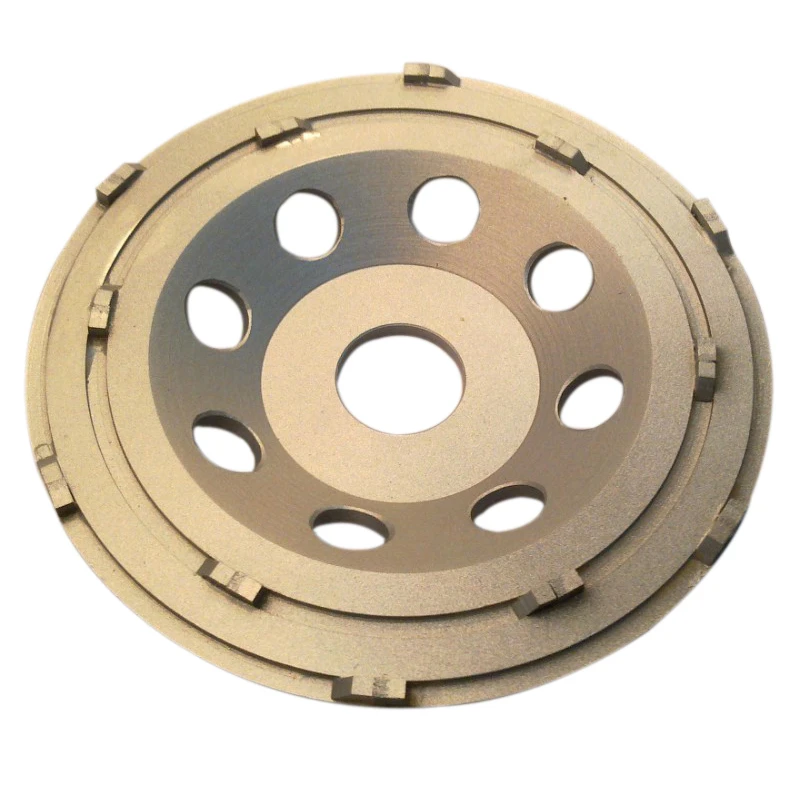
High-Performance dry diamond blade Solutions for Chile

Engineering precision cutting tools designed for the demanding geological conditions and industrial standards of the Chilean market.

Current State of Abrasive Tooling in Chile

Analyzing the intersection of mining demands and urban infrastructure development.

In Chile, the industrial landscape is dominated by massive mining operations and a growing urban infrastructure sector. The demand for disc cutting blades is driven by the need to process hard rock and reinforced concrete in extreme environments, where traditional tools often fail prematurely due to the high quartz content of local materials.

The geographical diversity of Chile, ranging from the hyper-arid Atacama Desert to the humid south, creates a unique challenge for tool longevity. Operators frequently require a dry diamond disc that can withstand high thermal stress without the luxury of constant water cooling in remote mining sites.

Currently, the Chilean market is transitioning from importing generic tools to seeking specialized, high-grade industrial equipment. There is a significant shift towards tools that offer higher "cost-per-cut" efficiency, reducing downtime in critical construction projects in Santiago and Valparaíso.
Evolution of Diamond Tooling in the Chilean Market

From traditional abrasion to advanced laser-welded diamond technology.

Market Development History

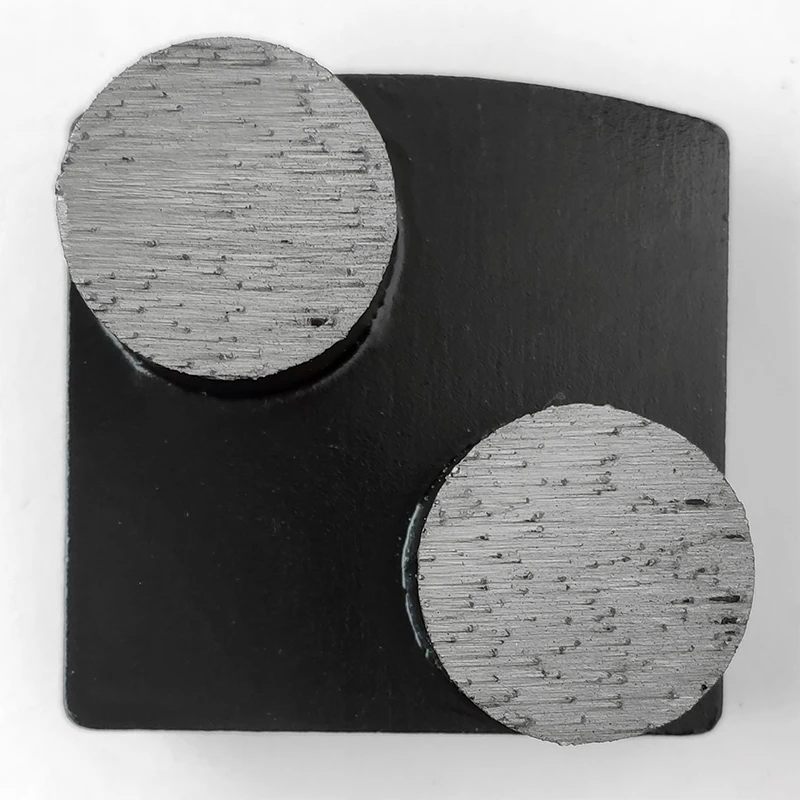
During the late 20th century, the Chilean market relied heavily on sintered metal bonds. These early tools were functional but suffered from rapid wear when facing the abrasive volcanic soils and hard granite common in the Andean regions.

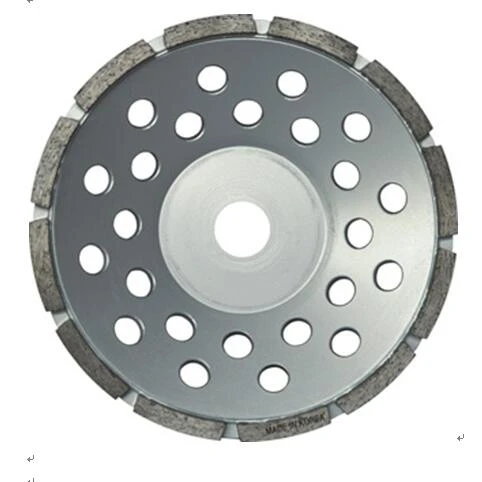
By the 2010s, the introduction of vacuum-brazed technology revolutionized the industry. This allowed for the creation of a more efficient dry diamond wheel, enabling faster cutting speeds and better heat dissipation for dry-cutting applications in urban areas.

In the last five years, the focus has shifted to "Smart Bond" matrices. Modern tools now utilize customized cobalt ratios to match the specific hardness of Chilean concrete and stone, significantly extending the tool's lifecycle.

Future Development Trends

Hybrid Bond Integration

The next 3 years will see the rise of hybrid bonds that combine the speed of metal bonds with the longevity of resin, specifically for versatile Chilean construction sites.

AI-Driven Wear Prediction

Integration of IoT sensors in heavy-duty cutting machinery to predict when a grinder blade diamond needs replacement, reducing unplanned downtime.

Eco-Friendly Dust Suppression

As Chilean environmental regulations tighten, we expect a surge in "low-dust" dry blades that utilize advanced segment geometry to capture particulates.

Industry Trends & Future Outlook

Strategizing for the next era of non-metallic mineral product manufacturing.

Thermal Resistance Optimization
Developing segments that operate at higher temperatures for dry environments without losing diamond grit.
Precision Segment Geometry
Implementing laser-cut grooves to reduce friction and improve chip removal in hard Chilean minerals.
Sustainable Manufacturing
Reducing the carbon footprint of tool production to align with Chile's "Green Mining" initiatives.
High-Concentration Grit
Increasing the density of synthetic diamonds for ultra-hard stone cutting in Northern Chile.

Industry Outlook

Based on Google search trends in the Southern Cone, there is a rising demand for specialized dry-cutting tools that minimize water waste. This aligns with Chile's national strategy to combat water scarcity in the mining and construction sectors.

We anticipate that the market will move toward a "Subscription-Based" tool maintenance model, where precision blades are replaced on a scheduled basis to ensure maximum safety and efficiency in large-scale industrial projects.

Local Application Scenarios in Chile

Proven solutions for the most challenging environments in South America.

01. Atacama Mining Infrastructure

Using high-concentration disc cutting blades for the rapid installation of pipeline supports in hyper-arid, rocky terrains where water is unavailable.

02. Santiago Urban Reconstruction

Employing dry diamond disc technology for road cutting and pavement repair in the capital to minimize traffic disruption and water runoff.

03. Valparaíso Port Expansion

Utilizing heavy-duty reinforced dry diamond blade tools for cutting through salt-corroded concrete and reinforced sea walls.

04. Central Valley Quarrying

Implementing high-precision dry diamond wheel tools for the shaping of ornamental granite and Andean stones for export.

05. Patagonia Remote Site Build

Applying durable grinder blade diamond tools for fast-paced structural adjustments in cold-weather construction environments.

Brand Story

Global Development History of Shijiazhuang Mingye Hardware Tools Technology Co., Ltd.

Foundational Precision

Established with a mission to bridge the gap between raw material science and industrial application, focusing on high-density diamond bonding.

Technological Breakthrough

Pioneered the vacuum-brazing process, allowing tools to maintain sharpness even under the extreme thermal loads of dry cutting.

Global Expansion

Extended our reach to the South American market, tailoring tool specifications to the unique mineral hardness found in the Andes.

Quality Standardization

Achieved international certifications, ensuring that every blade meeting our warehouse exceeds ISO industrial safety standards.

The Future of Cutting

Now leading the way in sustainable abrasive technology, reducing waste and increasing efficiency for the global construction industry.

Common Questions for the Chilean Market

Expert answers to technical queries regarding diamond tools in South America.

Which dry diamond blade is best for hard granite in Northern Chile?

For the high-quartz granite of Northern Chile, we recommend a vacuum-brazed dry diamond blade with a high-concentration diamond grit to prevent rapid wear and glazing.

How often should I replace my grinder blade diamond in heavy-duty mining use?

In heavy-duty mining environments, we suggest monitoring the cutting speed. Once the cutting rate drops by 30%, it's time to replace the blade to avoid overheating the workpiece.

Can a dry diamond disc be used on wet cutting machines in Santiago?

While possible, using a dedicated dry diamond disc on a wet machine is inefficient. For maximum tool life, match the blade type to the cooling method provided by your equipment.

What is the lifespan of a dry diamond wheel when cutting Andean volcanic rock?

Lifespan varies, but our specialized Andean-grade wheels are engineered to last 20-30% longer than standard blades by utilizing a custom metal-bond matrix.

Are your disc cutting blades compatible with standard Chilean power tools?

Yes, our blades are manufactured to international standards (ISO/DIN), ensuring perfect compatibility with all major power tool brands used across Chile.

How to prevent overheating when using a dry diamond blade in the Atacama region?

We recommend a "pulse cutting" technique—allowing the blade to clear dust and cool for a few seconds every 30 seconds of continuous cutting.

Get Expert Tooling Advice

Contact our technical team today for customized diamond tool solutions tailored to the specific industrial needs of Chile.

Contact Us Now
Can't Find The Products And Services You Need?
If you need our help,
Our staff will be happy to help and answer your questions!

Contact Us

Email: sales@mingyetools.com

Phone:0086-15369377868

Address

No.30 Gaoying Road ,Chang'an District,Shijiazhuang,Hebei Province

Business Hours

Mon to Saturday : 8.00 am - 7.00 pm

Sunday & Holidays : Closed

If you are interested in our products, you can choose to leave your information here, and we will be in touch with you shortly.


If you are interested in our products, you can choose to leave your information here, and we will be in touch with you shortly.


TOP