
How to Core Drill into Concrete: A Detailed Guide for Industry and Construction
How to Core Drill into Concrete: A Practical Guide
Core drilling into concrete isn’t just a niche skill for heavy construction sites; it’s a fundamental process that underpins everything from skyscrapers to water and electrical infrastructure worldwide. Understanding how to core drill into concrete can save time, reduce costs, and ensure safer projects — whether you’re working on a small renovation or a massive infrastructure upgrade. In fact, core drilling is such an essential technique that industries across the globe rely on it for precision and durability.
Global Context: Why Knowing How to Core Drill into Concrete Matters
Concrete is the most widely used construction material in the world, producing approximately 4.1 billion tons annually according to 2019 estimates from the U.S. Geological Survey. Yet, despite its ubiquity, modifying concrete structures, especially with techniques like core drilling, remains a challenge worldwide. The ability to create precise cylindrical holes in concrete allows installations such as plumbing, electrical conduits, and structural reinforcements — critical tasks for modern infrastructure.
Organizations like the International Organization for Standardization (ISO) emphasize core drilling standards to ensure safety and performance across industries. Globally, urban growth continues, and millions of buildings are being retrofitted — which means the demand for effective core drilling methods is only going up. The challenge: completing these operations efficiently, safely, and with minimal environmental impact. That’s where learning how to core drill into concrete becomes invaluable.
What Does Core Drilling into Concrete Mean?
At its core (no pun intended), core drilling means boring precise, cylindrical holes into concrete using diamond-tipped bits attached to drilling rigs or handheld tools. These holes can range in diameter from a few centimeters to several feet, depending on the job. It’s a controlled, clean-cut technique that minimizes cracking and structural damage — unlike more brute force methods.
This method is deeply integrated into modern construction, from enabling HVAC system installations to creating inspection ports, or even reinforcing aging infrastructure in humanitarian settings after natural disasters. Frankly, without core drilling, many contemporary engineering feats could not proceed with the required precision and safety.
Key Factors When Core Drilling into Concrete
1. Durability of Drill Bits
The heart of effective core drilling is the diamond drill bit. It’s crucial that these bits are both durable and appropriately designed for the concrete’s aggregate type, hardness, and rebar presence. A poorly chosen bit can wear out quickly, making the process cost and time-inefficient.
2. Equipment Scalability
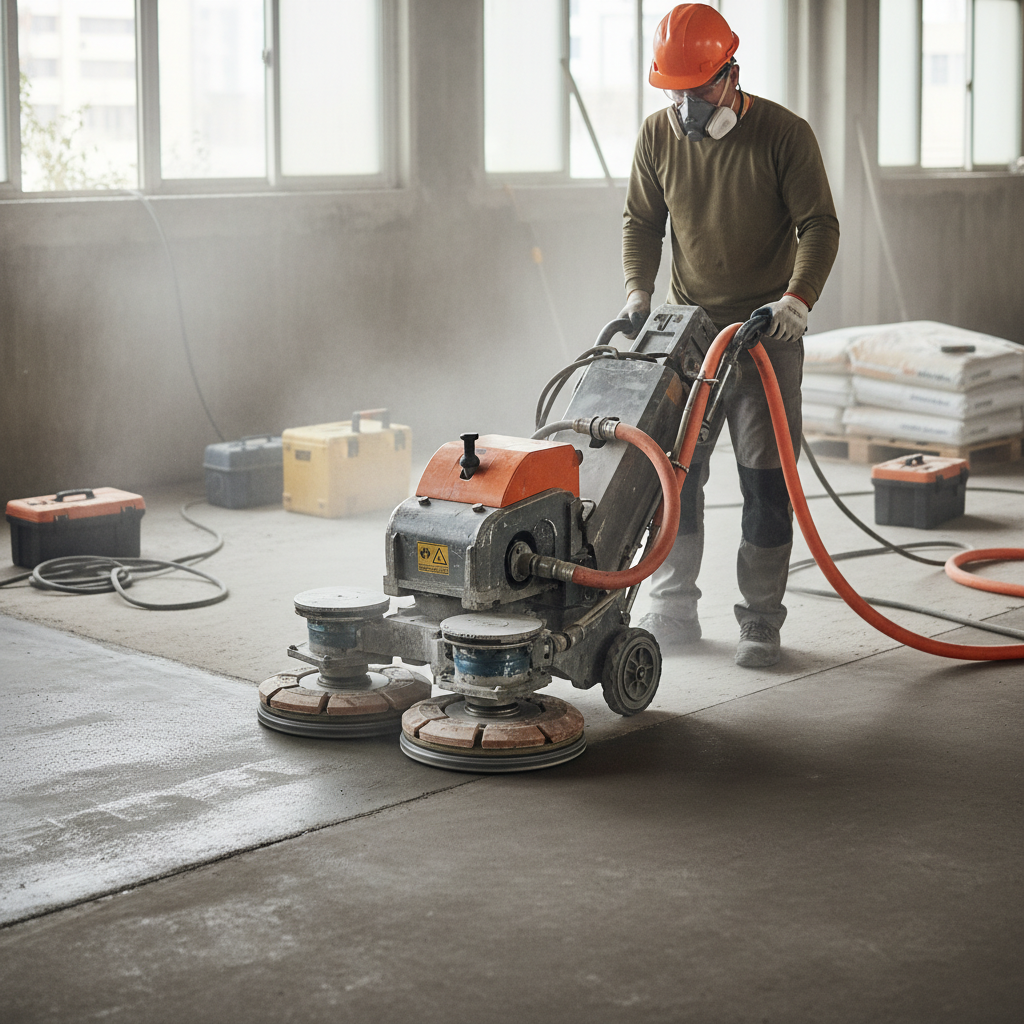
Depending on job size, equipment may range from handheld electric drills to truck-mounted rigs capable of drilling over a meter in diameter. Scalability ensures jobs large and small can be addressed with suitable speed and precision.
3. Water Cooling Systems
Drilling generates tremendous heat, which degrades bit longevity and dust control. Most professionals integrate water-cooling to extend bit life and suppress harmful silica dust — a known respiratory hazard.
4. Operator Skill & Safety
Knowing the right feed speed, pressure, and handling techniques isn’t trivial—it’s part science, part art. Plus, safe usage practices protect workers from hazards like dust inhalation, drill kickback, and electrical hazards.
5. Cost Efficiency & Environmental Impact
Modern techniques aim not just to cut costs but also to reduce waste, noise, and dust, aligning with global environmental goals, including ISO 14001 certified practices.
Product Specification: Typical Core Drill Bit Features
| Specification | Details |
|---|---|
| Material | Industrial-grade diamond segments |
| Diameter Range | 10 mm to 400 mm (and larger for special rigs) |
| Cooling | Water-cooled to minimize heat and dust |
| Speed | Variable, usually 500-1500 RPM |
| Compatibility | Handheld and rig-mounted drills |
Comparing Top Core Drill Vendors
| Vendor | Product Range | Pricing | Customer Support | Special Features |
|---|---|---|---|---|
| DiamondTech | Handheld & Industrial Rigs | $$$ | 24/7 Technical Support | Wear-resistant segments |
| CoreMax Solutions | Wide diameter custom drills | $$$$ | On-site training packages | Eco-friendly cooling tech |
| Precision Drills Inc. | Portable electric drills | $$ | Comprehensive manuals & videos | Lightweight & ergonomic design |
Global Applications and Use Cases
In real terms, core drilling helps cities and industries grow smarter and faster. For example, in post-disaster relief operations in Southeast Asia, core drilling allows quick installation of temporary water pipelines without dismantling large concrete slabs. Similarly, in remote industrial zones like Canada’s oil fields, drilling into pre-existing concrete pads is vital to add new machinery or safety sensors.
Urban utility companies across Europe also leverage this process to retrofit aging sewer systems, often beneath busy streets, without digging massive trenches. This reduces community disruption—something many engineers and residents appreciate.
Advantages of Mastering How to Core Drill into Concrete
- Precision and Minimal Damage: The technique preserves the integrity of surrounding concrete, which means fewer repairs.
- Cost Savings: Faster work means lower labor and equipment rental costs.
- Environmental Safety: Water cooling reduces silica dust, mitigating health risks.
- Versatility: Enables wide applications from civil engineering to emergency response.
Importantly, workers feel safer and more confident applying the right core drilling techniques—this brings a sense of pride and reduces worksite anxiety.
Emerging Trends and Innovations
Automation is popping up in this space, with robotic core drills that can work remotely on hazardous or hard-to-reach surfaces. Combine this with digital sensors monitoring bit pressure and speed in real time, and you get efficiency gains and reduced human error. Green drilling technology is also on the rise—using recycled water loops for cooling and biodegradable lubricants, for example.
Meanwhile, new diamond composites are extending tool lifespan, and artificial intelligence is beginning to help recommend optimal drilling patterns depending on the concrete composition. It’s not sci-fi anymore, just smart engineering catching up.
Challenges and Expert Solutions
Well, nothing’s perfect. Some common headaches include dealing with reinforced concrete where steel bars interfere with bits, or moisture-sensitive concrete that can crack under thermal stresses. Dust from dry drilling remains a health risk if not managed properly.
Experts suggest combining ground-penetrating radar (GPR) scans before drilling to detect rebar, along with implementing wet drilling methods wherever possible. Training operators thoroughly in equipment handling and safety protocols also dramatically reduces downtime and health risks.
Frequently Asked Questions about How to Core Drill into Concrete
- Q: What is the best drill bit for reinforced concrete?
- A: Diamond-tipped core bits designed with segmented rims are best. They cut through rebar cleanly while balancing speed and durability.
- Q: Is core drilling safe for older concrete structures?
- A: Yes, but it requires careful assessment. Using low-speed drills and proper cooling minimizes damage and prevents cracking.
- Q: Can I core drill concrete without water?
- A: Dry drilling is possible but creates hazardous dust and excessive heat. Water-cooled drilling is recommended for safety and bit longevity.
- Q: How do I choose core drill size?
- A: It depends on your application—smaller diameters for electrical conduits; larger holes for plumbing or inspection access. Measure requirements precisely before proceeding.
- Q: Can I rent core drilling equipment for short-term projects?
- A: Absolutely. Many vendors offer rental programs with optional operator training—great for small jobs or testing new techniques.
Conclusion
To wrap it up, learning how to core drill into concrete is more than just picking up a tool; it’s about embracing a craft that supports huge sectors worldwide. From urban renewal efforts to critical infrastructure repairs, core drilling techniques improve efficiency, cut costs, and promote safer working environments. For anyone involved in construction or civil engineering, this knowledge pays off.
If you’re eager to dive deeper into reliable equipment and detailed guides, don’t hesitate to visit our website for trusted resources and product insights.
Mini takeaway: Mastering core drilling is a smart investment—technically and practically—for anyone dealing with concrete challenges.
References:
1. U.S. Geological Survey, “Mineral Commodity Summaries 2020.”
2. ISO 14688-1: “Geotechnical Investigation and Testing.”
3. WHO Health Risks of Silica Dust Exposure.
Related Products
Related Products





Address
No.30 Gaoying Road ,Chang'an District,Shijiazhuang,Hebei Province
Business Hours
Mon to Saturday : 8.00 am - 7.00 pm
Sunday & Holidays : Closed
.png )