close
  • 378_2025032719101269029.webp
  • 378_2025032719084087564.webp
0%

Table of Contents

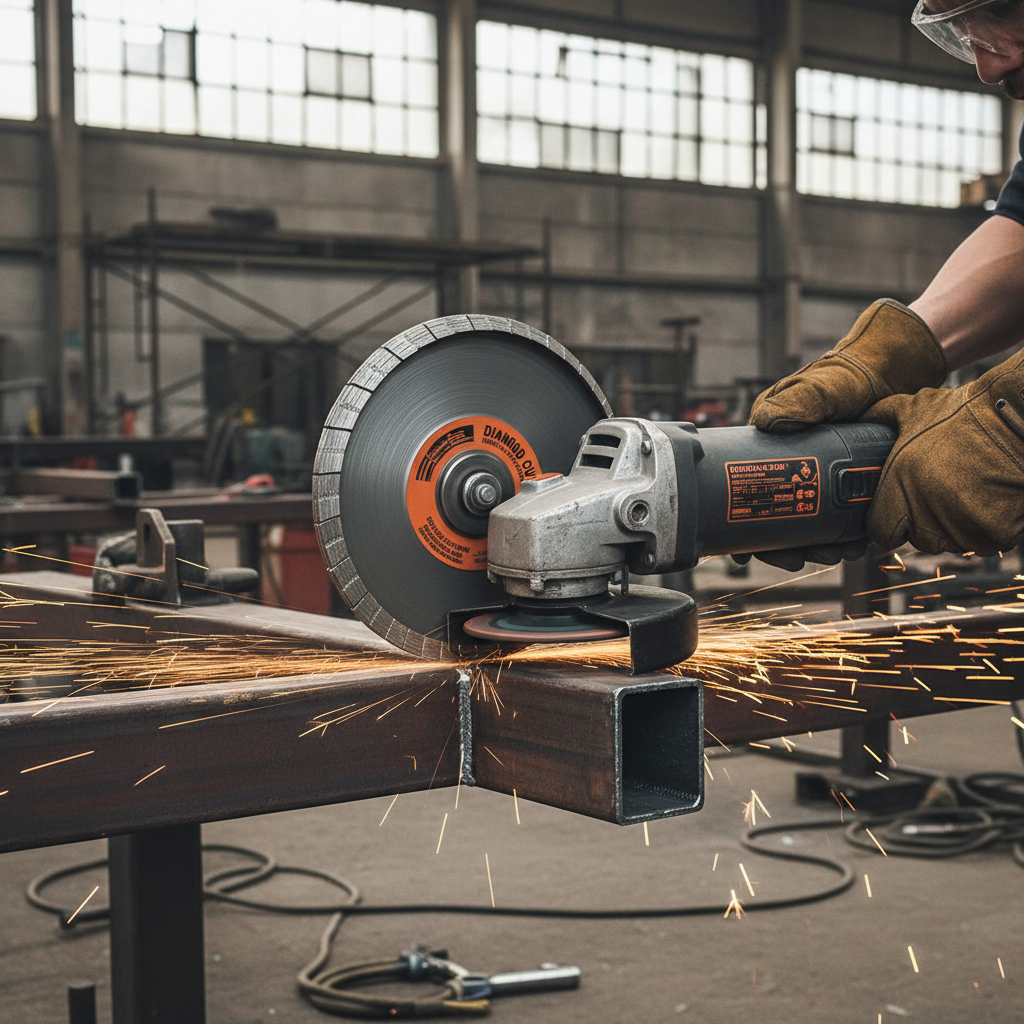
Look, I’ve spent the last twenty years on job sites – concrete dust in my lungs, blueprints under my fingernails. You quickly learn what actually works, and what’s just marketing hype. When it comes to cutting concrete, stone, or even asphalt, a grinder blade diamond isn’t just a tool, it’s the difference between finishing a job on time and budget, or facing costly delays and repairs. We used to burn through blades like crazy, constantly swapping them out. It ate into productivity and, frankly, it was frustrating.

The thing is, concrete isn't all the same. Different mixes, aggregate types, even the age of the concrete all impact how a blade performs. What worked great on a new sidewalk might choke on old, heavily-reinforced stuff. That's where the right diamond blade makes all the difference. It's about understanding the matrix, the bond, and how it's designed to wear and expose those diamonds at the right rate for the material you're cutting. It's not just "sharpness," it's sustained performance.

I’ve seen first-hand how investing in a quality grinder blade diamond pays off. It’s about minimizing downtime, reducing blade changes, and ultimately, getting the job done efficiently and safely. And safety matters. A broken blade isn’t just a hassle, it’s a serious hazard. We’re talking about high-speed rotating tools here – you want something you can rely on.
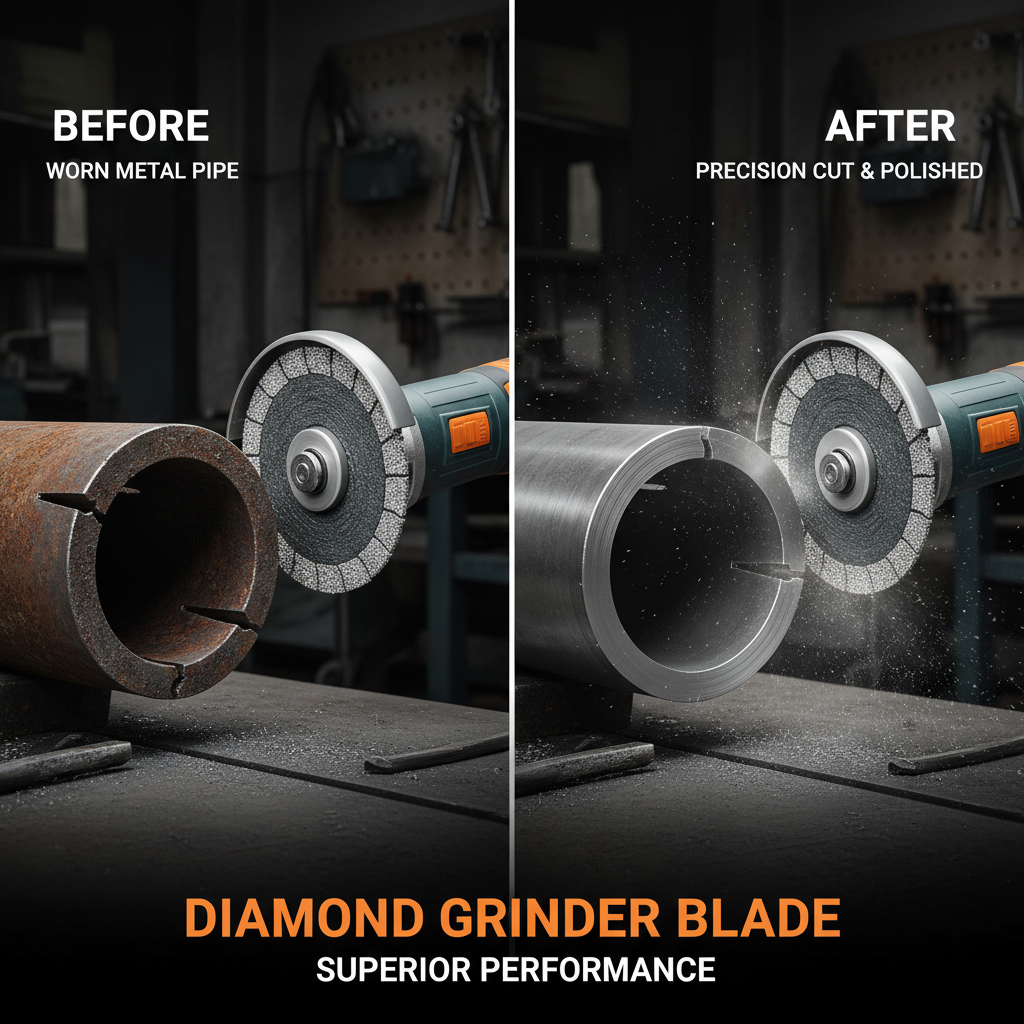
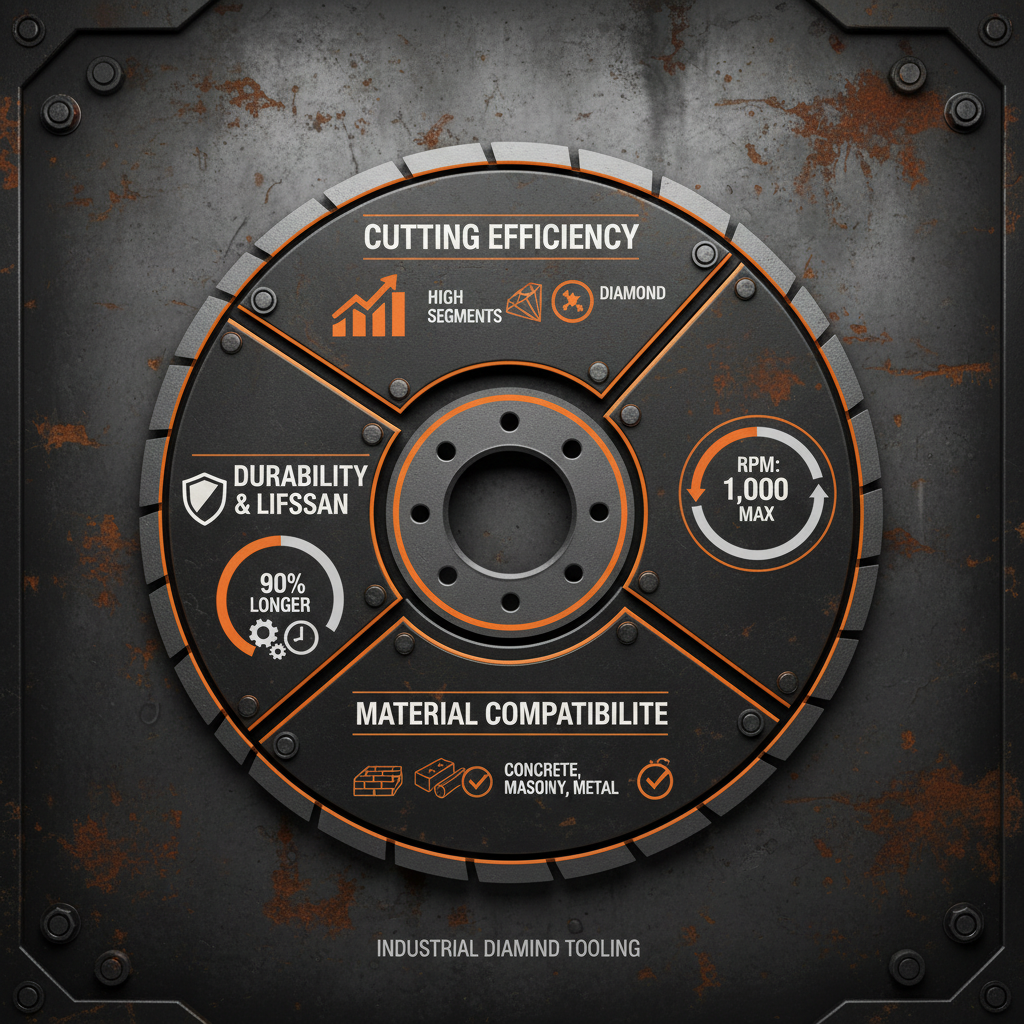
Maximize Cutting Efficiency with a High Performance Grinder Blade Diamond

Understanding Grinder Blade Diamond Technology

Maximize Cutting Efficiency with a High Performance Grinder Blade Diamond

The core of a grinder blade diamond isn’t just about sticking some diamonds to a metal core. It’s a highly engineered system. The quality of the diamond grit itself is huge - are they industrial-grade, consistently sized? Then there’s the metal bond matrix, that’s what holds the diamonds and wears away to expose new cutting edges. A softer bond wears faster, great for abrasive materials, while a harder bond lasts longer on tougher stone.

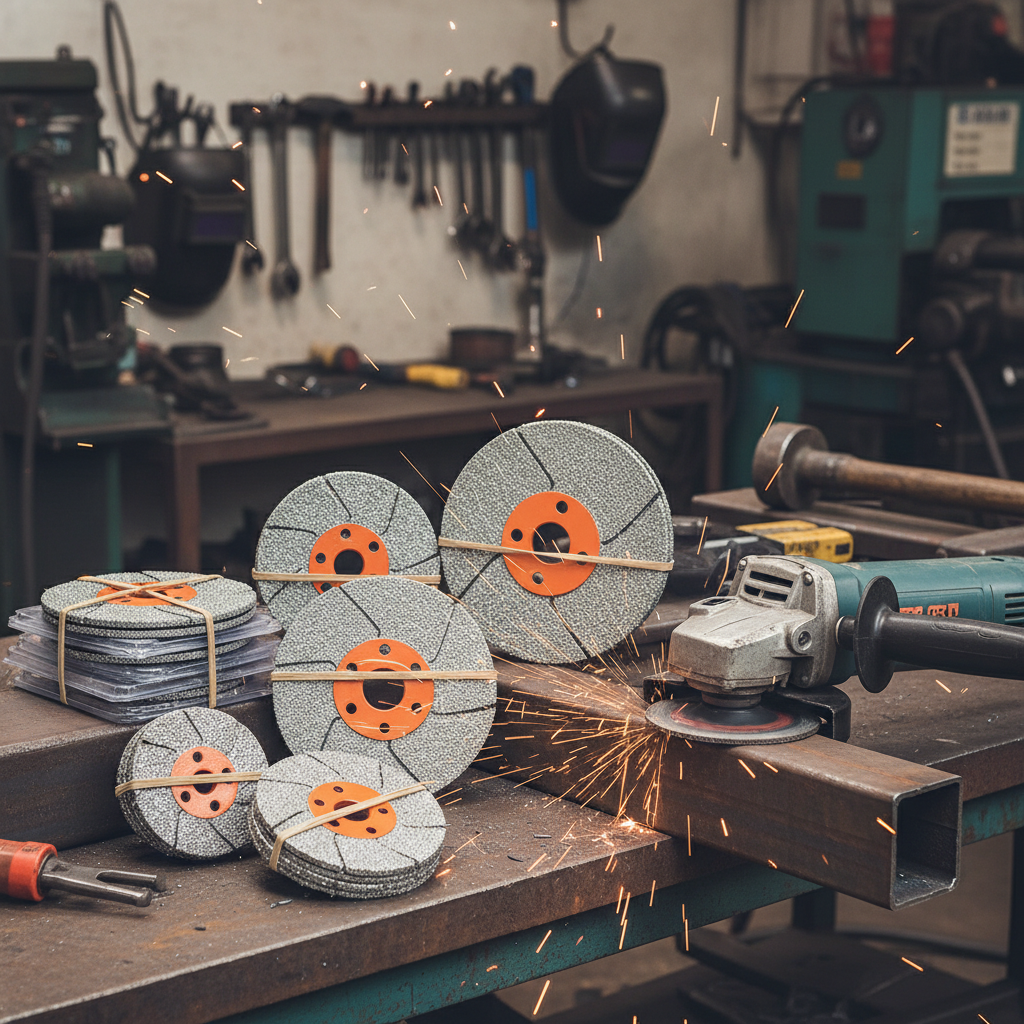
Different blade configurations – segmented, continuous rim, turbo – are designed for specific tasks. Segmented blades are ideal for general-purpose cutting, while continuous rim blades offer cleaner, quieter cuts. Turbo blades, with their angled slots, excel at fast material removal and wet cutting. Choosing the right blade for the job is half the battle.

The Global Relevance of Diamond Grinder Blades

Concrete is the most widely used construction material globally. The United Nations estimates over 10 billion cubic meters are produced annually, and that’s just concrete. Add in the demand for cutting stone, tile, and asphalt, and you're looking at a massive, multi-billion dollar industry relying on effective cutting tools. Even in developing nations, infrastructure projects are booming, increasing the demand for reliable and efficient grinder blade diamond technology.

The challenge? Traditional cutting methods can be slow, inefficient, and generate a ton of dust – a significant health and environmental hazard. Regulations are getting stricter, pushing the industry towards safer, cleaner solutions. This is where high-quality diamond blades come in, offering not only faster cutting but also reduced dust and noise pollution.

Furthermore, the ISO standards for concrete and stone cutting tools are continually evolving, demanding higher performance and durability. Companies that invest in cutting-edge blade technology are better positioned to meet these standards and compete in the global market.

Defining Grinder Blade Diamond: A Core Component of Modern Construction

Simply put, a grinder blade diamond is a cutting tool that uses industrial diamonds bonded to a metal core to abrade, grind, or cut hard materials. These aren't the sparkly gems you find in jewelry – these are tough, industrial-grade diamonds engineered for maximum cutting power and longevity.

Its connection to modern industry goes beyond construction. From mining and quarrying to road repair and even artistic stone sculpting, diamond blades are essential for countless applications. They’re critical for creating smooth, precise cuts in materials that would be impossible to work with using traditional tools.

And it’s not just about speed; it’s about precision. A quality blade allows for clean, accurate cuts, minimizing waste and reducing the need for rework. This is particularly crucial in projects demanding tight tolerances and aesthetic appeal.

Key Factors Influencing Diamond Blade Performance

There's more to a good blade than just 'diamonds'. Durability is huge. A blade that wears out quickly costs you time and money. Bond type – how the diamonds are held in the metal matrix – directly impacts how quickly it wears, and how it performs on different materials.

Scalability is another factor. Can the blade handle larger cutting jobs? Does it maintain its cutting efficiency as it wears? Cost efficiency isn't just about the initial price tag; it's about the lifespan of the blade and how much material it can cut before needing replacement. Then there’s safety – a blade that’s prone to chipping or breaking is a serious liability.

Diamond Blade Performance Metrics


Global Applications and Use Cases

In post-disaster relief operations, quickly cutting through concrete debris to rescue survivors or clear access routes is critical. A reliable grinder blade diamond can make the difference between minutes and hours.

In remote industrial zones, where access to replacement tools can be limited, durability is paramount. Mining operations rely heavily on diamond blades to extract valuable resources, and downtime is incredibly expensive.

Advantages and Long-Term Value of Premium Blades

Investing in a quality grinder blade diamond translates directly into cost savings. Fewer blade changes mean less downtime, reduced labor costs, and lower overall project expenses. From a sustainability perspective, a longer-lasting blade generates less waste.

But it’s more than just dollars and cents. A reliable blade enhances worker safety, reduces frustration, and allows crews to focus on delivering high-quality results. There’s a sense of confidence that comes with knowing your tools won’t let you down.

Future Trends and Innovations in Grinder Blade Diamond Technology

We’re seeing a move towards more sustainable blade manufacturing processes, utilizing recycled materials and reducing waste. Laser-welded blades are becoming increasingly popular, offering improved durability and precision.

Smart blades, equipped with sensors to monitor wear and performance, are on the horizon. This data can be used to optimize cutting strategies and predict when a blade needs to be replaced, further maximizing efficiency.

And there's a growing emphasis on dust control – blades designed to minimize dust generation are becoming essential for meeting increasingly stringent safety regulations.

Overview of Grinder Blade Diamond Performance Factors

Blade Segment Material Bond Hardness Level Diamond Grit Concentration Application Specificity
High-quality sintered metal matrix Medium-hard (6/10) Dense (8/10) General concrete cutting
Reinforced alloy composite Hard (9/10) Moderate (7/10) Granite and hard stone cutting
Nickel-bonded matrix Soft (4/10) Sparse (5/10) Asphalt and softer materials
Copper-infused metal Medium (7/10) High (9/10) Reinforced concrete with rebar
Ceramic-bonded matrix Very Hard (10/10) Low (3/10) Tile and porcelain cutting
Hybrid metal alloy Variable (adjustable) Adjustable Multi-material cutting applications

FAQS

What's the difference between a segmented and continuous rim diamond blade?

Segmented blades are ideal for general-purpose cutting, providing faster material removal but a rougher finish. They're great for tasks like cutting concrete for trenches or removing large sections of material. Continuous rim blades, on the other hand, offer a cleaner, smoother cut, perfect for applications where aesthetics are important, like cutting tile or creating precise edges on stone. They’re slower, but provide a much higher quality finish.

How do I choose the right bond hardness for my application?

Bond hardness refers to how quickly the metal matrix around the diamonds wears away. Softer bonds expose diamonds faster, making them ideal for abrasive materials like asphalt or green concrete. Harder bonds last longer but are better suited for harder materials like granite or cured concrete. If you’re cutting a mix of materials, a medium-hard bond is usually a good compromise. It's all about matching the bond to the material's hardness.

What does 'diamond grit' refer to?

Diamond grit refers to the size and quality of the diamond particles embedded in the blade. Larger grit sizes are more aggressive and remove material quickly, but leave a coarser finish. Smaller grit sizes provide a finer, smoother cut. The quality of the diamonds themselves is also crucial – industrial-grade diamonds are much harder and more durable than lower-quality alternatives.

Can I use a dry blade for wet cutting?

Generally, no. Dry blades aren’t designed to handle the cooling and flushing action of water. Using a dry blade wet can cause it to overheat and potentially damage the bond, leading to premature failure and even safety hazards. Always use a blade specifically designed for wet cutting when water is present.

How do I maximize the lifespan of my diamond blade?

Proper blade care is key. Avoid applying excessive pressure, let the blade do the work. Use the correct blade for the material you're cutting. Keep the blade clean and cool, especially during prolonged use. And store the blade properly to prevent damage to the diamond segments.

What safety precautions should I take when using a diamond blade?

Always wear appropriate personal protective equipment, including safety glasses, a dust mask, and hearing protection. Ensure the workpiece is securely clamped. Inspect the blade for cracks or damage before each use. And always follow the manufacturer's instructions for safe operation.

Conclusion

Investing in a quality grinder blade diamond isn’t just about buying a tool; it’s about investing in efficiency, safety, and long-term cost savings. From large-scale construction projects to small DIY tasks, the right blade makes all the difference. Understanding the technology behind these blades, the factors that influence performance, and the latest innovations empowers you to make informed decisions and get the job done right.

Looking ahead, we’ll continue to see advancements in blade technology, with a focus on sustainability, automation, and enhanced safety features. Don't settle for subpar performance. Visit www.mydiamondblade.com to explore our range of high-performance diamond blades and find the perfect solution for your next project.

Michael Chen

Michael Chen

Michael Chen is a Product Development Specialist at Mingye Tools Technologies. His focus lies in researching and testing new diamond formulations and bonding technologies to enhance the performance and lifespan of our tools. Michael collaborates with our engineering team to translate customer feedback and market demands into innovative product designs.
Previous Choosing the Right Grinder Blade for Cement A Comprehensive Guide
Next Maximize Efficiency and Safety with a High Performance dry diamond wheel
Can't Find The Products And Services You Need?
If you need our help,
Our staff will be happy to help and answer your questions!

Contact Us

Email: sales@mingyetools.com

Phone:0086-15369377868

Address

No.30 Gaoying Road ,Chang'an District,Shijiazhuang,Hebei Province

Business Hours

Mon to Saturday : 8.00 am - 7.00 pm

Sunday & Holidays : Closed

If you are interested in our products, you can choose to leave your information here, and we will be in touch with you shortly.