
Premium Diamond Cup Wheels for Concrete & Stone Grinding
Industry Trends and the Role of Diamond Cup Wheels in Modern Construction
The global construction and infrastructure development sectors are experiencing unprecedented growth, driving demand for high-performance tools that enhance efficiency, precision, and durability. In this dynamic landscape, diamond cup wheels have emerged as indispensable assets for professionals working with abrasive materials like concrete, masonry, and stone. These robust tools are at the forefront of surface preparation, grinding, and finishing tasks, offering superior material removal rates and extended service life compared to traditional abrasives.
Current industry trends emphasize not only raw power but also precision, dust management, and ergonomic design. Advancements in diamond technology, including improved bond formulations and segment designs, allow for faster, smoother, and more consistent grinding results. The increasing adoption of self-leveling compounds, polished concrete floors, and decorative concrete finishes further fuels the market for specialized diamond cup grinding wheels. Regulatory pressures for worker safety and environmental protection also drive innovation towards designs that facilitate dust extraction, minimizing airborne particles and ensuring healthier worksites.
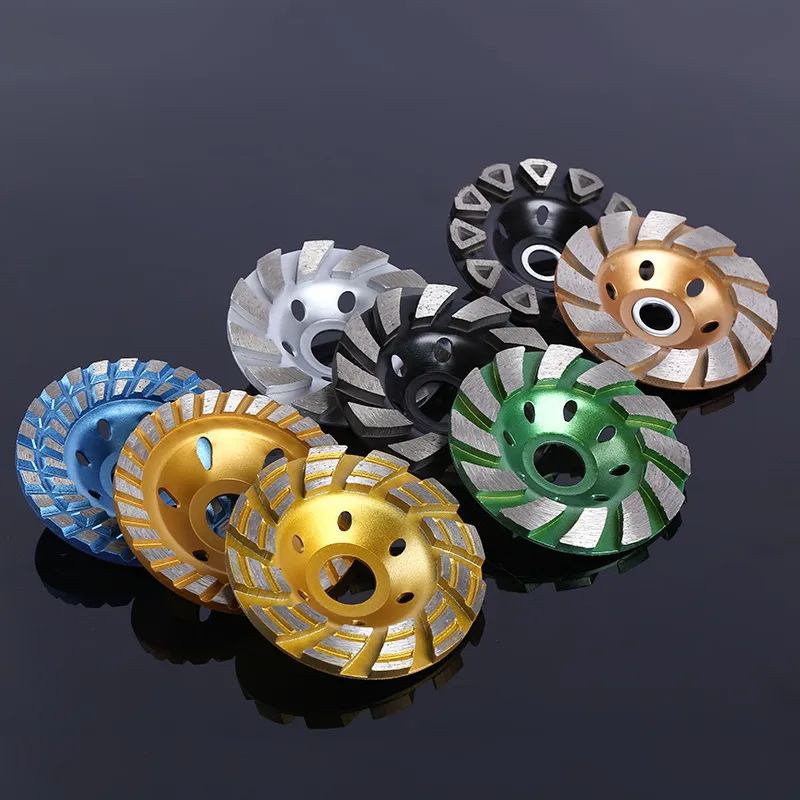
Understanding Diamond Cup Wheels: Structure, Parameters, and Performance
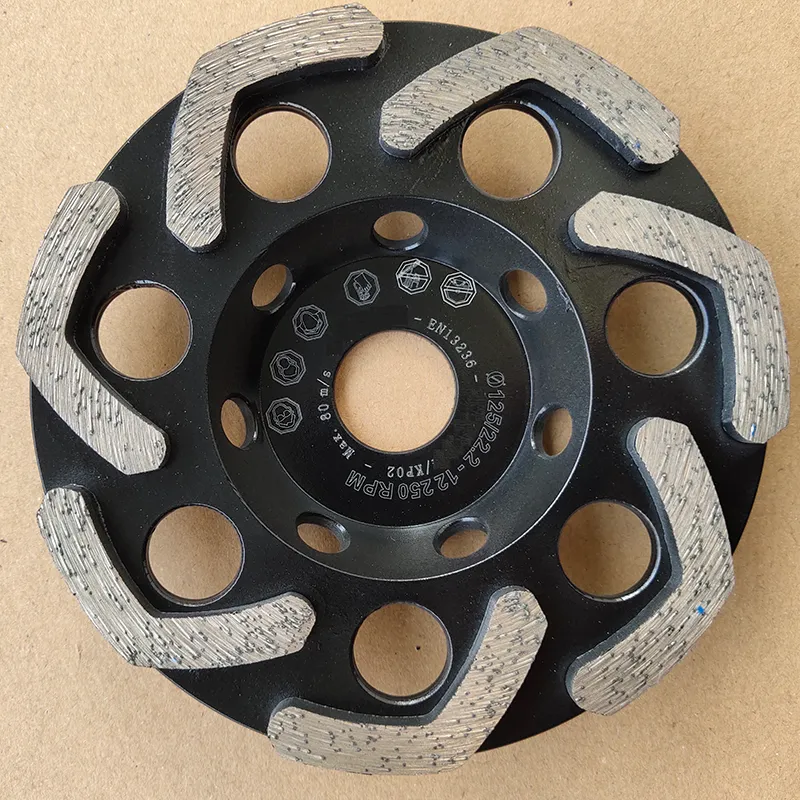
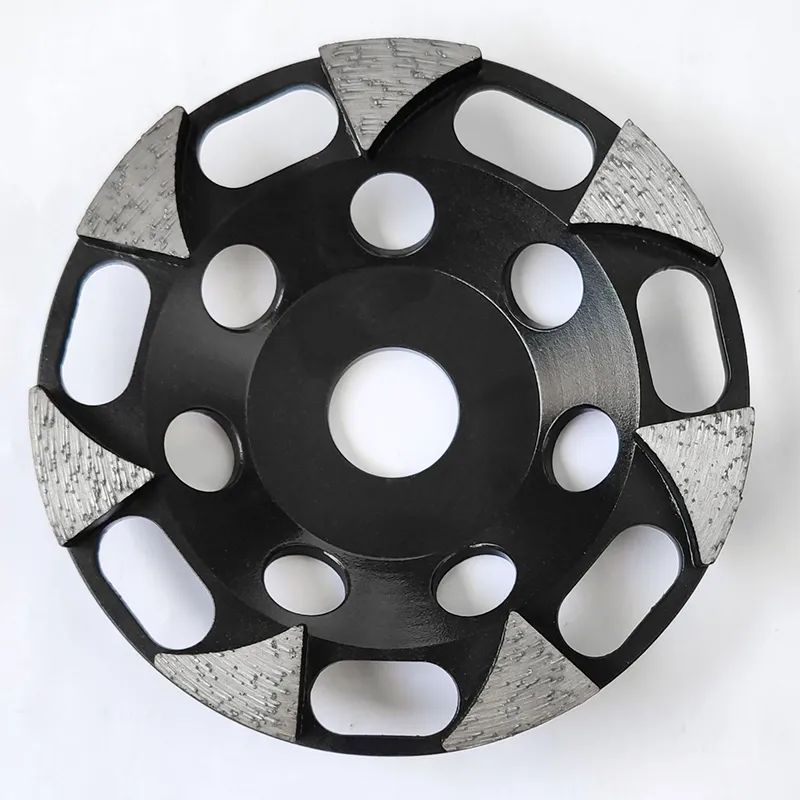
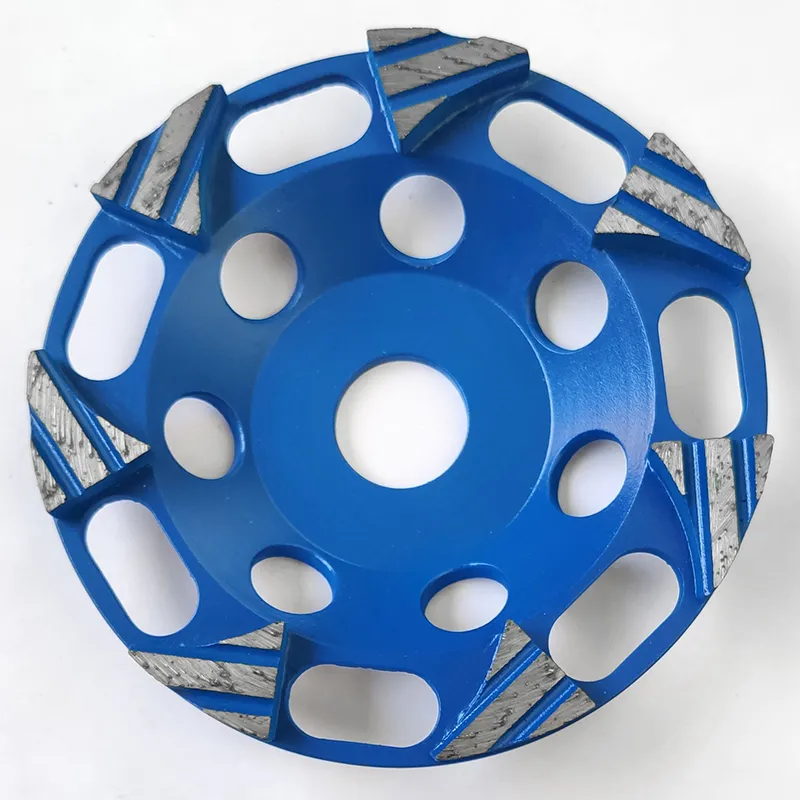
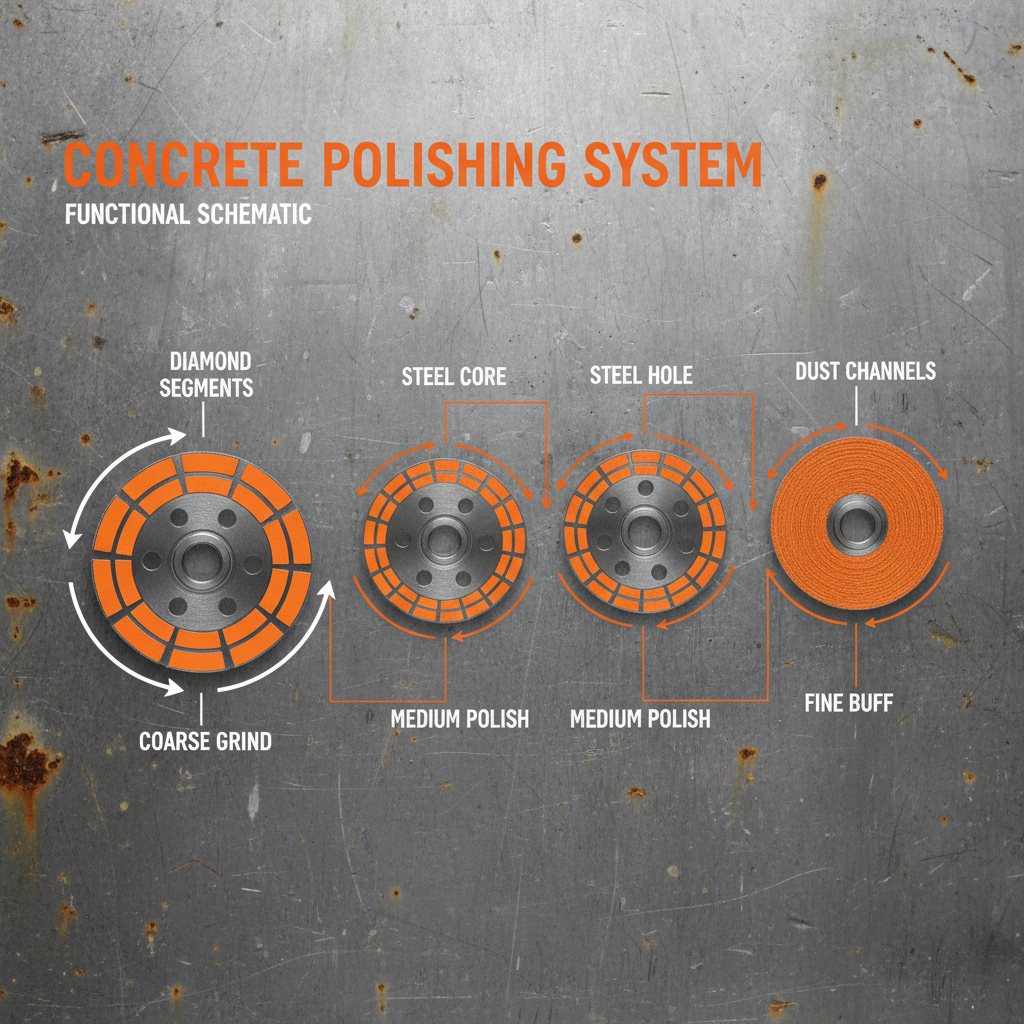
A diamond cup wheel is an abrasive tool designed for heavy-duty grinding and shaping applications. Its fundamental structure comprises a robust steel or aluminum body, to which diamond-impregnated segments are brazed or laser-welded. These segments are the working part of the wheel, containing industrial-grade diamonds uniformly dispersed within a metallic matrix (the bond).
Key Structural Components:
- Steel/Aluminum Body: Provides structural integrity and heat dissipation. Steel bodies are typically more robust for heavy-duty applications, while aluminum offers lighter weight for reduced fatigue.
- Diamond Segments: Composed of synthetic industrial diamonds (e.g., monocrystalline or polycrystalline) embedded in a metal bond. The concentration, quality, and size (grit) of these diamonds determine the wheel's aggressiveness and finish quality.
- Metal Bond: This crucial component holds the diamonds in place and wears away at a controlled rate to expose new diamond particles. Common bond types include hard bonds (for softer materials like green concrete), medium bonds (for general purpose), and soft bonds (for harder materials like cured concrete or granite).
- Arbor Hole: The central hole that mounts the wheel to a grinder spindle, typically ranging from 7/8" to 5/8" or M14 threaded for angle grinders.
Technical Parameters Influencing Performance:
- Diameter: Ranging from 4 inches (100mm) for small angle grinders to 10 inches (250mm) or larger for walk-behind floor grinders.
- Grit Size: Specifies the size of the diamond particles. Lower grit numbers (e.g., 16/20, 30/40) indicate coarser diamonds for aggressive material removal, while higher numbers (e.g., 80/100, 120/150) are for finer finishes.
- Segment Configuration:
- Single Row: Aggressive, fast cutting, less smooth finish. Ideal for initial material removal.
- Double Row: More balanced, good material removal with a smoother finish than single row.
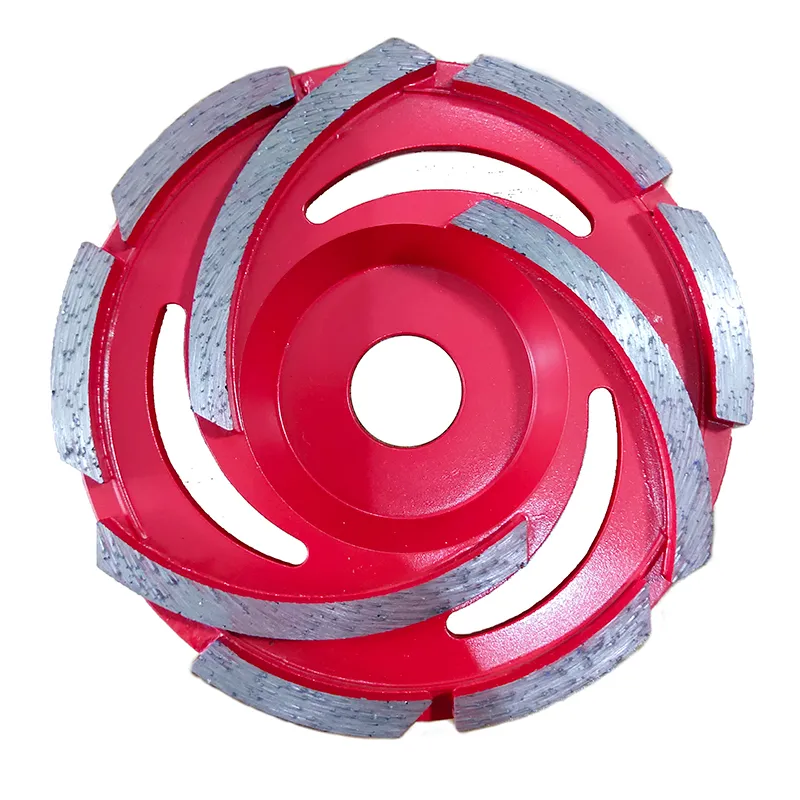
- Turbo: Continuous diamond rim for a very smooth finish, less aggressive removal. Excellent for precise work.
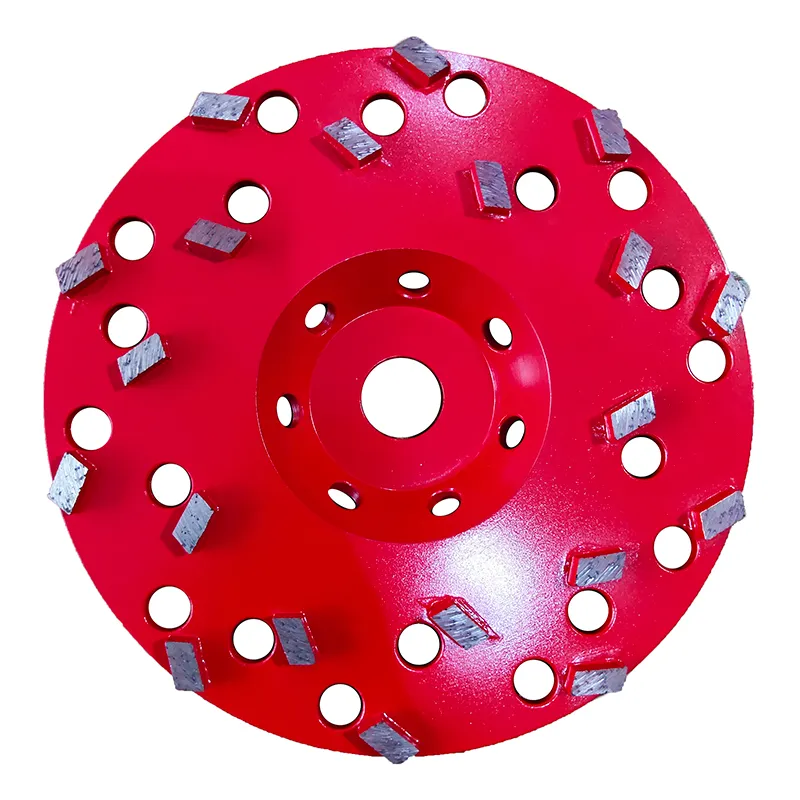
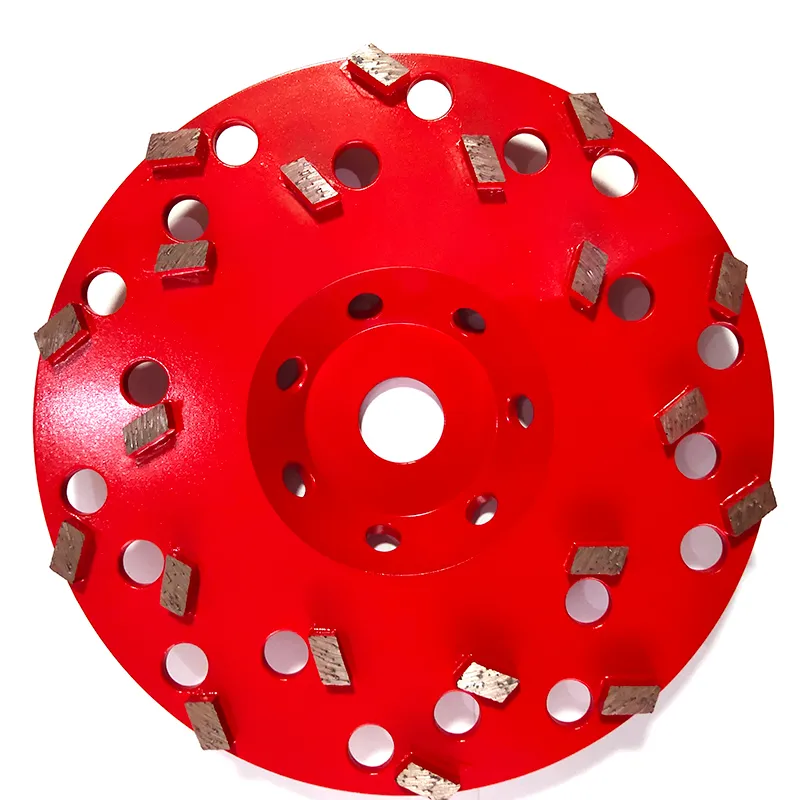
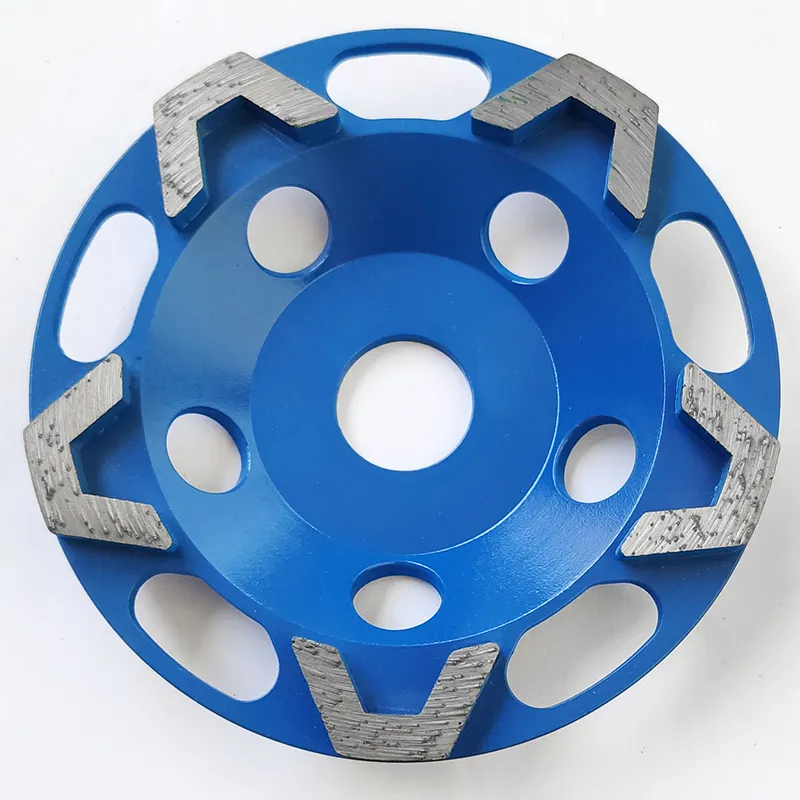
- Segmented/Arrow: Highly aggressive with large segments for very fast stock removal, often used for coatings or uneven surfaces.
- Bond Hardness: Must match the material being ground. A soft bond is needed for hard materials to ensure diamond exposure, and a hard bond for soft materials to prevent premature diamond loss.
The Manufacturing Process of High-Performance Diamond Cup Wheels
The production of high-quality cup grinding wheel involves a meticulous multi-stage process, ensuring optimal performance and longevity for the end-user. Adherence to international testing standards like ISO 9001 and ANSI B7.1 is critical at every step.
Process Flow:
- Material Selection: Begins with selecting premium industrial diamond grits, high-grade metal powders (e.g., cobalt, nickel, iron, copper) for the bond matrix, and robust steel or aluminum for the core body. The quality of these raw materials directly impacts the final product's performance and service life.
- Diamond Segment Manufacturing:
- Mixing: Diamond particles are precisely blended with the chosen metal powders according to specific bond formulas.
- Cold Pressing: The mixture is cold-pressed into segment molds under high pressure to form green (un-sintered) segments.
- Sintering (Hot Pressing): The green segments are then subjected to high temperatures and pressures in sintering furnaces. This process fuses the metal powders, encapsulating the diamonds within a dense, wear-resistant matrix. This step is crucial for achieving optimal bond strength and diamond retention.
- Core Body Machining: The steel or aluminum core bodies are typically manufactured through stamping, casting, or advanced CNC machining to ensure precise dimensions, balance, and arbor hole accuracy. This minimizes vibration during operation.
- Segment Attachment (Brazing/Laser Welding):
- Brazing: Segments are carefully positioned on the core body and then joined using a high-strength brazing alloy, typically in a controlled atmosphere furnace.
- Laser Welding: A more advanced method, laser welding offers superior bond strength and heat resistance, often preferred for heavy-duty applications. The laser precisely melts and fuses the segment to the steel core.
- Balancing and Truing: Each finished wheel undergoes dynamic balancing to eliminate vibrations, which ensures smooth operation, reduces tool wear on the grinder, and enhances user comfort. Truing ensures the wheel runs concentric.
- Quality Control & Testing: Rigorous checks are performed, including bond strength tests, segment integrity inspections, dimensional accuracy, and performance testing on various materials. Products must meet or exceed ISO and ANSI safety and performance specifications.
- Packaging: Wheels are carefully packaged to prevent damage during transit, often with protective covers for the diamond segments.
The service life of these tools, when manufactured to these standards, can far exceed conventional abrasives, leading to significant cost savings and reduced downtime in target industries such as construction, flooring, petrochemical (for infrastructure), and metallurgy (for surface finishing). The inherent properties of the materials and precision manufacturing contribute to energy saving through faster material removal and superior corrosion resistance for the tool's core.
Technical Specifications and Performance Data
The performance of a concrete grinding cup is primarily determined by its technical specifications, which are meticulously engineered for specific applications. Below is a detailed specification table for our premium "Diamond Cup Wheel For Grinding Concrete And Brick Or Stone," designed to meet the rigorous demands of professional use.
Product Specification Table: Diamond Cup Wheel For Grinding Concrete And Brick Or Stone
These specifications are crucial for matching the right diamond cup grinding wheels to the specific job and material, ensuring optimal performance, safety, and cost-effectiveness. The careful selection of diamond type and concentration, coupled with the appropriate bond, allows for efficient material removal while maintaining tool integrity and minimizing operator fatigue.
Application Scenarios and Target Industries
The versatility of diamond cup wheels makes them indispensable across a broad spectrum of industries and applications where efficient material removal and surface preparation are critical. Their ability to handle extremely hard and abrasive materials positions them as a core tool in various professional settings.
Key Application Scenarios:
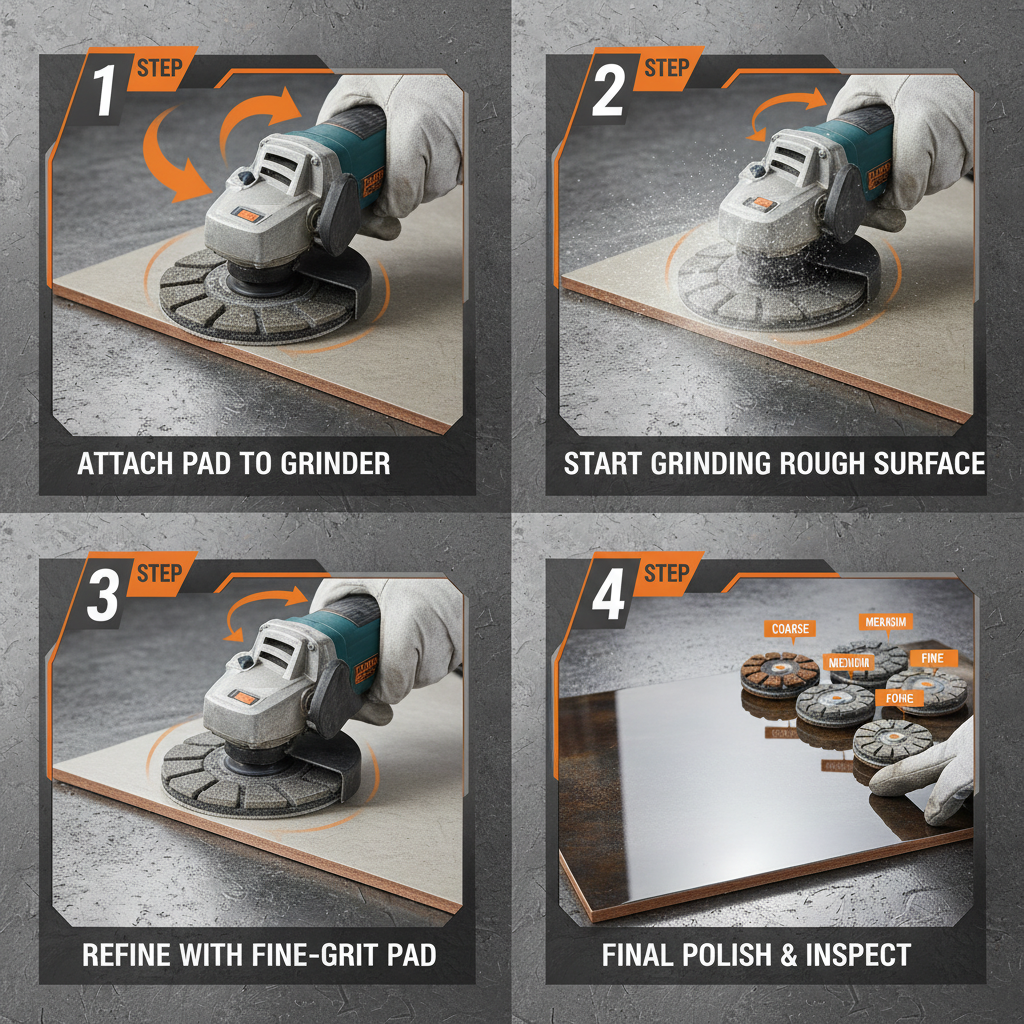
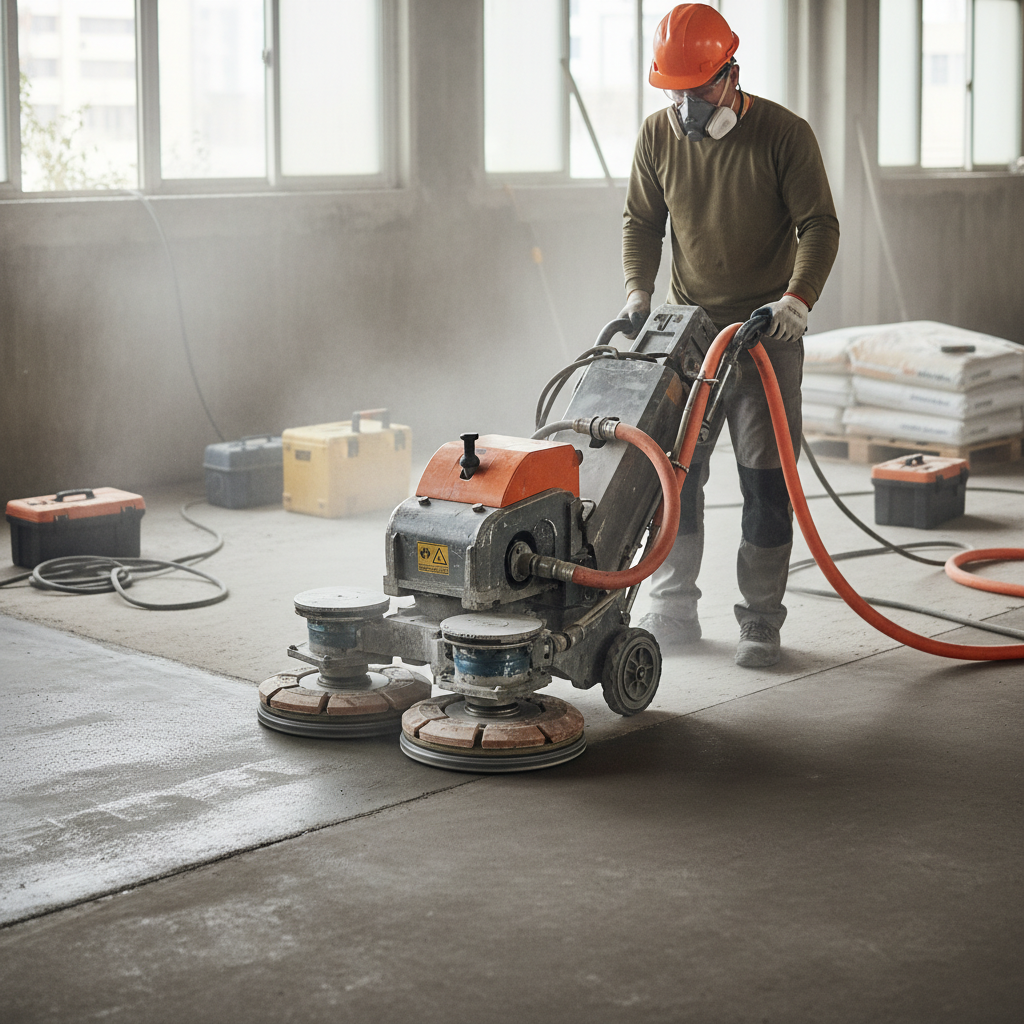
- Concrete Grinding and Leveling: Essential for preparing concrete floors for epoxy coatings, sealers, or polishing. They effectively remove high spots, smooth uneven surfaces, and create a level substrate for subsequent treatments.
- Surface Coating Removal: Efficiently strip away old paint, epoxy, mastic, glue, and other resilient coatings from concrete and masonry surfaces, revealing a clean profile for new applications.
- Brick and Stone Resurfacing: Used in masonry restoration to remove efflorescence, surface irregularities, or old mortar prior to repointing. Also suitable for shaping and smoothing natural stone.
- Edge Grinding and Chamfering: Precision tasks such as grinding edges of concrete slabs, stair treads, or creating chamfers for aesthetic and safety purposes.
- Aggressive Stock Removal: For situations requiring rapid material removal, such as reducing the thickness of concrete elements or removing severe spalling.
Target Industries:
- Construction & Civil Engineering: For concrete preparation, road repair, bridge maintenance, and foundational work.
- Flooring Contractors: Specializing in concrete polishing, decorative concrete, and industrial floor coatings.
- Restoration & Renovation: Crucial for historical building preservation, concrete repair, and facade cleaning.
- Masonry & Stone Fabrication: For shaping, smoothing, and finishing natural and artificial stone products.
- Water Supply & Drainage: Used in trenching, pipe laying, and maintaining concrete structures within water management systems.
- Petrochemical: For preparing concrete foundations and surfaces in refineries and chemical plants, where precision and durability are paramount.
Technical Advantages and Performance Edge
The inherent design and material science behind diamond cup wheels provide a distinct performance advantage over conventional abrasive tools. These advantages translate directly into increased productivity, enhanced safety, and superior finish quality for professional users.
Core Advantages:
- Exceptional Durability and Extended Service Life: Diamond segments offer extreme hardness and wear resistance, significantly outlasting silicon carbide or aluminum oxide abrasives. This reduces tool changeover time and overall consumable costs.
- High Material Removal Rates: The aggressive cutting action of industrial diamonds allows for faster grinding and surface preparation, drastically cutting down project timelines and labor costs.
- Precision and Consistency: Engineered segment patterns and diamond distribution ensure uniform grinding and consistent surface profiles, crucial for subsequent coatings or polishing.
- Versatility Across Materials: While optimized for concrete, brick, and stone, the range of bond hardnesses and grit sizes allows for effective grinding on various aggregate types, from soft green concrete to extremely hard cured concrete or granite.
- Reduced Vibration and Improved Ergonomics: Balanced core bodies and optimized segment designs minimize operational vibration, leading to less operator fatigue and enhanced safety.
- Enhanced Dust Control Capability: Many cup wheel designs incorporate strategic segment placement and cooling holes that aid in dust evacuation, especially when used with a dust shroud and vacuum system. This significantly improves air quality and visibility on the job site.
- Cost Efficiency (Energy Saving and Maintenance): By providing faster results and longer tool life, these wheels reduce the energy consumption per square meter of grinding and minimize the need for frequent tool replacements, contributing to overall project cost savings. The robust steel body ensures minimal corrosion, maintaining structural integrity over time.
These technical advantages underscore why diamond cup wheels are the preferred choice for demanding surface preparation tasks, offering a blend of performance, longevity, and economic efficiency that traditional abrasive solutions cannot match.
Vendor Comparison and Customized Solutions
When selecting a supplier for diamond cup wheels, B2B decision-makers and engineers must look beyond initial price to evaluate the total cost of ownership, which includes product performance, reliability, and the vendor's ability to provide tailored solutions. A robust vendor comparison considers several critical factors.
Key Vendor Comparison Criteria:
- Diamond Quality & Concentration: Superior vendors utilize high-grade industrial diamonds and precise concentration levels for optimal cutting efficiency and tool life.
- Bond Formulation Expertise: The ability to engineer specific metal bond formulations (hard, medium, soft) that perfectly match the abrasive characteristics of the target material (e.g., hard concrete vs. soft brick).
- Manufacturing Consistency: Adherence to strict quality control, including ISO and ANSI standards, ensures that every wheel performs predictably and reliably.
- Research & Development Investment: Vendors committed to R&D continuously innovate segment designs, diamond integration, and body construction to improve performance and address new application challenges.
- Technical Support & Consultation: The availability of expert technical support to help clients select the right wheel for their specific application, troubleshoot issues, and optimize grinding parameters.
- Certifications and Authoritative References: Demonstrates commitment to quality, safety, and environmental standards (e.g., ISO 9001, CE marking).
The Value of Customized Solutions:
While standard off-the-shelf diamond cup wheels serve many general applications, specialized projects often benefit immensely from customized solutions. A reputable manufacturer offers the capability to tailor wheels based on:
- Aggregate Hardness & Type: Adjusting bond hardness and diamond grit to optimize performance on specific concrete mixes (e.g., soft concrete with hard aggregate vs. hard concrete with soft aggregate).
- Machine Compatibility: Designing wheels for specific grinder models (e.g., angle grinders, floor grinders), considering RPM, power output, and dust extraction systems.
- Desired Finish & Removal Rate: Customizing segment geometry and diamond configuration to achieve a specific finish (from aggressive stock removal to fine surface preparation).
- Special Applications: Developing unique solutions for challenging tasks like adhesive removal, highly abrasive refractory grinding, or delicate stone shaping.
Engaging with a vendor that provides in-depth technical consultation and custom manufacturing capabilities ensures that the tools are perfectly matched to the project requirements, maximizing efficiency and achieving superior results.
Application Case Studies & Proven Experience
Our extensive experience in providing diamond cup wheels to diverse industries has demonstrated significant improvements in project efficiency, cost reduction, and finish quality. Below are examples of how our products have delivered tangible benefits in real-world scenarios.
Case Study 1: Large-Scale Industrial Warehouse Floor Preparation
A leading logistics company required rapid and thorough preparation of a 10,000 sq meter concrete floor for the application of a high-performance epoxy coating. The existing floor had significant high spots and residues from previous coatings. Utilizing our 7-inch double-row diamond cup wheels with a medium-hard bond and #30/40 grit, paired with commercial floor grinders, the contractor achieved a perfectly profiled surface. The aggressive yet consistent removal capabilities of the wheels reduced the project timeline by 25% compared to previous methods, significantly cutting labor costs and ensuring optimal adhesion for the new coating. The client reported exceptional tool life, minimizing replacements and downtime.
Case Study 2: Historic Brick Facade Restoration
A specialized restoration firm was tasked with cleaning and preparing the brick facade of a historic municipal building for repointing and sealing. The brickwork was delicate, and previous attempts with abrasive blasting proved too aggressive. Our 4-inch turbo-style diamond cup wheels with a softer bond and #60/80 grit were deployed on angle grinders. This specific configuration allowed for controlled, gentle material removal, effectively cleaning off years of grime and superficial damage without damaging the underlying brick or mortar lines. The precise control offered by these wheels was crucial for preserving the architectural integrity, leading to a pristine finish and exceeding preservation standards.
Case Study 3: Highway Bridge Deck Leveling
For a critical infrastructure project involving the resurfacing of a concrete bridge deck, precise leveling was paramount to ensure even weight distribution and extended road life. The challenge involved grinding down uneven expansion joints and high spots across a challenging, high-strength concrete surface. Our custom-designed 7-inch segmented arrow diamond cup wheels, engineered with a robust, hard bond and aggressive #20/30 grit, were integral to the process. These wheels delivered unmatched material removal rates while maintaining a consistent profile, which was essential for the subsequent application of waterproofing membranes and asphalt overlays. The project was completed ahead of schedule, attributing much of the efficiency to the superior performance and durability of the grinding tools.
Trustworthiness: FAQ, Lead Time, Warranty, and Support
Building trust with our B2B partners is paramount. We stand by the quality of our products and the integrity of our services. This section addresses common concerns regarding product use, logistics, and post-purchase support.
Frequently Asked Questions (FAQ):
- Q: How do I choose the correct diamond cup wheels for my application?
- A: The choice depends on the material (concrete hardness, presence of aggregate, coatings), desired finish, and machine type. Generally, a harder bond is for softer materials and a softer bond for harder materials. Coarser grits (lower numbers) are for aggressive removal, finer grits (higher numbers) for smoother finishes. Our technical sales team can provide expert consultation.
- Q: Can these wheels be used for wet grinding?
- A: Most of our diamond cup wheels are designed primarily for dry grinding, especially when paired with dust extraction systems. However, certain specialized models can be used for wet grinding. Please consult the product specifications or our technical support for specific recommendations.
- Q: What is the expected service life of a diamond cup wheel?
- A: Service life varies significantly based on the material being ground, operator technique, machine power, and the specific wheel's bond and grit. Typically, our premium wheels offer 50-150 working hours. Proper selection and use can maximize this lifespan.
- Q: Are your products compliant with safety standards?
- A: Absolutely. All our diamond cup wheels are manufactured and tested to meet or exceed international safety and performance standards, including ISO 9001 quality management and ANSI B7.1 safety requirements for abrasive wheels. Our facilities are also certified by relevant authorities, and products carry necessary CE marking where applicable.
Lead Time & Fulfillment Details:
We maintain robust inventory levels for our standard diamond cup wheels to ensure prompt delivery. Typical lead times are:
- Standard Orders: 3-7 business days for shipping from our primary distribution centers.
- Bulk Orders: 7-14 business days, depending on volume and current stock.
- Customized Solutions: Lead times are project-specific, typically ranging from 2-4 weeks after final design approval, to accommodate specialized manufacturing processes.
Expedited shipping options are available upon request to meet urgent project deadlines.
Warranty Commitments:
We offer a comprehensive warranty against manufacturing defects in materials and workmanship for a period of 1 year from the date of purchase. This warranty ensures that our products meet the highest standards of quality and performance. Any product found to be defective under normal use will be replaced or repaired at our discretion.
Dedicated Customer Support:
Our commitment to our clients extends beyond the sale. We provide robust after-sales support to ensure seamless operation and customer satisfaction:
- Technical Assistance: Our team of product specialists and engineers is available to provide guidance on product selection, usage, and troubleshooting.
- Online Resources: Access to detailed product manuals, safety guidelines, and application guides on our website.
- Responsive Communication: Dedicated account managers and customer service representatives are available via phone and email to address inquiries promptly.
Conclusion
The evolution of construction and industrial demands continues to elevate the performance expectations for abrasive tools. Diamond cup wheels stand as a testament to advanced engineering and material science, offering unparalleled efficiency, durability, and precision for grinding and surface preparation of hard, abrasive materials. From high-volume concrete floor preparation to intricate masonry restoration, these tools are pivotal in achieving superior results while contributing to operational efficiency and safety. As industry leaders, our commitment to innovation, rigorous quality control, and comprehensive customer support ensures that our partners are equipped with the most reliable and effective solutions for their most challenging projects.
Authoritative References:
- ISO 9001:2015 - Quality management systems — Requirements. International Organization for Standardization.
- ANSI B7.1 - Safety Requirements for the Use, Care, and Protection of Abrasive Wheels. American National Standards Institute.
- J.F. Marcon, P. L'Hostis, A. Pollet. (2018). Diamond tool performance in grinding concrete: Influence of diamond size and concentration. Journal of Construction Engineering and Management, 144(7).
- Concrete Polishing Association of America (CPAA) - Technical Guidelines for Surface Preparation and Grinding.
- Dr. Michael W. King, Ph.D. (2020). The Science of Diamond Tooling: Bonds, Grits, and Applications. Abrasives Technology Institute White Paper.
Related Products
Related Products





Address
No.30 Gaoying Road ,Chang'an District,Shijiazhuang,Hebei Province
Business Hours
Mon to Saturday : 8.00 am - 7.00 pm
Sunday & Holidays : Closed
.png )