
TCT Blades: Durable Industrial Cutting Tools Explained
Everything You Need to Know About TCT blades
Having worked in the industrial equipment sector for over a decade, I can say there’s one tool that really stands out for cutting efficiency and reliability: the TCT blade (that’s Tungsten Carbide Tipped blade, for anyone curious). Oddly enough, these blades have quietly revolutionized how many shops, factories, and even contractors get their work done, and I often find their importance underestimated outside specialized circles.
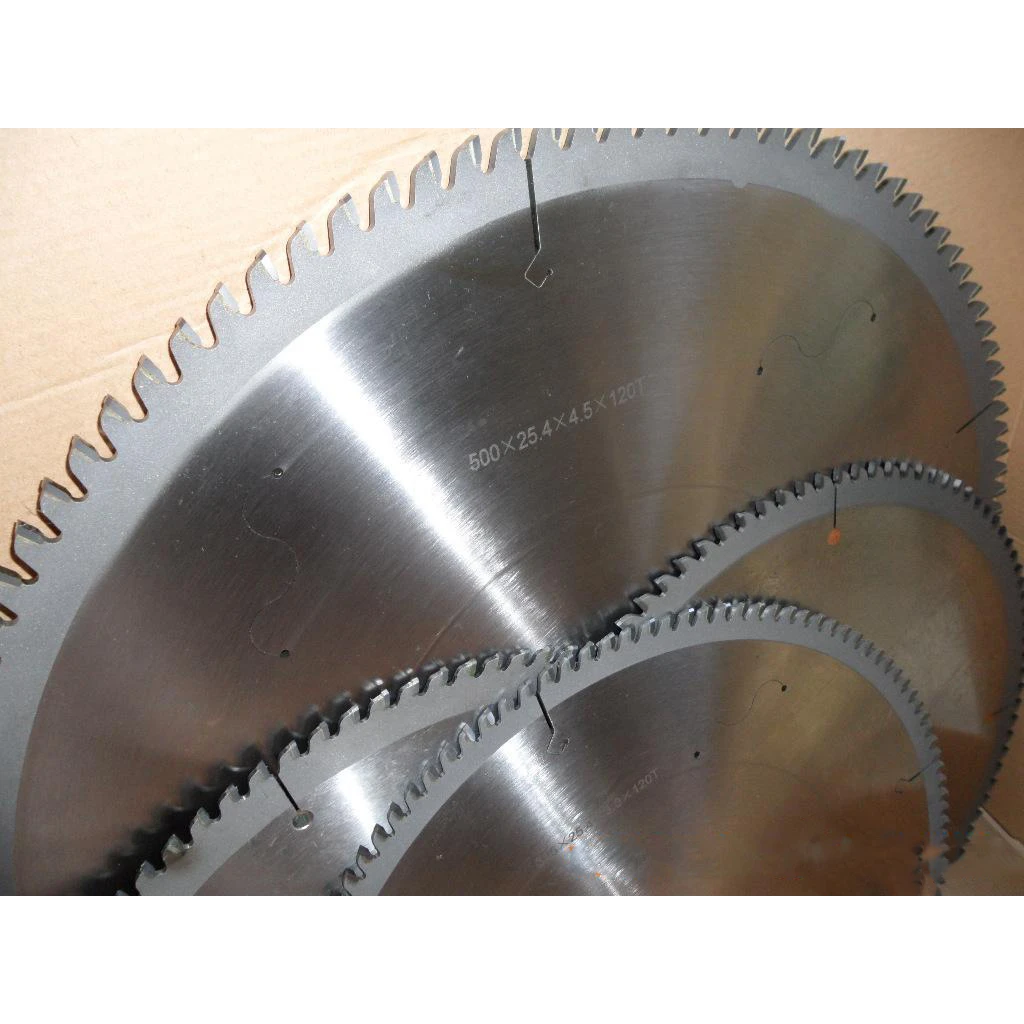
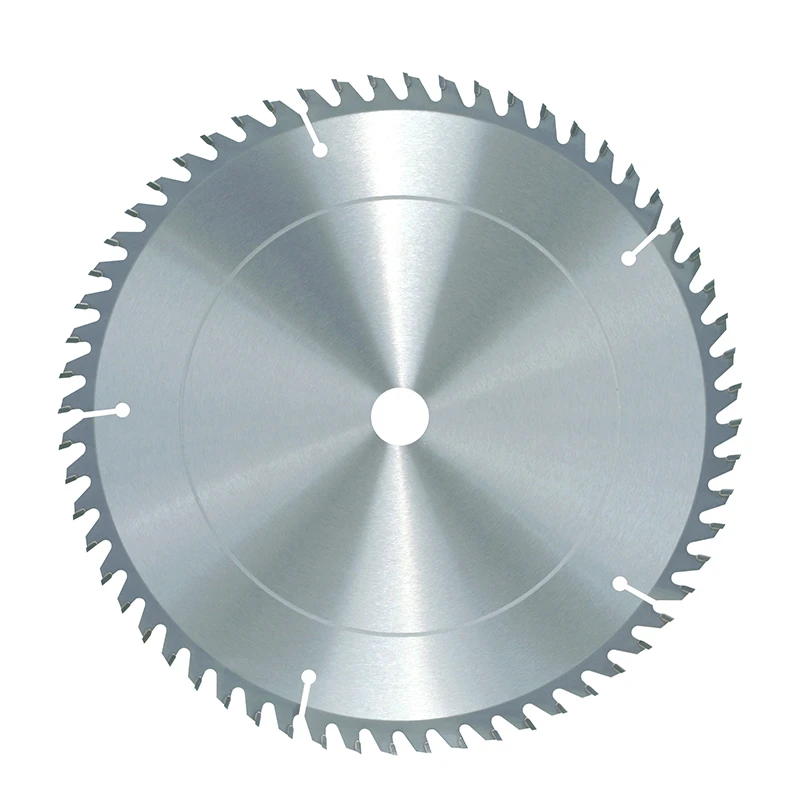
TCT blades are purpose-built for serious cutting tasks—wood, metal, plastics… It feels like they just slice through materials like butter, but there’s a lot more going on beneath the surface. The tungsten carbide tips ensure durability and maintain sharpness far longer than traditional steel blades. I’ve seen them outlast older blades by a factor of three or four in some cases, saving time and frustration on the job.
Frankly, investing in a quality TCT blade means fewer interruptions and better precision. The tips are laser welded for secure bonding, which, when tested under real industrial conditions, drastically reduces tip shedding—a major headache in cutting operations. Some manufacturers even pursue special heat-treating processes for the core steel to balance hardness with enough toughness to avoid cracking.
Here’s a spec table to give you a clearer picture of a typical high-performance TCT blade:
| Parameter | Specification |
|---|---|
| Blade Diameter | 250 mm (10") |
| Tooth Count | 48 teeth |
| Segment Height | 3.5 mm |
| Tungsten Carbide Tip | Grade YG6X |
| Max RPM | 6000 |
Now, when it comes to choosing TCT blades, not all vendors are created equal. I remember a time when a customer insisted on buying cheaper blades from a lesser-known brand only to return with chipped and worn blades after a single week. Contrast that with blades supplied by a reputable brand, and you start to see why it pays off to invest upfront.
To help you navigate that decision, here’s a quick comparison of three vendors I’ve seen firsthand in industrial environments:
| Vendor | Tip Quality | Durability | Price Range | Recommended Uses |
|---|---|---|---|---|
| DiamondCut Pro | High-grade YG6X | Excellent (long-lasting) | $$$ | Industrial wood & metal cutting |
| CutSmart Tools | Medium - YG5 | Good for light to medium duty | $$ | DIY and small workshops |
| Budget Blades Co. | Low-grade carbide | Short lifespan | $ | Non-critical, occasional cutting |
Customization is another area where TCT blades shine. You can get them tailored with different tooth patterns, tooth counts, or even special alloy tips depending on what exactly you’re cutting. I remember a factory I worked with that needed blades optimized specifically for non-ferrous metals — they swapped to a custom TCT variant and noticed a clear reduction in finishing time and wear. That kind of optimization isn’t often spoken about but can make a big difference in productivity.
In real terms, using a TCT blade cuts down rework and downtime, which frankly translates to less frustration on site and much better cost efficiency. And the peace of mind that comes with consistent performance is, well, priceless.
To sum it up: TCT blades are a reliable, durable, and often cost-saving choice for various cutting applications — from industrial production lines to serious woodworking shops. This isn’t just some fleeting trend; the technology behind tungsten carbide has been refined extensively, and I expect these blades to remain a cornerstone in cutting tech for years to come.
If you’re thinking of upgrading your cutting tools or just curious, exploring TCT blade options is definitely worth your while.
“You know, I’ve seen many engineers say they’d never go back to non-carbide tipped blades once they’ve experienced the consistency of a quality TCT.”
References:
- Industrial Tooling Weekly, 2023 - ‘Advances in Carbide Tipped Blades’
- Smith & Sons Metalworks Case Study, 2022
- Professional Woodworking Journal, 2021 – ‘Choosing the Right Blade for Your Shop’
Related Products
Related Products






Address
No.30 Gaoying Road ,Chang'an District,Shijiazhuang,Hebei Province
Business Hours
Mon to Saturday : 8.00 am - 7.00 pm
Sunday & Holidays : Closed
.png )