The Ultimate Guide to Blade for Cutting Porcelain Slabs – Precision Tools for Modern Surfaces
Why a Quality Blade for Cutting Porcelain Slabs Matters Worldwide
If you've ever tackled a home renovation project or worked in construction, you'll know how unforgiving porcelain slabs can be. Their durability and aesthetic appeal have made porcelain surfaces a global favorite, but cutting them without the right tools? That’s a headache nobody needs. The blade for cutting porcelain slabs is more than just a specialized tool—it's a game changer for craftsmen, architects, and manufacturers worldwide. Understanding these blades means saving time, reducing waste, and keeping projects on schedule. Plus, it elevates the quality of the final product, a benefit every stakeholder values.
Introduction: The Global Demand for Precision Cutting in Porcelain
Porcelain slabs have surged in popularity, thanks in part to their strength, resistance to stains, and sheer beauty. According to the International Organization for Standardization (ISO), the global market for porcelain tiles is expected to grow steadily over the next decade.[1] Yet, behind this booming market lies a big challenge: cutting these slabs with precision and minimal damage.
Traditional cutting tools often lead to cracking or inefficient waste. That’s where the blade for cutting porcelain slabs steps in, designed explicitly to handle the hardness and brittleness porcelain presents. From factory floors in Asia to artisanal workshops in Europe, the need for blades engineered specifically for these slabs is a unifying challenge.
What Exactly Is a Blade for Cutting Porcelain Slabs?
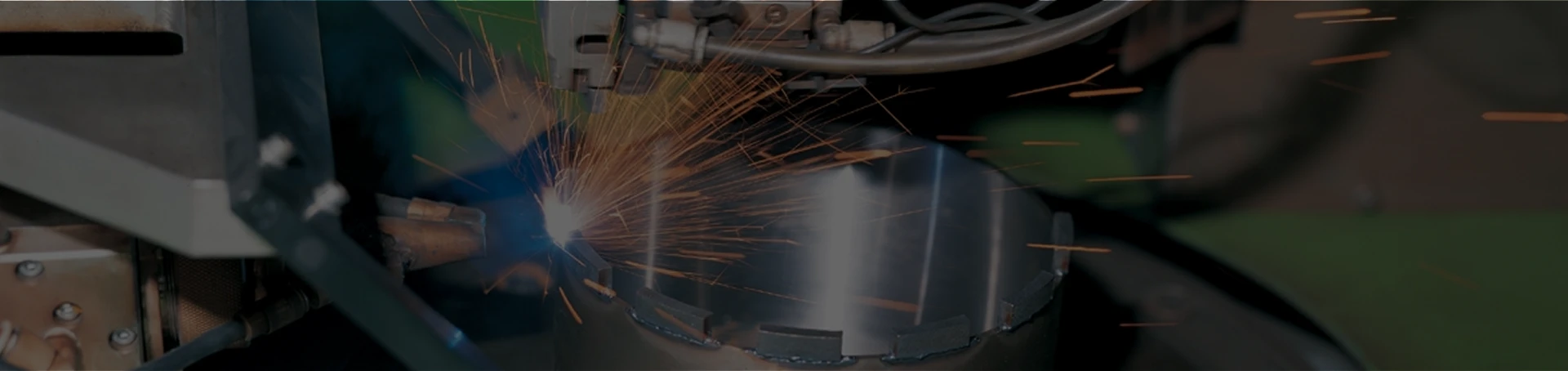
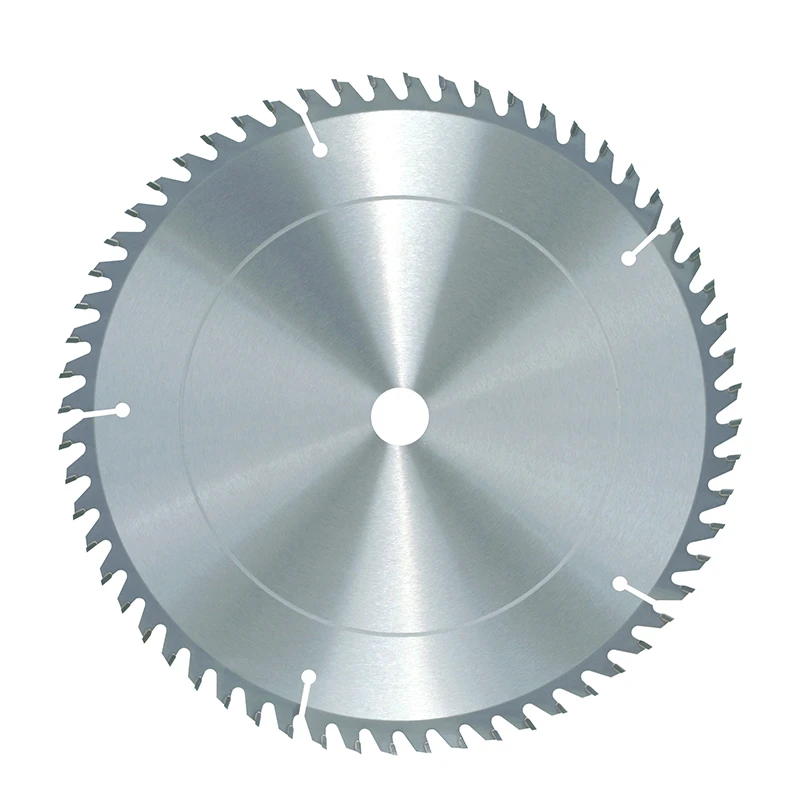
At its core, this blade is a specially engineered cutting tool designed to slice through porcelain slabs cleanly, without chipping or cracking. Typically embedded with industrial-grade diamonds, these blades leverage the abrasiveness and hardness of diamond to efficiently score and cut through porcelain’s tough surface.
This isn’t your typical saw blade. The diamond coating, blade diameter, and bond strength are all precisely balanced to optimize the cutting process. In practice, these blades bridge the gap between raw material and finely finished product in industries vital to modern building and design.
Inside the Blade: Key Factors Defining Performance
1. Durability
Porcelain is unforgiving, so a blade’s edge must resist wear and tear consistently. Manufacturers often use synthetic diamonds embedded in metal bonds, which strike a sweet spot between longevity and cutting performance.
2. Precision Cutting
The thickness of the blade and quality of the diamond grit determines how clean the cut is. A thinner blade can offer more precision but might wear out faster. Oddly enough, many professionals find a middle ground works best for most projects.
3. Cooling and Dust Management
Cutting porcelain generates heat and dust, which can degrade blades and harm workers. High-quality blades often come paired with water-cooling systems or dust extraction designs to manage these factors.
4. Versatility
Some blades are tailor-made for dry cuts, others prefer wet cutting processes. Knowing the blade’s compatibility with different saws—handheld, bridge saws, or CNC machines—can save a lot of headaches.
5. Cost Efficiency
Of course, the blade’s initial cost versus its lifespan and the quality of cuts is a balancing act. A longer-lasting blade might cost more upfront but pays dividends by reducing downtime and slab wastage.
Blade for Cutting Porcelain Slabs: Real-World Uses Across Industries
From upscale kitchen renovations in North America to large-scale commercial projects in the Middle East, these blades are everywhere. Porcelain slabs grace hotel lobbies, hospitals, and airports, so industries from construction to tile manufacturing depend on optimal blade performance.
- Manufacturing: Completing clean cuts in production lines drives efficiency and cuts costs.
- Artisanal Workshops: Designers crafting custom tile patterns rely on precision to keep their work sharp and beautiful.
- Post-Disaster Reconstruction: Especially in places where rebuilding must be rapid yet long-lasting, porcelain’s durability makes it ideal—and the right blades enable faster installation.[2]
Quick takeaway:
Choosing the proper blade for cutting porcelain slabs improves everything—from the finish quality to project timelines—affecting a wide range of sectors globally.
The Pros of Investing in the Right Blade
- Cost Reduction: Less breakage means fewer slab replacements.
- Project Speed: Efficient cuts shorten installation and finishing time.
- Worker Safety: Controlled dust and cooler cutting reduce hazards.
- Environmental Impact: Precision cuts reduce material waste and energy.
- Design Freedom: Artisans can attempt more intricate shapes without fear of ruining material.
What’s Next? Future Trends and Innovations
The blade industry isn’t standing still. Incorporating artificial intelligence and sensor technology into cutting equipment means blades can adjust speed, force, and cooling dynamically—prolonging life and improving results. Plus, "green" initiatives push for more recyclable blade materials and water-saving cutting technologies.
As digital fabrication grows,blades for cutting porcelain slabs evolve to integrate seamlessly with CNC and robotic saws, driving precision and repeatability higher than ever.
Challenges Still on the Table — and How to Beat Them
Not every blade can cut every kind of porcelain slab. The biggest challenge remains matching blade bond hardness with slab composition. Too soft and the blade wears quickly; too hard and the blade won’t cut efficiently.
Experts suggest a combination of rigorous testing, user training, and flexible products that adapt to user feedback. Meanwhile, some innovative vendors now offer blades with interchangeable segments designed for different porcelain grades.
Frequently Asked Questions About Blades for Cutting Porcelain Slabs
- Q1: What blade type is best for thick porcelain slabs?
- A1: For thicker slabs (20mm+), use diamond blades with a reinforced metal bond and continuous rim. They offer better heat dissipation and cleaner finish.
- Q2: Can I use a dry cutting blade instead of a wet cutting blade?
- A2: Wet cutting blades reduce dust and heat, extending blade life and improving safety. Dry cutting blades are convenient but often wear faster; they are best for smaller jobs or fieldwork.
- Q3: How often should I replace my porcelain cutting blade?
- A3: It depends on usage, but generally every 40-50 hours of cutting to maintain clean edges and reduce breakage risk.
- Q4: Are diamond-coated blades recyclable?
- A4: Many modern blades use recyclable metal cores, but diamond grit recovery is challenging. Emerging eco-friendly tech aims to improve recyclability in the near future.
Quick Look: Blade Specifications at a Glance
| Specification | Typical Value | Notes |
|---|---|---|
| Diameter | 10” to 14” (250-350 mm) | Fits standard saws |
| Grit Size | 40 - 60 mesh | Fine enough for clean cuts |
| Bond Type | Metal bond | Durable & heat resistant |
| Cut Type | Wet & dry options | User dependent |
Comparing Leading Manufacturers of Porcelain Cutting Blades
| Brand | Special Features | Best For | Average Price |
|---|---|---|---|
| DiamondPro | Reinforced metal bonds, low dust | Heavy industrial use | $120 - $160 |
| CeramEdge | Fine grit, specialized for thin slabs | Artisans & custom designs | $90 - $130 |
| EcoBlade | Recyclable core, water-efficient | Eco-conscious projects | $110 - $140 |
Wrapping It Up
Investing in the right blade for cutting porcelain slabs isn’t just about having a tool; it’s about embracing efficiency, safety, and quality on every project. From reducing waste to enabling intricate designs, these blades prove they're crucial allies for builders, artists, and manufacturers worldwide. If you want to cut porcelain with confidence, precision, and lasting performance, a smart choice in your blade is the first step.
For more tips and high-quality options, visit our website and explore our range tailored specifically for porcelain slab cutting needs.
References
- ISO International Standards Organization – Market forecast for construction materials
- Disaster Recovery – Wikipedia
- Diamond Cutting Tool – Wikipedia
Related Products
Related Products





Address
No.30 Gaoying Road ,Chang'an District,Shijiazhuang,Hebei Province
Business Hours
Mon to Saturday : 8.00 am - 7.00 pm
Sunday & Holidays : Closed
.png )