
What Type of Saw Do I Need to Cut Wood? Complete Guide for Woodworkers
What Type of Saw Do I Need to Cut Wood? An Essential Guide
Cutting wood seems straightforward at first glance—just a blade and some muscle, right? But any carpenter, hobbyist, or builder will tell you it’s far more nuanced. Choosing the right saw not only impacts the quality of your cut but can also save you time, reduce waste, and keep you safe. In a world where sustainable forestry and efficient construction are increasingly critical, knowing what type of saw do I need to cut wood isn't just a handy trick—it’s an important contributing factor to resource management and craftsmanship.
Global & Industry Context: Why the Right Wood-Cutting Tool Matters
Wood remains a fundamental raw material worldwide—used in everything from housing to furniture to fuel. According to the Food and Agriculture Organization of the United Nations (FAO), global wood production reached over 4 billion cubic meters annually. That’s a lot of trees—and how we process that wood speaks to broader sustainability goals as well as economic efficiency.
Oddly enough, the choice of saw often gets overlooked in sustainable resource use discussions, but the type of saw you use can influence waste reduction, energy use, and even worker health. For example, a cutting tool that’s inefficient can generate more sawdust, splintered wood, or failed cuts, increasing material waste. At the industrial scale—lumber mills, construction projects, or furniture workshops—this inefficiency quickly translates into millions of dollars lost and tons of unnecessary environmental impact.
Defining ‘What Type of Saw Do I Need to Cut Wood’
Simply put, the question probes the selection of a saw based on the wood type, project specifics, and user needs. It’s essentially about picking the right tool to make clean, safe, and efficient cuts—whether you're slicing hardwood planks, trimming plywood sheets, or making delicate dovetail joints.
From circular saws to jigsaws, from bowsaws to chainsaws, each saw type serves purposes grounded in history and refined by modern demands. It connects to everything from artisanal cabinetry to emergency relief construction where wood cutting speed and portability might save lives or money.
Core Factors in Choosing the Right Saw
1. Blade Type & Size
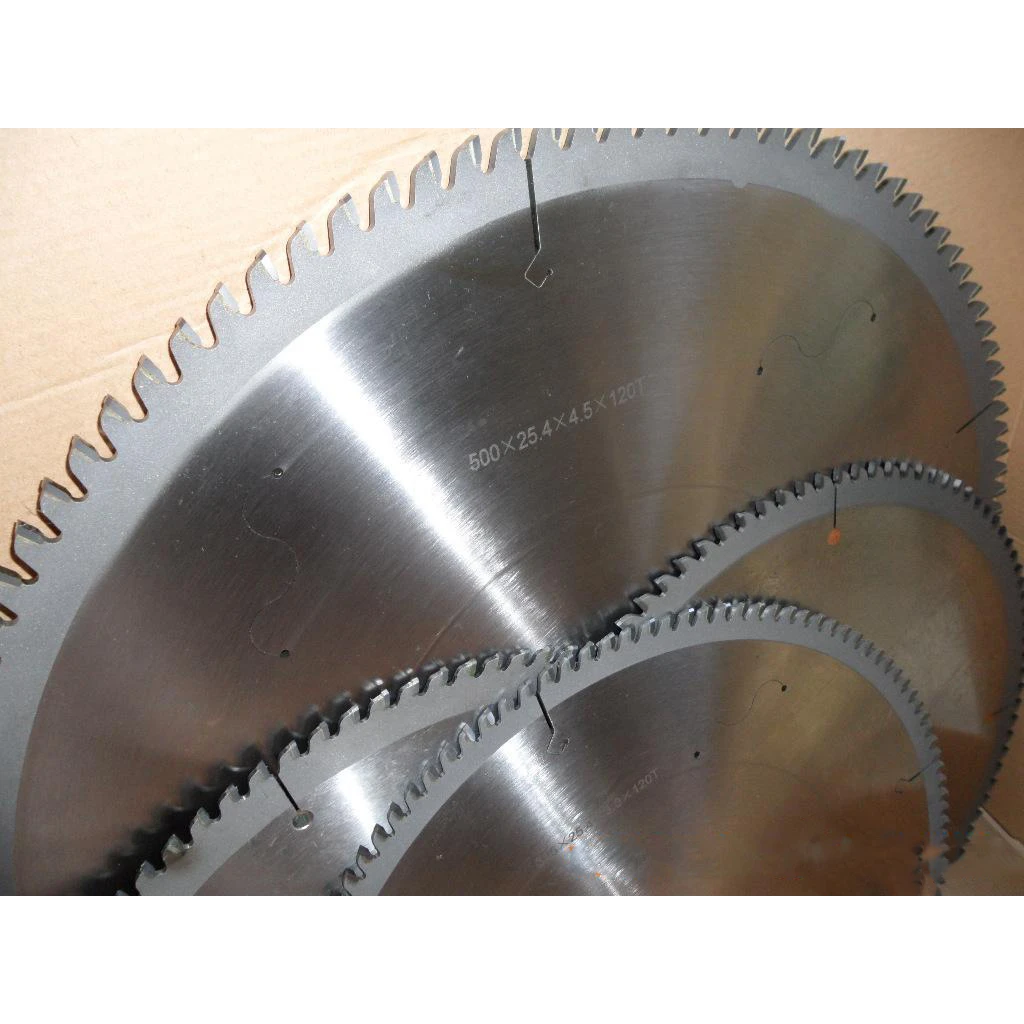
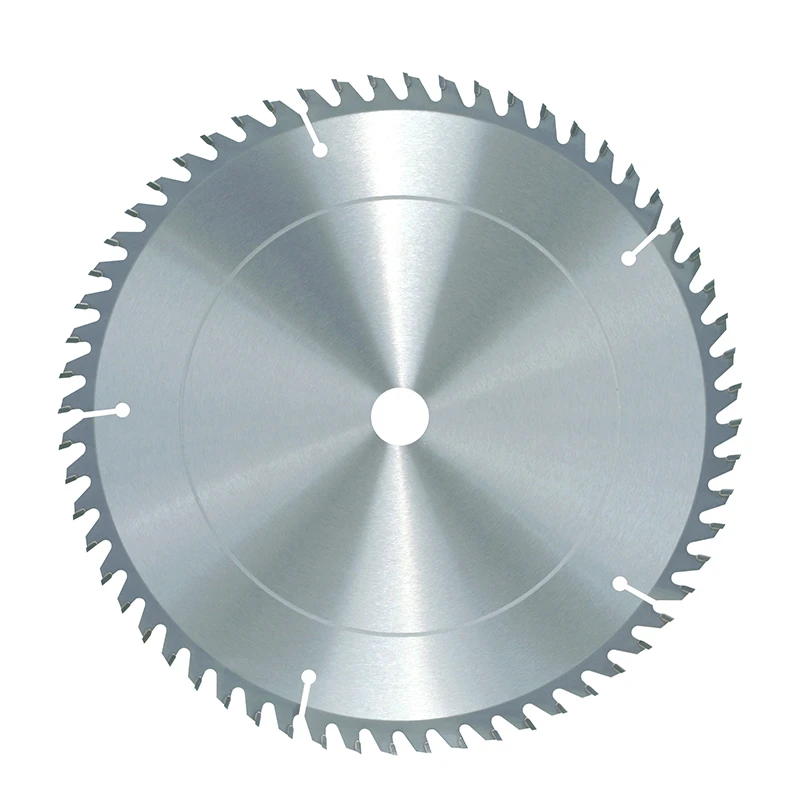
The blade’s tooth configuration, diameter, and thickness directly impact cut speed and finish. For instance, crosscut blades are angled to slice across wood grain smoothly, while rip blades are designed for tearing along the grain. Knowing the wood species also helps—hardwoods often need more robust, finer-toothed blades.
2. Power Source & Portability
Electric, battery-powered, or manual saws each have trade-offs. Corded circular saws offer consistent power and depth, great for workshops, but cordless models bring mobility that’s crucial on job sites without easy electricity access.
3. Cut Type & Precision
Fine finishing calls for saws like a jigsaw or miter saw that can make angled, curved, or intricate cuts. For bulk cutting, a chainsaw or table saw might be faster and more robust.
4. Safety Features
Modern saws incorporate blade guards, electric brakes, and anti-kickback pawls to protect the user. Choosing the right saw also means understanding how to operate it safely within your comfort and skill level.
5. Durability & Maintenance
Tools often take a beating—dust, wood resin, wear, and tear. Investing in saws built with corrosion-resistant metals, sealed motors, or easy blade-change mechanisms can save headaches down the line.
Common Types of Wood-Cutting Saws
| Saw Type | Best For | Blade Specs | Typical Use Cases |
|---|---|---|---|
| Circular Saw | Straight cuts in various woods | Blade diameters 5.5"-7.25"; 24–40 teeth | Framing, decking, DIY projects |
| Jigsaw | Curves & complex shapes | Small narrow blades; multiple tooth options | Craftwork, cabinetry, detailed cutting |
| Table Saw | Precise rip and cross cuts | 10–12" blades; varied tooth counts | Workshops, cabinetry, furniture making |
| Chainsaw | Cutting logs & thick timber | Saw chain types; varied bar lengths (14"–36") | Forestry, land clearing, firewood preparation |
Mini takeaway: The ideal saw depends heavily on the cut you need to make, the wood species, and the work environment.
Global Use Cases of Wood-Cutting Saws
In Scandinavian countries, known for their vast forestry operations, high-quality chainsaws with advanced safety and emission features dominate. Meanwhile, in fast-growing urban centers like Nairobi or Mumbai, compact circular and jigsaws often help carpenters work in tight spaces and diverse materials.
Post-disaster relief efforts—such as rebuilding homes after Hurricane Katrina or forest fires in Australia—rely on portable, efficient saws for immediate construction and debris clearing. NGOs appreciate battery-powered saws that allow for quick setup without the need for generators.
Oddly enough, even sustainable tiny-house builders emphasize precision saws to reduce waste and achieve airtight joints, reflecting a blend of environmental and economic priorities.
Advantages & Long-Term Value of Choosing the Right Saw
- Cost Efficiency: A saw cut correctly reduces wasted material and energy costs.
- Sustainability: Better cuts mean less sanding and finishing, reducing chemical use.
- Safety: Right saws with proper features reduce accidents.
- Product Quality: Clean, precise cuts improve structural integrity and aesthetics.
- Innovation Support: Using modern saws integrates with digital workflows (like CNC routing).
Future Trends & Innovations in Wood-Cutting Technology
We are seeing a surge in battery-powered tool efficiency, with brushless motors that deliver more torque with less weight. Automation is creeping in: imagine AI-assisted saws that adjust blade speed and feed rate in real time for optimal cutting.
Materials science is also influencing blade choice, with diamond-tipped and carbide blades providing longer life and cleaner cuts, even in exotic hardwoods or composite woods.
Environmental policies are tightening emissions for gas-powered portable saws, pushing electric models to the forefront globally—no small deal for reducing construction carbon footprints.
Challenges & Solutions When Selecting Wood-Cutting Saws
Many users face dilemmas balancing cut quality against cost. Cheaper saws often have less precise blades and weaker motors, leading to poor cuts and more replacements. One solution: invest in modular tools where blades and batteries are interchangeable across brands.
Also, some beginners underestimate safety precautions. Using saws without proper training or protective gear is a significant hazard. Promoting education alongside tool distribution is key.
FAQ: Frequently Asked Questions About What Type of Saw Do I Need to Cut Wood
- Q: What saw is best for cutting hardwood flooring?
A: A fine-toothed circular saw blade or a miter saw with a carbide-tipped blade is ideal for hardwood flooring. They provide clean cuts that minimize splintering. - Q: Can a jigsaw cut thick lumber effectively?
A: Jigsaws excel at curves and thinner materials but struggle with very thick lumber. For thick wood, a chainsaw or circular saw is typically better. - Q: Are cordless saws powerful enough for construction work?
A: Thanks to advances in battery tech, many cordless saws now match corded models in power for most tasks, adding portability and convenience. - Q: How do I maintain my saw blade to prolong life?
A: Regular cleaning, sharpening, and proper storage extend blade life. Avoid cutting treated wood without appropriate blades to prevent corrosion.
Vendor Comparison for Popular Wood-Cutting Saws
| Brand | Saw Type | Power (Volts/Amps) | Weight (lbs) | Price Range |
|---|---|---|---|---|
| DeWalt | Cordless Circular Saw | 20V, 5.0 Ah | 8.8 | $180 - $250 |
| Makita | Corded Circular Saw | 15A | 10.5 | $130 - $200 |
| Bosch | Cordless Jigsaw | 18V | 5.5 | $150 - $220 |
Now that you’ve got a nearly comprehensive look at what type of saw do i need to cut wood, it’s time for the real test: matching your tools to your projects. Frankly, picking the right saw feels like a balancing act between your budget, needs, and skill level—but the payoff is worth it.
In my experience, there’s a kind of satisfaction in making a perfect cut the first time, without tear-out or bent edges. It’s craftsmanship, efficiency, and safety rolled into one.
So, whether you’re a DIY enthusiast, professional, or someone planning to build a tiny cabin somewhere, the right blade and saw type really do make all the difference.
If you’re uncertain or want to learn more, I encourage you to visit our in-depth resources at https://www.mydiamondblade.com. We strive to keep up to date with the latest tech and sustainable practices you’ll appreciate.
Mini takeaway: Mastering what saw suits each woodworking task boosts your efficiency while reducing waste—a win-win.
References:
1. Food and Agriculture Organization of the United Nations (FAO) - Global Forest Resources Assessment 2020
2. International Labor Organization - Safety Standards for Hand and Power Tools
3. ISO Standards on Circular Saw Blades (ISO 9705)
Related Products
Related Products






Address
No.30 Gaoying Road ,Chang'an District,Shijiazhuang,Hebei Province
Business Hours
Mon to Saturday : 8.00 am - 7.00 pm
Sunday & Holidays : Closed
.png )