
4 Polishing Pads: A Guide for B2B Buyers
Understanding the Role of 4 Polishing Pads in Modern Manufacturing
You know, for a seemingly simple component, polishing pads get a lot right when it comes to overall manufacturing efficiency. It’s easy to overlook them—they’re consumables, after all—but a good set of 4 polishing pads can drastically reduce cycle times, improve surface finish quality, and ultimately, save companies a substantial amount of money. Frankly, I've seen operations where subpar pads were costing them more in labor and rework than the pads themselves were worth. And it's not just about cost, it’s about consistency—critical for industries with tight tolerances.
Table of Contents
- 4 Polishing Pads: A Deep Dive
- Applications and Key Benefits
- Cost Analysis and Vendor Landscape
- Future Trends & Sustainability
4 Polishing Pads: A Deep Dive
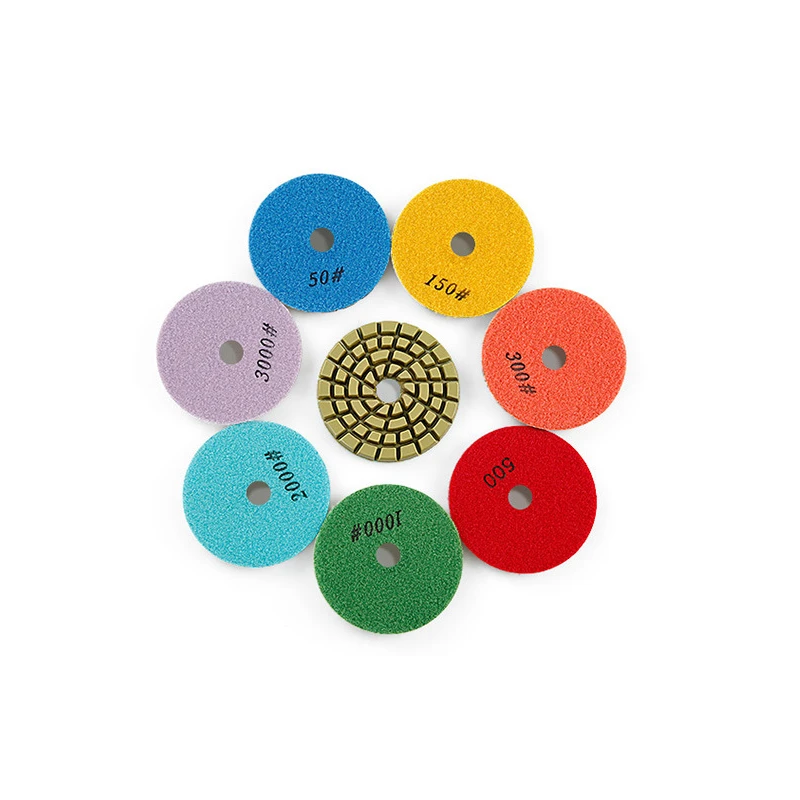
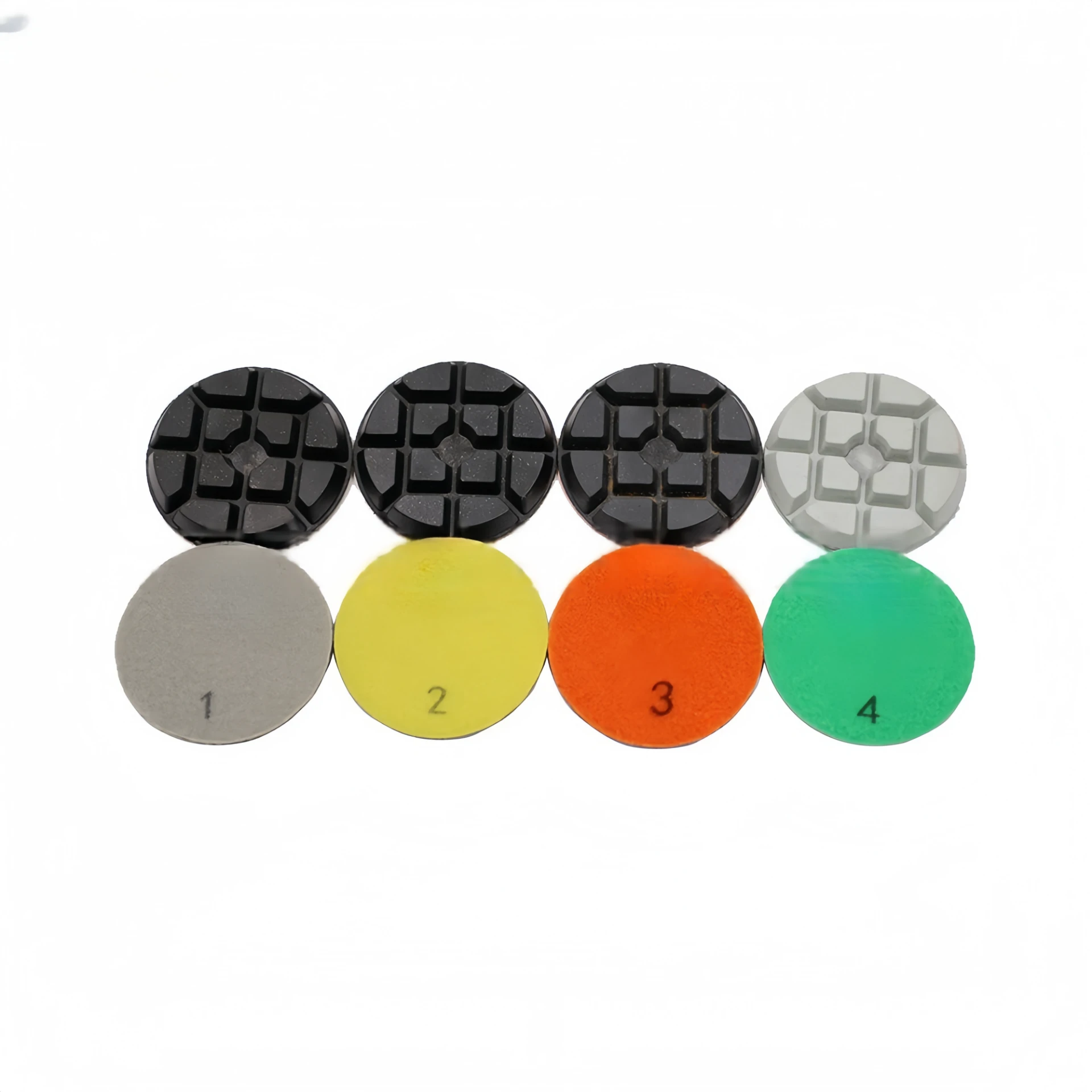
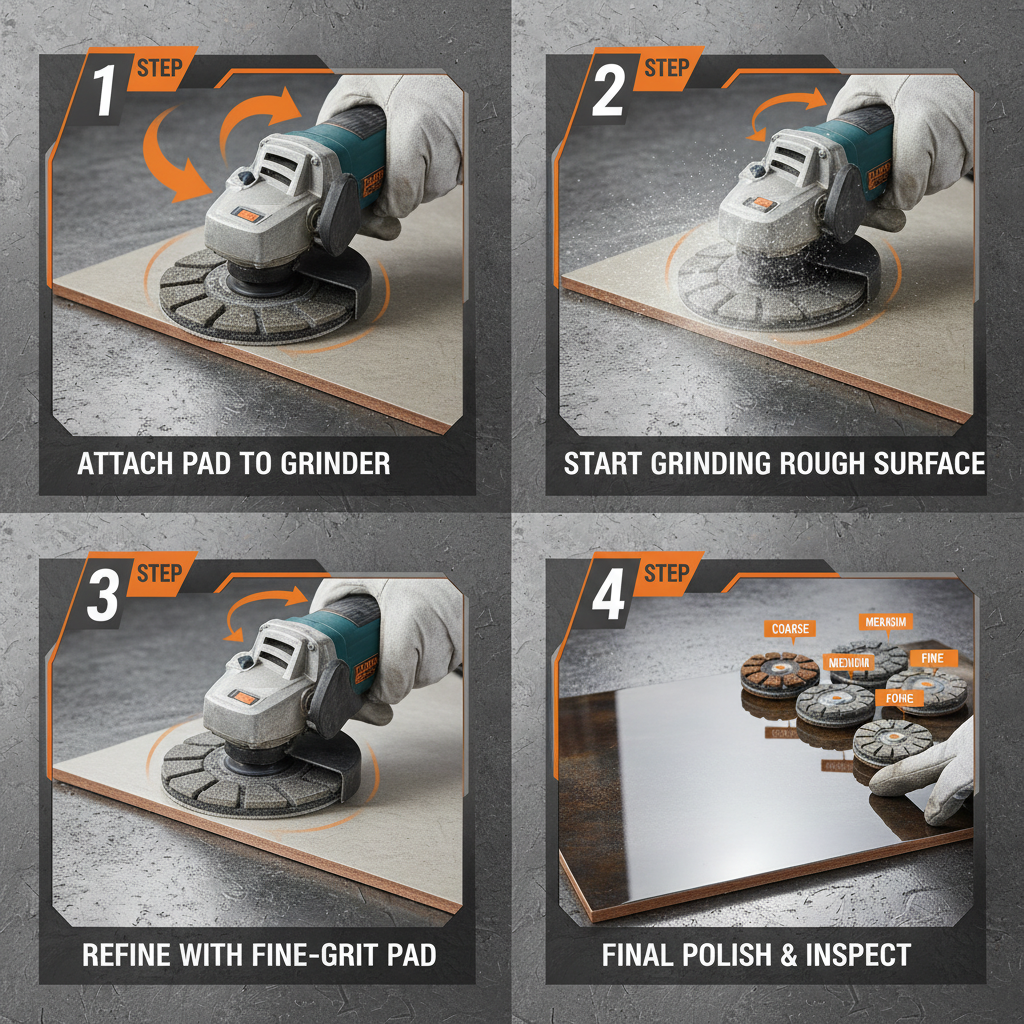
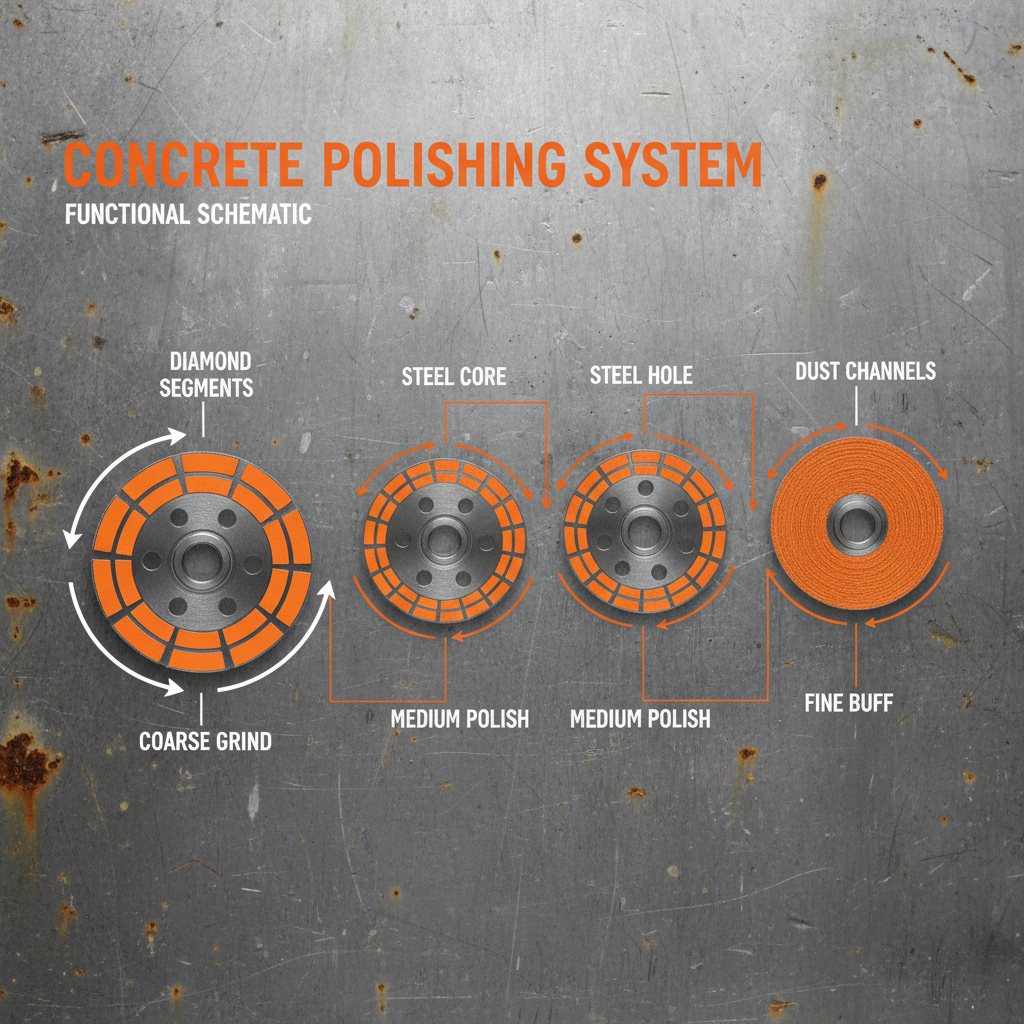
These aren't your grandma's polishing pads, honestly. Modern 4 polishing pads – and we're talking about the diamond-impregnated ones primarily – use a matrix of resin binders holding industrial diamond grit. The grit size determines the aggressiveness of the polishing, ranging from coarse for material removal to ultra-fine for achieving a mirror finish. The '4' designation refers to the number of pads in a common set, designed for different stages of the polishing process—coarse, medium, fine, and superfine. I suppose you could think of it as a gradient, building up the finish progressively. Here are some key specs:
| Specification | Value | Notes |
|---|---|---|
| Diamond Grit Size | 60/80/120/200 | Coarse to Superfine |
| Pad Diameter | 4 inches (100mm) | Standard size |
| Bonding Agent | Resin | Provides grit retention |
| Compatibility | Variable Speed Polishers | Most standard models |
Applications and Key Benefits
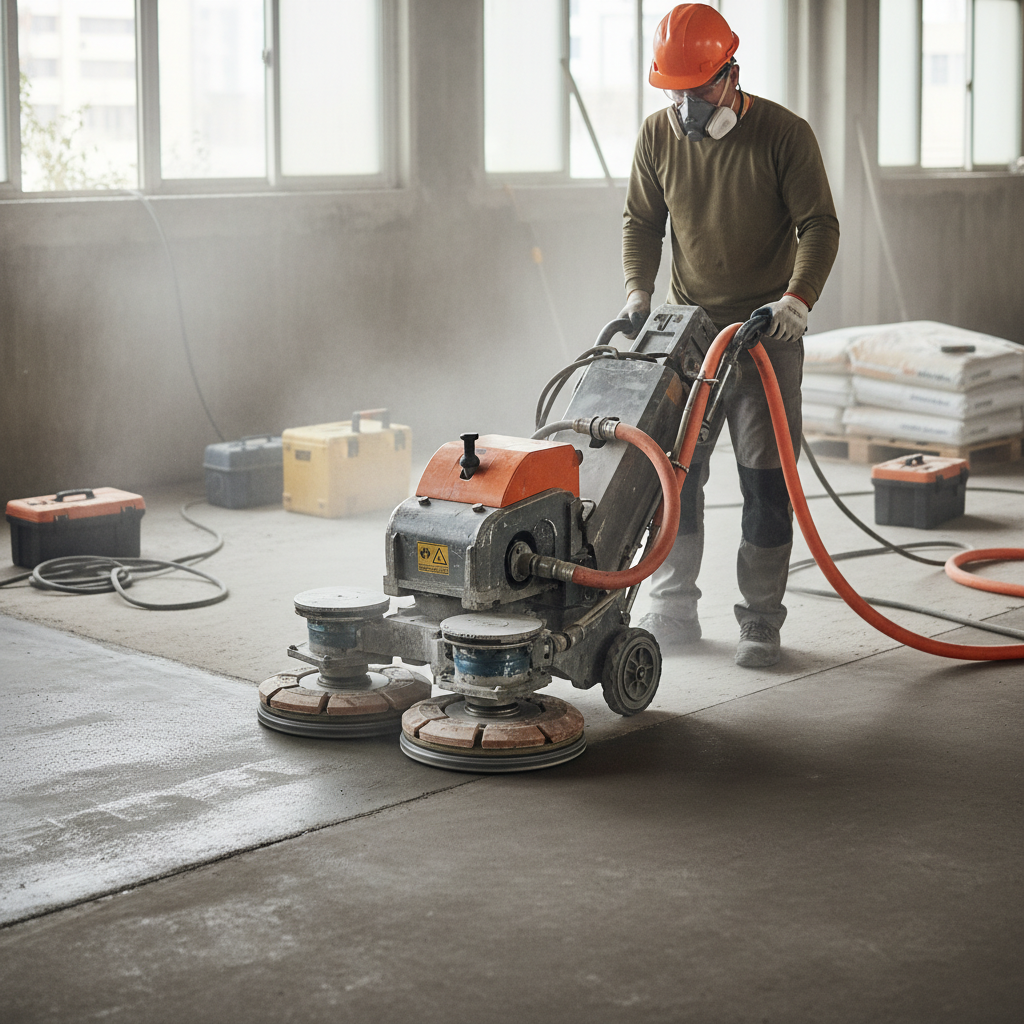
Where are these really useful? Well, stone fabrication—granite, marble, concrete—is a big one. They're also heavily used in the automotive industry for paint correction, and increasingly, in the aerospace sector for composite materials. The benefits are multi-faceted. You get faster material removal, a more consistent finish, and a longer lifespan compared to traditional abrasive pads. I noticed, in talking to a shop foreman at a composite manufacturer, that they significantly reduced the number of polishing steps required, which translated directly into labor savings. The reduced scratching is a huge plus, too. Oddly enough, even some woodworking shops are adopting diamond polishing for high-end furniture finishes.
Cost Analysis and Vendor Landscape
Let's talk money. Upfront, diamond polishing pads are more expensive than, say, felt pads. But in real terms, the longevity and reduced need for rework offset that initial cost – and quickly. Considering the reduced chemical usage and time savings, the ROI is pretty compelling. Here's a quick vendor comparison, though it’s tough to get precise pricing, and it fluctuates:
| Vendor | Price (4-Pack) | Grit Range | Customer Support |
|---|---|---|---|
| MyDiamondBlade | $80 - $120 | 60-200 | Excellent |
| Norton | $90 - $150 | 80-3000 | Good |
| 3M | $100 - $180 | 60-5000 | Average |
Future Trends & Sustainability
I think we'll see even more emphasis on dry polishing techniques to reduce water consumption. There’s also a push for pads with longer lifespans, reducing waste. Many engineers say that manufacturers are looking for pads that can be easily recycled, which is a challenge given the resin matrix. Regulations around dust control are also influencing pad design, driving innovation in dust-extraction systems. The market is projected to continue growing, driven by demand in the construction and automotive sectors, and a sort of general move towards higher-quality finishes.
Frequently Asked Questions about 4 Polishing Pads
- What is 4 Polishing Pads and how does it work?
- 4 Polishing Pads are typically a set of four pads with increasing fineness of grit, used to progressively refine a surface from rough to a high-gloss finish. They work by using diamond abrasives embedded in a resin matrix to remove material and create a smooth surface.
- What are the main benefits of using 4 Polishing Pads in industrial applications?
- The key benefits include faster material removal, a superior finish quality, extended pad lifespan, reduced labor costs due to fewer polishing steps, and minimized rework due to consistent results.
- How does 4 Polishing Pads compare to traditional alternatives?
- Compared to traditional abrasive pads, 4 Polishing Pads offer a significantly longer lifespan, better scratch resistance, and more consistent performance. They often reduce the need for harsh chemicals and produce less dust, improving workplace safety.
- What industries can benefit most from 4 Polishing Pads implementation?
- Industries that benefit most include stone fabrication (granite, marble), automotive refinishing, aerospace composites, concrete polishing, and high-end furniture manufacturing, where surface finish quality is critical.
Conclusion on 4 Polishing Pads from china
In the end, choosing the right 4 polishing pads comes down to understanding your specific application and prioritizing both performance and long-term cost savings. Don't just go for the cheapest option—consider the total cost of ownership. Visit our website: https://www.mydiamondblade.com for a selection of high-quality pads.
Related Products
Related Products





Address
No.30 Gaoying Road ,Chang'an District,Shijiazhuang,Hebei Province
Business Hours
Mon to Saturday : 8.00 am - 7.00 pm
Sunday & Holidays : Closed
.png )