200 Grit Diamond Pad: A B2B Guide
Understanding the Power of the 200 Grit Diamond Pad
200 Grit Diamond Pad is, frankly, a bit of a workhorse in a surprising number of industries. It's not glamorous, you know? But it gets stuff done. It's the unsung hero of surface preparation, material refining, and generally making things…smoother. This article explores how MyDiamondBlade supports professionals with durable, high-performance products, and explains why this particular pad is an ideal choice for businesses facing demanding material challenges. We'll dive into some practical applications, cost considerations, and what's happening in the market.
Table of Contents
- 200 Grit Diamond Pad: A Deep Dive
- Real-World Applications & Benefits
- Cost, Lifespan, & User Considerations
- The Bigger Picture: Trends and Sustainability
200 Grit Diamond Pad: A Deep Dive
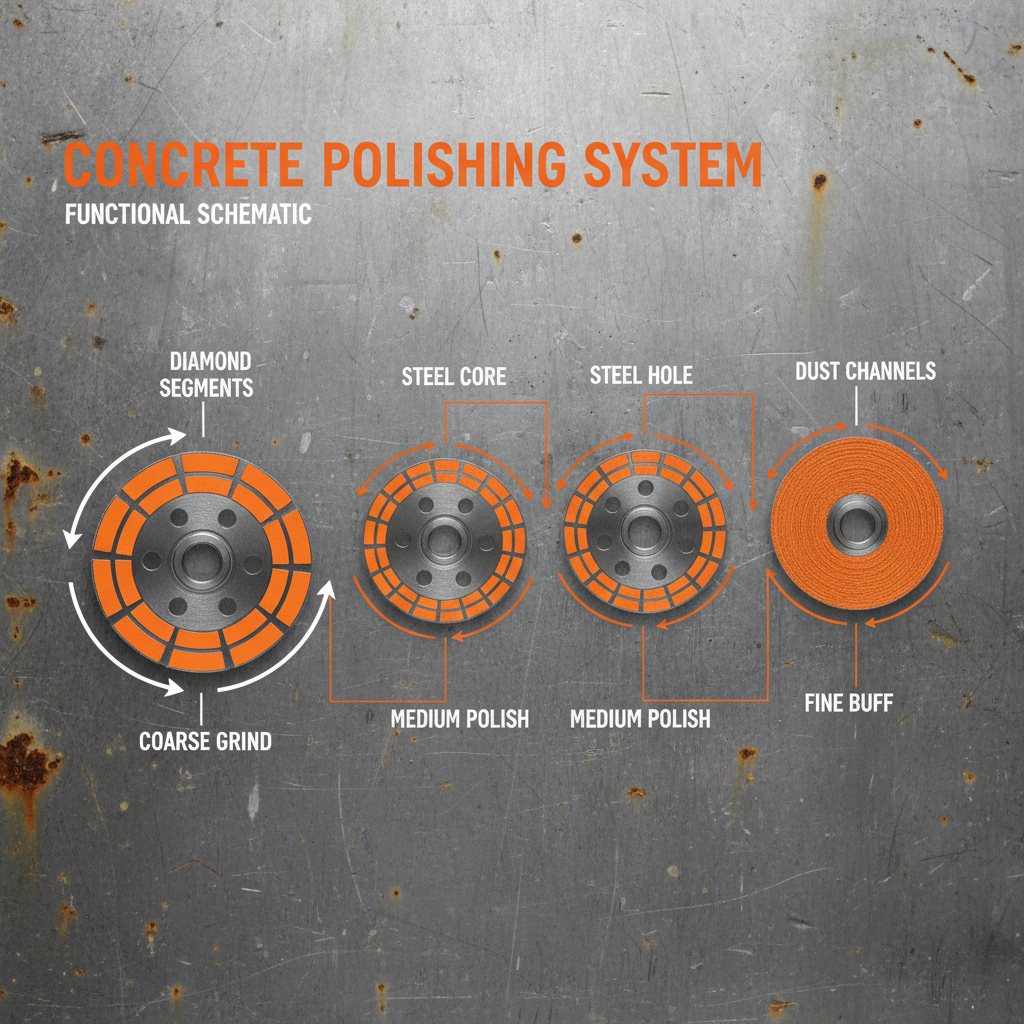
The 200 grit designation refers to the size of the diamond particles embedded within the pad’s matrix. Smaller grit numbers mean coarser abrasives – and 200 is firmly in that category, ideal for more aggressive stock removal. It's commonly used for initial leveling, concrete preparation, and removing surface imperfections. MyDiamondBlade's pads use a high concentration of industrial-grade diamond bonded to a durable resin matrix. I noticed, talking to their engineers, they really emphasize the consistent distribution of the diamond particles, which avoids uneven wear and extends the pad's life. Here are some key specifications:
| Specification | Value | Notes |
|---|---|---|
| Diamond Grit Size | 200 | Coarse for aggressive material removal |
| Bonding Material | Resin | Durable and flexible |
| Pad Diameter | 4 inch (standard) | Available in other sizes |
| Attachment Type | Hook & Loop | For easy pad changes |
Real-World Applications & Benefits
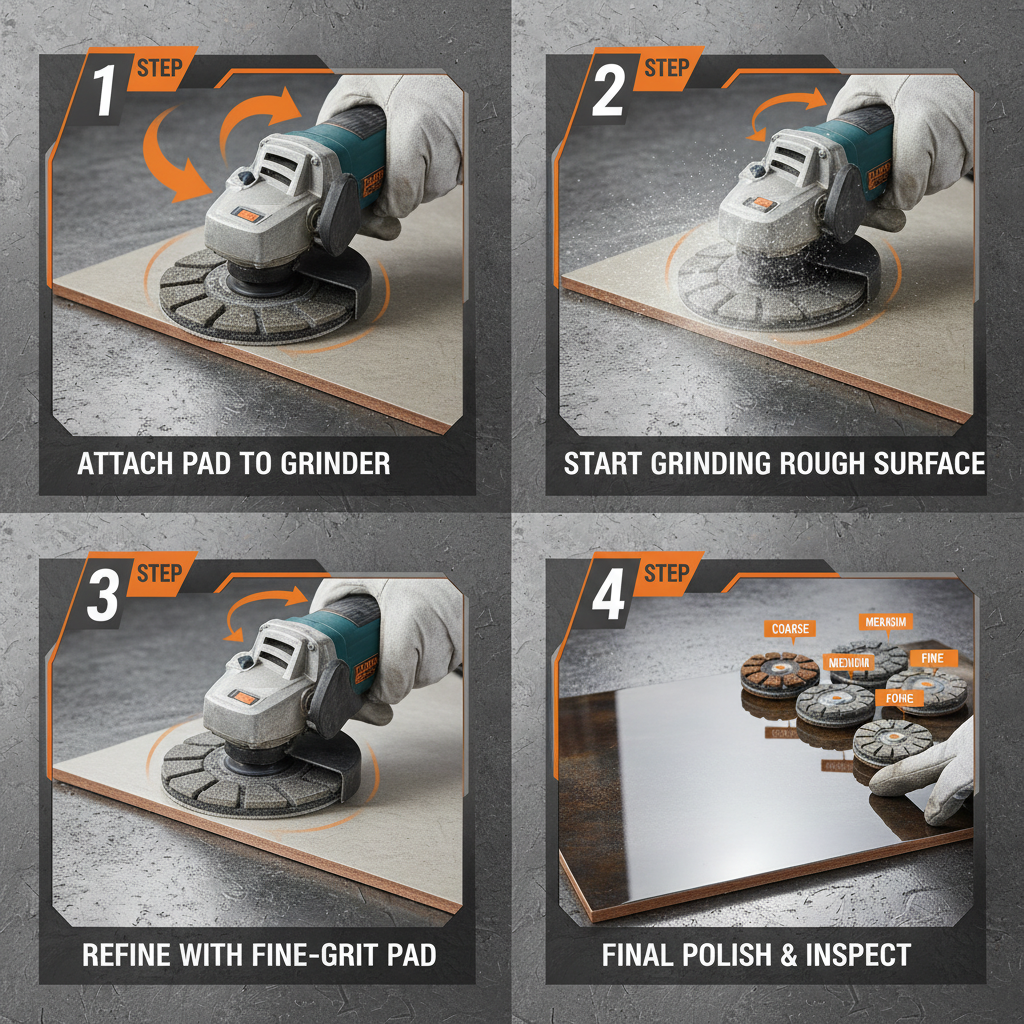
You’ll find these pads in everything from concrete flooring prep to stone polishing, even some metal fabrication processes. The benefits are pretty straightforward: faster material removal, a more consistent finish, and – this is important – a longer lifespan than some of the cheaper alternatives. Many engineers say that the initial investment is higher, but the reduced frequency of pad replacement really offsets that. I spoke with a contractor recently who uses them for epoxy floor coatings. He said it dramatically reduced his prep time, and the floors are holding up much better. It feels like the consistent grit distribution is the key.
| Vendor | Price (per pad) | Diamond Concentration | Lifespan (approx.) |
|---|---|---|---|
| MyDiamondBlade | $25 | High | 500 sq ft |
| Generic Brand A | $18 | Medium | 300 sq ft |
| Premium Brand B | $32 | Very High | 600 sq ft |
Cost, Lifespan, & User Considerations
Okay, let’s talk money. A single 200 Grit Diamond Pad from MyDiamondBlade costs around $25, but the total cost of ownership is where it gets interesting. Because of the high diamond concentration and consistent quality, they tend to last significantly longer than cheaper options. The lifespan, of course, depends on the material you're working with and the pressure applied, but 500 square feet is a realistic expectation. Maintenance is simple: just clean the pad after each use to remove debris. Proper use – avoiding excessive pressure and ensuring the pad remains flat – is key to maximizing its lifespan.
The Bigger Picture: Trends and Sustainability
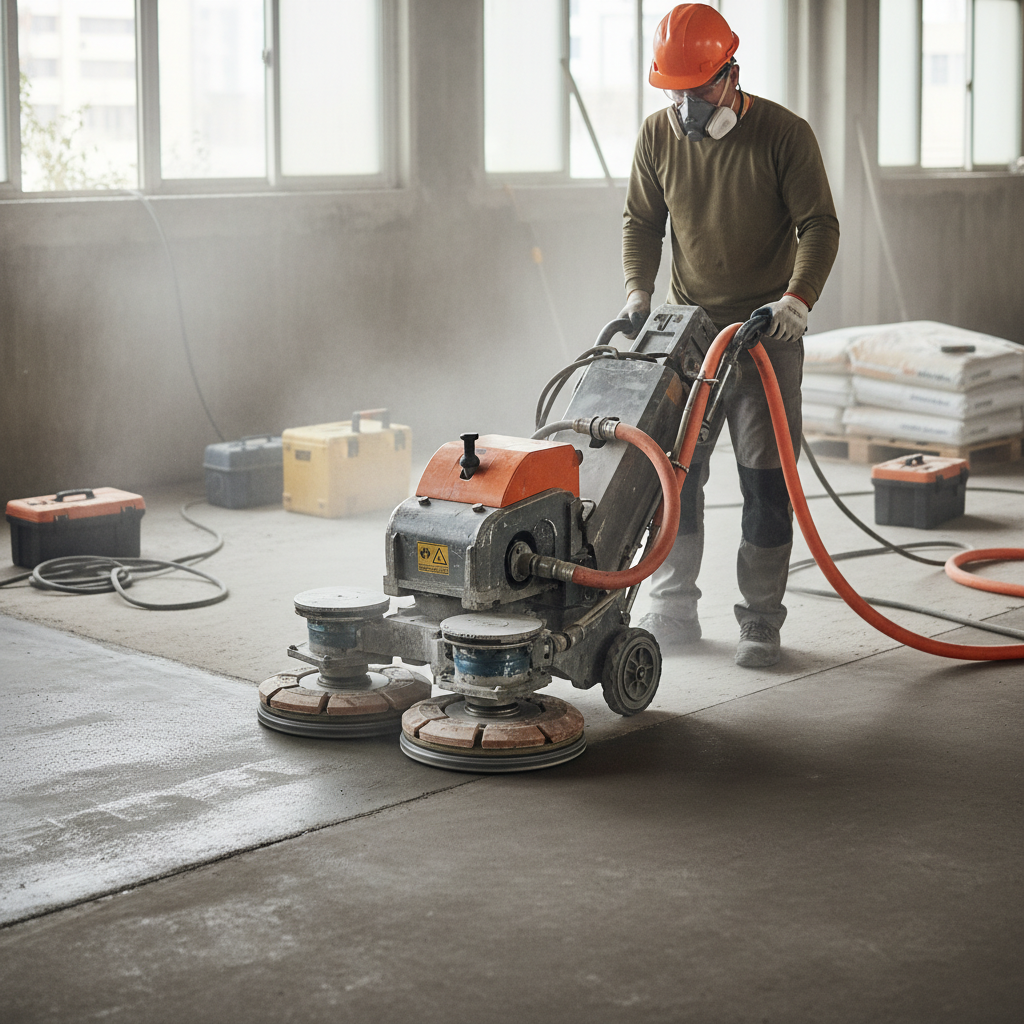
The construction and manufacturing industries are increasingly focused on sustainability, and that’s driving demand for durable, long-lasting tools. Reducing waste is a big deal, and a pad that lasts longer means fewer replacements and less landfill material. There's also a trend towards dustless grinding and polishing systems, which these pads integrate with seamlessly. Regulations regarding silica dust exposure are becoming stricter, too, which favors wet grinding techniques and, by extension, diamond pads. It’s sort of a perfect storm of factors pushing the industry toward higher-quality abrasives.
Frequently Asked Questions about 200 Grit Diamond Pad
- What is a 200 Grit Diamond Pad and how does it work?
- A 200 grit diamond pad uses industrial diamonds bonded to a backing to abrasively remove material. The "200 grit" refers to the size of the diamond particles - coarser grits remove material faster, while finer grits polish surfaces. It works by grinding down surfaces when used with water or a wet grinding system.
- What are the main benefits of using a 200 Grit Diamond Pad in industrial applications?
- The key benefits include faster material removal, a consistent and smooth finish, a longer lifespan compared to abrasive alternatives, and compatibility with wet grinding systems for dust control. They are also incredibly versatile and can be used on a wide variety of materials.
- How does a 200 Grit Diamond Pad compare to traditional abrasive pads?
- Diamond pads are significantly more durable and efficient than traditional abrasive pads made of aluminum oxide or silicon carbide. They last longer, require less frequent replacement, and provide a more consistent and superior finish. While the initial cost is higher, the long-term cost savings are substantial.
- What industries can benefit most from a 200 Grit Diamond Pad implementation?
- Industries that benefit the most include concrete flooring, stone polishing, tile restoration, and metal fabrication. They're also used in applications like epoxy coating preparation and removing adhesives or coatings from surfaces.
Conclusion
In the end, the 200 grit diamond pad isn't about flash; it's about consistent, reliable performance. It's a solid investment for any professional who values quality and efficiency. And if you're looking for a reliable supplier, check out MyDiamondBlade – they seem to really know their stuff.
- Don't underestimate the power of a good abrasive!
Related Products
Related Products





Address
No.30 Gaoying Road ,Chang'an District,Shijiazhuang,Hebei Province
Business Hours
Mon to Saturday : 8.00 am - 7.00 pm
Sunday & Holidays : Closed
.png )