Achieving Superior Finishes with the Right Metal Polishing Pads Selection
Choosing the Right Metal Polishing Pads for Superior Results
Achieving a flawless finish on metal surfaces requires the right tools, and metal polishing pads are crucial. From automotive detailing to industrial manufacturing, selecting the appropriate pad can dramatically impact the quality and efficiency of your polishing process. This article provides a comprehensive guide to understanding the various types of metal polishing pads available, their applications, and how to choose the best option for your specific needs. We'll explore the materials, grits, and best practices to help you achieve a professional-grade finish every time.
Understanding the Different Types of Metal Polishing Pads
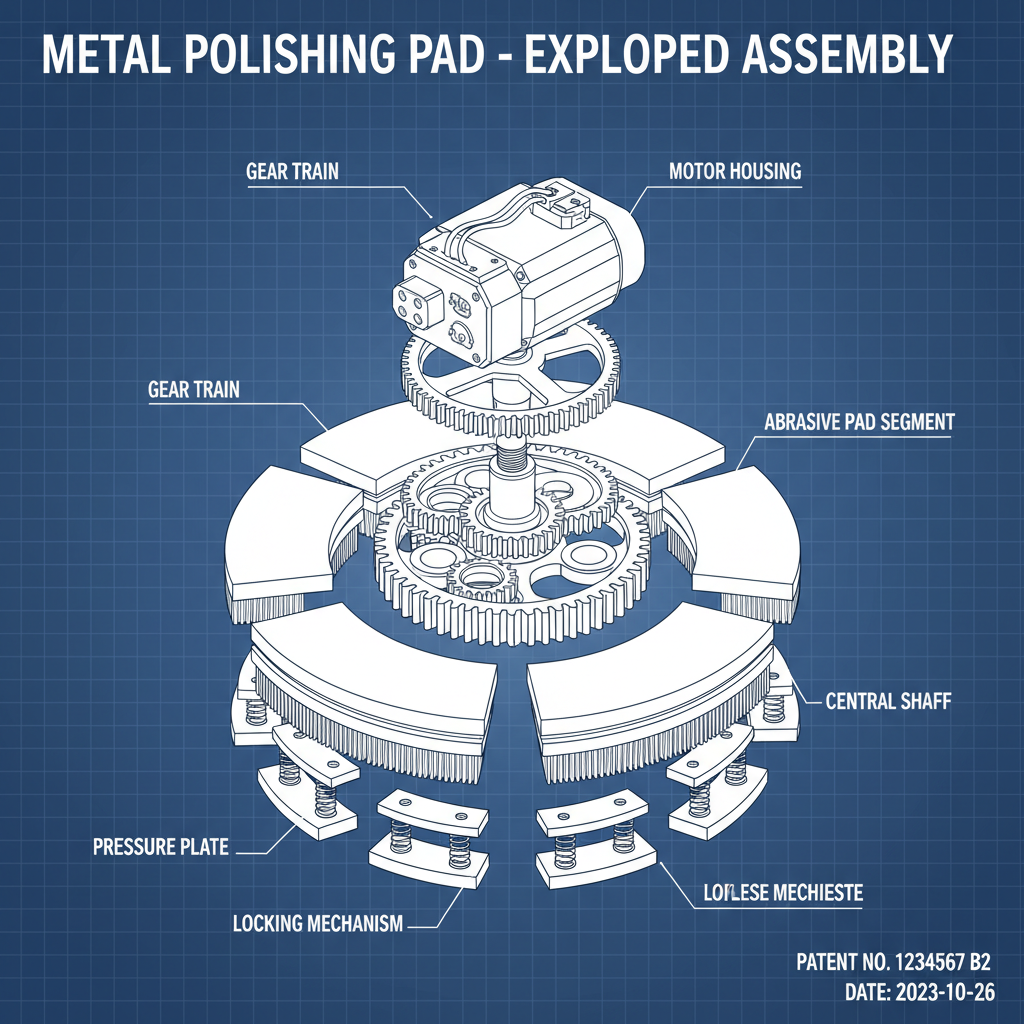
Metal polishing pads come in a variety of materials, each offering unique characteristics suited for different metals and levels of polishing. Common materials include wool, foam, and microfiber. Wool pads are known for their aggressive cutting power and are ideal for removing deep scratches and oxidation. Foam pads provide a medium level of cut and are excellent for compounding and polishing. Microfiber pads offer the finest level of polish, perfect for creating a high-gloss shine. The choice depends on the metal type (aluminum, stainless steel, brass, etc.) and the desired outcome. MyDiamondBlade.com offers a wide selection to meet diverse needs.
Key Takeaway: Selecting the right material is the first step in achieving a flawless polish. Consider the metal type and the severity of imperfections.
Grit and Its Impact on Polishing Performance
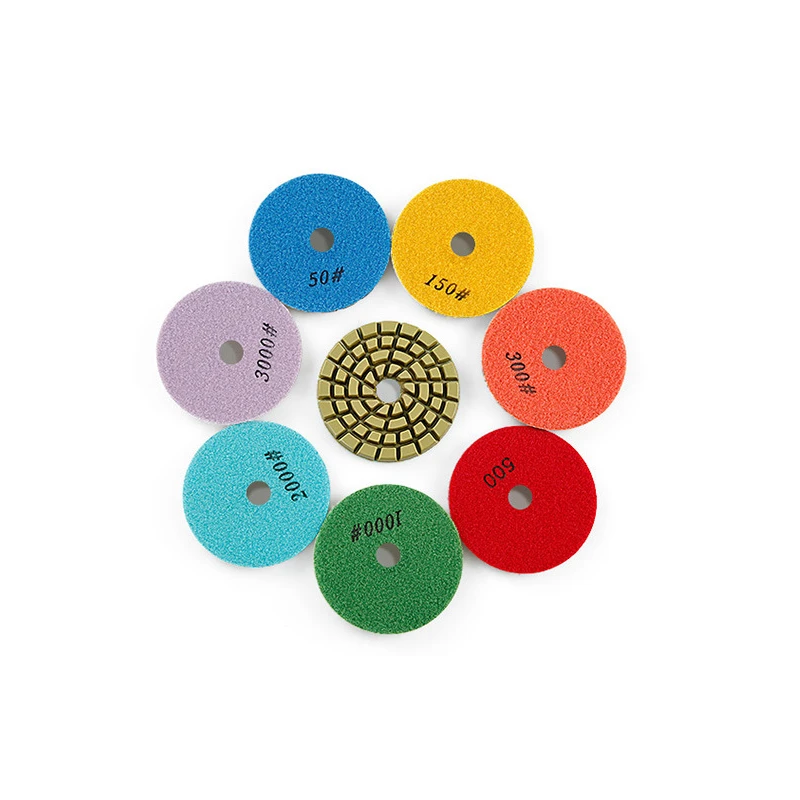
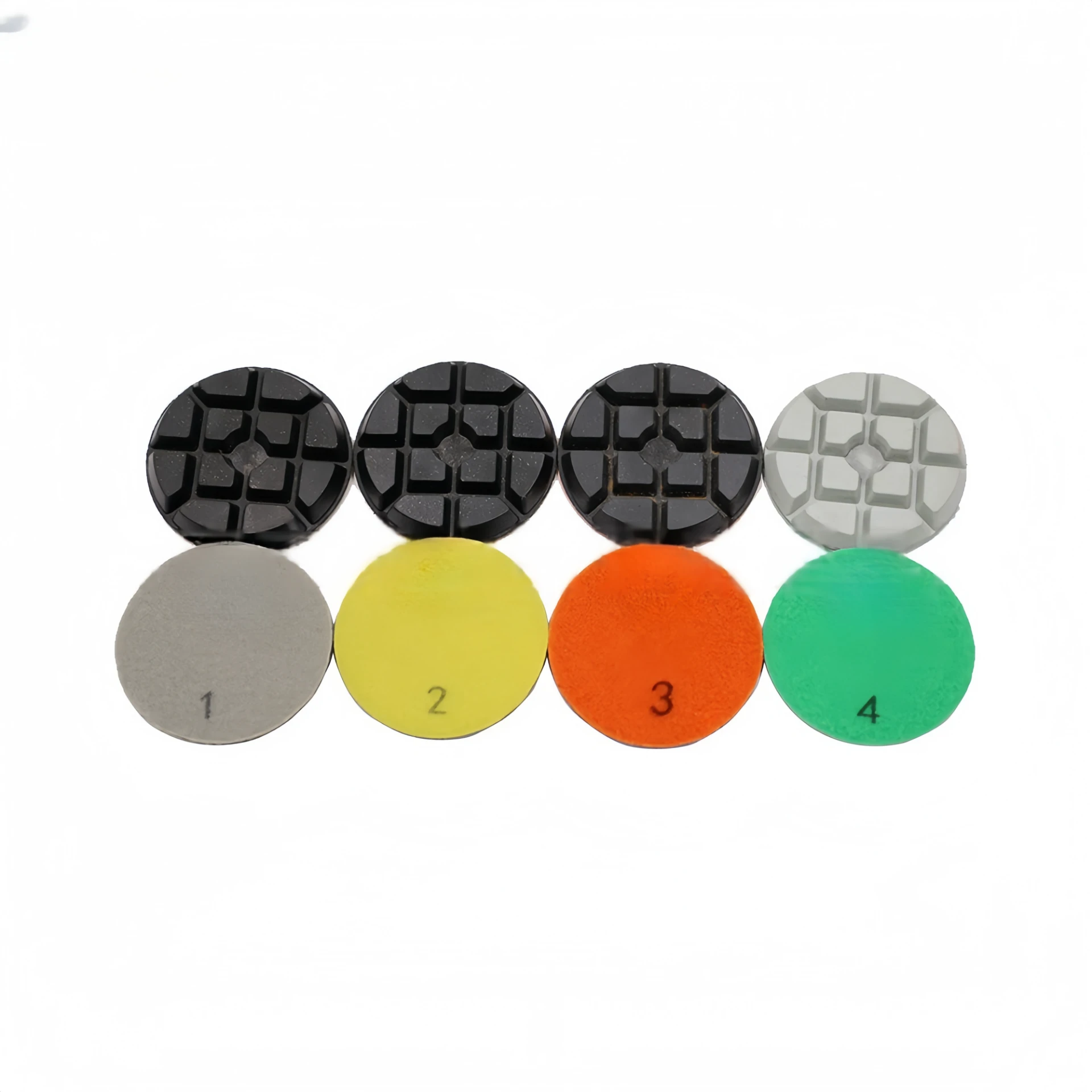
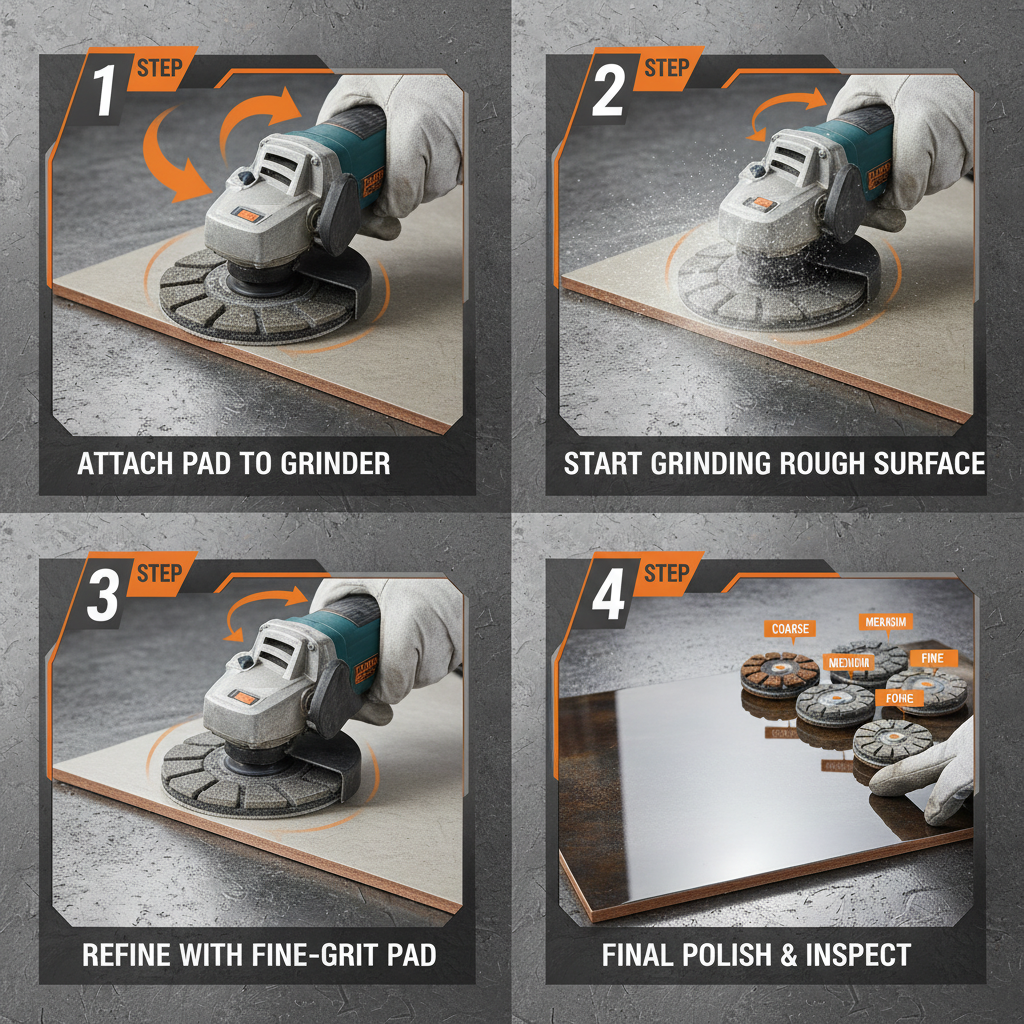
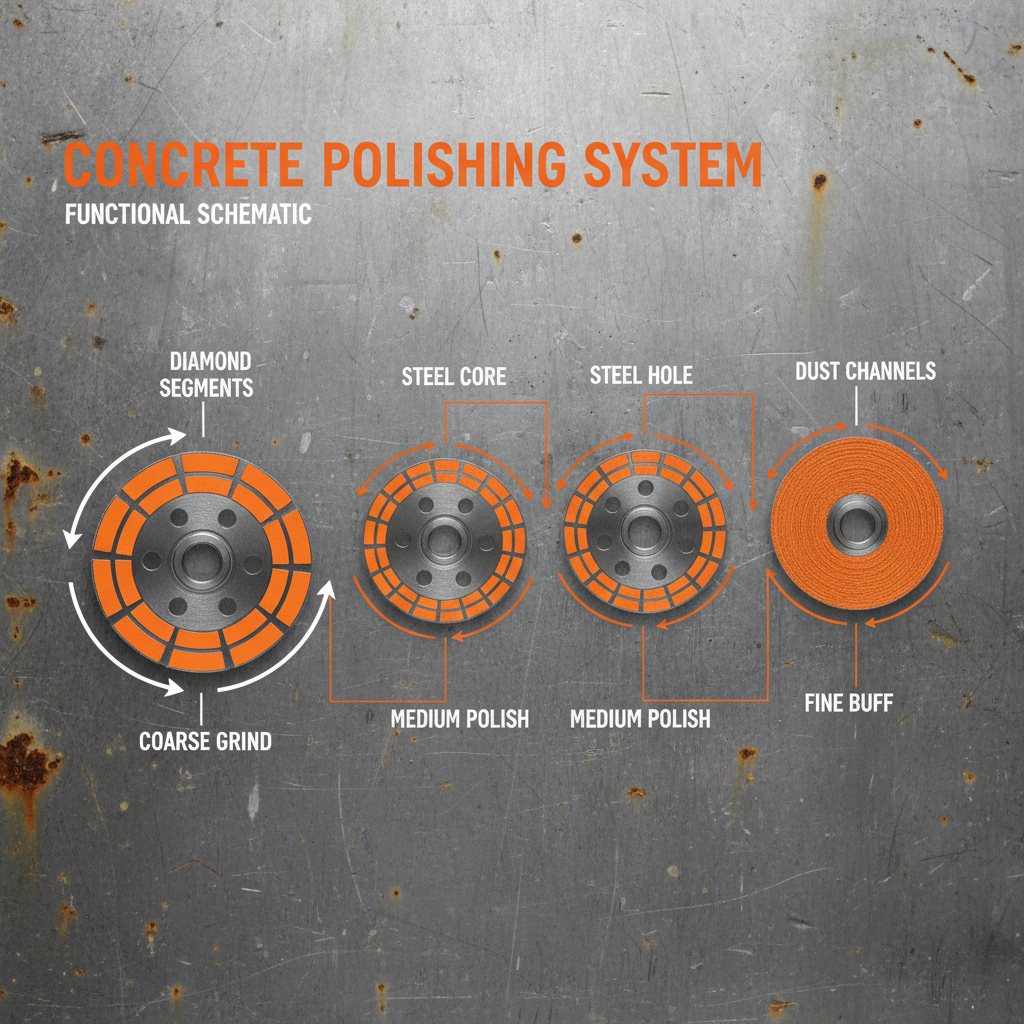
The grit of a polishing pad refers to the size of the abrasive particles embedded within the pad. Lower grit numbers indicate coarser abrasives, ideal for removing significant imperfections. Higher grit numbers signify finer abrasives, used for refining the surface and achieving a high-gloss shine. A typical polishing process involves starting with a coarser grit to address initial flaws and gradually progressing to finer grits for final polishing. Using the correct grit sequence is crucial for preventing swirl marks and achieving a professional-quality finish. MyDiamondBlade.com's range includes pads with varying grits to suit any polishing project.
Grit Guide:
• Coarse (60-120 grit): Removing heavy scratches and oxidation.
• Medium (180-320 grit): Compounding and removing moderate imperfections.
• Fine (400-600 grit): Polishing and refining the surface.
• Ultra-Fine (800-1200+ grit): Achieving a high-gloss shine.
Comparing Common Metal Polishing Pad Materials
Choosing between wool, foam, and microfiber can be challenging. Here's a comparison to help you make the right decision:
Factors to Consider When Choosing Metal Polishing Pads
Beyond material and grit, several other factors influence pad selection. Consider the type of polishing machine you are using (rotary, dual-action, orbital) as some pads are optimized for specific machines. The size of the area you’re polishing also matters; larger areas may benefit from larger pads for faster coverage. Finally, always choose high-quality pads from reputable brands like MyDiamondBlade.com to ensure consistent performance and durability.
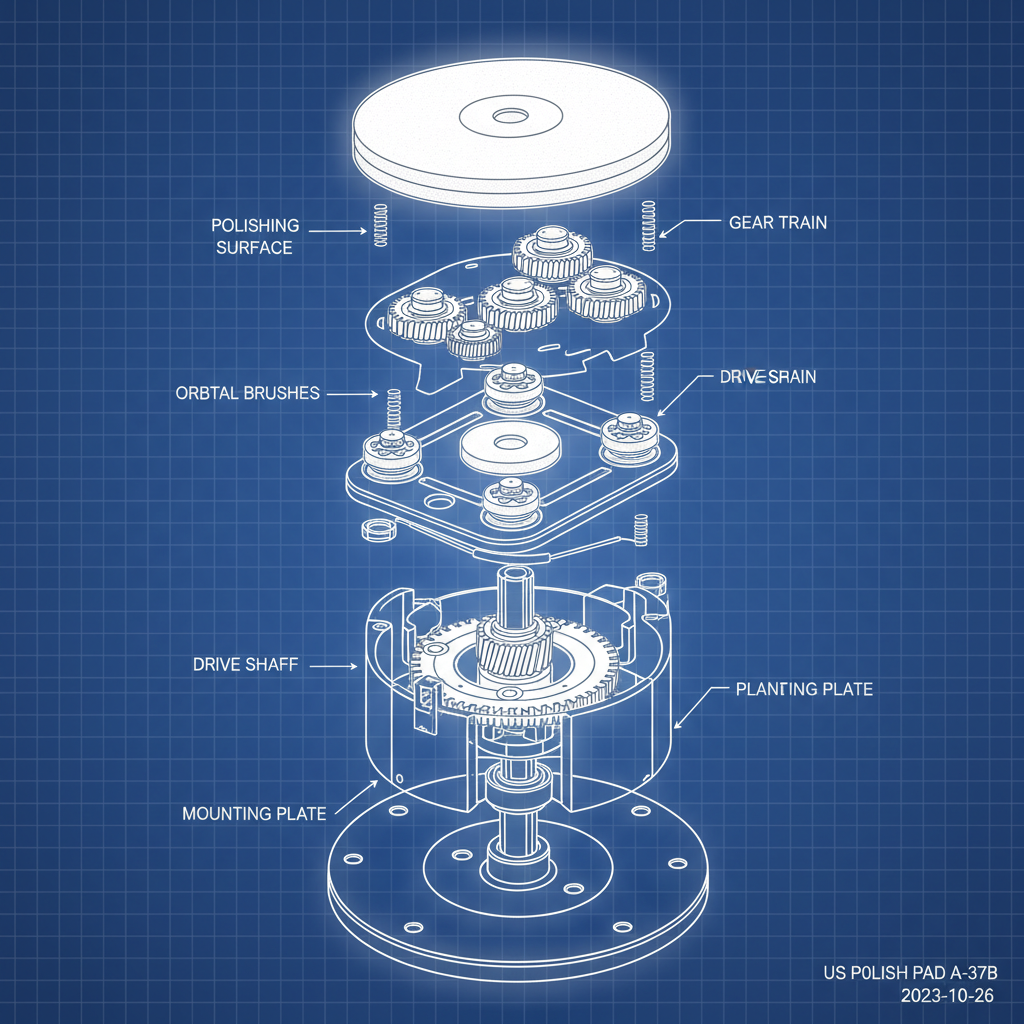
Product Specifications: Diamond Blade Polishing Pads
Here’s a glimpse into the specifications of our premium polishing pads:
Conclusion: Achieving a Brilliant Finish with the Right Pads
Selecting the appropriate metal polishing pads is critical for achieving a professional-quality finish. By understanding the different materials, grits, and factors outlined in this guide, you can confidently choose the best pads for your specific application. Remember to start with coarser grits for removing imperfections and gradually transition to finer grits for a brilliant shine. Visit MyDiamondBlade.com to explore our wide selection of high-quality polishing pads.
Frequently Asked Questions (FAQs)
How often should I replace my metal polishing pads?
The lifespan of polishing pads depends on usage, the type of metal being polished, and the abrasiveness of the compounds used. Regularly inspect your pads for signs of wear, such as glazing, tearing, or a loss of abrasive particles. Wool pads typically last longer than foam or microfiber pads. As a general rule, replace pads when you notice a decrease in their cutting power or a decline in the quality of the finish. Replacing worn pads ensures optimal polishing performance and prevents damage to the metal surface.
Can I use the same polishing pad for multiple metals?
While it’s technically possible, it’s not recommended to use the same polishing pad for multiple metals. Different metals contain different types of contaminants that can become embedded in the pad, potentially causing scratches or discoloration on subsequent surfaces. It’s best to dedicate specific pads to specific metals to avoid cross-contamination and ensure optimal results. Consider having a separate set of pads for aluminum, stainless steel, brass, and other metals you work with.
What’s the best way to clean metal polishing pads?
Cleaning polishing pads after each use is crucial for maintaining their performance and extending their lifespan. For wool and foam pads, use a pad cleaning brush to remove compound residue. You can also use a pad washer with a specialized cleaning solution. Microfiber pads can often be washed gently in a washing machine with mild detergent. Avoid using harsh chemicals or solvents, as these can damage the pad material. Ensure the pads are completely dry before storing them.
Are there different types of backing plates for polishing pads?
Yes, backing plates are essential for attaching polishing pads to your polishing machine. They come in different sizes and types, including rigid and flexible backing plates. Flexible backing plates conform to the contours of the surface, providing better contact and more even polishing. Ensure you choose a backing plate that is compatible with your polishing machine and the size of your polishing pads.
Related Products
Related Products





Address
No.30 Gaoying Road ,Chang'an District,Shijiazhuang,Hebei Province
Business Hours
Mon to Saturday : 8.00 am - 7.00 pm
Sunday & Holidays : Closed
.png )