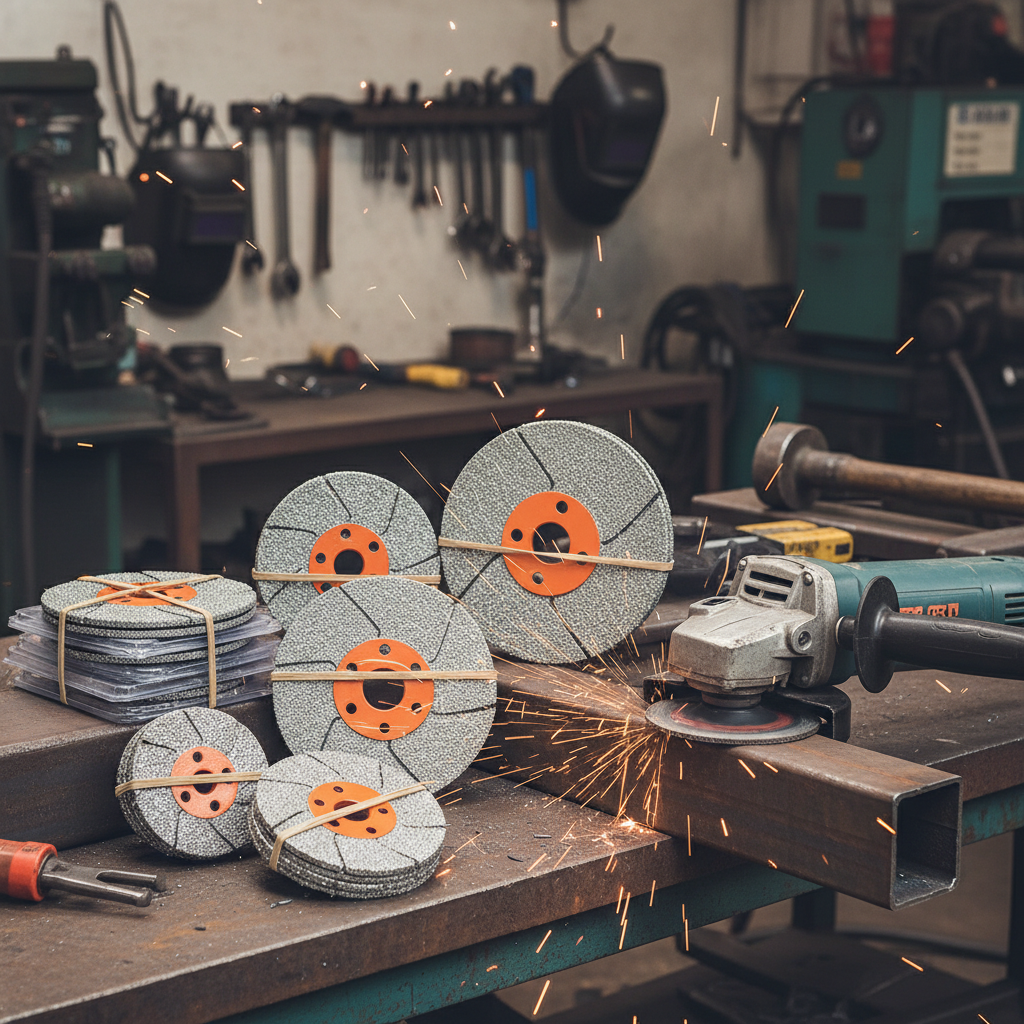
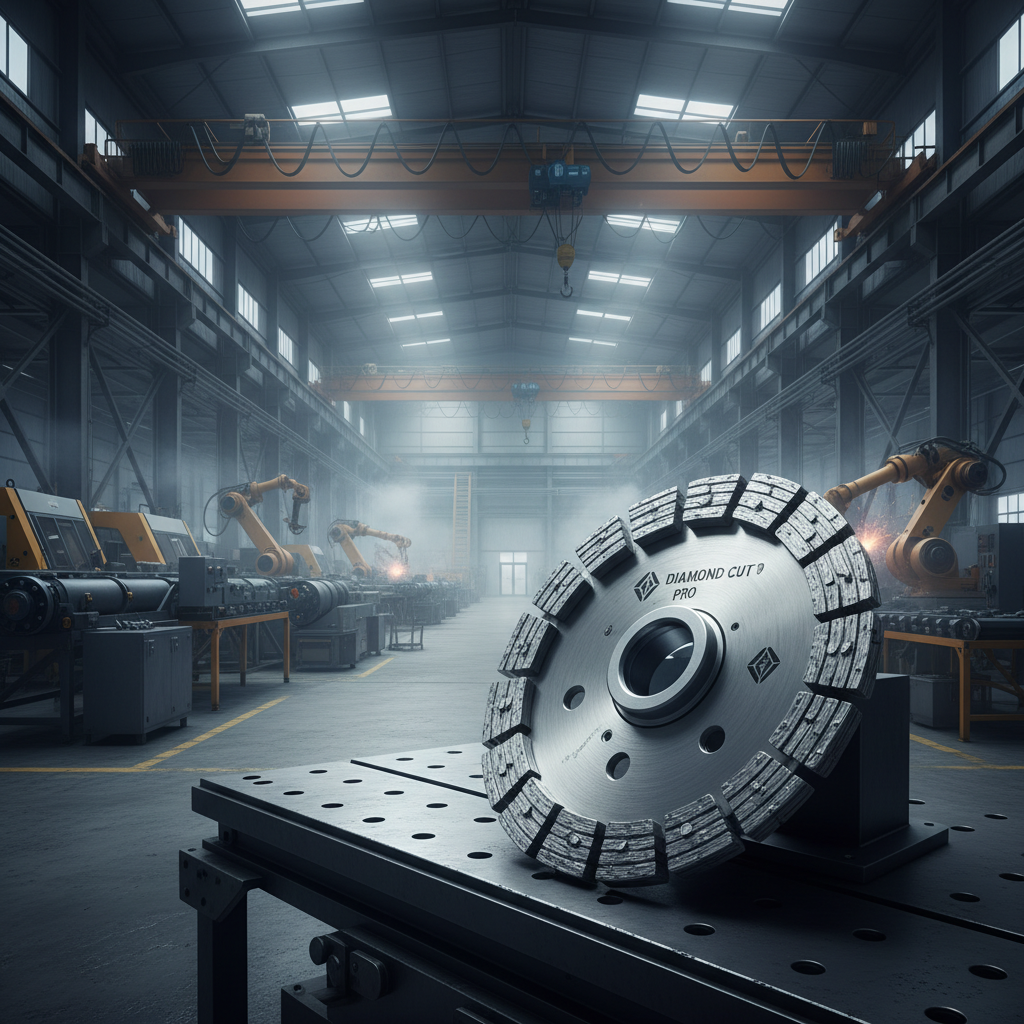
You know, been running around construction sites all year, getting dust in my teeth and smelling concrete. Lately, it's all about these diamond cutting blades manufacturers – everyone's looking for something that lasts longer, cuts faster, and doesn't leave a mess. Seems simple, right? Wrong. To be honest, there’s a lot of hype, and a lot of blades that just…aren't worth the money. The demand is crazy though, especially with all the infrastructure projects popping up. It’s not just construction anymore, either. Stone fabrication, tile work, even rescue teams are using these things. I’ve seen some pretty innovative designs, and some…well, let's just say I've seen things.
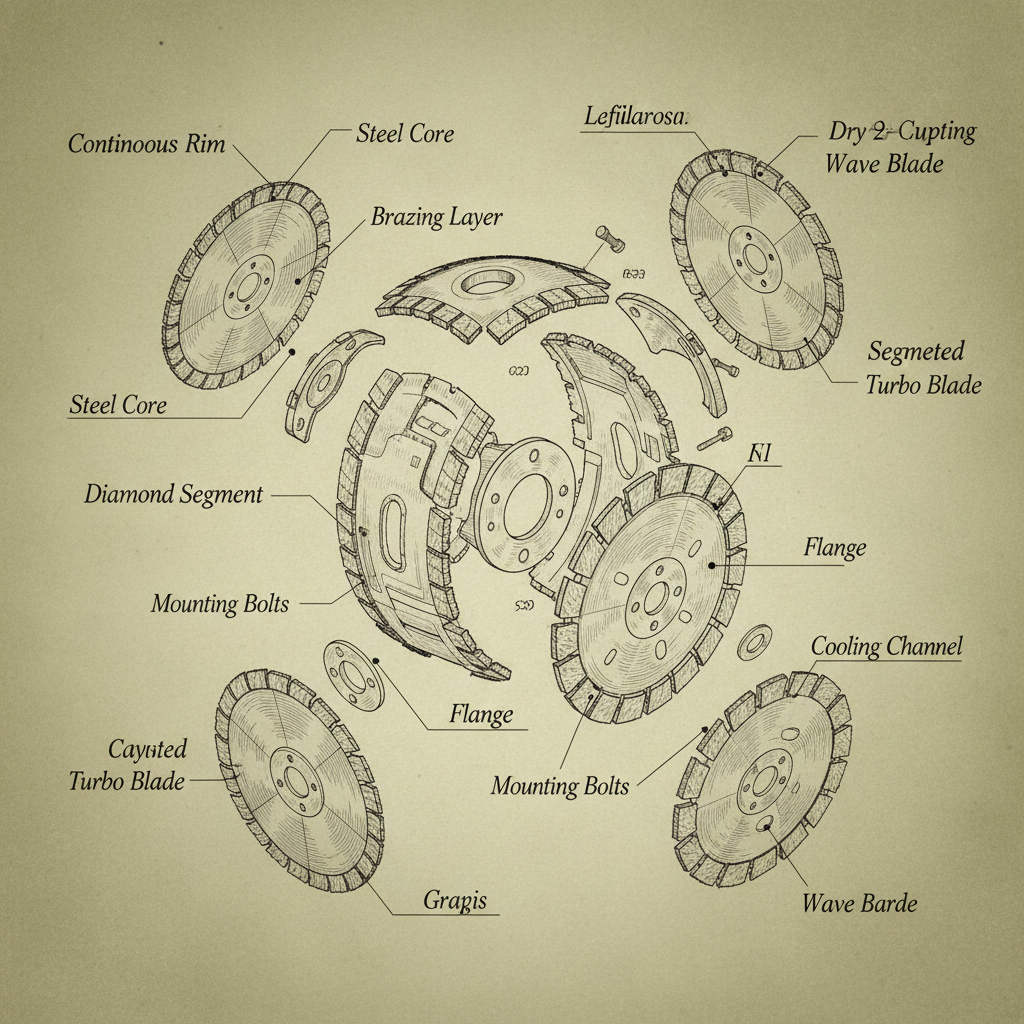
Have you noticed how many guys are switching to segmented blades? They’re good for concrete, don’t get me wrong, but they wear down fast if you try to use them on harder materials. That’s a rookie mistake. And the continuous rim ones? Beautiful clean cuts, yeah, but they’re brittle. Drop one, and you're buying a new one. Spent an hour last week trying to explain that to a foreman who swore a continuous rim blade was the only way to go. He…didn't listen.
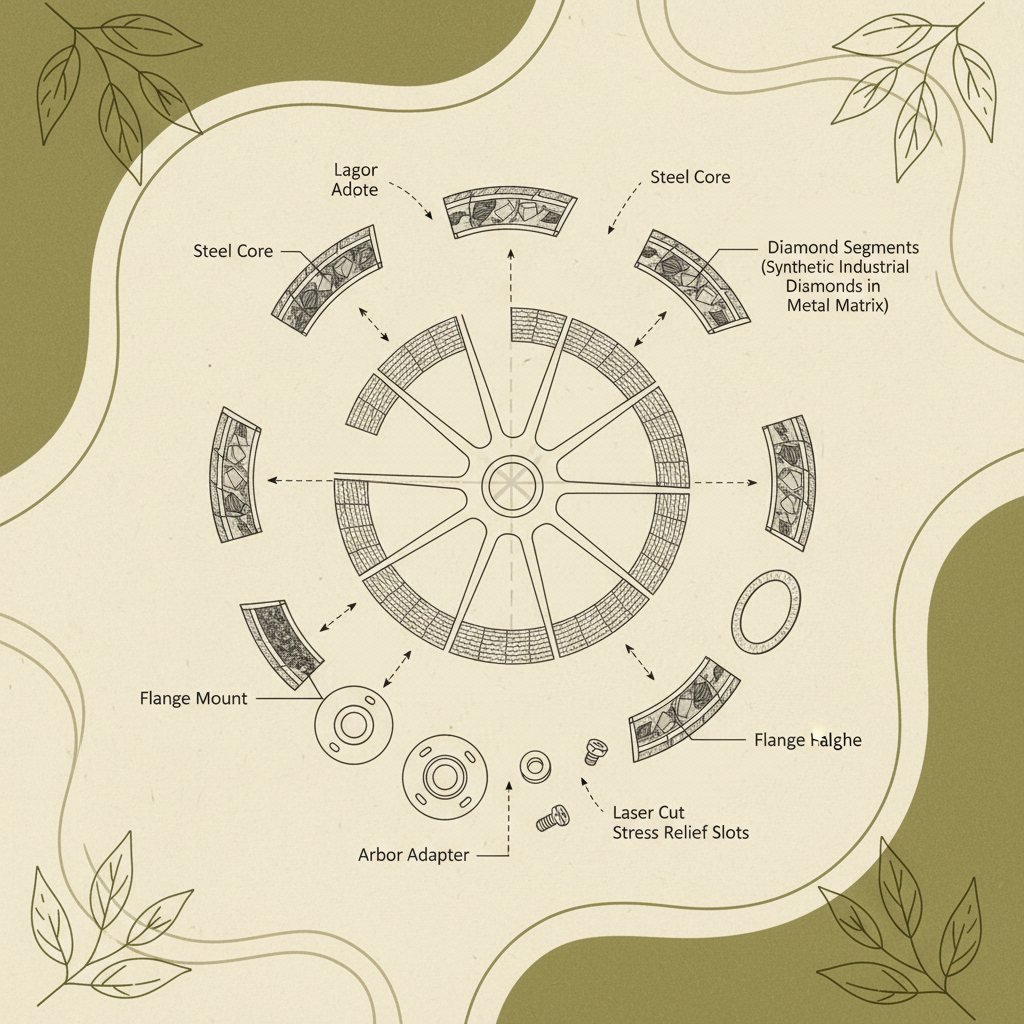
It all comes down to the matrix, the metal that holds the diamond grit. Cheap matrix, cheap blade. Period. You can smell it, sometimes. A good matrix smells…clean, metallic. A bad one? Kind of oily, almost burnt. And the bond. Soft bond for abrasive materials, hard bond for hard materials. It’s not rocket science, but people still mess it up. Anyway, I think a lot of folks underestimate the importance of the steel core. A flimsy core means the blade wobbles, which means a chipped cut, which means more work for everyone.
Industry Trends & Common Pitfalls
The biggest thing I've seen lately is a move towards laser-welded blades. They're more durable, supposedly, but also more expensive. And strangely, they're not always better. I encountered this at a precast factory last time, they switched to laser-welded and were getting more chipping. Turns out the laser weld was too rigid and couldn’t handle the vibration. They went back to their old blades.
A common pitfall? People focusing too much on the grit size and not enough on the blade’s thickness. Thinner blades cut faster, yeah, but they're also more prone to warping. And warping means a bad cut, and a bad cut means…well, you know. More work. It’s all about finding the right balance. And don’t even get me started on the fake diamond blades flooding the market. Look closely at the bond – if it’s crumbly, run away.
Materials: The Feel and the Smell
The diamond grit itself… it’s not all created equal. You've got your synthetic diamonds, and your natural diamonds. Synthetic are more consistent, which is good, but natural ones can be harder. It depends where they’re mined, apparently. The steel core, like I said, is crucial. You want a high-carbon steel, something that can take a beating. And the bond? That’s where the magic happens. It’s usually a metal alloy, often with a bit of bronze thrown in. A good bond feels…solid, dense. A bad one feels grainy, almost sandy.
I’ve noticed a lot of manufacturers are experimenting with different bond formulations, trying to get that perfect balance of hardness and flexibility. Some are adding titanium, others are using different ratios of copper and tin. It's a constant arms race, honestly. And the smell… yeah, you can actually smell the different bonds when you're cutting. A good bond smells kind of clean, metallic. A bad one smells… acrid, almost burnt. Seriously.
The whole thing is surprisingly tactile. You get used to feeling the quality of the materials just by handling the blade. After a while, you can tell a good one from a bad one without even looking. That’s just… experience, I guess.
Real-World Testing: Beyond the Lab
Forget those fancy lab tests. The real test is on the job site. I’ve seen blades that scored perfectly in the lab completely fall apart after a few hours of actual use. It’s all about how they hold up to the constant vibration, the heat, the dust, the abuse. We test them ourselves. We cut everything from reinforced concrete to granite to porcelain tile. We drop them (accidentally, of course). We run them dry, we run them wet.
We even let the guys beat on them a little. Okay, maybe not officially. But you can tell a lot by watching how they perform under pressure. And we track everything. Cutting speed, blade life, chip rate, the amount of dust generated. It’s a messy process, but it’s the only way to get reliable data. Later… Forget it, I won’t mention the time Bob tried to cut through rebar with one.
One thing I’ve noticed is that blades often perform differently depending on the type of saw they’re used with. Some saws vibrate more than others. Some have better cooling systems. It's a whole system, not just the blade itself.
How Users Actually Use Them
This is where things get interesting. You’d think people would read the instructions, right? Wrong. I’ve seen guys try to cut concrete with a blade designed for tile. I’ve seen guys use way too much water, flooding the saw and ruining the blade. I’ve even seen guys try to force the blade through the material, instead of letting the saw do the work.
They also tend to overestimate the lifespan of the blade. They keep using it until it’s completely worn out, and then they wonder why it’s cutting so slowly. And they don’t maintain them properly. Cleaning the blade, checking for cracks, sharpening… it's all important, but a lot of guys just don’t bother. They’re always in a rush, trying to get the job done as quickly as possible. I get it, time is money. But neglecting your tools will cost you more in the long run.
Diamond Cutting Blades Manufacturers Performance Metrics
Advantages & Disadvantages
The advantages are pretty straightforward: speed, precision, versatility. A good diamond blade can cut through almost anything. And they last a long time, if you take care of them. But there are downsides, too. They’re expensive, for one thing. And they create a lot of dust, which is a health hazard. You need to wear a respirator, and you need to have good dust control measures in place.
They can also be dangerous if you’re not careful. Kickback is a real risk, and you can easily cut yourself if you’re not paying attention. I’ve seen it happen. That’s why safety is always the top priority. Always wear safety glasses, gloves, and a respirator. And never, ever force the blade.
Customization Options
Most manufacturers will customize blades to your specifications. You can choose the diamond grit size, the bond hardness, the core thickness, even the arbor size. Last month, that small boss in Shenzhen who makes smart home devices insisted on changing the interface to , and the result was a huge headache – it took weeks to get the right adapters and it ended up costing him a fortune. Point is, customization isn’t always the answer.
But sometimes it is. We had a customer who needed a blade to cut a very specific type of composite material. The standard blades just weren’t cutting it. So we worked with the manufacturer to develop a custom blade with a unique diamond grit and bond combination. It worked perfectly. It cost more, but it saved them a lot of time and money in the long run.
A Customer Story: The Interface Debacle
Speaking of customization…remember that guy in Shenzhen? He makes those fancy smart home devices. He called us up, all excited, wanting a blade with a interface. Said it was the future, everything needed to be . We tried to explain that it wasn’t necessary, that a standard arbor would work just fine, but he wouldn’t listen. He insisted.
So we made him a custom blade with a interface. It took weeks, cost a fortune in engineering fees, and required a whole new set of adapters. And guess what? The blade barely lasted a day. The connector kept overheating and failing. He ended up having to go back to a standard arbor and apologize to his team.
It just goes to show you, sometimes the simplest solution is the best solution. Don’t get caught up in the hype. Stick with what works.
Table Summarizing Diamond Blade Performance
| Blade Type |
Material Suitability |
Durability (1-10) |
Cost (1-10) |
| Segmented |
Concrete, Asphalt |
6 |
4 |
| Continuous Rim |
Tile, Porcelain |
7 |
6 |
| Turbo |
General Purpose |
5 |
5 |
| Diamond Cup Wheel |
Grinding Concrete |
8 |
7 |
| Laser Welded |
Hard Materials, Stone |
9 |
9 |
| Rescue Blade |
Concrete, Metal, Wood |
10 |
8 |
FAQS
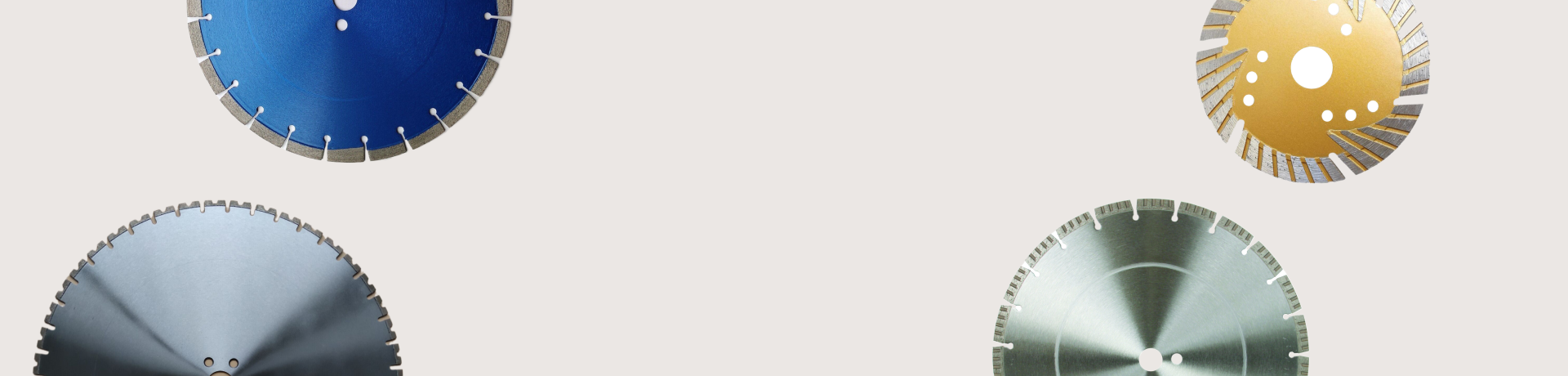
Segmented blades are good for fast, rough cutting of concrete and asphalt. They remove material quickly, but leave a rougher finish. Continuous rim blades provide a cleaner, more precise cut, ideal for tile and stone. They’re slower, but the results are worth it. The grit is distributed differently, impacting speed and finish.
Lower grit numbers (e.g., 30/40) are for aggressive cutting of soft materials. Higher grit numbers (e.g., 150/180) are for polishing and fine cutting of hard materials. A medium grit (e.g., 80/100) is a good all-around choice. Honestly, it’s a bit of trial and error. Start with a medium grit and adjust as needed.
Keep them dry, and protected from impact. Store them in a tool box or on a rack. Don’t just throw them in a pile with other tools. They're brittle, and you don’t want to chip the diamonds. A dedicated blade storage case is ideal.
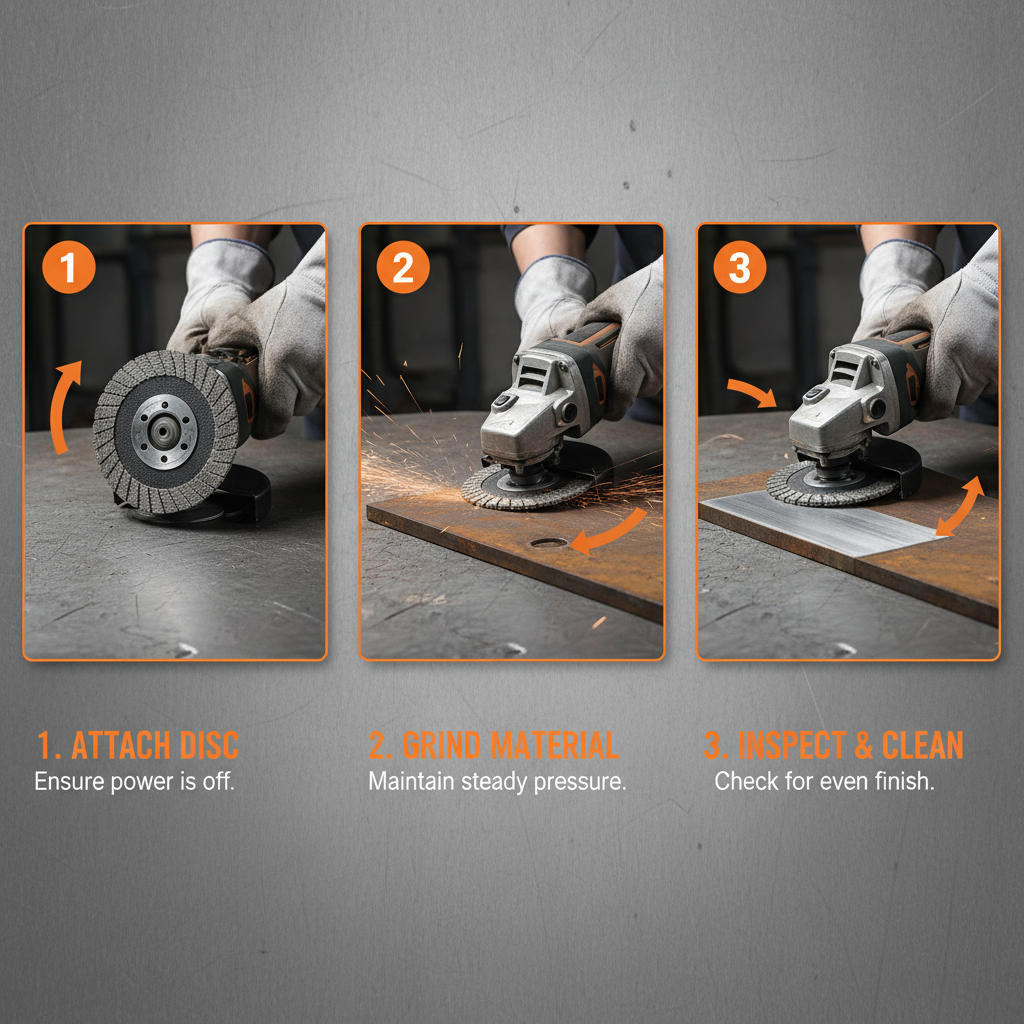
Use the correct blade for the material you're cutting, don't force the blade, and keep it cool with water. Regular cleaning also helps. Inspect the blade regularly for damage and replace it when necessary. A dull blade is more dangerous than a sharp one.
Always wear safety glasses, gloves, and a respirator. Use proper dust control measures. Be aware of kickback and keep your hands away from the blade. Never use a damaged blade. Seriously, these things are dangerous. Take it seriously.
Some can, but it's often not worth the cost. Resharpening is a specialized process, and it can weaken the blade. It’s usually cheaper to just buy a new one. Unless it's a really expensive blade, then maybe. But honestly, most of the time, it’s not worth it.
Conclusion
Ultimately, these diamond cutting blades manufacturers are just tools. They’re not magic. They can make your job easier, faster, and more precise, but they can’t do the work for you. The key is to understand the different types of blades, choose the right one for the job, and use it safely and effectively. It’s about knowing your materials, knowing your tools, and knowing your limits.
And at the end of the day, whether this thing works or not, the worker will know the moment he tightens the screw. That’s the truth of it. If you want reliable, high-quality blades that’ll stand up to the rigors of the job site, check out our selection at My Diamond Blade. We've been in the business long enough to know what works, and what doesn’t.








.png )