Choosing the Ideal 7 Inch Hook and Loop Backing Pad for Superior Results
Choosing the Right 7 Inch Hook and Loop Backing Pad for Your Needs
When it comes to surface preparation and finishing, selecting the correct 7 inch hook and loop backing pad is crucial for achieving optimal results. These pads are essential for attaching abrasive discs, sanding pads, and polishing pads to your power tools. A high-quality backing pad ensures secure adhesion, efficient heat dissipation, and a longer lifespan for your abrasives. This article will guide you through the key considerations when choosing a 7 inch hook and loop backing pad, covering types, materials, and applications. Proper selection ensures maximum performance and cost-effectiveness.
Understanding the Different Types of 7 Inch Backing Pads
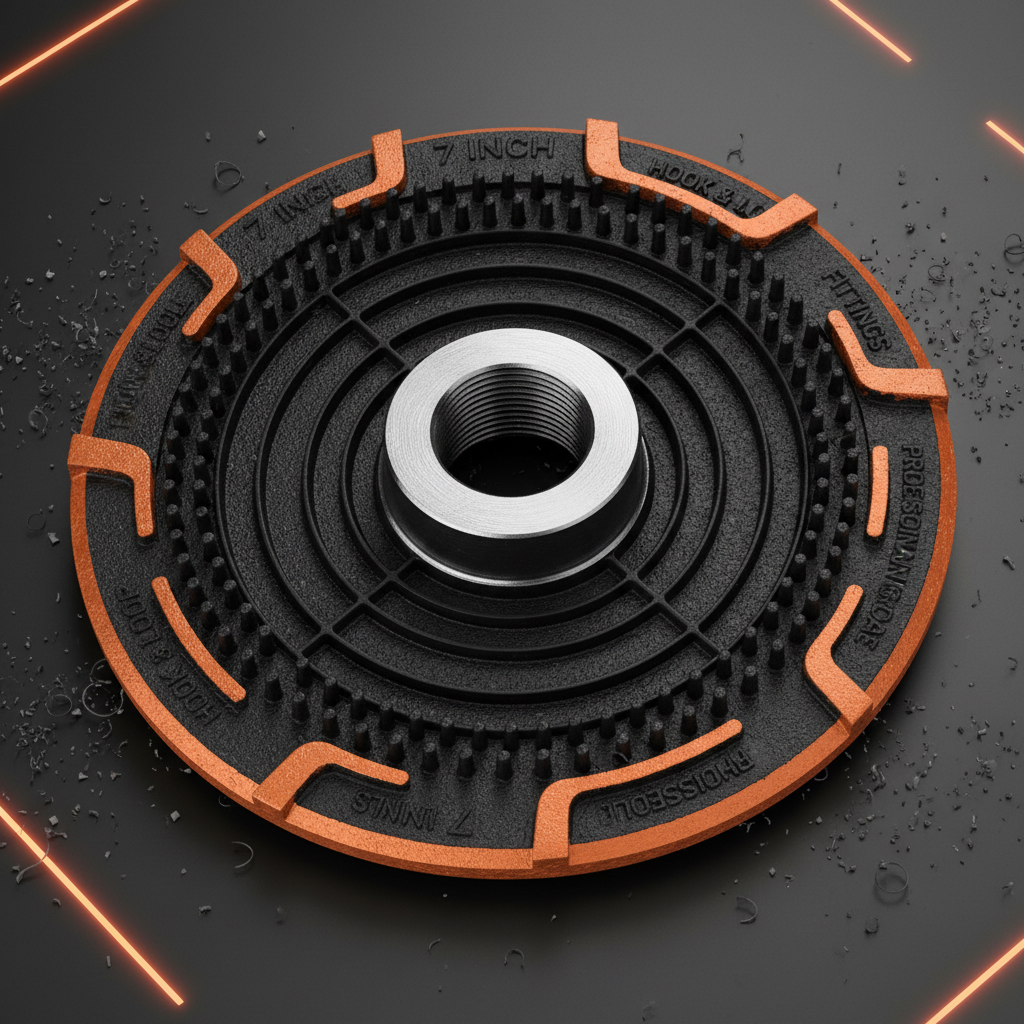
7 inch hook and loop backing pads aren't one-size-fits-all. They come in various designs tailored to specific applications. Interface pads are designed to reduce vibration and provide a softer sanding action, ideal for delicate surfaces. Hard pads offer a firmer support, perfect for aggressive stock removal and heavy-duty applications. Flexible pads contour to uneven surfaces, ensuring consistent contact and minimizing swirl marks. Choosing the right type depends on your material, the desired finish, and the power of your tool. Consider the application; delicate work requires flexibility, while demanding jobs benefit from rigidity.
Key Takeaway: Different backing pad types offer varying levels of flexibility, support, and vibration absorption to match specific sanding or polishing tasks.
Materials Matter: Choosing the Right Backing Pad Material
The material of your 7 inch hook and loop backing pad significantly impacts its performance and lifespan. Rubber pads are known for their flexibility and durability, making them suitable for a wide range of applications. Polyurethane pads offer excellent resistance to wear and tear, ideal for heavy-duty use. Plastic pads are a more affordable option, but may not be as durable. Selecting a material that complements your abrasive and workpiece is key to maximizing efficiency and achieving a high-quality finish. Consider the heat generated; some materials dissipate heat better than others.
Material Comparison:
• Rubber: Flexible, durable, versatile.
• Polyurethane: High wear resistance, long-lasting.
• Plastic: Affordable, suitable for lighter tasks.
7 Inch Hook and Loop Backing Pad Applications: Matching the Pad to the Job
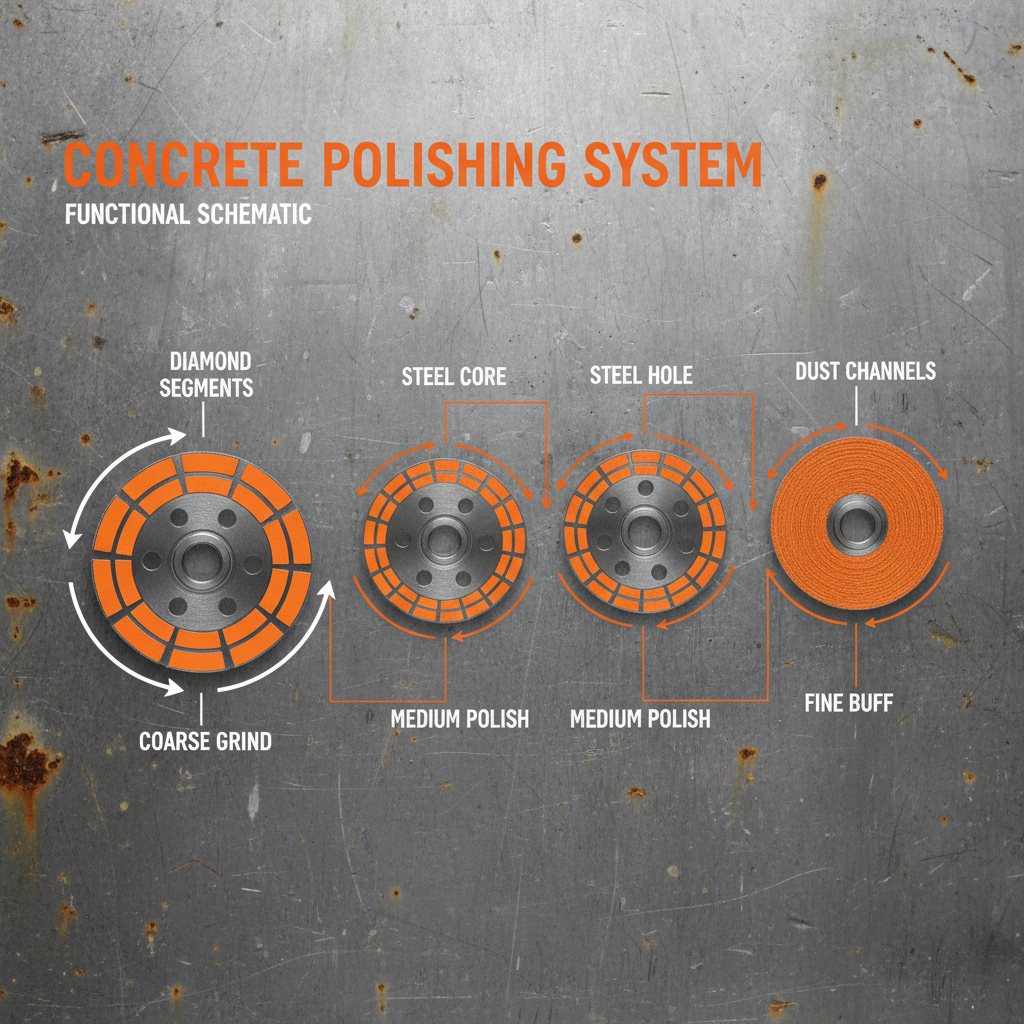
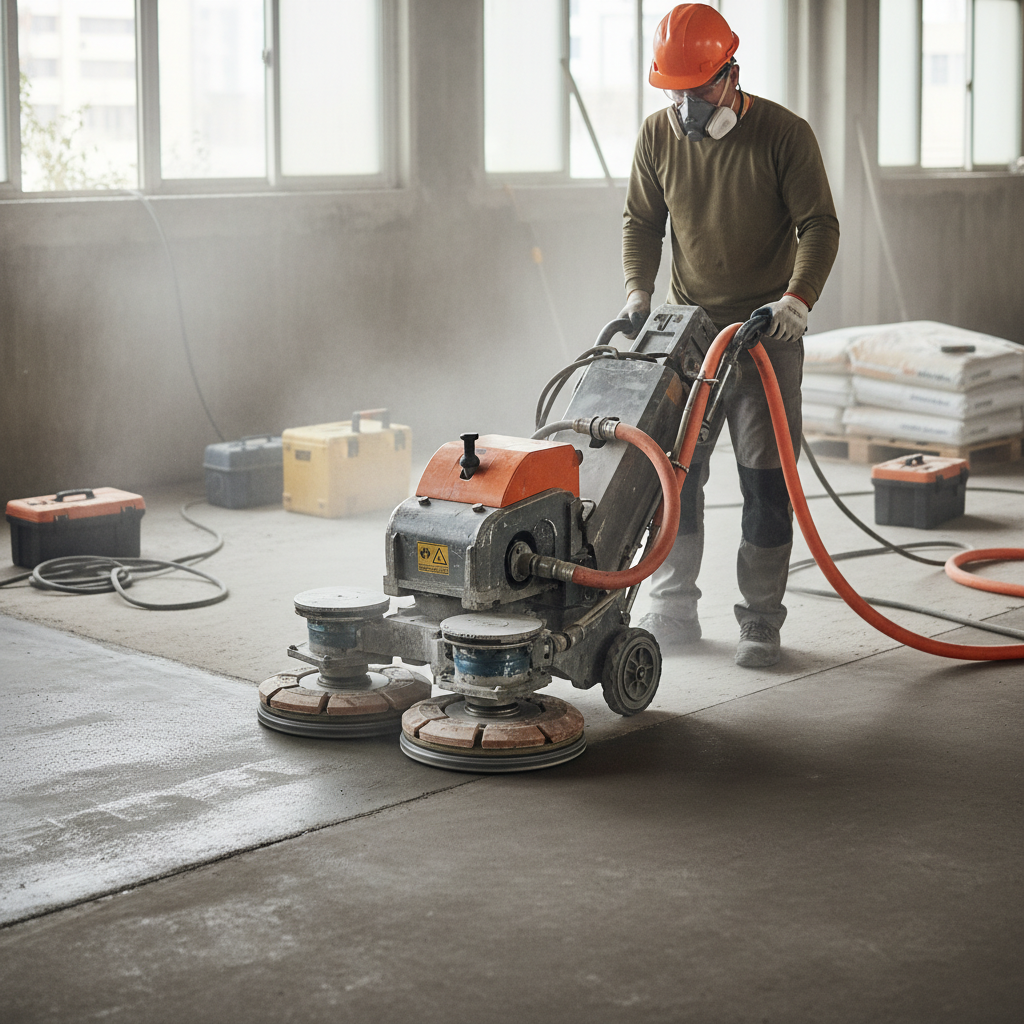
Different applications demand specific characteristics from a 7 inch backing pad. Automotive detailing often requires flexible pads for contouring body panels and achieving a flawless finish. Woodworking benefits from interface pads for gentle sanding and minimizing swirl marks. Metal fabrication typically calls for hard pads to handle aggressive grinding and deburring. Concrete polishing requires durable polyurethane pads to withstand the abrasive process. Understanding the unique demands of your work will ensure you choose a backing pad that delivers optimal performance and efficiency.
Hook and Loop vs. PSA: Understanding Attachment Methods
While most 7 inch backing pads utilize a hook and loop (Velcro) attachment system, Pressure Sensitive Adhesive (PSA) is another option. Hook and loop allows for quick and easy disc changes, making it ideal for frequent abrasive swaps. PSA provides a stronger, more permanent bond, suitable for applications where secure adhesion is paramount. The choice depends on your workflow and the level of security required. For versatility and convenience, hook and loop is generally preferred.
Selecting the Best 7 Inch Hook and Loop Backing Pad: A Summary
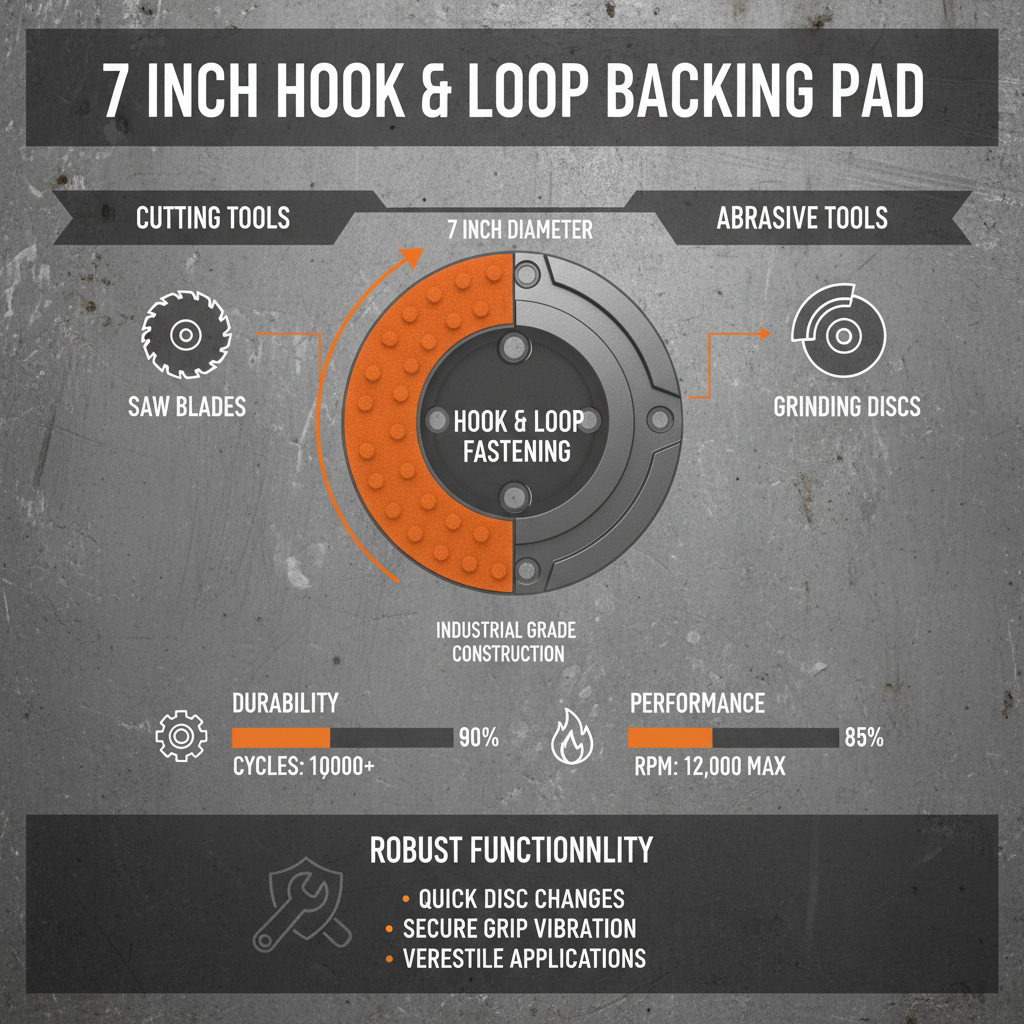
Choosing the right 7 inch hook and loop backing pad involves considering the type of application, the material of the pad, and the attachment method. By understanding these factors, you can select a pad that optimizes performance, enhances efficiency, and extends the life of your abrasives. Investing in a quality backing pad from a reputable supplier like MyDiamondBlade.com will ultimately save you time and money.
Conclusion: Maximize Your Sanding and Polishing Results
The right 7 inch hook and loop backing pad is a small investment that yields significant returns in terms of efficiency, finish quality, and abrasive lifespan. By carefully considering your specific needs and choosing a pad from a trusted source, you can ensure optimal results for your sanding and polishing projects.
Frequently Asked Questions (FAQs)
How often should I replace my 7 inch hook and loop backing pad?
The lifespan of your backing pad depends on usage and the materials you are working with. Generally, inspect the hook surface regularly for wear and tear. When the hook loses its grip or becomes clogged with debris, it's time to replace it. A worn backing pad will result in uneven sanding, reduced abrasive performance, and potential damage to your workpiece. As a rule of thumb, replace the pad every 3-6 months with regular use or sooner if you notice performance degradation.
What size abrasive discs are compatible with a 7 inch backing pad?
A 7 inch backing pad is designed to work with 7 inch abrasive discs. It's crucial to use the correct size disc to ensure proper adhesion and prevent premature wear of both the pad and the disc. Using a larger disc can lead to uneven sanding and potential safety hazards, while a smaller disc may not provide sufficient coverage.
Can I clean my hook and loop backing pad to extend its life?
Yes, you can clean your backing pad to remove dust and debris. Use compressed air or a soft brush to dislodge accumulated particles. Avoid using solvents or abrasive cleaners, as these can damage the hook surface. Regular cleaning will help maintain the pad's grip and prolong its lifespan. Specialized hook cleaning tools are also available for more thorough cleaning.
What is the difference between a hard and soft backing pad?
A hard backing pad provides firm support and is ideal for aggressive stock removal and contouring uneven surfaces. It minimizes pad flex and maximizes abrasive cutting action. A soft backing pad, also known as an interface pad, offers more flexibility and reduces vibration. It's perfect for delicate sanding, blending, and polishing, as it minimizes the risk of swirl marks and provides a more controlled finish.
Related Products
Related Products





Address
No.30 Gaoying Road ,Chang'an District,Shijiazhuang,Hebei Province
Business Hours
Mon to Saturday : 8.00 am - 7.00 pm
Sunday & Holidays : Closed
.png )