close
  • 378_2025032719101269029.webp
  • 378_2025032719084087564.webp
0%

Table of Contents

Look, I’ve spent the last fifteen years breathing concrete dust and getting grease under my fingernails on construction sites. You learn a thing or two when your office is a job site, and one thing I’ve learned is that getting the job done right means having the right tools. And when it comes to cutting concrete, stone, asphalt – anything hard – there’s just no substitute for a good diamond wheel blade. It's not just about speed, it's about reliability, safety, and ultimately, finishing the job on time and under budget.

For years, we relied on abrasive wheels, and frankly, they were a constant headache. They wear down fast, create a ton of dust, and are just plain inefficient. Switching to diamond blades was a game-changer. They last longer, cut cleaner, and significantly reduce the amount of slurry you're dealing with. That's less cleanup, less downtime, and a happier crew. It's a deceptively simple upgrade that has a ripple effect across the whole project.

It’s easy to look at a blade and think they’re all the same, but that’s where you get burned. The quality of the diamond matrix, the bonding agent, the core material – it all matters. A cheap blade might save you a few bucks upfront, but you’ll end up spending more in the long run on replacements and lost productivity. I’ve seen projects stalled because someone skimped on the blade. It’s not worth the risk.
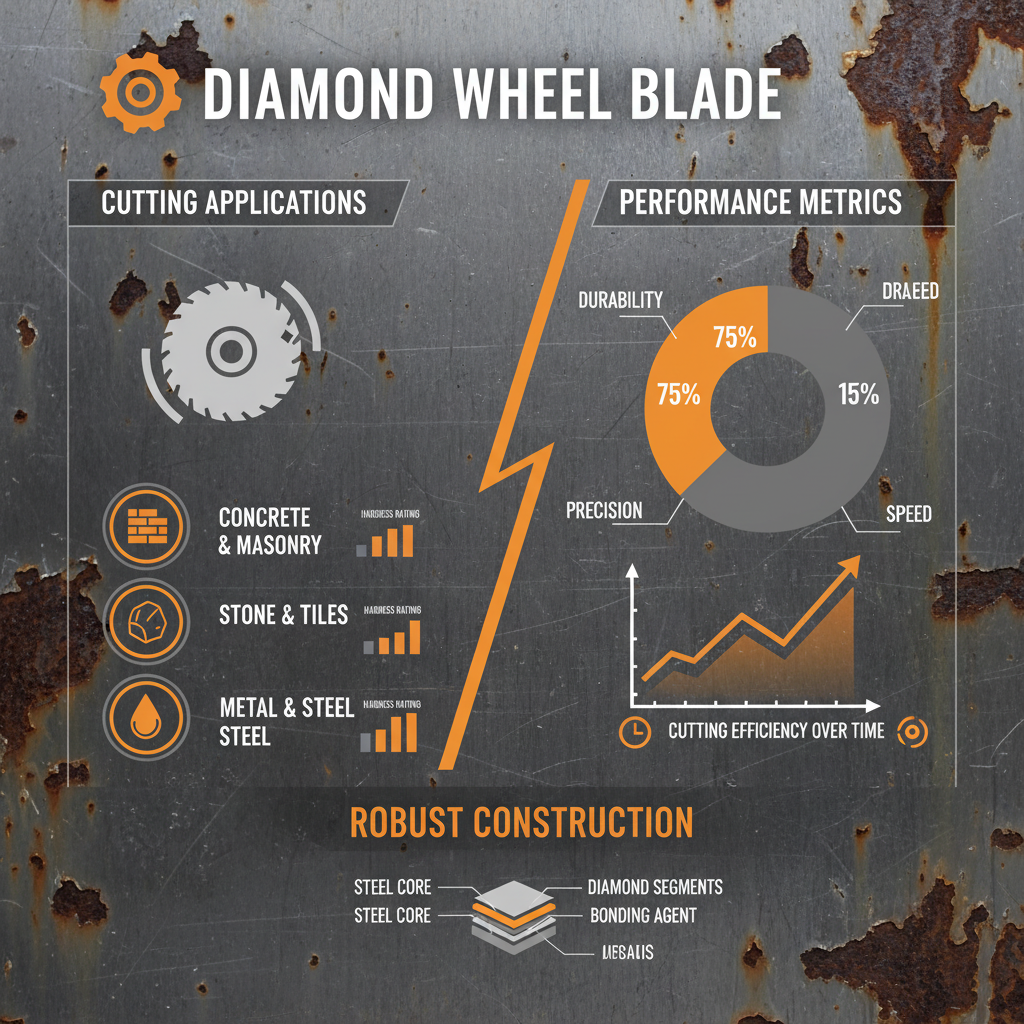
The Indispensable Diamond Wheel Blade for Construction and Cutting Applications

The Importance of Diamond Wheel Blades in Construction

The Indispensable Diamond Wheel Blade for Construction and Cutting Applications

From cutting concrete for foundations to slicing through asphalt for road repairs, the construction industry relies heavily on efficient and durable cutting tools. The global construction market, valued at over $12 trillion (according to a 2023 report by the UN), demands tools that can withstand rigorous use and deliver precise results. Diamond wheel blades are rapidly becoming the industry standard, driven by their superior performance and cost-effectiveness. They address the ongoing challenge of reducing project timelines and minimizing downtime related to tool maintenance.

We’re seeing more regulations around dust control too. Abrasive wheels kick up a ton of silica dust, which is a serious health hazard. Diamond blades, especially when used with water suppression, significantly reduce dust generation, creating a safer working environment for everyone on site. That’s not just good for morale; it’s a legal requirement in a lot of places now.

Defining Diamond Wheel Blade Technology

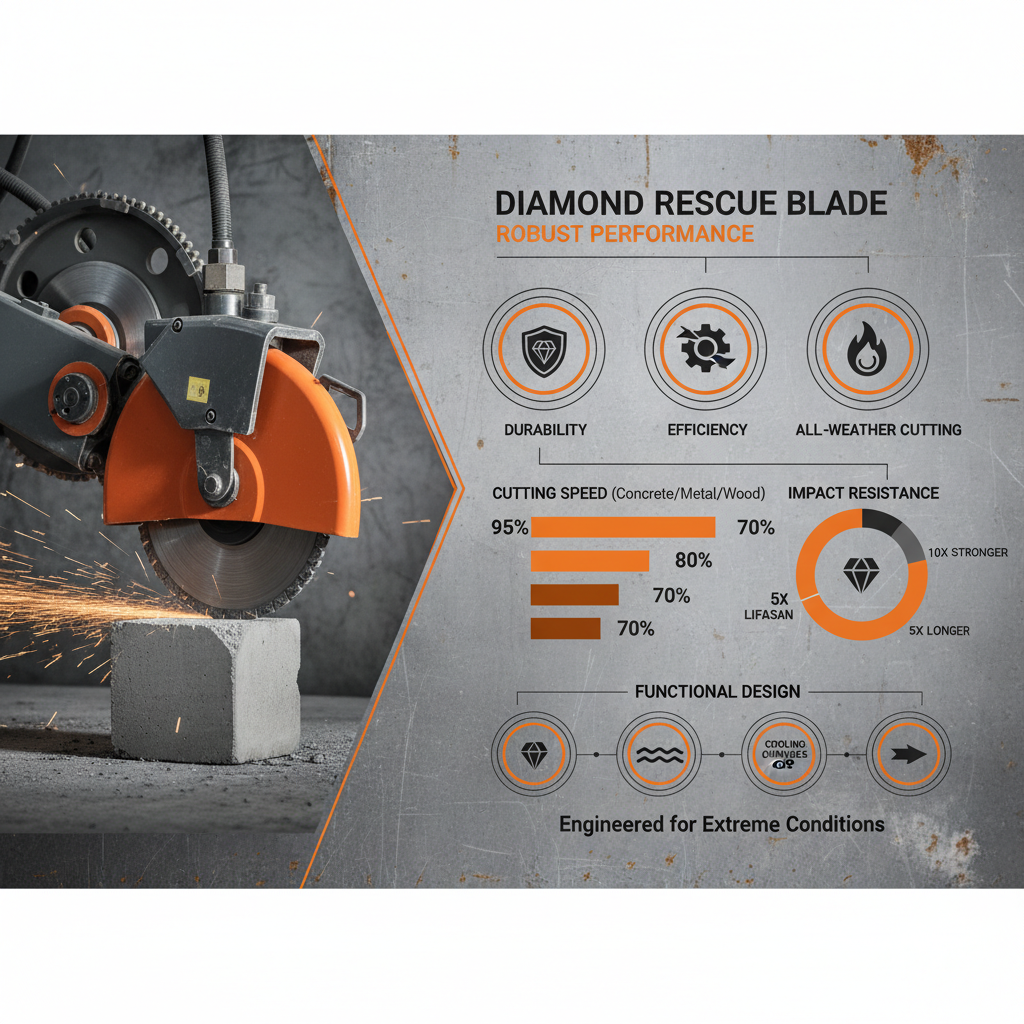
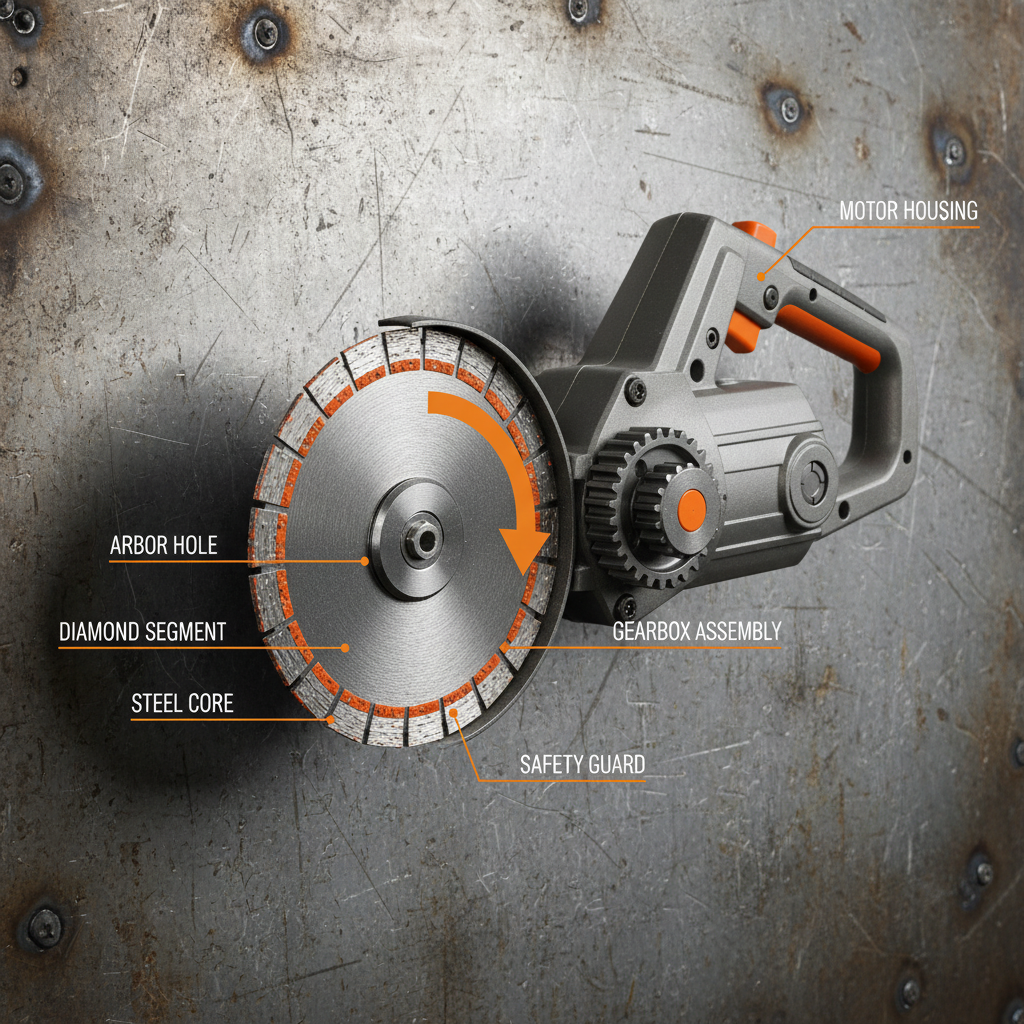
A diamond wheel blade isn’t just a wheel with diamonds glued on it. It's a carefully engineered product. You have a steel core, which provides strength and rigidity. Then you’ve got the bonding matrix, usually a metallic alloy, that holds the industrial diamonds in place. The type of diamond, the size of the diamond grit, and the density of the matrix all determine the blade’s cutting characteristics. Different materials require different blade formulations.

The diamonds themselves are crucial. They're the hardest known material, which is why they can cut through almost anything. But it's not just about hardness; it’s about the way the diamonds are bonded to the matrix. A well-bonded diamond will expose fresh cutting edges as it wears, extending the blade’s life. A poorly bonded diamond will just pull out and become ineffective.

Think of it like this: it’s the same concept as a grinding wheel, but instead of relying on friction, a diamond blade relies on the abrasion of incredibly hard diamonds. This results in cleaner cuts, less heat build-up, and a significantly longer lifespan compared to traditional abrasive wheels.

Key Factors Influencing Diamond Wheel Blade Performance

Several key factors contribute to the overall performance of a diamond wheel blade. First, there's the diamond grit size. Coarser grits are better for aggressive cutting of softer materials, while finer grits are ideal for creating smooth, precise cuts in harder materials like granite or porcelain tile.

The bonding matrix is also critical. A softer matrix releases diamonds more quickly, leading to faster cutting but shorter blade life. A harder matrix retains diamonds longer, providing a longer lifespan but slower cutting speeds. Choosing the right matrix depends on the material you're cutting and your desired balance between speed and longevity.

Finally, the quality of the steel core matters. A high-quality core will withstand the stresses of cutting without warping or cracking. Cheaper blades often use inferior steel, which can lead to blade failure and potential safety hazards. It's a place you really don't want to cut corners.

Global Applications of Diamond Wheel Blades

You see diamond wheel blades everywhere these days. In infrastructure projects across Europe, they’re used for cutting expansion joints in highways and bridges. In the booming construction markets of Asia, they’re essential for cutting concrete and stone for skyscrapers and commercial buildings. Even in remote areas like the Australian Outback, they’re used for mining and quarrying operations.

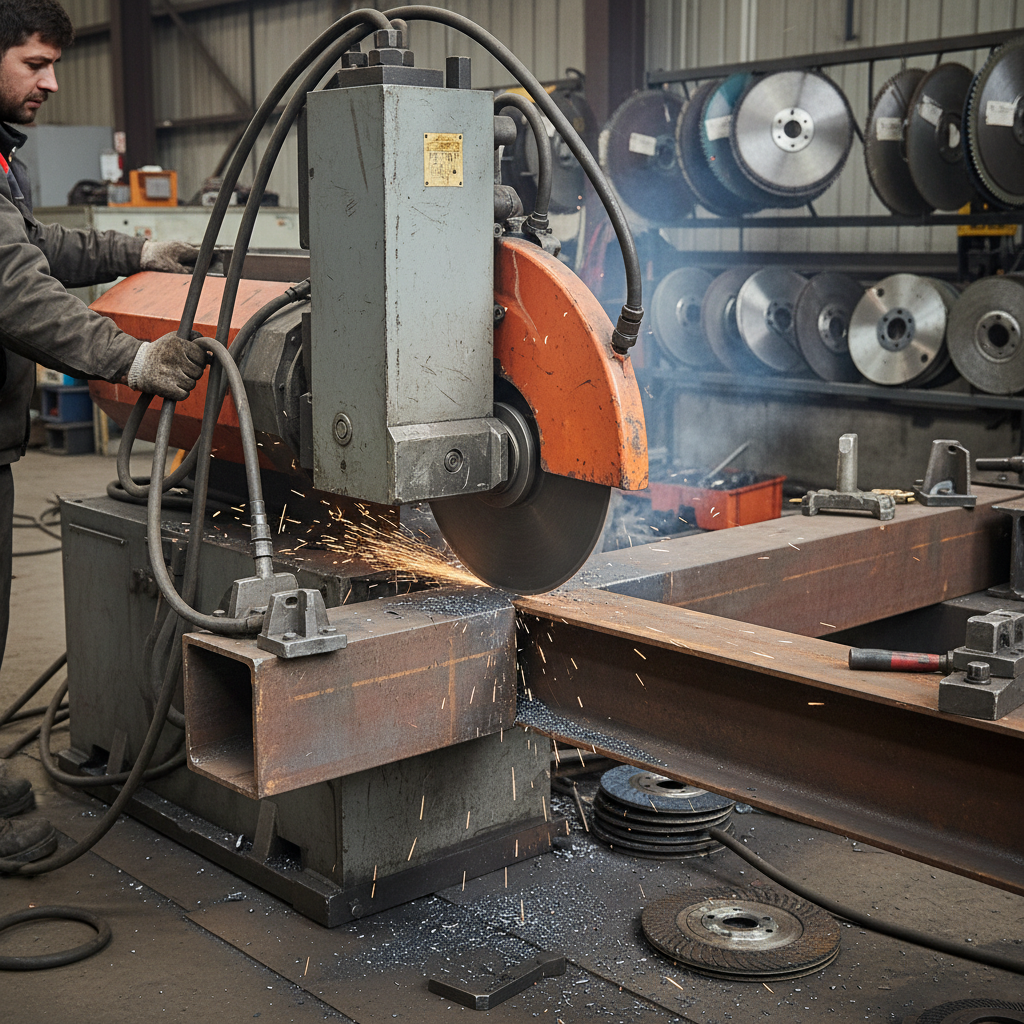
I’ve personally worked on projects where they’ve been used for everything from cutting concrete pipes to core drilling through reinforced concrete foundations. They're invaluable for demolition work, allowing for precise and controlled cutting of concrete structures. I recently worked in a disaster recovery operation in Florida, and diamond blades were essential for cutting through debris and accessing damaged structures safely.

Diamond Wheel Blade Application Breakdown


Advantages and Long-Term Value Proposition

The benefits of using diamond wheel blades extend far beyond just cutting speed. They offer a significant return on investment due to their longevity and reduced downtime. A good blade can last for days, even weeks, on a large project, minimizing the need for frequent replacements.

From a safety standpoint, they’re a clear winner. The cleaner cuts and reduced dust generation create a healthier and safer work environment. And let's be honest, a happy and healthy crew is a more productive crew. It’s not just about saving money; it’s about taking care of the people doing the work.

Future Trends in Diamond Wheel Blade Development

We’re starting to see a lot of innovation in the diamond blade space. Manufacturers are experimenting with new bonding matrices and diamond coatings to improve cutting performance and extend blade life. There’s a growing focus on developing blades that are specifically designed for cutting new, sustainable building materials like recycled concrete and engineered stone.

I also expect to see more integration of sensor technology into blades. Imagine a blade that can monitor its own wear and tear and provide real-time data on its remaining lifespan. That would allow for proactive maintenance and prevent unexpected downtime.

Common Challenges and Innovative Solutions

One of the biggest challenges with diamond wheel blades is choosing the right blade for the job. With so many different options available, it can be overwhelming. That’s where working with a knowledgeable supplier comes in. They can help you assess your specific needs and recommend the best blade for your application.

Another challenge is dealing with slurry, the muddy byproduct of cutting concrete. Proper slurry management is essential for maintaining a clean and safe work site. New slurry control systems are being developed that can effectively capture and contain slurry, reducing environmental impact and cleanup costs.

Finally, blade wear is inevitable. Even the best blades eventually wear out. Some companies are now offering blade refurbishment services, which can extend the life of your blades and save you money.

Table Summarizing Common Diamond Wheel Blade Challenges & Solutions

Challenge Impact on Project Potential Solution Implementation Cost (1-10)
Incorrect Blade Selection Reduced Cutting Speed, Premature Wear Consultation with Blade Experts 2
Excessive Slurry Production Increased Cleanup Time, Environmental Concerns Implement Slurry Control Systems 6
Blade Wear & Tear Frequent Replacements, Downtime Blade Refurbishment Services 4
Heat Build-Up During Cutting Reduced Blade Life, Potential Damage Water Cooling & Lubrication 1
Dust Generation Health Hazards, Regulatory Non-Compliance Wet Cutting Methods & Dust Extraction 3
Blade Segmentation Uneven Wear, Reduced Cutting Efficiency High-Quality Blade Construction & Material 7

FAQS

What's the difference between a segmented and continuous rim diamond blade?

Segmented blades are designed for faster, more aggressive cutting of softer materials like concrete and asphalt. The segments create gaps that allow for slurry evacuation and cooling. Continuous rim blades, on the other hand, are ideal for cutting harder, denser materials like porcelain tile and granite, providing a chip-free, precise cut. Choosing the right one depends on the material you’re working with and the type of cut you need.

How do I extend the life of my diamond blade?

Proper use and maintenance are key. Always use the correct blade for the material you're cutting. Keep the blade cool by using water suppression whenever possible. Avoid excessive pressure, let the blade do the work. Store blades properly to prevent damage, and consider having them professionally refurbished when they start to wear down. A little care goes a long way.

What does 'dry cutting' mean, and is it safe?

Dry cutting refers to cutting materials without using water for cooling and dust suppression. It’s generally not recommended for most materials, especially concrete, as it generates a significant amount of dust and can overheat the blade, shortening its lifespan. If you must dry cut, always wear a high-quality respirator and eye protection, and ensure adequate ventilation.

How do I know when it's time to replace my diamond blade?

There are several indicators. If you notice a significant decrease in cutting speed, increased effort required to cut, or visible damage to the blade segments, it's likely time for a replacement. Also, if the blade is making unusual noises or vibrating excessively, stop using it immediately. Safety first!

What safety precautions should I take when using a diamond blade?

Always wear appropriate personal protective equipment (PPE), including safety glasses, hearing protection, gloves, and a respirator. Ensure the workpiece is securely clamped or supported. Use the correct blade for the material and follow the manufacturer’s instructions. Be aware of your surroundings and keep bystanders at a safe distance. And always disconnect the power source before changing blades.

Can diamond blades cut through rebar or metal?

While some specialized diamond blades are designed to cut through metal, standard concrete cutting blades are not. Attempting to cut through rebar or metal with a concrete blade will likely damage the blade and could be extremely dangerous. Always use the appropriate blade for the material you’re cutting. There are blades specifically made for cutting ferrous and non-ferrous metals.

Conclusion

Ultimately, a quality diamond wheel blade isn’t just a tool; it’s an investment. It's an investment in efficiency, safety, and the longevity of your projects. From reducing downtime and labor costs to ensuring cleaner, more precise cuts, the benefits are undeniable. Choosing the right blade, understanding its limitations, and maintaining it properly will pay dividends in the long run.

Don’t fall into the trap of thinking cheaper is better. Take the time to research your options, talk to industry experts, and invest in a blade that’s built to last. A reliable diamond blade isn’t just about getting the job done; it’s about getting it done right, safely, and efficiently. If you want to learn more about finding the perfect blade for your next project, visit our website today: www.mydiamondblade.com
Kevin Wilson

Kevin Wilson

Kevin Wilson is a Logistics and Export Coordinator at Mingye Tools Technologies. He ensures the timely and efficient delivery of our products to customers worldwide. Kevin manages all aspects of the export process, from documentation and customs clearance to shipping and tracking. He’s adept at navigating international regulations and building
Previous Maximize Efficiency and Safety with a High Performance dry diamond wheel
Next Diamond Cutting Disc Set Precision Performance
Can't Find The Products And Services You Need?
If you need our help,
Our staff will be happy to help and answer your questions!

Contact Us

Email: sales@mingyetools.com

Phone:0086-15369377868

Address

No.30 Gaoying Road ,Chang'an District,Shijiazhuang,Hebei Province

Business Hours

Mon to Saturday : 8.00 am - 7.00 pm

Sunday & Holidays : Closed

If you are interested in our products, you can choose to leave your information here, and we will be in touch with you shortly.