
Choosing the Right 50mm Polishing Pads for Automotive Detailing and More
Choosing the Right 50mm Polishing Pads for Superior Results
Achieving a flawless finish in automotive detailing, stone polishing, or composite work heavily relies on the quality of your 50mm polishing pads. These pads, when paired with the correct polishing compounds, are essential for removing imperfections, restoring gloss, and creating a showroom-worthy shine. This article will delve into the different types of 50mm polishing pads, their applications, and factors to consider when making your selection. We’ll provide a comprehensive guide to help you choose the right pads for your specific needs, ensuring optimal performance and a professional-grade result.
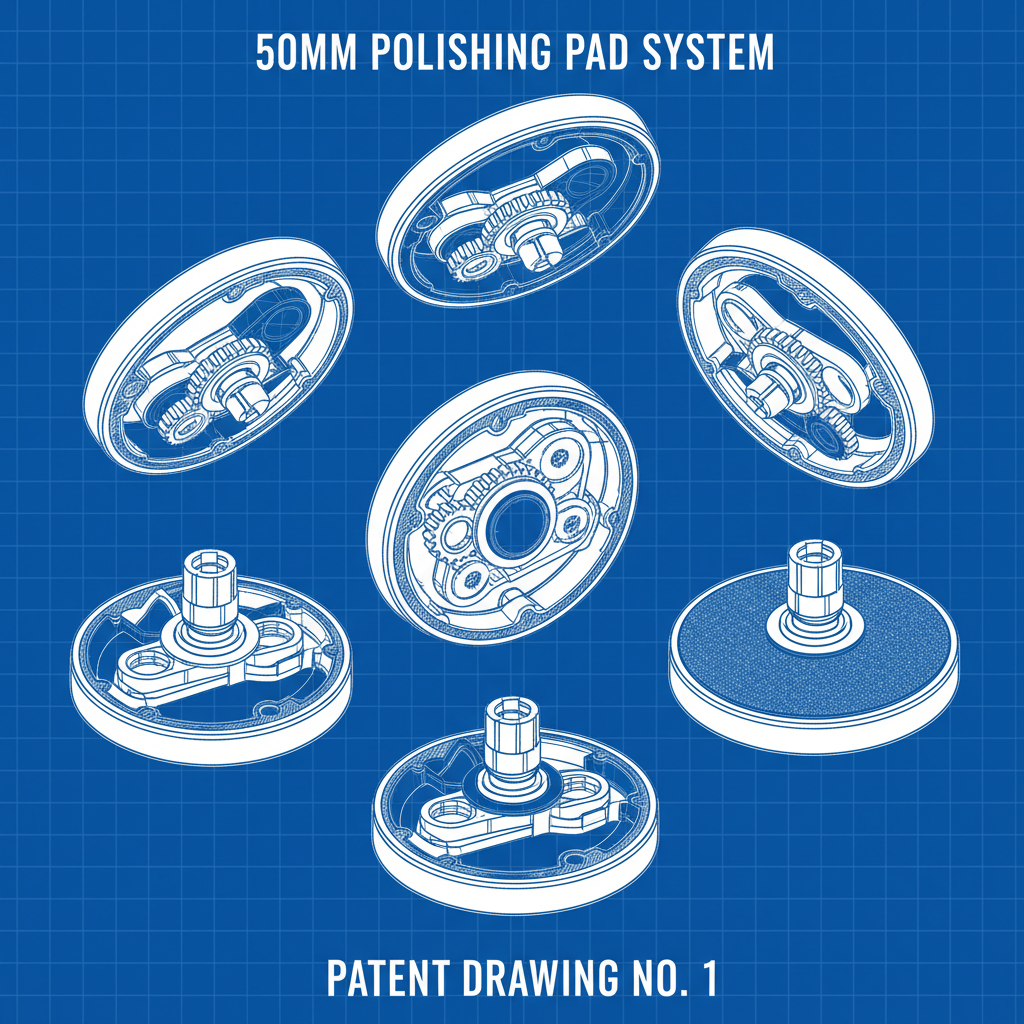
Understanding the Different Types of 50mm Polishing Pads
50mm polishing pads aren’t one-size-fits-all. They come in various materials, each designed for a specific purpose. The primary types include foam, microfiber, and wool pads. Foam pads are the most versatile and commonly used, available in different densities (cutting, polishing, finishing). Microfiber pads offer a balance between cutting and polishing, ideal for removing moderate imperfections. Wool pads are the most aggressive, used for heavy defect removal and compounding. Choosing the right pad material depends on the severity of the paint correction needed and the type of polishing compound being used. My Diamond Blade offers a wide selection of high-quality 50mm polishing pads to suit any application.
Key Takeaway: Selecting the right pad type significantly impacts the effectiveness of your polishing process. Consider the severity of the defects and the desired level of gloss when making your choice.
Foam Pads: A Deep Dive into Density
Foam pads are categorized by density: cutting, polishing, and finishing. Cutting pads have an open-cell structure, allowing them to hold more compound and remove paint more aggressively. They are ideal for addressing swirl marks, scratches, and oxidation. Polishing pads have a medium-density foam, offering a balance between cutting and refining. They're used to remove minor imperfections and enhance gloss. Finishing pads are the softest, designed for applying waxes, sealants, and creating a final, high-gloss finish. Using the correct foam pad density ensures you achieve the desired level of correction without causing damage to the paint.
Foam Pad Density Guide:
• Cutting Pads: Aggressive defect removal, open-cell structure.
• Polishing Pads: Moderate defect removal, balanced cutting and refining.
• Finishing Pads: High-gloss finish, minimal defect removal.
50mm Polishing Pads: Comparing Materials
Choosing between foam, microfiber, and wool pads depends on your specific polishing needs. Wool pads are the most aggressive, excellent for quickly removing severe defects, but require experience to avoid creating holograms. Microfiber pads offer a good middle ground, suitable for medium-level correction and excellent for applying compounds and polishes. Foam pads are the most versatile, offering a range of densities for various applications. The chart below highlights the key differences:
Choosing the Right 50mm Polishing Pad for Your Application
The ideal 50mm polishing pad depends on the task at hand. For heavy defect removal, start with a wool pad and a compound. Then, move to a cutting foam pad with a medium-cut compound. Follow up with a polishing pad and a polishing compound to refine the finish. Finally, use a finishing pad and a finishing polish or sealant to achieve maximum gloss. Remember to always work in a clean environment and use a quality polishing machine for best results. My Diamond Blade provides detailed guides and expert advice to help you select the perfect pads and compounds for your specific needs.

Maintaining Your 50mm Polishing Pads
Proper maintenance extends the life of your polishing pads. After each use, clean your pads with a pad cleaner to remove polish residue and contaminants. This prevents the buildup of old compound, which can scratch the paint. Allow the pads to air dry completely before storing them in a clean, dry place. Regularly inspect your pads for wear and tear, and replace them when they become excessively worn or damaged. Taking good care of your pads ensures consistent performance and optimal results.
Conclusion: Invest in Quality 50mm Polishing Pads
Investing in high-quality 50mm polishing pads is crucial for achieving professional-level results. By understanding the different types of pads, their applications, and proper maintenance techniques, you can ensure a flawless finish every time. Don't compromise on quality – choose the right pads for your needs and unlock the full potential of your polishing machine.
Frequently Asked Questions (FAQs)
How often should I replace my 50mm polishing pads?
The lifespan of your pads depends on usage and maintenance. Generally, foam pads should be replaced every 20-30 uses, or sooner if they become heavily contaminated or show signs of deterioration. Wool and microfiber pads can last longer with proper cleaning, but should be replaced when they lose their cutting ability or become excessively worn. Regularly inspect your pads for damage and replace them as needed to maintain optimal performance and avoid damaging the surface you’re polishing.
What is the best way to clean my 50mm polishing pads?
The best way to clean your pads is to use a dedicated pad cleaning brush and pad cleaner solution. After each use, remove excess polish from the pad with the brush, then apply the pad cleaner and work it into the pad's fibers. Rinse thoroughly with water and allow the pad to air dry completely. Avoid using harsh chemicals or solvents, as these can damage the pad's material.
Can I use the same polishing pad for both cutting and finishing?
It's generally not recommended to use the same polishing pad for both cutting and finishing. Cutting pads are more aggressive and can leave swirl marks when used for finishing. Finishing pads lack the cutting power needed for defect removal. Using separate pads for each stage ensures optimal results and prevents damage to the paint. You should also dedicate pads to specific products to avoid cross-contamination.
Where can I purchase high-quality 50mm polishing pads?
You can find a wide selection of high-quality 50mm polishing pads at My Diamond Blade. We offer a variety of pad materials, densities, and sizes to suit any polishing application. Our expert team is also available to provide personalized recommendations and answer any questions you may have.
Related Products
Related Products





Address
No.30 Gaoying Road ,Chang'an District,Shijiazhuang,Hebei Province
Business Hours
Mon to Saturday : 8.00 am - 7.00 pm
Sunday & Holidays : Closed
.png )