The world of construction and material processing relies heavily on effective cutting and grinding tools. Among these, the cement blade for grinder stands out as a critical component, enabling precise and efficient work with concrete, masonry, and similar materials. Its importance extends beyond simply cutting; it impacts project timelines, safety, and overall cost-effectiveness. Understanding the nuances of a quality cement blade for grinder is therefore crucial for professionals and DIY enthusiasts alike.
Globally, the demand for robust and reliable cement blades for grinders is driven by infrastructure development, urban expansion, and renovation projects. The construction industry, representing around 6% of global GDP (World Bank data, 2023), consistently requires substantial volumes of these blades. Furthermore, the growing need for sustainable building practices necessitates blades that offer longevity and minimal waste. This demand is particularly pronounced in rapidly developing economies where large-scale construction is prevalent.
However, the market isn't without its challenges. Inferior blades can lead to safety hazards, increased project costs due to frequent replacements, and compromised structural integrity. The optimal cement blade for grinder balances performance, durability, and safety, addressing these concerns and unlocking greater efficiency in construction and renovation efforts.
The Core Principles of cement blade for grinder
At its core, the effectiveness of a cement blade for grinder hinges on the precise balance between abrasive materials and the binding matrix that holds them together. The quality of the diamond grit (or other abrasive) directly influences the cutting speed and lifespan of the blade. A well-engineered blade efficiently removes material, minimizing heat build-up and maximizing productivity. cement blade for grinder selection is therefore essential.
Furthermore, the segment design and blade thickness play a critical role in determining the blade's suitability for different materials and cutting depths. Turbo-segmented blades excel in wet cutting applications, while continuous-rim blades are better suited for dry cutting of harder materials. Understanding these principles is paramount to choosing the right cement blade for grinder for a specific application.
The Global Impact of cement blade for grinder
The global construction industry is a massive consumer of cement blades for grinders. From large-scale infrastructure projects like bridges and highways to residential construction and renovation, these blades are indispensable. Countries experiencing rapid urbanization, such as China, India, and several nations in Southeast Asia, demonstrate particularly high demand. The consistent need for these tools drives innovation and competition in the manufacturing sector.
The impact extends beyond purely economic factors. Efficient cutting with high-quality blades reduces dust and debris, improving worker safety and minimizing environmental pollution. Moreover, the durability of a good blade contributes to resource conservation by reducing the frequency of replacements and the associated waste. Responsible manufacturing practices are also gaining importance, with a focus on minimizing the environmental footprint of blade production.
According to ISO standards, blades must adhere to strict quality and safety regulations. This ensures that they perform reliably and reduce the risk of accidents in construction environments. The international trade in cement blades for grinders is substantial, with major manufacturing hubs located in China, Germany, and the United States.
Defining a cement blade for grinder
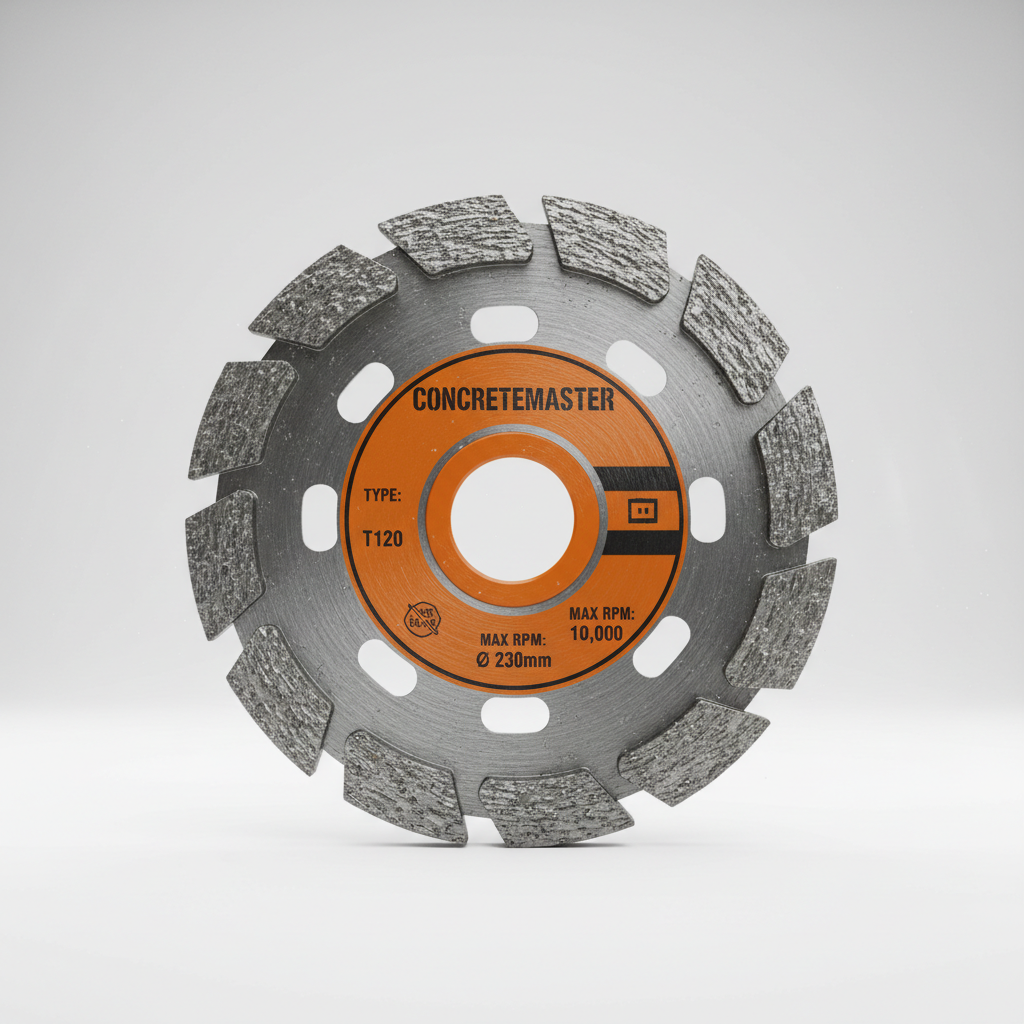
A cement blade for grinder, fundamentally, is a circular cutting tool designed to efficiently abrade and cut through cementitious materials like concrete, masonry, and tile. It's comprised of a steel core, typically with a central arbor for mounting on a grinder, and a cutting edge embedded with abrasive particles. These particles are usually industrial diamonds, although silicon carbide and other abrasives are also utilized depending on the intended application.
The key distinction between a cement blade for grinder and other cutting blades lies in its ability to withstand the abrasive nature of cement-based materials. Ordinary steel blades would quickly dull, whereas a diamond blade continually exposes fresh abrasive particles as it wears, maintaining consistent cutting performance. The design of the blade, including segment shape and diamond grit size, is tailored to optimize cutting speed, durability, and finish quality.
Its connection to modern industry is undeniable. The construction, landscaping, and renovation sectors are all heavily reliant on the performance and reliability of these blades. Increasingly, they are also crucial in specialized applications like concrete polishing and surface preparation, demanding even higher precision and quality. cement blade for grinder is a necessity for many businesses.
Key Attributes of High-Performance cement blade for grinder
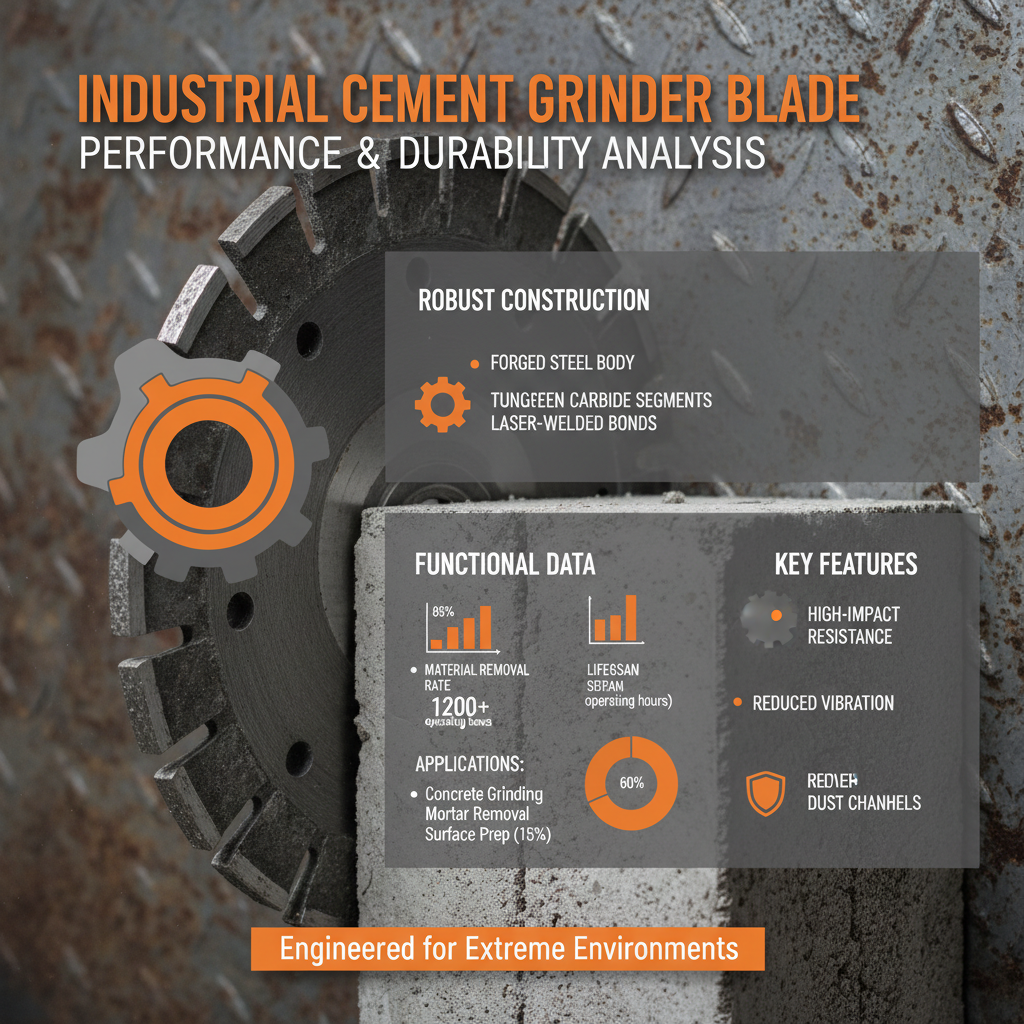
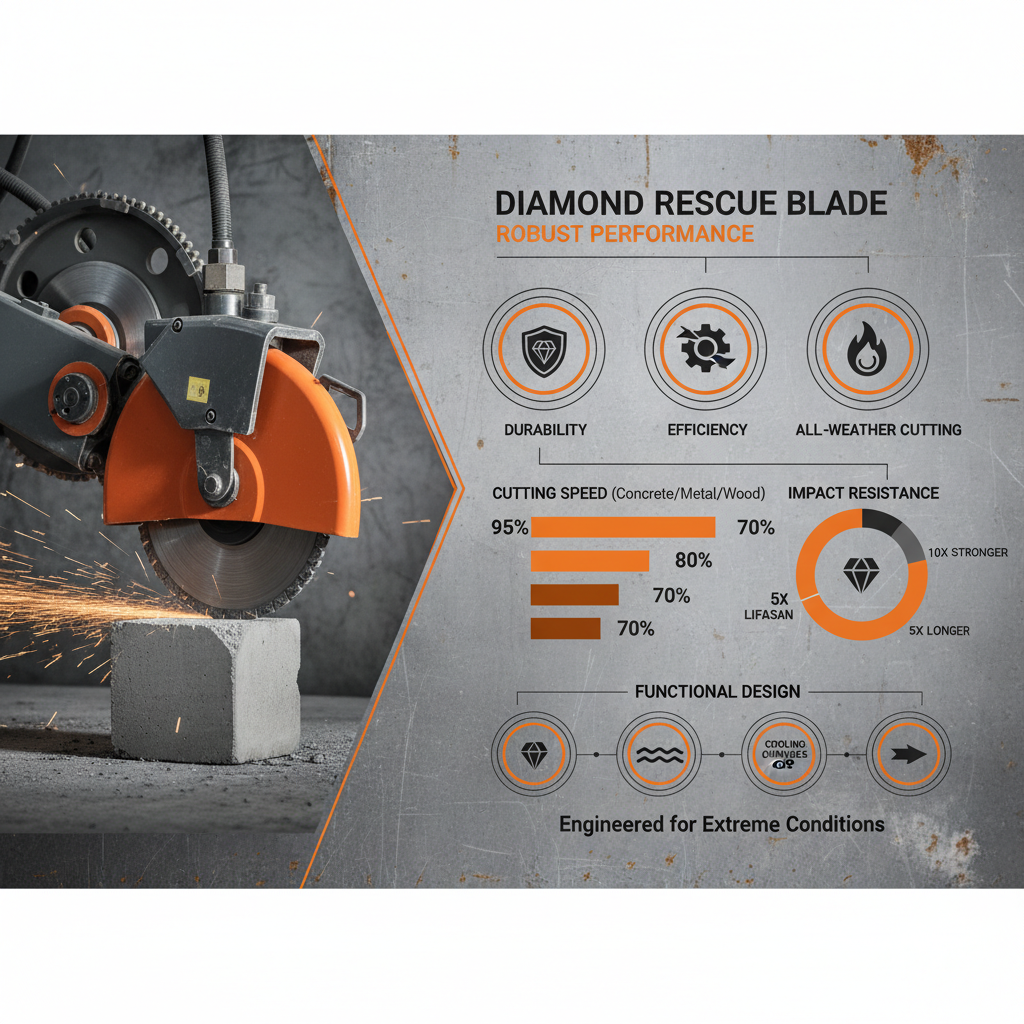
Durability is a cornerstone of a high-performance cement blade for grinder. A longer lifespan translates directly into reduced costs and downtime. This durability is heavily influenced by the quality of the diamond grit and the bonding matrix. Segment design is also vital, ensuring even wear and preventing premature failure.
Cutting Speed is another crucial factor. A blade that cuts quickly enhances productivity and reduces labor costs. The type and concentration of diamond grit, combined with the blade's overall design, determine its cutting efficiency. Considerations also include whether the blade is optimized for wet or dry cutting, as wet cutting generally results in faster cutting speeds.
Performance Metrics for Different cement blade for grinder Types
Applications of cement blade for grinder Across Industries
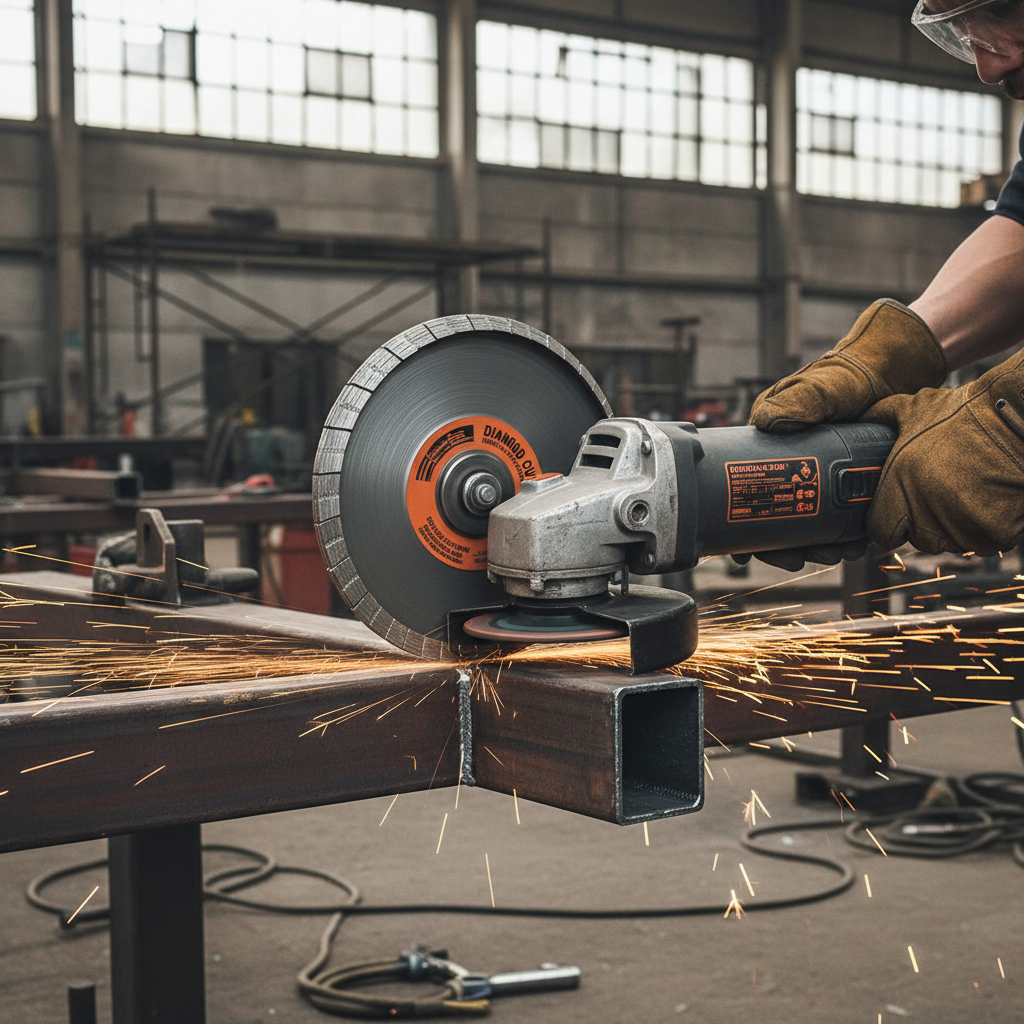
In the construction industry, cement blades for grinders are used extensively for cutting concrete walls, floors, and foundations. They’re vital in road repair and maintenance, enabling precise cuts for patching and expansion joints. Landscaping professionals rely on these blades for creating clean cuts in pavers, bricks, and concrete curbing.
The tile and stone industry employs cement blades for grinders for cutting and shaping ceramic, porcelain, and natural stone tiles. Furthermore, in post-disaster relief operations, these blades are crucial for cutting through debris and creating access pathways. In remote industrial zones where access to specialized equipment is limited, a reliable cement blade for grinder can be a lifeline.
Long-Term Value and Advantages of cement blade for grinder
Investing in a high-quality cement blade for grinder translates to significant long-term cost savings. Reduced downtime due to fewer blade changes, coupled with increased cutting efficiency, lowers overall project expenses. The enhanced safety features of premium blades also minimize the risk of accidents and associated costs.
Beyond economics, these blades contribute to sustainability by reducing waste and minimizing the need for frequent replacements. A reliable and durable blade promotes worker safety and dignity, providing a more comfortable and productive working environment. Choosing a reputable brand builds trust and ensures consistent performance, fostering confidence in project outcomes.
Future Trends and Innovations in cement blade for grinder Technology
Future development in cement blade for grinder technology focuses on enhancing diamond grit bonding techniques to extend blade lifespan and improve cutting performance. Research into new abrasive materials, beyond traditional diamonds, is also underway, exploring options like cubic boron nitride for specialized applications.
The integration of smart technology, such as sensors that monitor blade wear and provide real-time feedback, is gaining traction. This data can be used to optimize cutting parameters and predict blade failure, preventing unexpected downtime. The shift towards more sustainable manufacturing processes, utilizing recycled materials and reducing energy consumption, is also a key trend.
Automation and robotic cutting systems will increasingly rely on advanced cement blades for grinders to achieve precision and efficiency. Digital twins are being developed to simulate blade performance under various conditions, helping manufacturers optimize designs and predict lifecycles.
Analysis of Cement Blade for Grinder Performance Factors
| Blade Type |
Material Suitability |
Lifespan (Hours) |
Cost (USD) |
| Turbo Segmented |
Concrete, Masonry, Stone |
8-12 |
60-100 |
| Continuous Rim |
Tile, Porcelain, Glass |
5-8 |
50-80 |
| Segmented |
General Purpose Concrete |
6-10 |
40-70 |
| Diamond Core |
Reinforced Concrete |
4-6 |
120-200 |
| Rubbery Bond |
Soft Stone, Marble |
3-5 |
30-50 |
| Laser Welded |
Hard Concrete, Granite |
10-15 |
80-150 |
FAQS
Diamond blades utilize industrial diamonds as the cutting element, offering superior durability and performance when cutting hard materials like concrete and stone. Abrasive blades, typically using aluminum oxide or silicon carbide, are less expensive but wear down more quickly and are better suited for softer materials. Choosing the right blade depends on the material being cut and the required lifespan.
Segment types are designed for specific materials and cutting styles. Turbo segments are excellent for wet cutting of general materials, providing fast cuts and efficient chip removal. Continuous rim segments are ideal for chip-free cutting of tile and stone. Segmented blades are versatile for all-purpose concrete cutting, while diamond core blades are used for drilling large holes. Understanding your application is key.
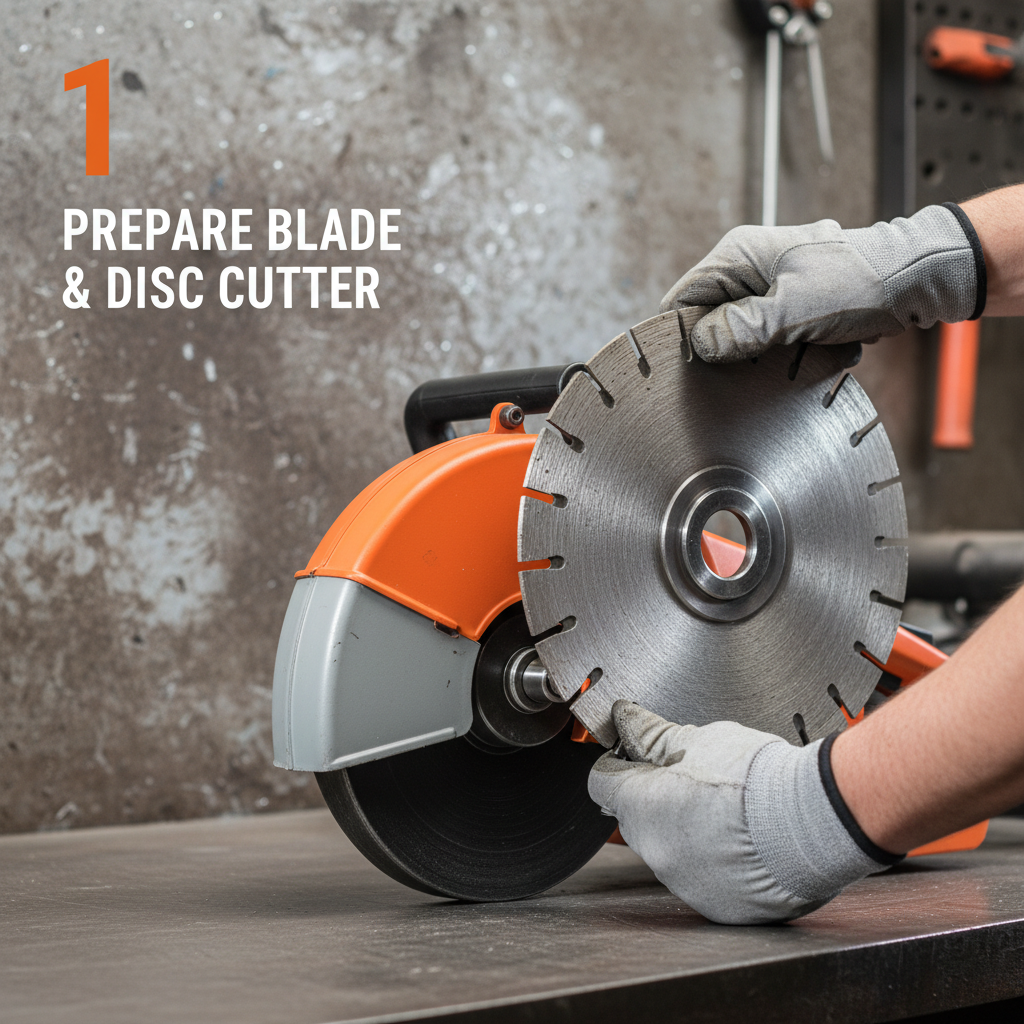
Always wear appropriate personal protective equipment (PPE), including safety glasses, a dust mask or respirator, hearing protection, and gloves. Ensure the grinder is properly grounded and the blade is securely mounted. Never exceed the blade's maximum RPM rating. Use water suppression when appropriate to control dust. Inspect the blade for damage before each use.
Store blades in a dry, clean environment, protected from impact and moisture. Avoid stacking blades directly on top of each other, as this can damage the segments. Consider using a blade protector or storage case. Proper storage will maximize blade lifespan and performance.
Wet cutting involves using water to cool the blade and suppress dust, resulting in faster cutting speeds and reduced wear. It's ideal for concrete and masonry. Dry cutting is used for materials where water isn't suitable, like certain tiles. It generates more dust and heat, requiring a dust extraction system. Always use a blade specifically designed for wet or dry cutting.
Signs of a worn blade include significantly slower cutting speeds, increased vibration, and visible damage to the diamond segments. If the blade is making a whining noise or producing excessive sparks, it's time for a replacement. Using a dull blade is dangerous and inefficient.
Conclusion
In conclusion, the cement blade for grinder remains an essential tool across numerous industries, driving efficiency and precision in cutting and grinding applications. Understanding the core principles of blade construction, key performance attributes, and emerging trends is critical for professionals and DIY enthusiasts alike. By selecting the right blade and adhering to safety protocols, users can maximize productivity, minimize costs, and ensure reliable results.
Looking ahead, innovation in materials, bonding techniques, and smart technologies will continue to shape the future of cement blade for grinder technology. Embracing these advancements will be crucial for addressing the evolving demands of the construction and material processing industries. For a wide selection of high-quality cement blades for grinders and expert advice, visit our website: www.mydiamondblade.com.








.png )