Comprehensive Guide to Concrete Burnishing Pads for Polished Floors
Understanding and Utilizing Concrete Burnishing Pads
Achieving a polished and refined concrete surface often requires the use of concrete burnishing pads. These pads, used with floor polishing machines, are essential for enhancing the aesthetic appeal and durability of concrete floors. This article delves into the world of concrete burnishing pads, covering their uses, types, grit selection, application techniques, and maintenance, offering a comprehensive guide for professionals and DIY enthusiasts alike. Properly selecting and using burnishing pads can dramatically improve the final look and longevity of your concrete surfaces.
What are Concrete Burnishing Pads?
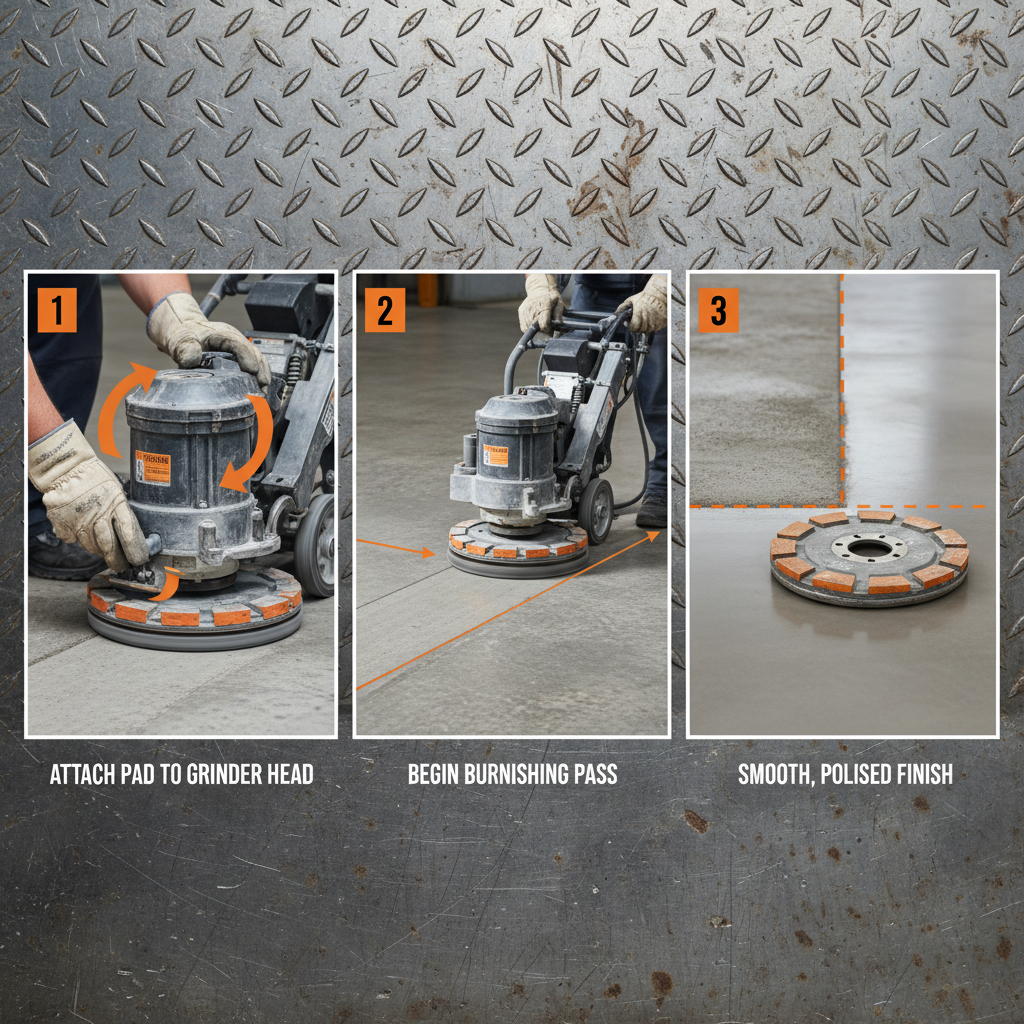
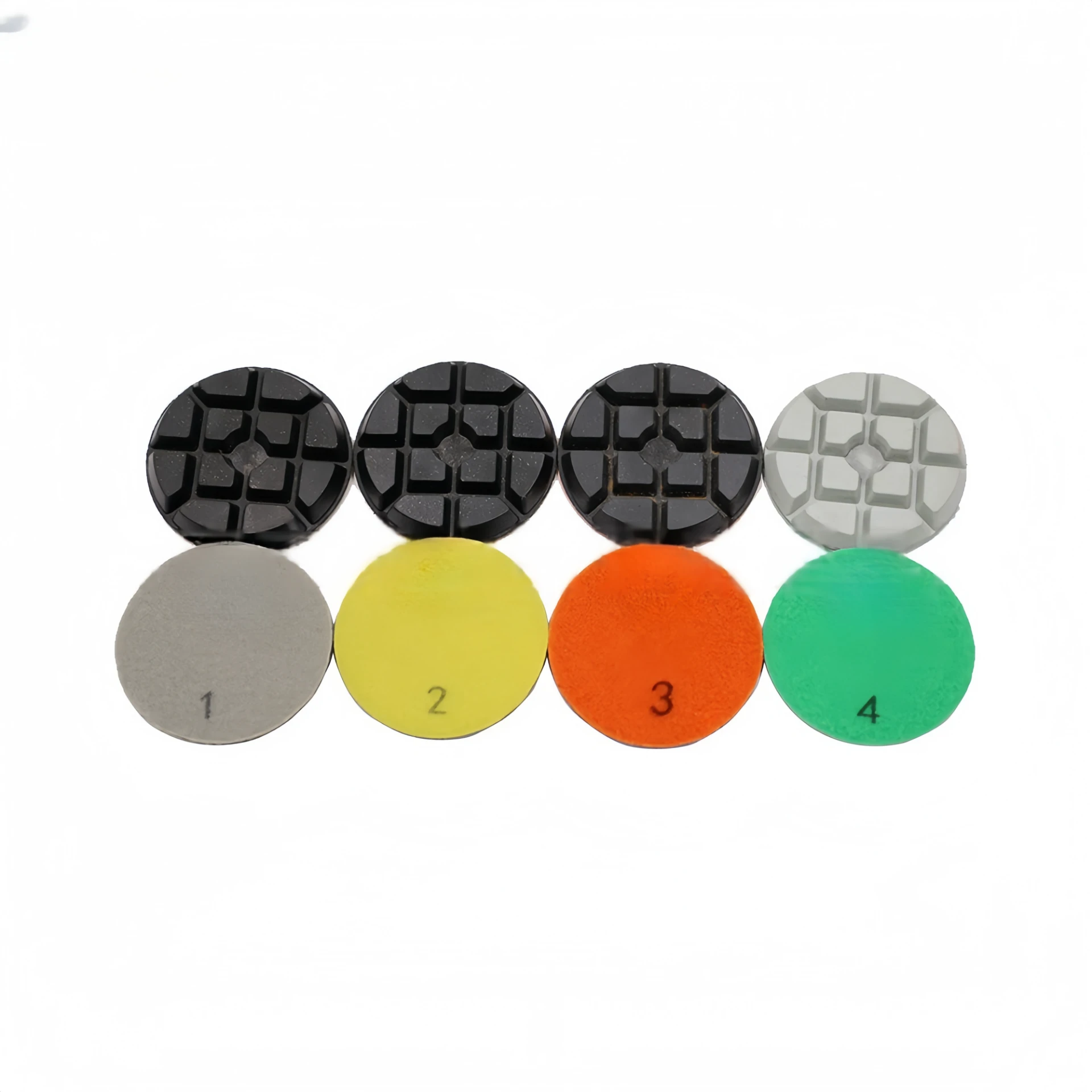
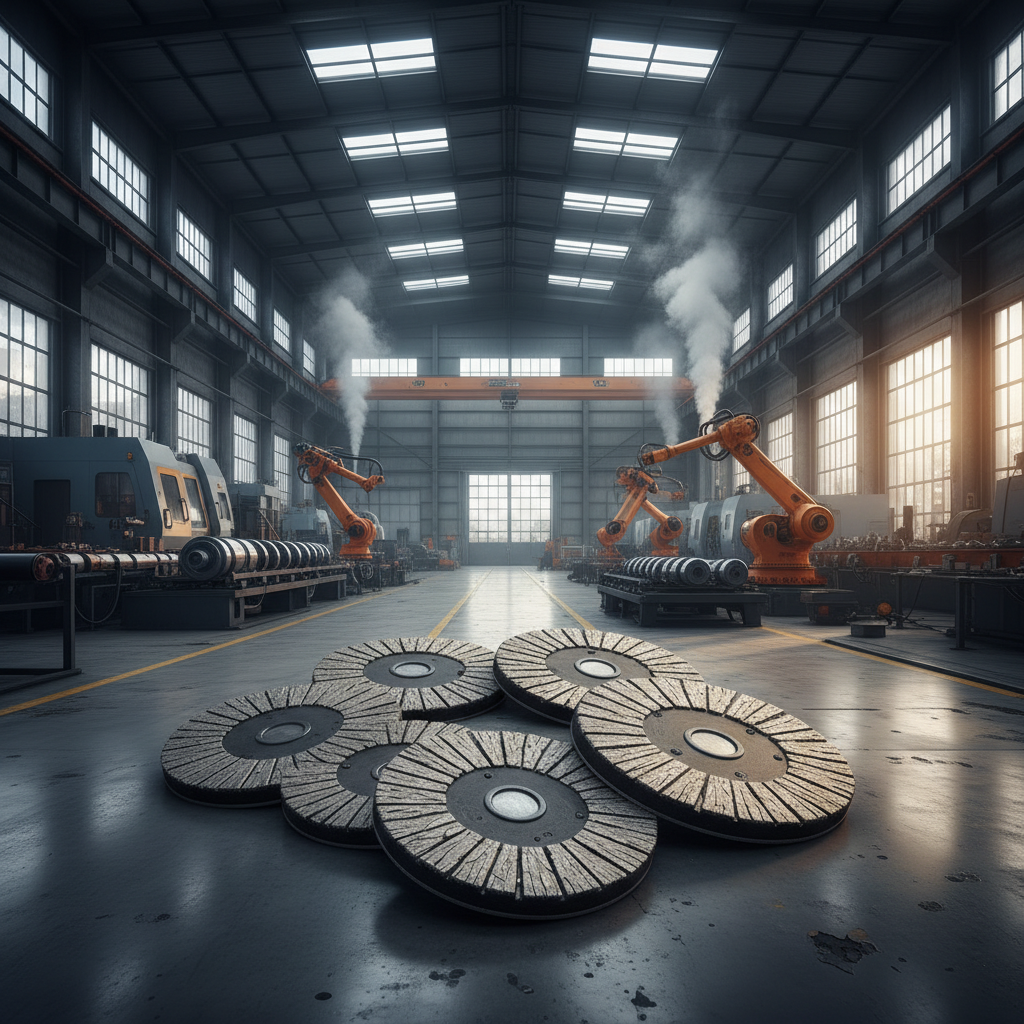
Concrete burnishing pads are abrasive tools designed to refine and polish concrete surfaces. Unlike grinding, which removes material, burnishing uses friction to smooth and enhance the existing surface. These pads are typically constructed from resin or metal-bonded diamond abrasives, with varying grits determining the level of polish. They are used after the initial grinding and polishing stages to achieve a high-gloss, reflective finish. The process helps close the pores of the concrete, increasing its density and resistance to staining. Burnishing pads from My Diamond Blade are known for their consistent quality and long lifespan.
Key Benefits: Enhance concrete density, improve stain resistance, achieve a high-gloss finish, and extend the life of the floor.
Types of Concrete Burnishing Pads
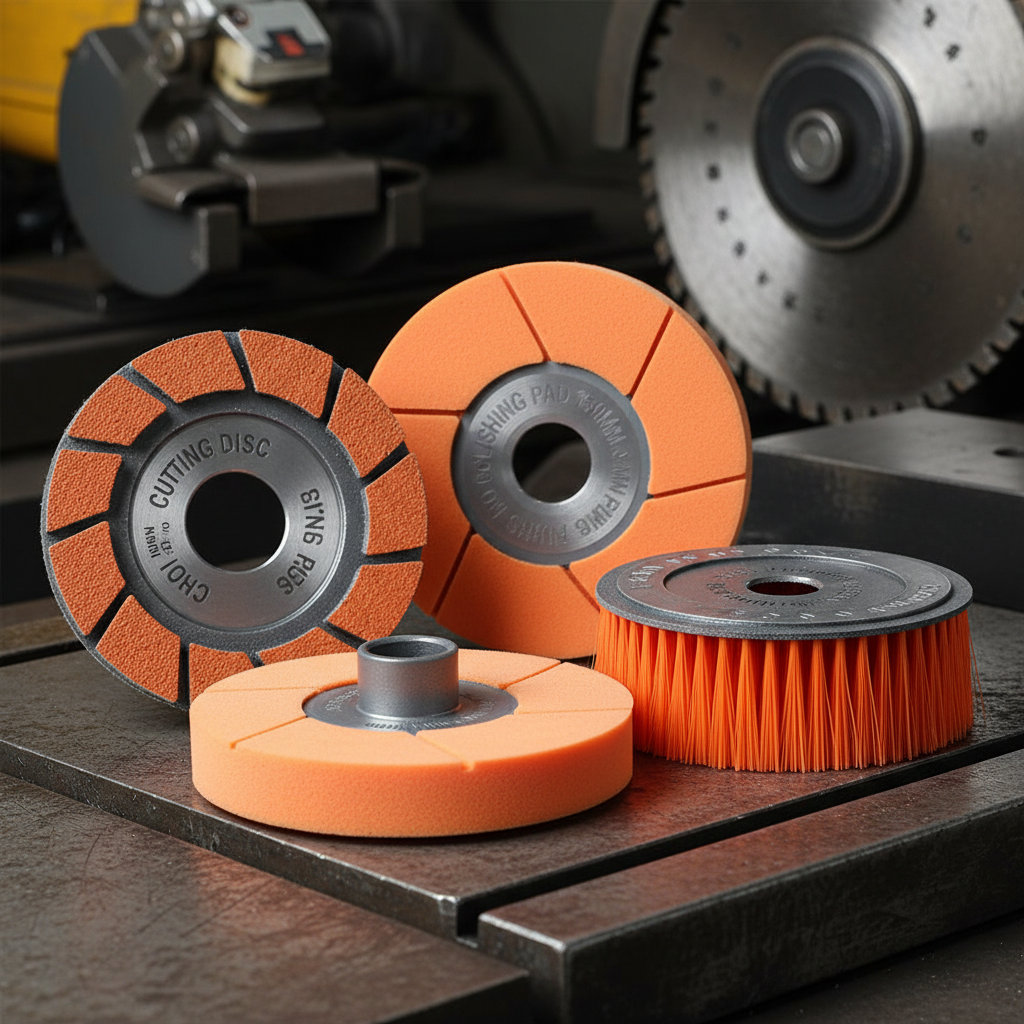
There are primarily two main types of concrete burnishing pads: resin and metal-bonded. Resin-bonded pads are more flexible and provide a higher gloss finish, making them ideal for achieving a mirror-like shine. Metal-bonded pads are more aggressive and durable, suitable for heavier burnishing and removing minor imperfections. The choice between the two depends on the desired level of polish and the condition of the concrete. Hybrid pads, combining features of both resin and metal bonded, are also available.
Pad Type Comparison:
• Resin-Bonded: High gloss, flexible, best for final polishing.
• Metal-Bonded: Durable, aggressive, suitable for heavier burnishing.
• Hybrid: Combines flexibility and durability.
Choosing the Right Grit for Concrete Burnishing
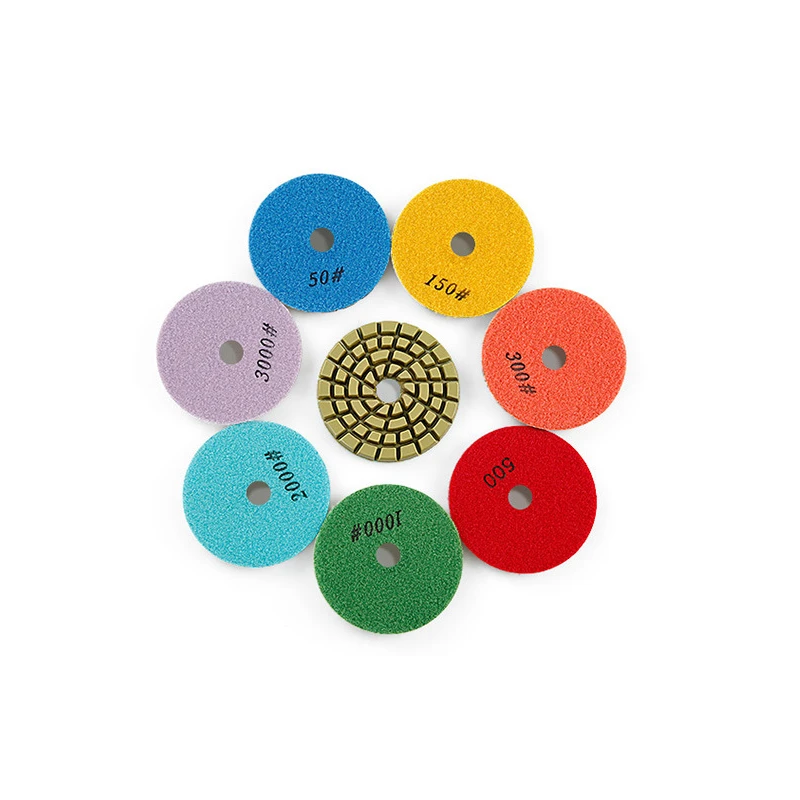
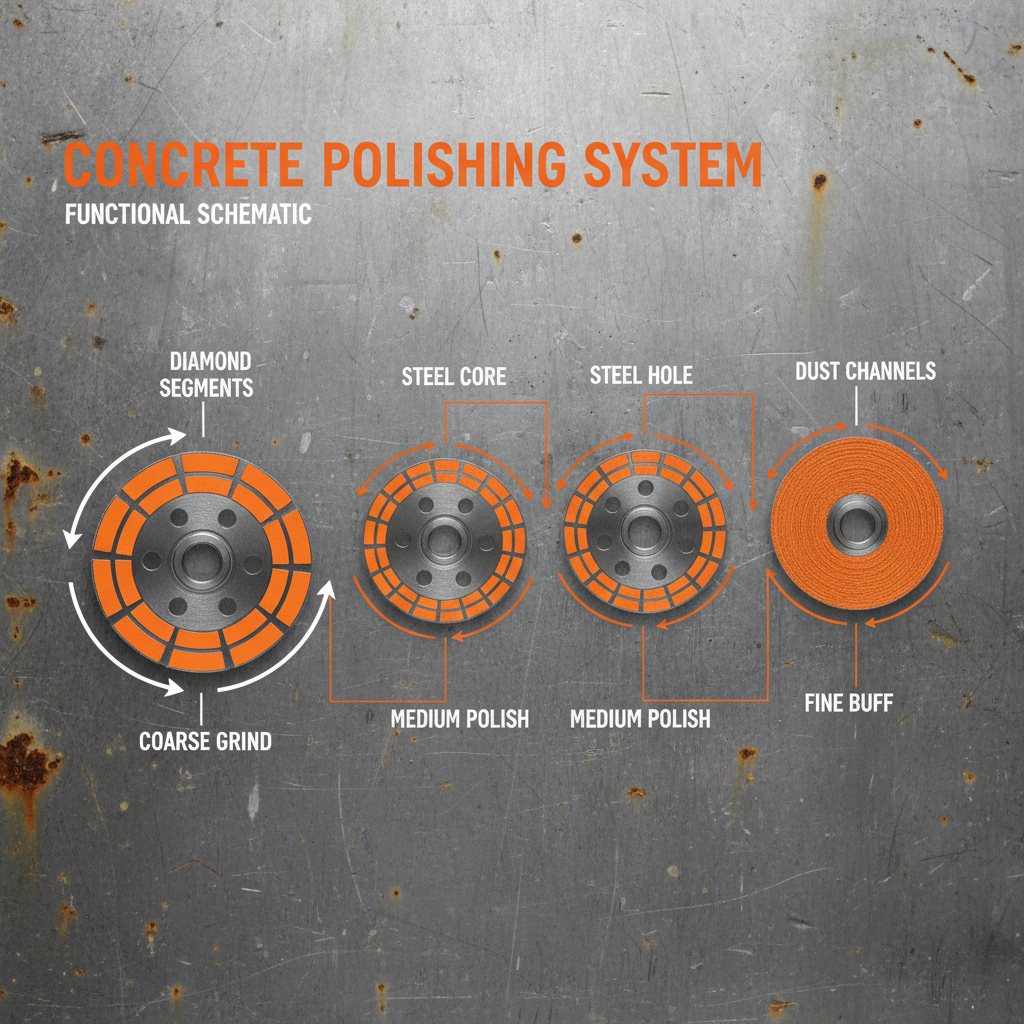
Selecting the appropriate grit sequence is crucial for achieving a desired finish. Grit numbers indicate the abrasive size, with lower numbers being coarser and higher numbers being finer. A typical burnishing sequence might start with a grit around 800-1500 to remove any remaining imperfections, followed by 2000-3000 to refine the surface, and finishing with 4000+ for a high-gloss polish. Using a progressive grit sequence ensures a smooth, consistent finish. It's important to use high-quality burnishing pads to avoid uneven wear and ensure consistent results.
Proper Burnishing Technique
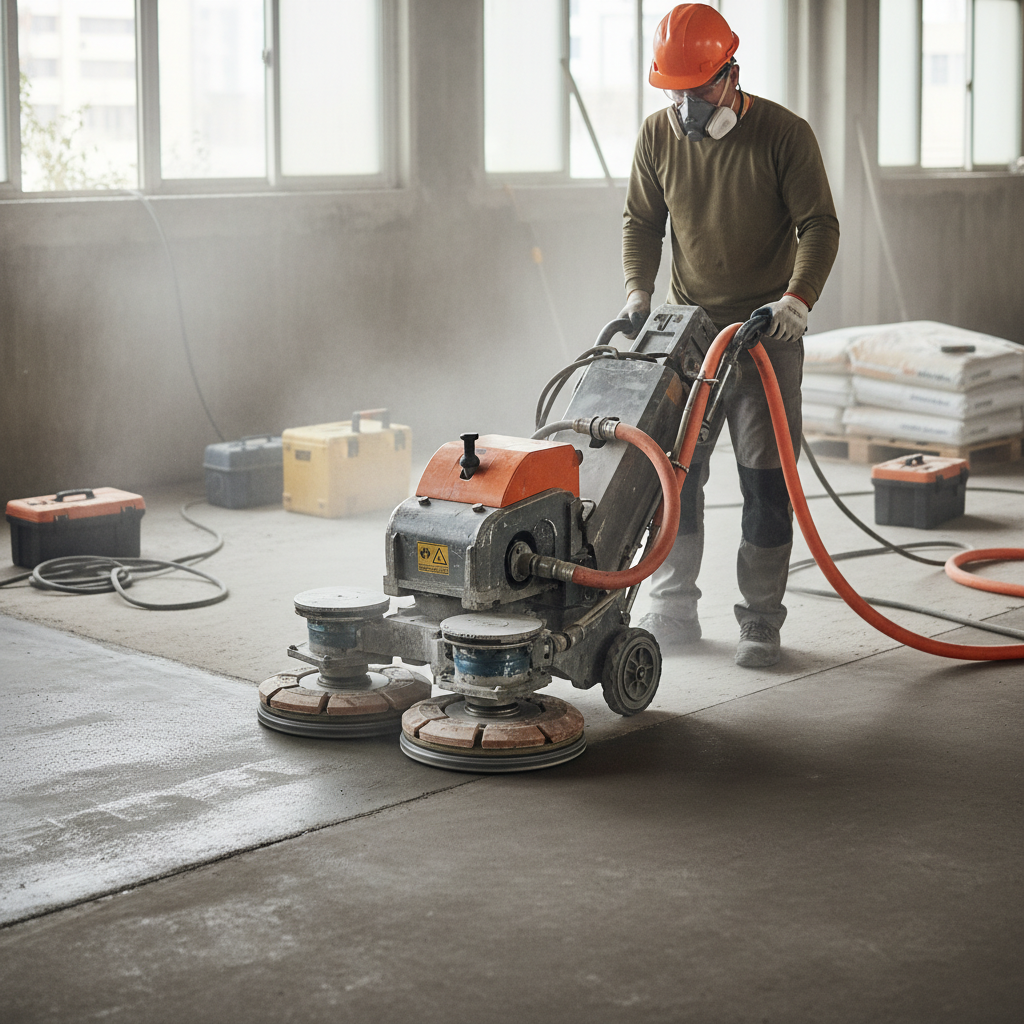
Effective burnishing requires a slow, overlapping pattern. Apply moderate pressure and keep the floor polishing machine moving consistently. Avoid dwelling in one spot, as this can cause swirl marks or uneven polishing. It’s important to keep the burnishing pad clean during use, as debris can scratch the concrete surface. Vacuuming frequently is recommended. Utilizing the correct speed settings on your polishing machine is also essential.
Maintaining Your Burnishing Pads
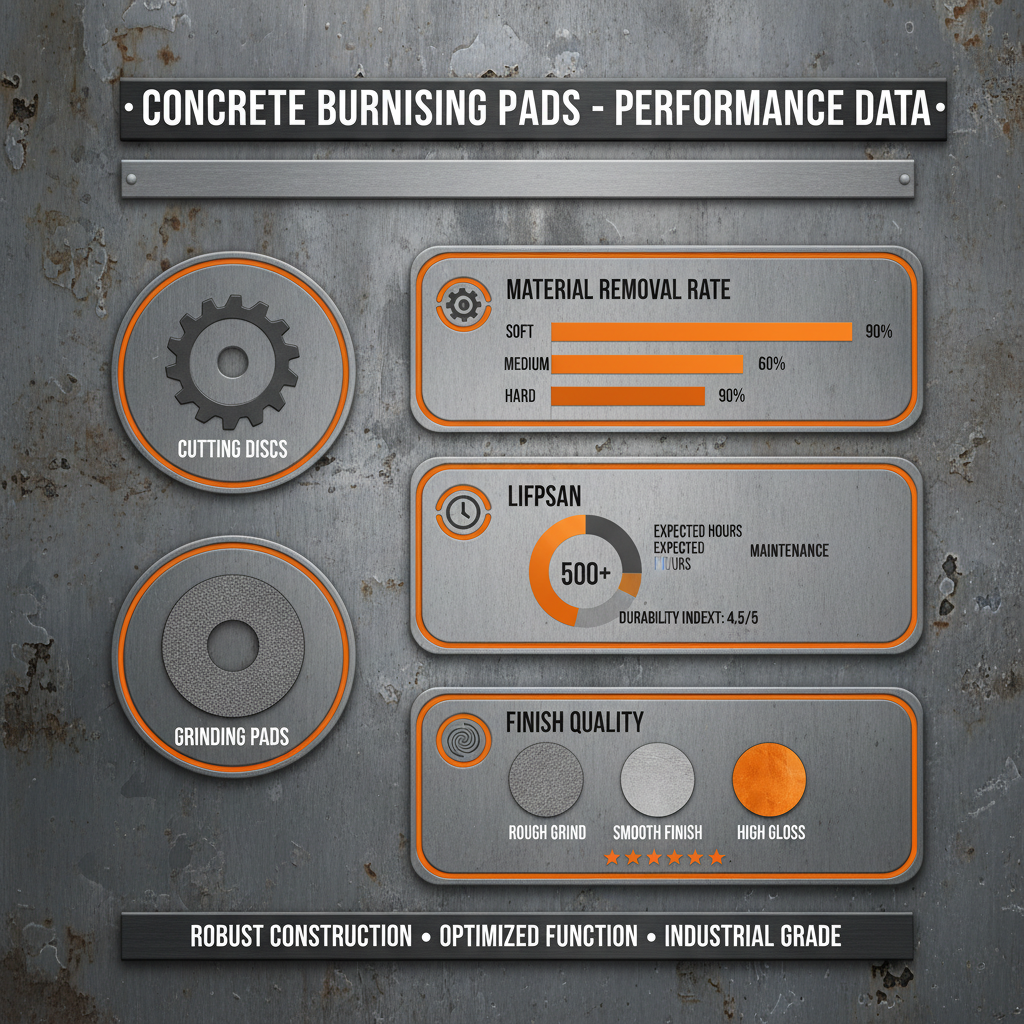
To prolong the life of your concrete burnishing pads, clean them thoroughly after each use. Remove any concrete slurry or debris with a brush and water. Allow the pads to air dry completely before storing. Avoid storing pads in direct sunlight or extreme temperatures. Regularly inspect pads for wear and tear, and replace them when they become ineffective. Following these maintenance tips will ensure optimal performance and cost-effectiveness. My Diamond Blade offers a variety of pad cleaning solutions to simplify maintenance.
Conclusion: Achieving a Flawless Concrete Finish
Mastering the art of concrete burnishing involves understanding the different pad types, selecting the appropriate grit sequence, and employing proper techniques. By utilizing high-quality concrete burnishing pads from My Diamond Blade and adhering to best practices, you can achieve a stunning, durable, and long-lasting concrete floor.
Frequently Asked Questions (FAQs)
What is the typical lifespan of a concrete burnishing pad?
The lifespan of a concrete burnishing pad varies depending on the pad type (resin or metal-bonded), the abrasiveness of the concrete, and the frequency of use. Generally, resin-bonded pads have a shorter lifespan than metal-bonded pads, often lasting for 500-1000 square feet. Metal-bonded pads can last for 1000-2000 square feet or more. Regular cleaning and proper storage can extend the lifespan of your pads. Monitor the pad's effectiveness – when it no longer delivers the desired level of polish, it's time for a replacement. Using pads from a reputable supplier, like My Diamond Blade, ensures consistent quality and predictable performance.
Can I use burnishing pads on all types of concrete?
Generally, burnishing pads can be used on most types of concrete, including polished, stained, and sealed concrete. However, it’s essential to assess the concrete's condition first. If the concrete is severely damaged or uneven, grinding may be necessary before burnishing. Also, be cautious when using burnishing pads on softer concrete mixes, as they may wear down more quickly. Always test a small, inconspicuous area first to ensure compatibility and achieve the desired results.
What is the best way to clean burnishing pads after use?
The best way to clean burnishing pads after use is to rinse them thoroughly with clean water to remove concrete slurry and debris. A brush can be used to dislodge stubborn particles. Allow the pads to air dry completely before storing. Avoid using harsh chemicals or solvents, as they can damage the pad's bonding material. Specialized pad cleaning solutions, such as those offered by My Diamond Blade, can help remove stubborn residue and prolong pad life.
Do I need to use a specific type of machine for concrete burnishing?
While several types of floor polishing machines can be used for concrete burnishing, a planetary burnishing machine is generally considered the most effective. These machines offer a high rotational speed and even pressure distribution, resulting in a superior polish. Single-head floor machines can also be used, but may require more passes to achieve the same level of shine. Ensure your machine is compatible with the size and type of burnishing pads you intend to use.
Related Products
Related Products




Address
No.30 Gaoying Road ,Chang'an District,Shijiazhuang,Hebei Province
Business Hours
Mon to Saturday : 8.00 am - 7.00 pm
Sunday & Holidays : Closed
.png )