Maximize Your Shine with Expert Guidance on 3 Inch Foam Buffing Pads
Maximizing Shine: A Guide to 3 Inch Foam Buffing Pads
Achieving a flawless finish on any surface requires the right tools and techniques. Among those tools, 3 inch foam buffing pads are essential for detailers, auto enthusiasts, and professionals. These pads offer versatility and efficiency in polishing, compounding, and waxing. This article will explore the benefits, types, and proper usage of 3 inch foam buffing pads, helping you achieve a show-stopping shine. Selecting the correct pad is crucial for optimal results and preventing damage to your surfaces.
Understanding the Benefits of 3 Inch Foam Buffing Pads
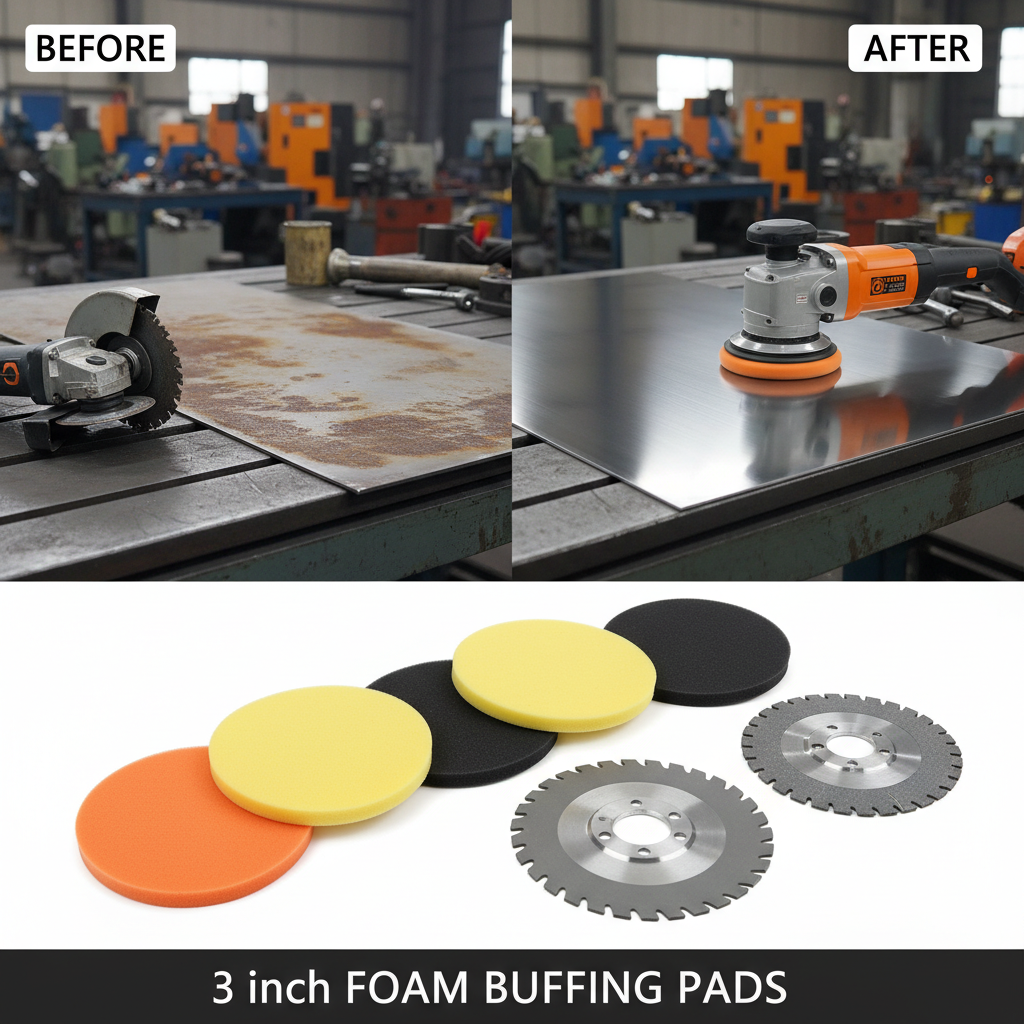
The compact size of 3 inch foam buffing pads makes them ideal for working in tight spaces and on intricate areas. This is especially important for automotive detailing when addressing areas like headlights, emblems, and around trim. Compared to larger pads, they offer greater control and precision. They’re also great for smaller projects that don't require the speed of a larger pad. Furthermore, these pads are available in varying densities and cutting capabilities to tackle different levels of imperfections. Investing in quality foam buffing pads will save you time and improve the quality of your work.
Key Highlights: Ideal for tight spaces, greater control, and precise application of polishing compounds. Available in various densities for different tasks.
Types of 3 Inch Foam Buffing Pads: Choosing the Right Pad for Your Needs
Not all foam buffing pads are created equal. They're categorized by their density and cutting power. Here's a breakdown of the common types:
- Cutting Pads (Yellow/Orange): These pads are the most aggressive and are used for removing heavy scratches, oxidation, and swirl marks. They have an open cell structure.
- Polishing Pads (White/Blue): Used after cutting pads to refine the finish and remove light swirl marks and holograms. They have a medium density.
- Finishing Pads (Black/Ultra-Soft): These pads are the least aggressive and are used for applying waxes, sealants, and glazes to achieve a high gloss finish. They have a very closed cell structure.
Selecting the appropriate pad is vital for achieving the desired result without damaging the surface. Always start with the least aggressive pad and work your way up if necessary.
Pad Type Guide:
• Cutting: Removes heavy imperfections.
• Polishing: Refines the finish, removes light swirls.
• Finishing: Applies waxes and sealants for high gloss.
3 Inch Foam Buffing Pads: Comparison Chart
Understanding the differences between pad types can be challenging. This comparison chart highlights key features to help you make an informed decision.
Proper Usage and Care of 3 Inch Foam Buffing Pads
To maximize the lifespan and performance of your 3 inch foam buffing pads, proper care is essential. Always clean your pads after each use with a pad cleaning brush or dedicated pad washer. Remove all traces of compound and polish to prevent contamination. Store your pads in a clean, dry place away from direct sunlight and heat. Avoid using worn or damaged pads, as they can cause scratches and imperfections. Regular inspection and cleaning will ensure your pads deliver consistent results. Explore the high-quality selection of buffing pads available at MyDiamondBlade.com for exceptional performance.
Industry Trends and Future of Foam Buffing Pads
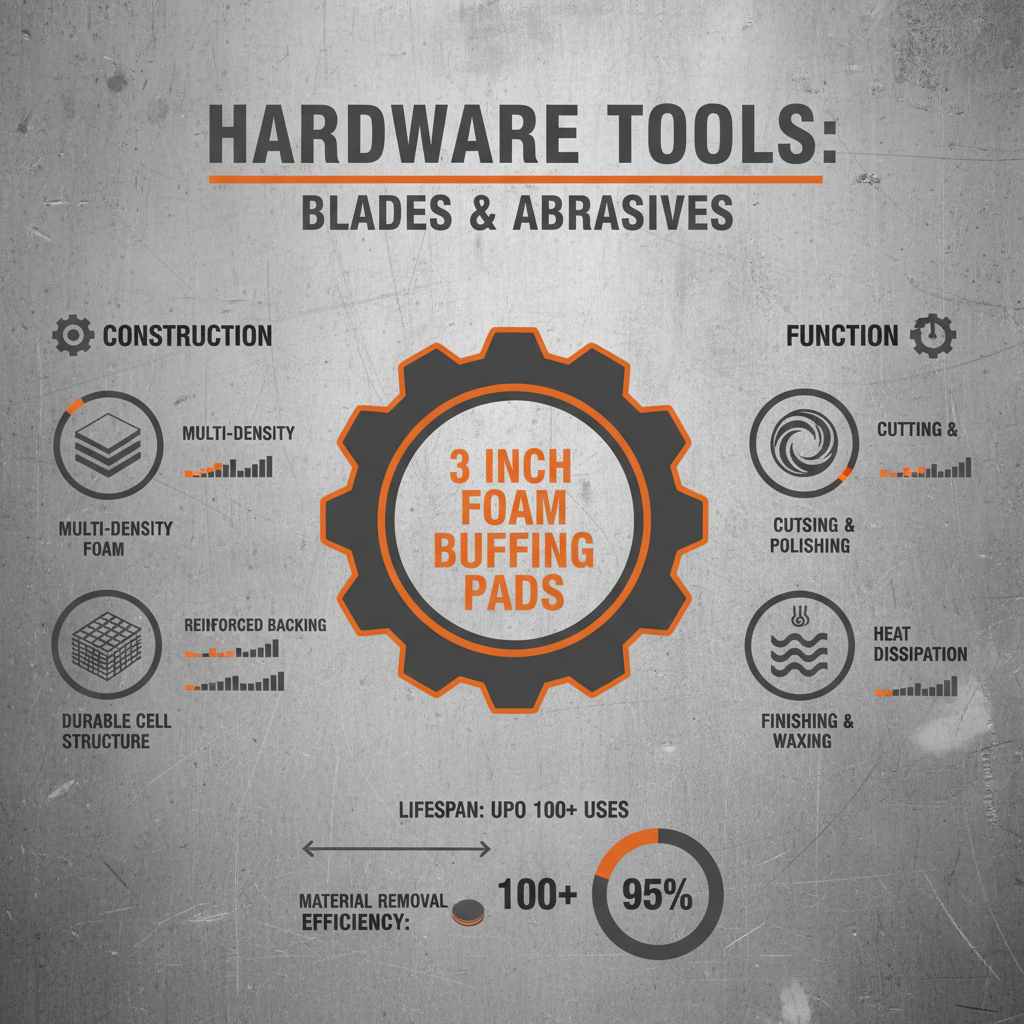
The detailing industry is constantly evolving. We're seeing a growing trend towards hybrid foam pads that combine the benefits of both open and closed-cell structures. These pads offer excellent cutting power while minimizing the risk of holograms. Additionally, manufacturers are experimenting with new foam formulations to improve durability and heat resistance. The future of foam buffing pads is likely to involve even more specialized pads designed for specific applications and paint systems. Staying informed about these advancements will help you achieve professional-level results.
Conclusion: Achieving the Perfect Finish with 3 Inch Foam Buffing Pads
Mastering the use of 3 inch foam buffing pads is a cornerstone of professional detailing. By understanding the different types of pads, proper usage techniques, and care procedures, you can consistently achieve a flawless, showroom-quality finish. Don’t hesitate to explore the comprehensive range of high-quality buffing pads and detailing supplies available at MyDiamondBlade.com to elevate your detailing game.
Frequently Asked Questions (FAQs)
How often should I replace my 3 inch foam buffing pads?
The lifespan of your pads depends on usage and maintenance. Generally, cutting pads wear out faster than polishing or finishing pads due to their more aggressive nature. Inspect your pads regularly for signs of wear, such as crumbling foam or uneven surfaces. As a general rule, replace cutting pads every 10-20 uses, polishing pads every 20-30 uses, and finishing pads every 30-40 uses. Proper cleaning and storage can extend their lifespan. Consider replacing pads if they are no longer delivering consistent results.
Can I use the same pad for both compounding and polishing?
It's not recommended to use the same pad for both compounding and polishing. Compounding is a more aggressive process that can embed abrasive particles into the pad's foam. Using a contaminated pad for polishing can introduce swirl marks and imperfections. It's best to dedicate separate pads for each step to ensure optimal results. Always thoroughly clean your pads between applications, but switching pads is the safest bet.
What is the best way to clean 3 inch foam buffing pads?
The best way to clean your pads is with a dedicated pad cleaning brush or a pad washer. A pad brush effectively removes compound and polish residue from the foam cells. Pad washers use a rotating mechanism and cleaning solution to thoroughly clean the pads. Avoid using harsh chemicals or solvents, as they can damage the foam. Always allow the pads to air dry completely before storing them.
Are 3 inch foam buffing pads suitable for all surfaces?
While versatile, 3 inch foam buffing pads aren't suitable for all surfaces. They are best used on painted surfaces, clear coats, and some plastics. Avoid using them on soft or delicate materials like vinyl, leather, or wood, as they can cause damage. Always test the pad on an inconspicuous area before applying it to the entire surface. For delicate surfaces, consider using microfiber pads or a gentle hand polishing technique.
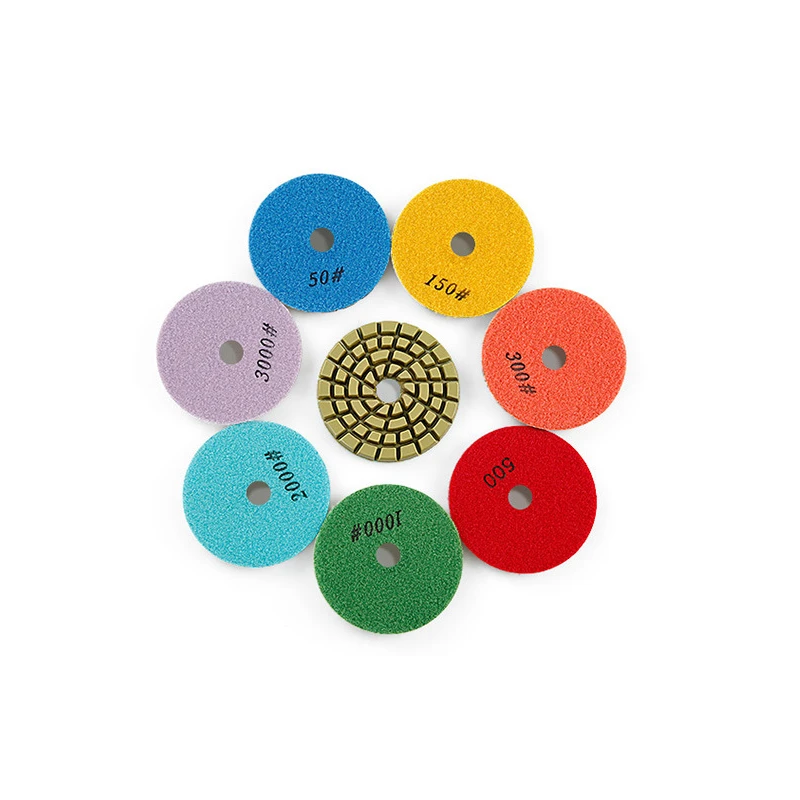
Related Products
Related Products





Address
No.30 Gaoying Road ,Chang'an District,Shijiazhuang,Hebei Province
Business Hours
Mon to Saturday : 8.00 am - 7.00 pm
Sunday & Holidays : Closed
.png )