
Essential Guide to Choosing the Best Concrete Polishing Pads for Angle Grinder Projects
Choosing the Right Concrete Polishing Pads for Angle Grinder
Achieving a polished concrete floor can dramatically enhance the appearance and functionality of any space. The key to a successful project lies in selecting the right concrete polishing pads for angle grinder. This article will guide you through the essential considerations, different types of pads available, and how to choose the best option for your specific needs. From selecting the appropriate grit sequence to understanding pad materials, we'll cover everything you need to know to achieve a professional-quality finish. A properly polished concrete floor is durable, easy to maintain, and aesthetically pleasing.
Understanding Different Types of Concrete Polishing Pads
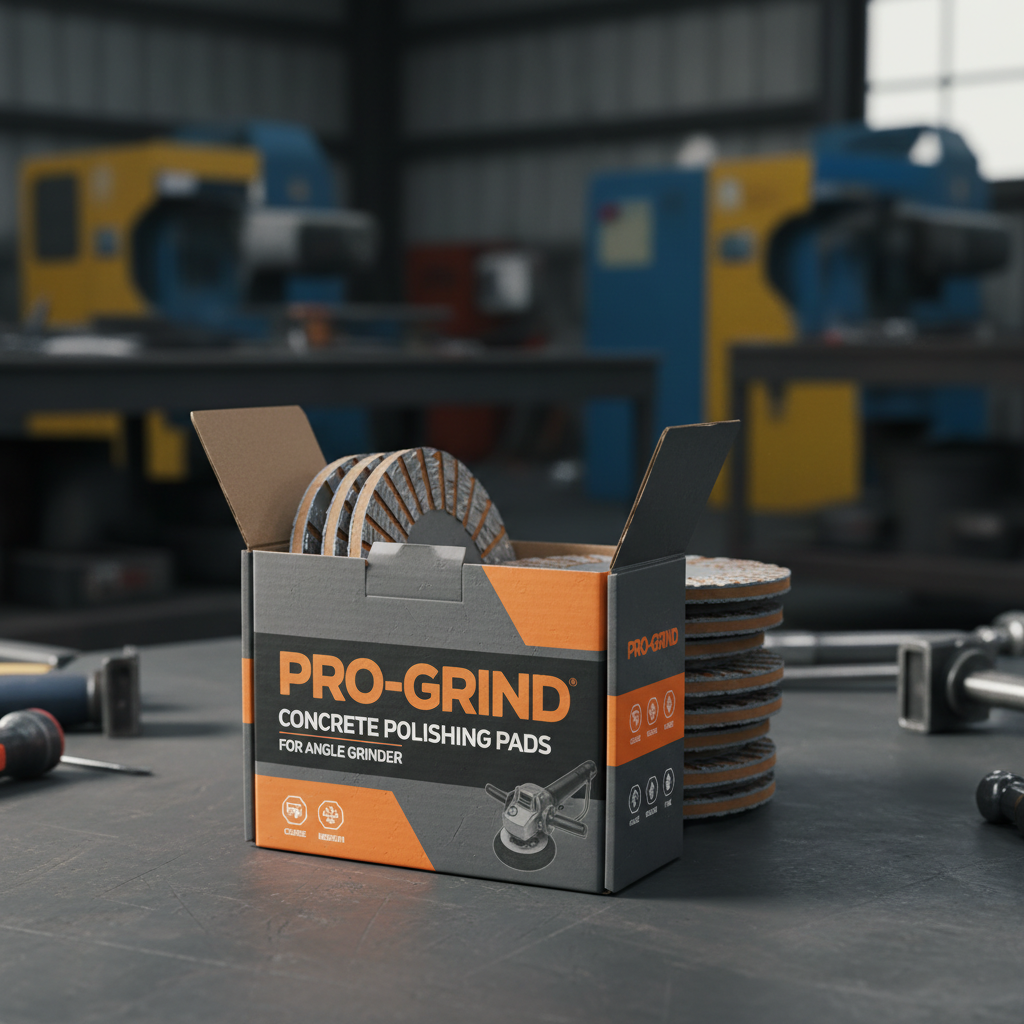
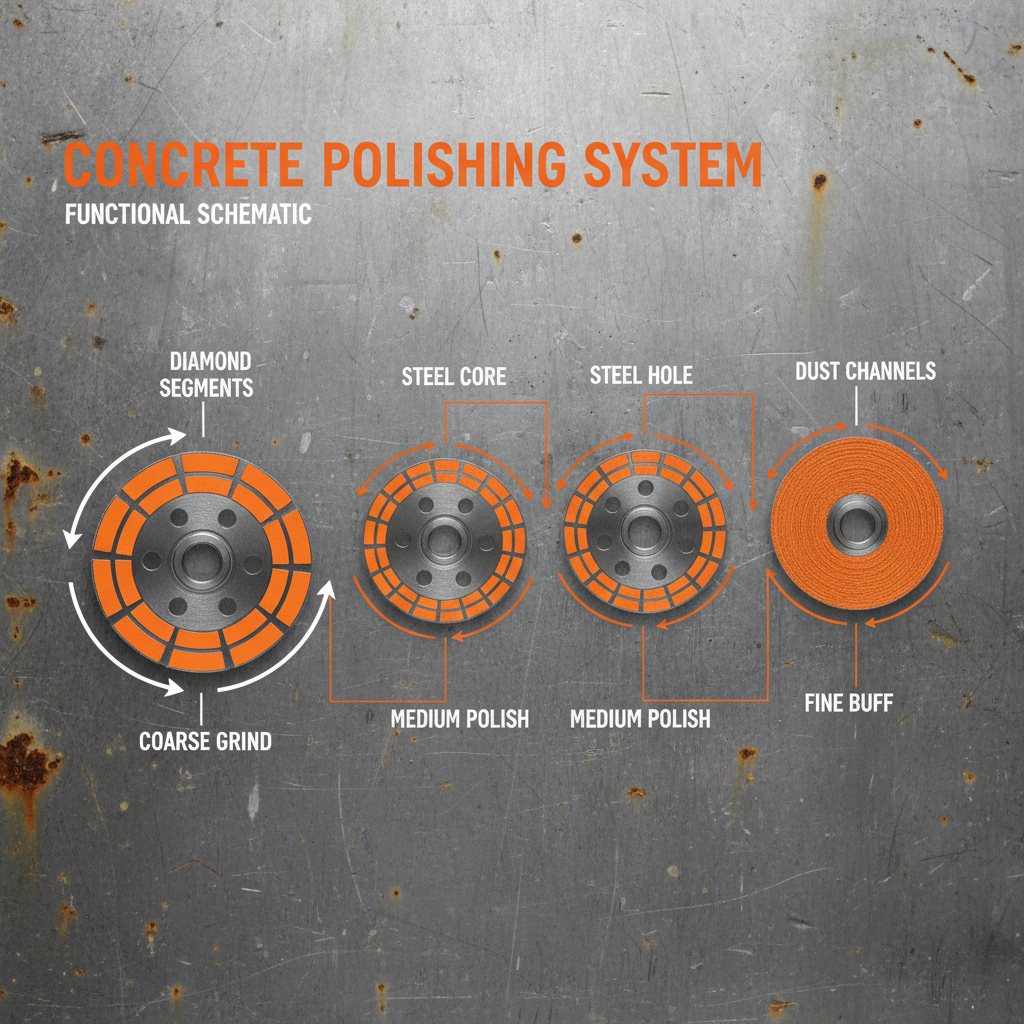
Concrete polishing pads are available in various materials, each offering unique characteristics and suited to different polishing stages. Diamond polishing pads are the most common and effective, providing aggressive material removal and a high-quality finish. Resin polishing pads, often used for final polishing, enhance the shine and protect the concrete surface. Ceramic polishing pads offer a balance between cutting speed and scratch resistance. Choosing the right pad material is crucial for achieving the desired level of polish and avoiding damage to the concrete.
Key Highlights: Diamond pads are ideal for aggressive grinding, resin pads for high-gloss polishing, and ceramic pads offer a versatile mid-point.
The Importance of Grit Sequence for Concrete Polishing Pads
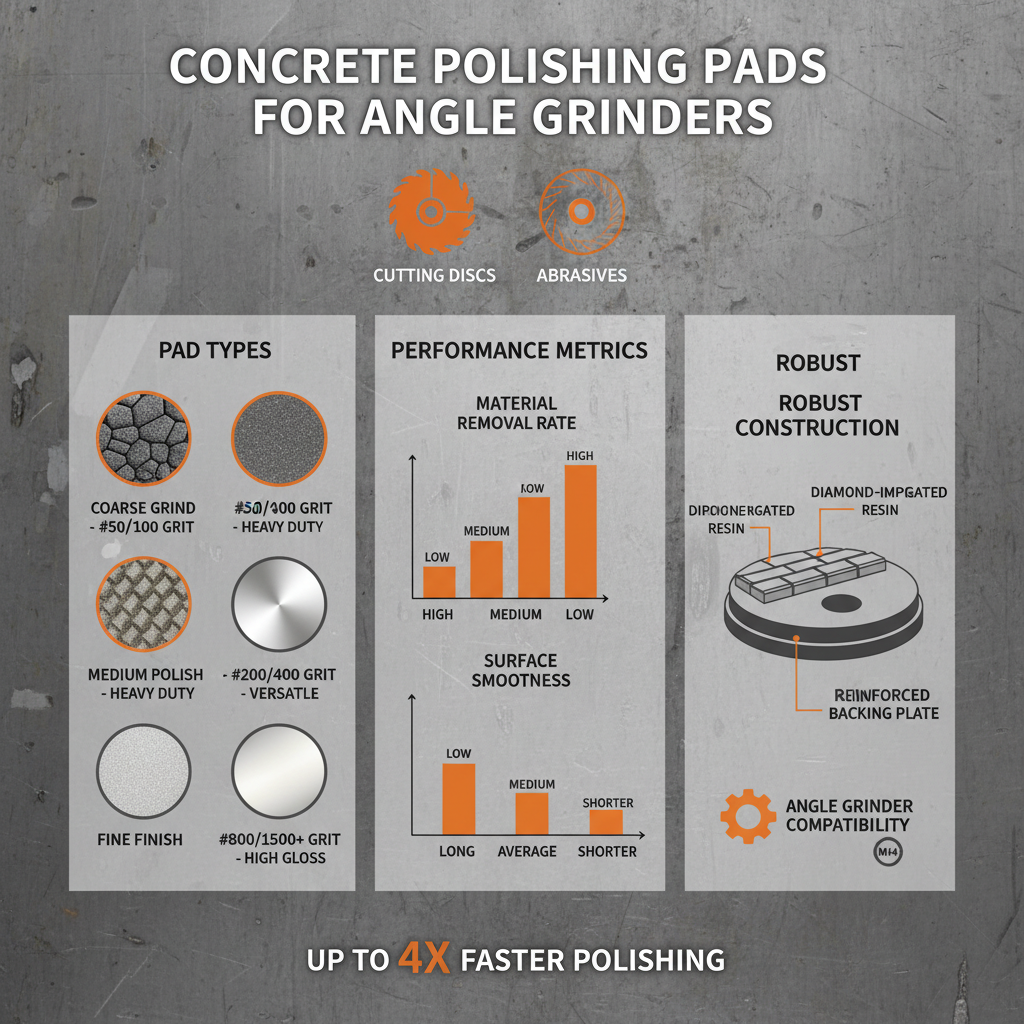
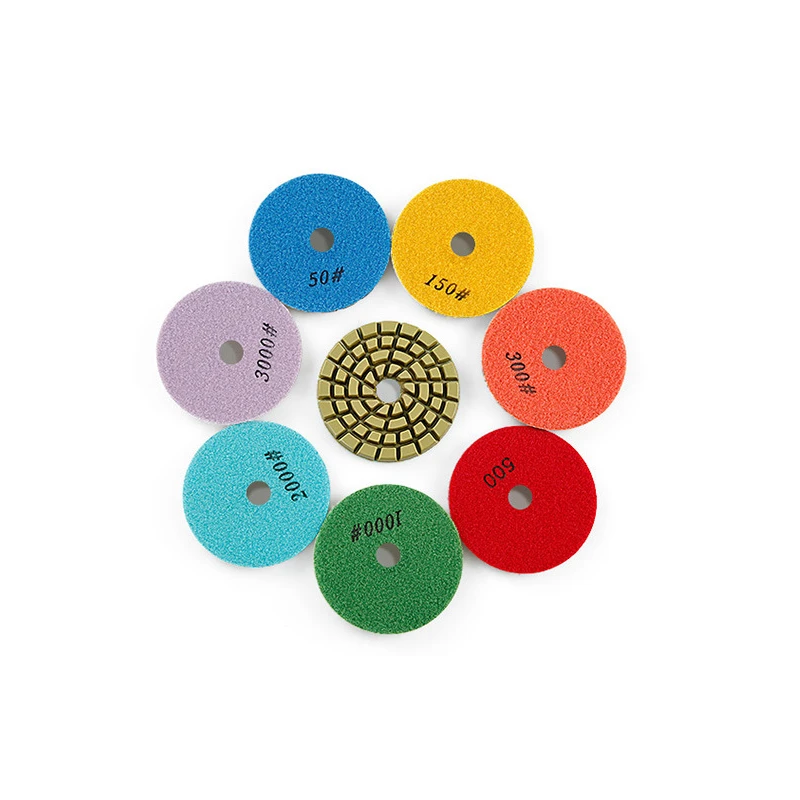
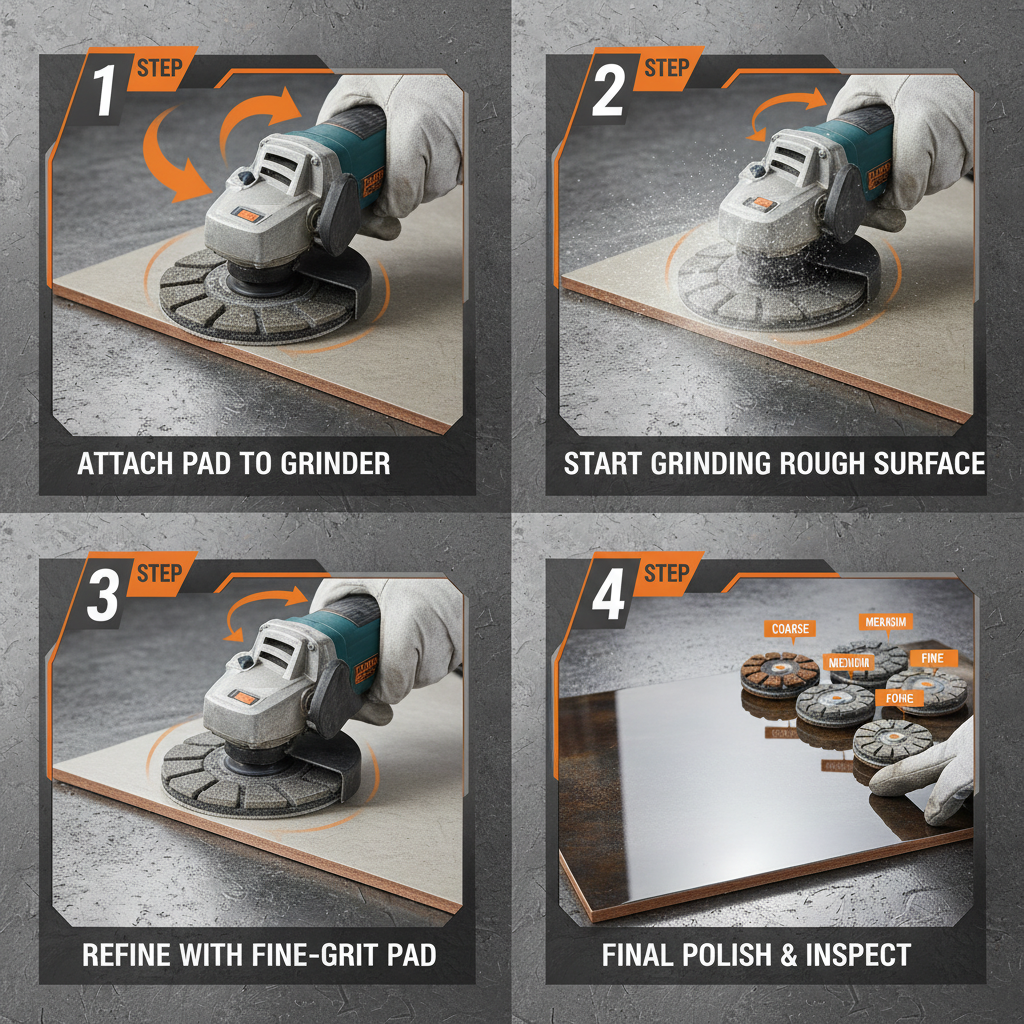
A proper grit sequence is fundamental to achieving a smooth, even polish. Start with coarse grit pads (e.g., 30/50) to remove imperfections and level the concrete surface. Progress through intermediate grits (e.g., 80/100/150) to refine the surface and remove scratches from the previous step. Finally, use fine grit pads (e.g., 3000/4000) and polishing compounds to achieve a high-gloss finish. Skipping grits or using an incorrect sequence can result in swirl marks, uneven polishing, and a less-than-desirable outcome.
Grit Sequence Benefits:
• Removes imperfections efficiently
• Minimizes swirl marks
• Creates a smooth, even surface
• Achieves a high-gloss finish
Comparing Diamond, Resin, and Ceramic Polishing Pads
Each type of polishing pad offers distinct advantages and disadvantages. Diamond pads are aggressive and durable but can be more expensive. Resin pads provide exceptional shine but are slower cutting. Ceramic pads offer a good balance but may not be as effective on severely damaged concrete. Considering your project's specific requirements and budget is crucial when choosing the right pad type.
Choosing the Right Concrete Polishing Pads from My Diamond Blade
At My Diamond Blade, we offer a comprehensive selection of high-quality concrete polishing pads for angle grinders, designed to meet the needs of both professionals and DIY enthusiasts. We provide a range of grit sequences, pad materials, and sizes to ensure you have the perfect tools for your project. Our expert team is available to provide guidance and support, helping you select the best pads for your specific concrete type and desired finish.
Conclusion: Achieving a Professional Concrete Polish
Selecting the right concrete polishing pads for angle grinder is essential for achieving a beautiful, durable, and long-lasting polished concrete floor. By understanding the different pad types, grit sequences, and application techniques, you can ensure a successful project. My Diamond Blade is your trusted partner for all your concrete polishing needs, offering high-quality products and expert support.
Frequently Asked Questions (FAQs)
How long do concrete polishing pads typically last?
The lifespan of concrete polishing pads varies depending on the pad material, grit, concrete hardness, and usage intensity. Diamond pads generally last the longest, especially when used with proper wet polishing techniques. Resin pads have a shorter lifespan as they wear down with use. Regularly inspect your pads for wear and tear; when they become dull or clogged, it's time to replace them. A general guideline is to replace pads when they no longer effectively cut or polish the concrete surface.
Can I use dry polishing pads?
While some concrete polishing pads are designed for dry polishing, wet polishing is generally recommended. Wet polishing helps to lubricate the pad, reduce dust, and improve the cutting efficiency. Dry polishing can generate a significant amount of dust, which is hazardous to your health. If you must use dry polishing pads, ensure you have proper dust collection equipment and wear appropriate respiratory protection. Always consult the pad manufacturer's recommendations for specific usage guidelines.
What is the best way to clean concrete polishing pads?
Cleaning concrete polishing pads regularly is crucial for maintaining their performance and extending their lifespan. After each use, rinse the pads thoroughly with clean water to remove concrete slurry and debris. You can also use a pad cleaning brush to remove stubborn residue. Allow the pads to air dry completely before storing them. Avoid using harsh chemicals or solvents, as they can damage the pad material. Properly cleaned pads will cut more effectively and last longer.
What angle grinder speed should I use with polishing pads?
The optimal angle grinder speed for concrete polishing depends on the pad material, grit, and the hardness of the concrete. Generally, a lower speed (around 4,000 - 6,000 RPM) is recommended for coarse grit pads and harder concrete, while a slightly higher speed (around 6,000 - 8,000 RPM) can be used for finer grit pads and softer concrete. Avoid excessive speeds, as this can overheat the pad and damage the concrete surface. Always refer to the pad manufacturer's guidelines for specific speed recommendations.
Related Products

Related Products





Address
No.30 Gaoying Road ,Chang'an District,Shijiazhuang,Hebei Province
Business Hours
Mon to Saturday : 8.00 am - 7.00 pm
Sunday & Holidays : Closed
.png )