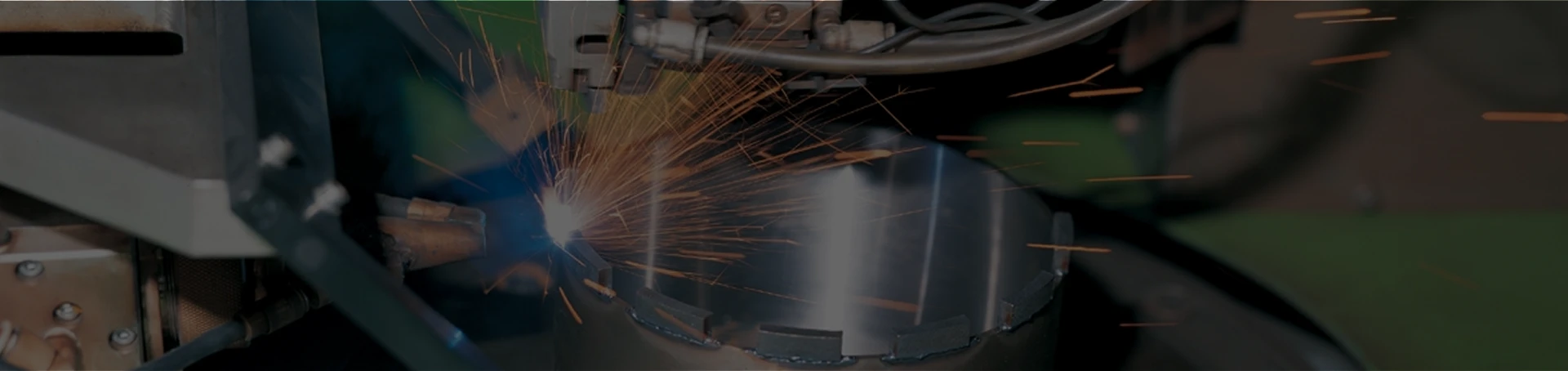
Essential Guide to Grinder Porcelain Blades | Precision Cutting Tools Explained
Understanding the Grinder Porcelain Blade: Why It Matters in Modern Industry
At first glance, a grinder porcelain blade might seem like a niche piece of industrial equipment, but its global significance is quietly massive. Every day, industries ranging from construction to manufacturing rely on these blades to efficiently and precisely cut through tough materials like porcelain tiles, ceramics, and glass. Why should we care? Because these blades not only improve productivity and reduce waste, they also play a huge role in sustainability efforts by extending tool life and enabling safer cutting techniques. Understanding the grinder porcelain blade helps industries innovate smarter, safer, and greener.
So, let’s break down what makes this tool a staple for countless professionals worldwide.
The Global Context: Why Grinder Porcelain Blades Are Essential
The global construction and manufacturing industries are booming, with ceramics and porcelain tiles becoming ever more popular thanks to their durability and aesthetics. According to the International Tile Manufacturers Association, over 15 billion square meters of ceramic tiles are produced annually worldwide, and only a fraction of these could be fabricated without high-quality cutting tools like grinder porcelain blades.
But here’s the kicker: improper cutting wastes materials, increases costs, and can compromise safety. If you think about regions with booming infrastructure, like Southeast Asia or parts of Europe, the demand for efficient porcelain cutting grows exponentially. Even humanitarian efforts, such as rebuilding post-disaster, rely on durable cutting tools to restore communities quickly. So, when you hear "grinder porcelain blade," think of it as a quiet workhorse behind our modern infrastructure.
What Is a Grinder Porcelain Blade? A Simple Explanation
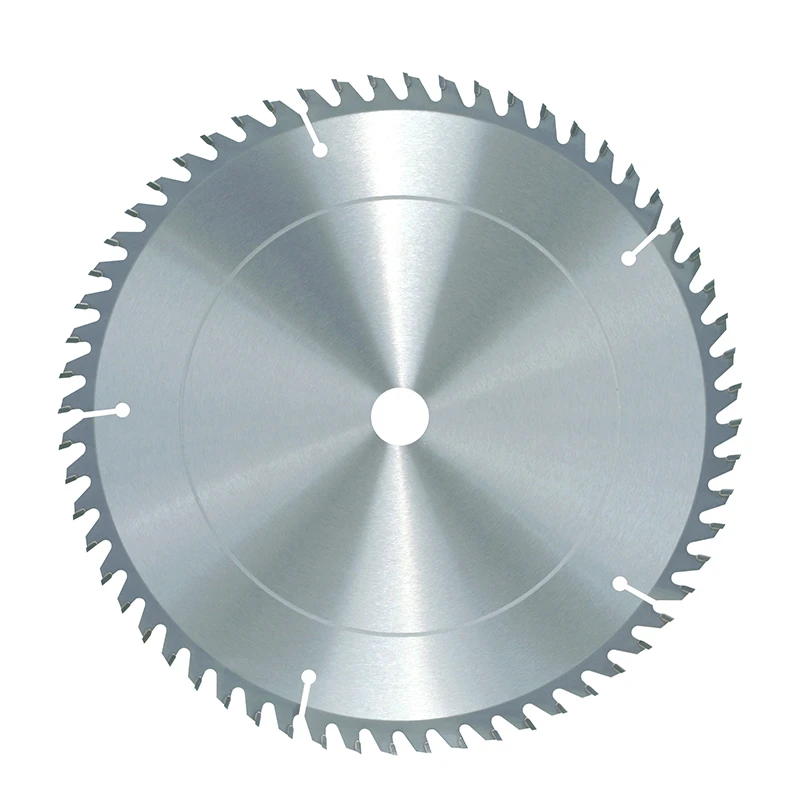
In essence, a grinder porcelain blade is a circular cutting tool attached to angle grinders, specifically designed to slice through porcelain materials. Unlike regular blades, these blades use diamond or other tough abrasives embedded into the edge, allowing for clean, fast cuts without chipping or cracking delicate materials.
They’re indispensable in both industrial manufacturing lines and artisan tile cutting shops. In humanitarian contexts, they mean precision when rebuilding infrastructure, which ultimately affects the quality of housing, hospitals, and schools.
Core Components That Make Grinder Porcelain Blades Stand Out
Durability and Material Quality
The hallmark of any great grinder porcelain blade is longevity. These blades are typically made with sintered diamond grit edges to withstand aggressive cutting without dulling quickly. Manufacturers carefully calibrate diamond sizes and bonding agents to balance sharpness and durability — because a blade that wears out fast costs more in downtime and replacement.
Cutting Precision and Smoothness
Tiles and porcelain need delicate handling. A blade that’s too coarse causes ugly chipping; too fine means slow cutting. Grinder porcelain blades are engineered for smooth, straight cuts — and many come with segmented edges or turbo rims to reduce friction and heat buildup. This protects both the material and the blade itself.
Safety Features
Hot blades and flying shards? No thanks. The best porcelain cutting blades incorporate heat-dissipating designs and sometimes vibration reduction technologies. Users report fewer accidents and less fatigue when using these safer blades, making on-site work a lot more manageable.
Compatibility and Versatility
Depending on the grinder model, blade sizes and arbor fittings vary. A good porcelain blade fits a wide range of grinders, from handheld angle grinders to larger industrial machines, offering flexibility across projects.
Cost Efficiency
Though a high-quality blade might seem pricier upfront, it pays off via reduced replacement frequency and more efficient cutting. Plus, less wasted material means direct savings.
Product Specification Table
| Specification | Typical Values |
|---|---|
| Blade Diameter | 115mm - 230mm |
| Grit Type | Sintered Diamond |
| Max RPM | 13,300 RPM |
| Arbor Size | 22.23mm (7/8") |
| Blade Thickness | 1.2mm - 2.4mm |
| Typical Use | Porcelain tiles, ceramics, glass cutting |
Takeaway: The grinder porcelain blade is more than just a tool; it’s a precision instrument engineered with durability, safety, and efficiency at its core.
Where Grinder Porcelain Blades Make a Real Difference Globally
Across construction sites in Germany’s refurbishment projects, porcelain blades swiftly cut custom tile shapes. In Canada, flooring companies use them daily to achieve flawless bathroom installations. Meanwhile, NGOs and recovery teams in Southeast Asia rely on reliable cutting to rebuild schools and clinics after typhoons.
The blades’ versatility spans industries: porcelain stoneware tile factories, artisan ceramic studios, and glass-cutting plants. Oddly enough, the same technology can serve art installation teams, where fine cutting reduces waste for heavy mosaic artworks.
Vendor Comparison Table
| Vendor | Blade Material | Max RPM | Price Range | Special Features |
|---|---|---|---|---|
| DiamondPro Tools | Sintered diamond grit | 13,300 RPM | $40 - $75 | Turbo edge for fast cutting |
| CeramiCut Ltd. | Electroplated industrial diamonds | 12,000 RPM | $35 - $65 | Anti-vibration design |
| TileMaster Blades | Sintered diamond segmented | 13,200 RPM | $45 - $80 | Heat dispersion slots |
Takeaway: Choosing the right vendor impacts your project's efficiency, safety, and costs — so comparing features like RPM limits or anti-vibration tech makes sense.
The Long-Term Benefits of Using Quality Grinder Porcelain Blades
- Cost Savings: Higher initial investment often means fewer replacements and less material waste.
- Sustainability: Durable blades reduce landfill waste and foster eco-friendly fabrication.
- Safety: More stable cutting reduces accidents, fostering worker confidence and wellbeing.
- Precision: Clean cuts improve project aesthetics and reduce rework.
- Innovation: Latest blade tech promotes faster project completion.
On a personal note, many contractors I know swear that investing in a high-quality grinder porcelain blade feels like choosing peace of mind. You skim fewer corners, waste less, and frankly, it just feels right at the job site. Trust in your tools is undervalued but crucial.
Emerging Trends and What's Next for Grinder Porcelain Blades
The future of grinder porcelain blade tech is pretty fascinating. We're seeing moves toward greener manufacturing processes and the use of recycled diamond grit, reducing environmental impact. Robotics and automation increasingly integrate into cutting workflows, necessitating blades that can handle variable cutting speeds and pressures automatically.
Digital monitoring embedded in grinders can soon tell you blade wear in real time—cutting downtime drastically. Think of it as your blade whispering, "Hey, I’m about done here." Excitingly, some firms are experimenting with nano-coating blades for better heat management and corrosion resistance. It’s a bit like giving your tool a superhero cape.
Common Challenges When Using Grinder Porcelain Blades and How to Overcome Them
Despite advancements, some typical roadblocks remain. Blade overheating is a perennial issue, leading to warping or material damage. The fix? Adequate water cooling or selecting blades with heat dispersion features.
Another hurdle: blade compatibility with different grinders. Not every blade fits every machine, so always check arbor sizes and max RPM ratings. Using a blade beyond its specs is not only inefficient but dangerous.
Lastly, the technique counts—as much as the blade itself. Operators should receive proper training, especially when cutting oddly shaped tiles or working on vertical surfaces. It’s often the human factor that makes all the difference.
FAQ: Your Top Questions About Grinder Porcelain Blades Answered
Q: What distinguishes a grinder porcelain blade from a standard diamond blade?
A: While both use diamond grit, porcelain blades are specifically engineered with a finer grit size and carefully balanced bond hardness to provide clean cuts on very hard, brittle materials like porcelain without chipping or cracking.
Q: How do I maintain and extend the lifespan of a grinder porcelain blade?
A: Regular cleaning, avoiding overheating (using water coolants where possible), and ensuring compatible grinder speed are key. Also, use the blade only on materials it’s designed for to prevent premature wear.
Q: Can I use grinder porcelain blades indoors without water cooling?
A: Many blades are designed for dry cutting, but dry cutting generates more dust and heat. Proper dust extraction and cooling breaks are essential when working indoors without water.
Q: Are all grinder porcelain blades compatible with every angle grinder?
A: Not quite. Blade diameters and arbor sizes vary, so confirm these specs match your grinder model. Also, ensure that the grinder’s max RPM doesn’t exceed the blade's rating to avoid accidents.
Q: Where can I buy high-quality grinder porcelain blades for professional use?
A: Vendors like grinder porcelain blade specialists offer a range of options. Always look for certified products meeting international safety and quality standards.
Final Thoughts: Why You Can’t Ignore the Grinder Porcelain Blade
To wrap it up, the humble grinder porcelain blade quietly powers a sector vital to modern life—the cutting of materials that form the surfaces and structures around us. From large-scale industrial manufacturing to emergency rebuilding efforts, it blends efficiency, precision, and safety in ways that foster sustainability and innovation.
If you’re in the business of cutting porcelain or similar materials, investing in the right grinder porcelain blade isn't just smart—it’s essential. Don’t hesitate; check out trusted suppliers like grinder porcelain blade experts today and see the difference quality makes.
References:
1. International Tile Manufacturers Association (ITMA), Global Ceramic Tile Data
2. ISO Standards for Abrasive Tools and Diamond Blades
3. UN World Urbanization Prospects, Infrastructure Demand Reports
Related Products
Related Products




Address
No.30 Gaoying Road ,Chang'an District,Shijiazhuang,Hebei Province
Business Hours
Mon to Saturday : 8.00 am - 7.00 pm
Sunday & Holidays : Closed
.png )