Ultimate Guide to Grinder Wheel for Porcelain Tile – Specs, Trends & Buyers' Tips
The Unsung Hero: Understanding the Grinder Wheel for Porcelain Tile
Porcelain tile is everywhere these days — from swanky bathrooms in luxury hotels to the kitchen floors in your favorite café. But have you ever stopped to think what it really takes to get that polished, flawless finish on these hard tiles? Enter the grinder wheel for porcelain tile, a seemingly humble yet vital tool in the finishing and fabrication world. This article dives deep into why this tool matters globally and the key benefits it offers to industries and craftsmen alike.
The Global Context: Why Grinder Wheels for Porcelain Tile Matter Today
Believe it or not, the porcelain tile industry is booming worldwide. According to Wikipedia’s porcelain tile stats, the global tile market was valued at over $15 billion recently, with porcelain taking a significant share due to its durability and aesthetic appeal. But here’s the catch: porcelain tile is notoriously tough, demanding precision tooling for cutting and finishing.
The grinder wheel for porcelain tile offers the precision and durability needed to shape, smooth, and polish these tiles on an industrial scale, meeting everything from architectural demands to humanitarian needs —think rapid rebuilds post-natural disasters where quick, reliable flooring solutions are needed. The challenge? Without the right grinding tools, porcelain tiles can chip, crack, or produce unsafe edges.
Mini takeaway: The grinder wheel for porcelain tile is a small piece of a multi-billion-dollar puzzle that keeps global infrastructure and design ticking, safely and efficiently.
What Exactly Is a Grinder Wheel for Porcelain Tile?
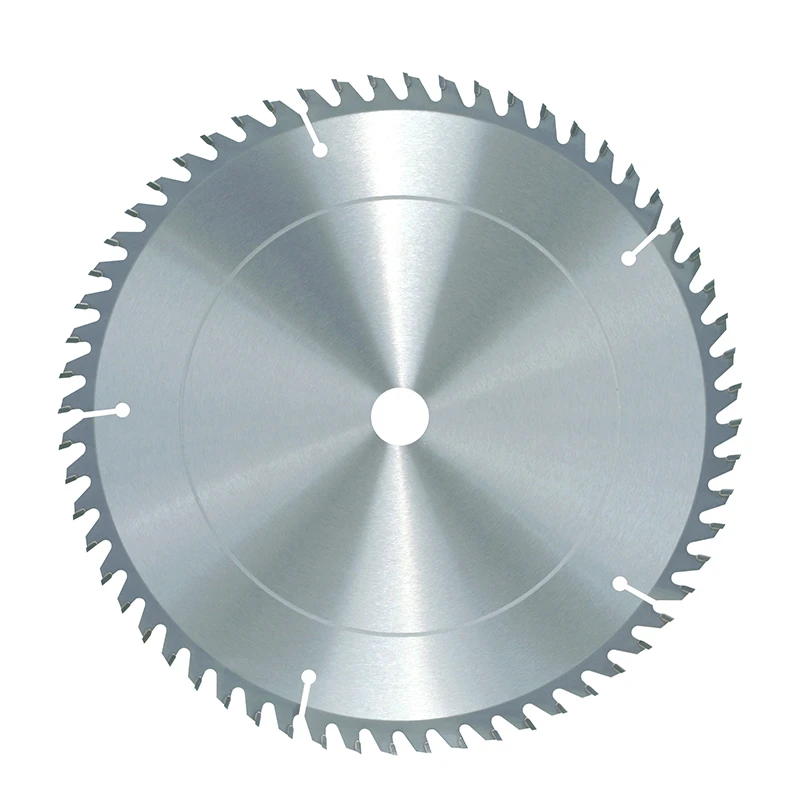
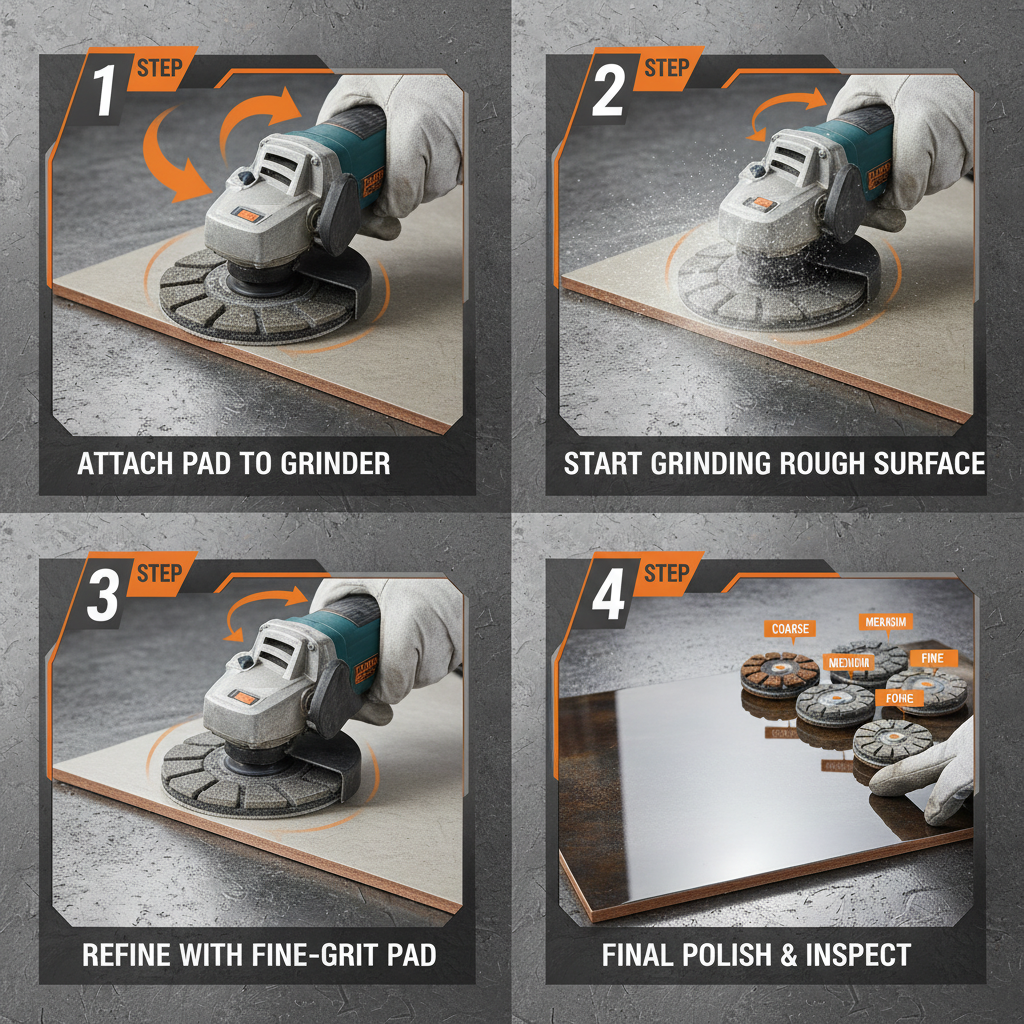
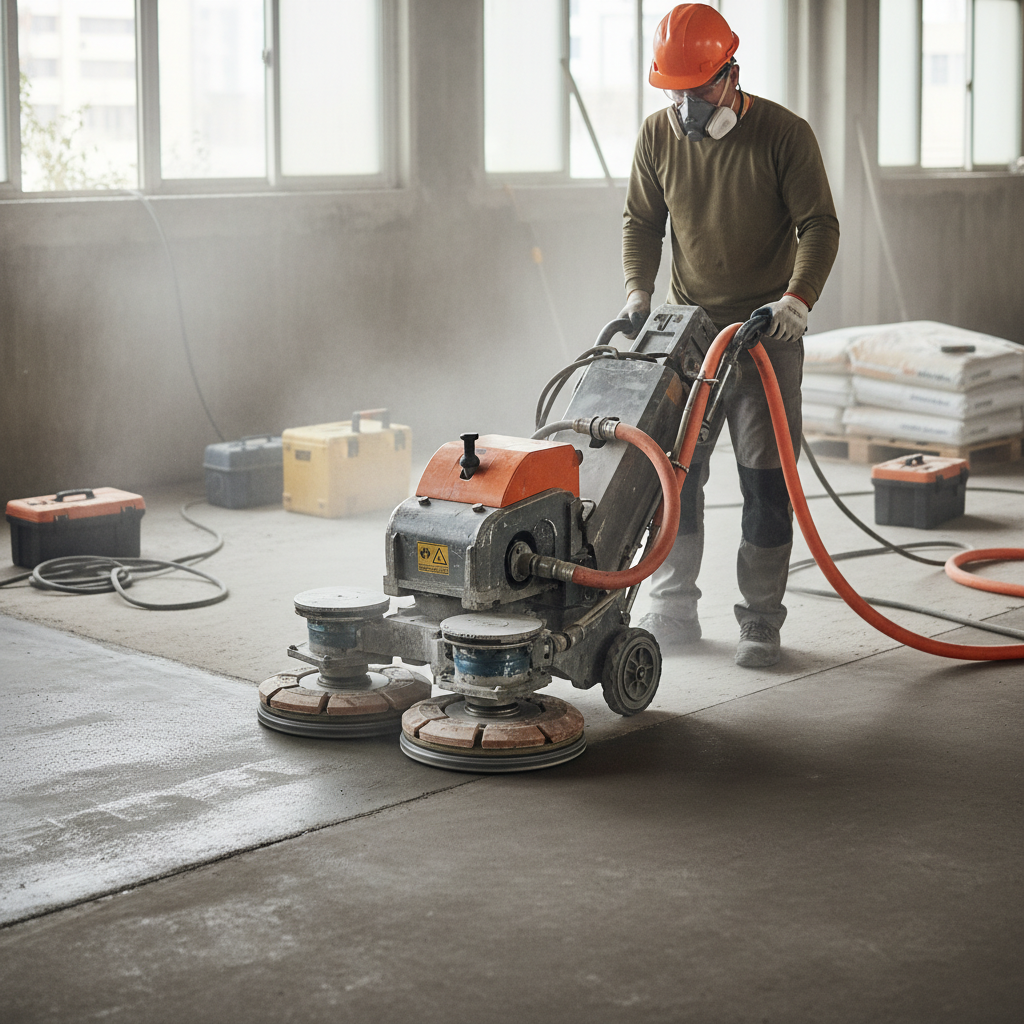
Simply put, a grinder wheel for porcelain tile is a specialized abrasive tool designed to grind, cut, and polish porcelain surfaces. Unlike standard grinding equipment, these wheels are made with particular abrasives — typically diamond-infused or silicon carbide composites — that can handle porcelain’s impressive hardness.
Industries from construction to manufacturing rely on these wheels because they help create tiles that fit perfectly and shine with a smooth finish, which not only looks beautiful but also reduces the risks of injury due to sharp edges. Oddly enough, the same technology also encourages sustainable practices by minimizing waste due to damage.
Mini takeaway: It’s a precision tool fused with smart material science, tailored specifically for porcelain tile’s unique challenges.
Key Factors Behind an Effective Grinder Wheel for Porcelain Tile
1. Durability
Porcelain is unforgiving. So, grinder wheels must withstand intense friction and heat without wearing down quickly. Many manufacturers embed industrial-grade diamonds, which aren’t just shiny stones but tough, microscopic blades slicing through hard tile.
2. Abrasive Composition
The main abrasive materials—diamond and silicon carbide—offer different benefits. Diamond wheels excel in longevity and precision, silicon carbide tends to be more cost-effective but may wear faster. Choosing the right abrasive depends on use-case specifics.
3. Wheel Design & Size
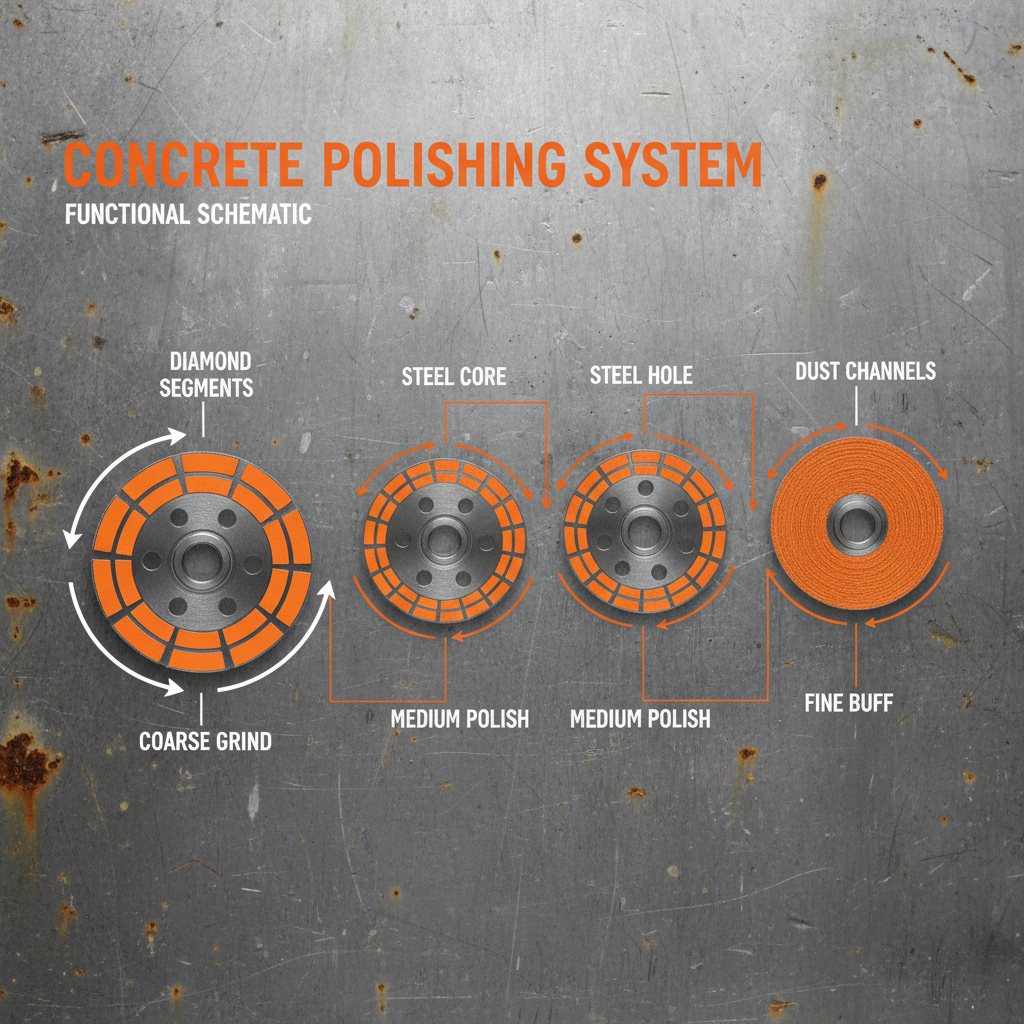
Diameter and thickness impact cutting speed and control. Larger wheels cover more surface quickly, but smaller wheels allow intricate edging. The shape — straight or cup-shaped — also matters for finishing versus cutting tasks.
4. Compatibility with Equipment
Not every grinder wheel fits every tile grinder or angle grinder. Professionals must ensure wheel size and mounting style matches the tools on hand to avoid accidents.
5. Cost Efficiency
While high-end wheels cost more upfront, their longevity and precision typically reduce overall project expenses by limiting wastage and downtime.
| Specification | Common Range/Value | Notes |
|---|---|---|
| Diameter | 4" to 7" | Varies by grinder compatibility |
| Abrasive type | Diamond, Silicon Carbide | Diamond preferred for toughness |
| Grit size | 60-120 | Finer grit for polishing |
| Maximum RPM | 12,000 RPM | Equipment dependent |
| Bond type | Resin, Metal | Metal bonds for heavy duty |
Mini takeaway: Picking the right grinder wheel is a balancing act between precision, longevity, cost, and compatibility.
Global Applications: Where and How Grinder Wheels for Porcelain Tile Make a Difference
In developed regions like Europe and North America, specialized grinder wheels are instrumental in factory settings and artisan workshops, creating the pristine tiles adorning museums, airports, and homes. Meanwhile, in fast-growing economies of Asia and Latin America, these wheels help meet the demand surge for affordable but quality flooring – particularly in urban building booms.
Interestingly, in post-disaster relief efforts, organizations use quickly fabricated porcelain tile floors in temporary shelters—not just for aesthetics but sanitation and safety. The precision griding tools ensure fast installation with minimal waste. Remote industrial sites also rely on these tools for maintenance and custom builds where conventional flooring might fail.
Got a tile-cutting task? You might want to check out our trusted options for grinder wheel for porcelain tile designed for tough real-world use.
Mini takeaway: From luxury interiors to emergency shelters, grinder wheels help turn raw porcelain into reliable surfaces worldwide.
The Advantages and Long-Term Value of Quality Grinder Wheels
- Cost saving: Durable wheels mean fewer replacements, less downtime, and lower scrap tile rates.
- Sustainability: Efficient grinding reduces dust and energy consumption; plus minimal waste helps conservation.
- Enhanced Safety: Smooth, chip-free edges prevent injuries on job sites and in homes.
- Trust through Quality: End-users and builders alike rely on consistently high-quality finishes.
- Innovation Friendly: New abrasive materials and designs allow faster, cleaner cuts.
Honestly, there's a kind of pride here — using the right tools turns a tough job into something artful and sustainable.
Mini takeaway: Grinder wheels aren’t just tools; they’re investments in efficiency, safety, and sustainability.
Future Trends and Innovations in Grinder Wheel Technology
Manufacturers are increasingly integrating green materials and eco-friendly bonding agents in grinder wheels, reducing toxic waste and prolonging tool life. With automation becoming industry standard, expect digital monitoring of wheel wear and real-time performance data guiding precision cuts — making jobs faster, safer, and smarter.
There’s ongoing research into nano-material abrasives, promising sharper edges while consuming less power during grinding, aligning clear with sustainability goals set by global entities like the ISO (ISO standards).
Mini takeaway: The future of grinder wheels is as much about intelligence and environment as it is about raw strength.
Common Challenges with Grinder Wheels for Porcelain Tile — and How to Overcome Them
Porcelain’s hardness means occasional chip or wheel glazing issues, leading to uneven finishes. Operators sometimes face rapid wheel wear when using low-quality tools.
Experts recommend routine inspections and choosing diamond abrasive wheels with metal bonds for tough jobs. Plus, training on correct wheel speed and pressure can extend tool life dramatically.
If you’re sourcing new supplies, look carefully for vendor certifications and warranties — quality assurance matters. To help, here’s a brief vendor comparison:
| Vendor | Abrasion Type | Price Range | Warranty | Unique Selling Point |
|---|---|---|---|---|
| DiamondCraft | Industrial Diamond | $$$ | 2 years | Long-life, precision balance |
| SilexPro | Silicon Carbide | $ | 1 year | Affordable, fast delivery |
| EcoBlade | Green Resin + Diamond | $$ | 18 months | Eco-friendly materials |
Mini takeaway: Investing in better quality and proper use prevents headaches and boosts project success.
FAQ: Your Top Questions on Grinder Wheels for Porcelain Tile
Q1: How do I know if a grinder wheel is suitable for porcelain tile?
A1: Look for diamond or silicon carbide abrasives specifically designed for hard materials. Check the wheel’s maximum RPM and ensure it matches your tool. Also, verify grit size fits your finishing needs (typically 60-120 grit).
Q2: Can I use a standard angle grinder wheel on porcelain tile?
A2: Not usually. Standard wheels may not handle porcelain’s hardness well and can cause chipping. Specialized grinder wheels for porcelain tile provide safer, smoother results.
Q3: What maintenance does a grinder wheel need?
A3: Regularly check for cracks or glazing, clean dust buildup, and replace worn wheels promptly. Proper storage and avoiding overheating during use extend wheel life.
Q4: Are diamond grinder wheels eco-friendly?
A4: Many brands now use eco-conscious bonding materials and longer-lasting abrasives, reducing waste and environmental impact. Look for certifications or “green” labels.
In Closing: Why Choosing the Right Grinder Wheel Is a Game Changer
Frankly, the grinder wheel for porcelain tile might not be headline news — but it quietly shapes how we live, work, and build. Its role bridges aesthetics, safety, and efficiency across global markets. Want to experience these benefits firsthand? Visit our website: https://www.mydiamondblade.com for trusted products and expert support.
References
Related Products
Related Products




Address
No.30 Gaoying Road ,Chang'an District,Shijiazhuang,Hebei Province
Business Hours
Mon to Saturday : 8.00 am - 7.00 pm
Sunday & Holidays : Closed
.png )