
Essential Guide to TCT Metal Cutting Blades: Durability, Precision & Global Use
Everything You Need to Know About the TCT Metal Cutting Blade
Metal cutting is an absolute cornerstone in modern industry, and if you’ve ever worked in manufacturing, construction, or engineering, you’ve probably come across the term tct metal cutting blade. Short for Tungsten Carbide Tipped metal cutting blade, these blades have truly transformed metal cutting by balancing precision with longevity. Globally, industries rely heavily on these blades, from automotive factories in Germany to shipyards in Japan, reflecting a demand that’s only set to grow as metalworking standards rise worldwide.
Why does understanding these blades matter so much? Simply put, they play a critical role in increasing efficiency, reducing downtime, and also minimizing waste in production lines. It’s not just about saving money, but enabling consistent quality in projects that can span from skyscrapers to tiny precision parts.
Introduction: The Global Impact of TCT Metal Cutting Blades
The global market for metal cutting tools, including TCT blades, is enormous — voluminous enough to tie into broader economic patterns. For example, the International Organization for Standardization (ISO) reports steady growth in manufacturing sectors worldwide, which inevitably drives demand for reliable, durable cutting tools. In fact, according to a 2022 World Bank report, emerging economies in Asia and Latin America are the fastest-growing consumers of precision tooling like TCT metal cutting blades.
Yet, amid this growth is a major challenge: metal cutting needs to be fast, clean, and cost-effective without compromising safety. Traditional steel blades often wear out too quickly or cause overheating and sparks, leading to hazardous conditions. TCT blades come in as a solution, tackling industrial pain points by offering unprecedented cutting performance.
Definition & Meaning
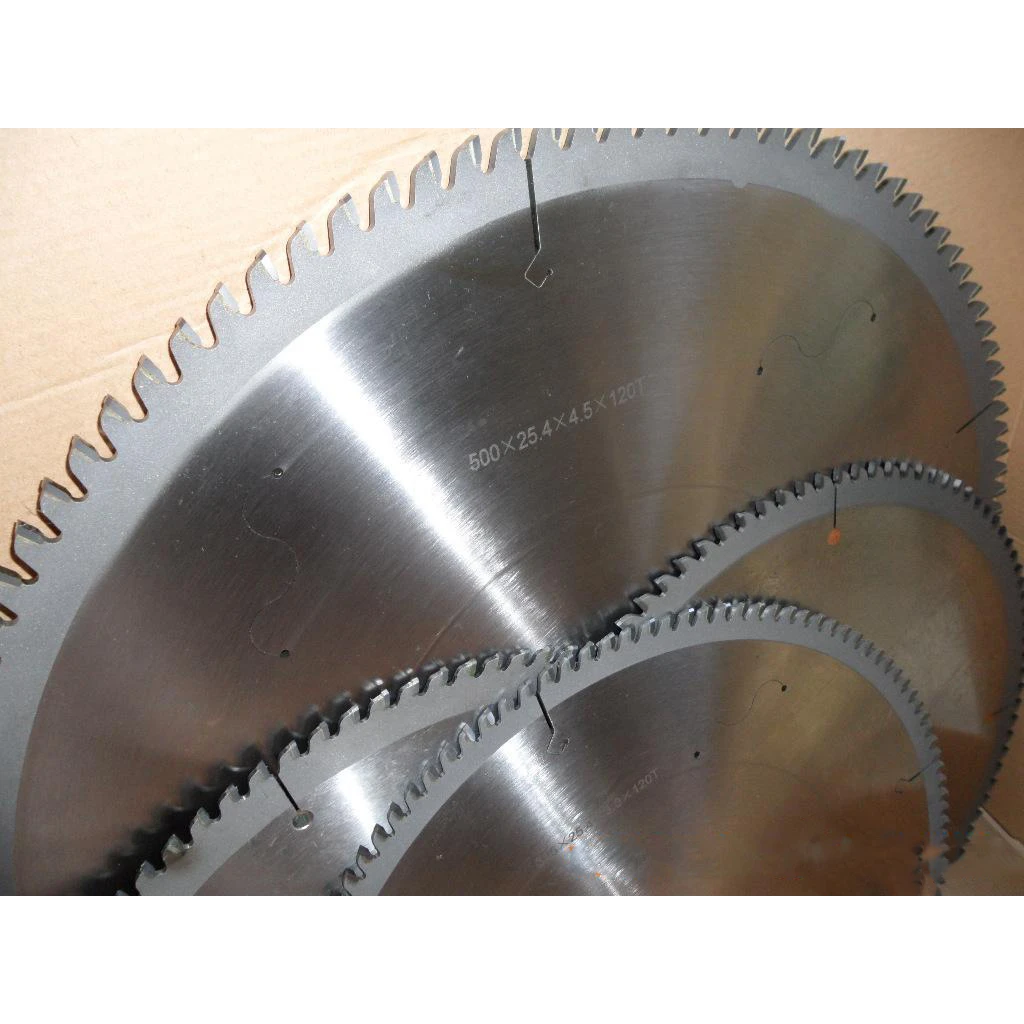
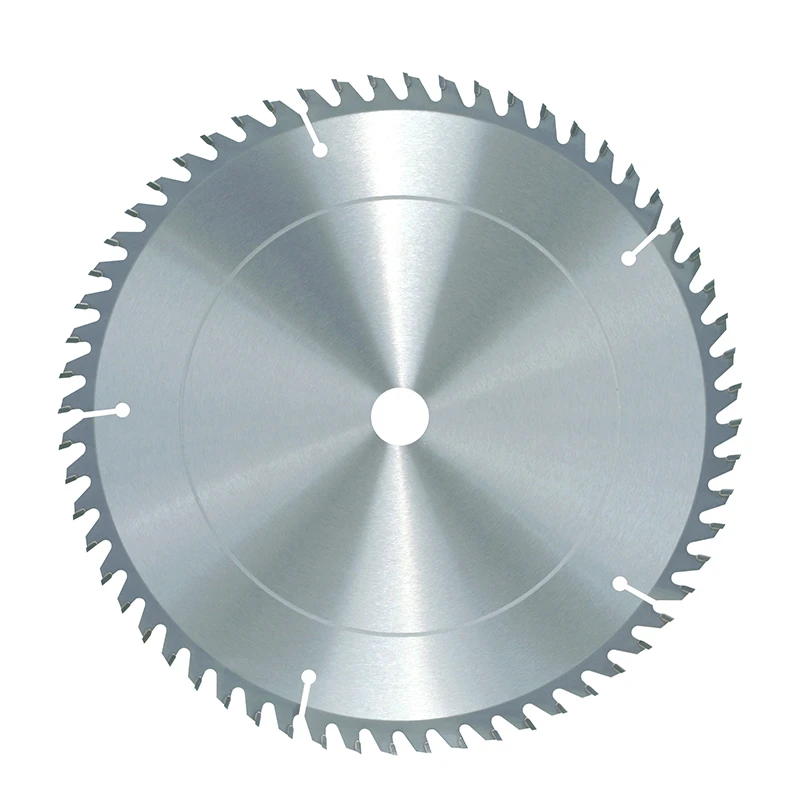
At its core, a tct metal cutting blade is a circular or linear cutting tool embedded with tungsten carbide tips along its edges. Tungsten carbide is an extremely hard ceramic material, known for its toughness and resistance to heat and wear. This makes TCT blades ideal for maintaining sharpness even after hundreds or thousands of cuts on tough metals.
Industrially, they are indispensable in sectors like automotive manufacturing, aerospace, construction, and even humanitarian projects where quick, durable metal cutting is necessary — say, in assembling disaster relief shelters or fabricating emergency infrastructure in remote zones.
Core Components & Key Factors of TCT Metal Cutting Blades
Durability
Thanks to tungsten carbide’s hardness, these blades last significantly longer than traditional metal blades. That means fewer replacements and less downtime — crucial when efficiency counts.
Precision Cutting
The sharp carbide tips mean cuts are cleaner, with minimal burrs or distortion, which reduces additional finishing work.
Heat Resistance
When cutting metal, heat builds rapidly. TCT blades dissipate heat better, reducing warping and preserving blade integrity.
Versatility
These blades cut various metals: steel, aluminum, copper, and even coated metals, making them flexible tools across industries.
Cost Efficiency
Although TCT blades can be pricier initially, their longevity and reliability translate to cost savings in the long run.
Product Specification Table: Example TCT Metal Cutting Blade
| Specification | Details |
|---|---|
| Blade Diameter | 355 mm (14 inches) |
| Tungsten Carbide Tip Thickness | 2.2 mm |
| Maximum RPM | 4,200 RPM |
| Kerf Width | 3.2 mm |
| Compatible Materials | Steel, Aluminum, Copper, Cast Iron |
Global Applications & Use Cases
The tct metal cutting blade is everywhere — in automotive assembly lines in the US, railway fabricators in India, even in remote construction projects in Africa. One vivid example: in post-disaster relief operations, rapid fabrication of metal frames and infrastructure can literally mean the difference between shelter and exposure.
In remote industrial zones, where downtime could cost thousands daily, the blade’s durability means fewer tool changes and less waste — making operations more sustainable economically and environmentally. Those working in shipyards often praise the blade’s ability to cut thick steel plates cleanly, which directly impacts build quality and safety standards on the high seas.
Vendor Comparison: Leading TCT Metal Cutting Blade Providers
| Feature | Brand A | Brand B | Brand C |
|---|---|---|---|
| Blade Longevity | High (1000+ cuts) | Medium (700-900 cuts) | High (1100+ cuts) |
| Cutting Precision | ±0.01 mm | ±0.03 mm | ±0.02 mm |
| Price Point | $$$ (Premium) | $ (Budget) | $$ (Mid-range) |
| Heat Resistance | Excellent | Moderate | Good |
Advantages & Long-Term Value
Beyond the specs, the real value of these blades is in what they bring to the workflow. They reduce noise, sparks, and dust — all of which improve workplace safety and morale. For operators, it feels like working with a tool that respects the craft, letting you focus on the cut, not the friction or chip buildup.
From a sustainability perspective, longer-lasting blades mean fewer discarded tools ending up in landfills, and better precision means less scrap metal — it all adds up to more responsible production cycles, something more companies are prioritizing every day.
Future Trends & Innovations
Industry insiders are excited about coatings and nano-engineered carbide tips — these promise even greater heat resistance and micro-durability. Plus, smart blades with embedded sensors could soon monitor blade wear and cutting conditions in real time — quite the leap towards automated metalworking lines.
Environmental considerations are shaping product development heavily. The shift to more sustainable materials and recycling-friendly blades will likely be a major trend within the next five years.
Challenges & Solutions
While TCT blades are fantastic, they aren’t perfect. They can be brittle if mishandled, and the initial cost can deter small workshops. But many manufacturers are offering hybrid blades combining carbide tips with more flexible backings to reduce breakage. Training on proper blade use also closes the gap on premature wear.
Frequently Asked Questions About TCT Metal Cutting Blades
- How do I know when to replace my TCT metal cutting blade?
Signs of wear include increased cutting resistance, visible chipping of carbide tips, or uneven cuts. Regular inspection is key to maintain safety and performance. - Can TCT blades cut stainless steel?
Yes, they are well-suited for stainless steel and retain sharpness longer than regular steel blades when cutting tougher metals. - Are TCT metal cutting blades compatible with all saw types?
Generally, yes for circular and some portable saws, but always verify blade specifications with your equipment’s manufacturer to ensure safety. - Is it worth investing in premium TCT blades for small projects?
For frequent or precision work, absolutely. The better blade cuts cleaner and lasts longer, saving time and reducing waste even on small-scale jobs.
Conclusion
In real terms, the tct metal cutting blade is a tool that's quietly revolutionizing metal fabrication worldwide. Its balance of precision, durability, and safety makes it essential across industries big and small. If you’re looking to boost your metalworking efficiency and quality, upgrading to TCT blades is a change worth considering — and frankly, one that pays dividends over time.
Want to explore top-quality blades? Visit https://www.mydiamondblade.com to see the latest selection tailored for precision and endurance.
Mini Takeaway: TCT metal cutting blades combine cutting-edge materials science with practical engineering to offer a robust, precise solution for metal cutting challenges worldwide.
References
Related Products
Related Products




Address
No.30 Gaoying Road ,Chang'an District,Shijiazhuang,Hebei Province
Business Hours
Mon to Saturday : 8.00 am - 7.00 pm
Sunday & Holidays : Closed
.png )