
What is TCT Steel? Definition, Applications & Top Tool Vendors Explored
Understanding TCT Steel: A Cornerstone in Modern Manufacturing
When it comes to the backbone materials powering industries worldwide, tct steel stands out as a critical component. But what exactly is tct steel, and why is it grabbing so much attention? This term refers to steel products enhanced with Tungsten Carbide Tipped (TCT) technology, usually in cutting or abrasive tools that demand superb longevity and durability. Globally, with industries racing toward higher efficiency and minimizing downtime, understanding tct steel's benefits isn’t just useful — it’s vital.
With the UN reporting steady growth in manufacturing sectors and ISO standards emphasizing quality and sustainability, tct steel addresses challenges in tool wear, energy consumption, and operational cost. This article dives into the nuts and bolts of tct steel, exploring its core components, applications, advantages, and future trends, all while highlighting some practical insights.
What is TCT Steel?
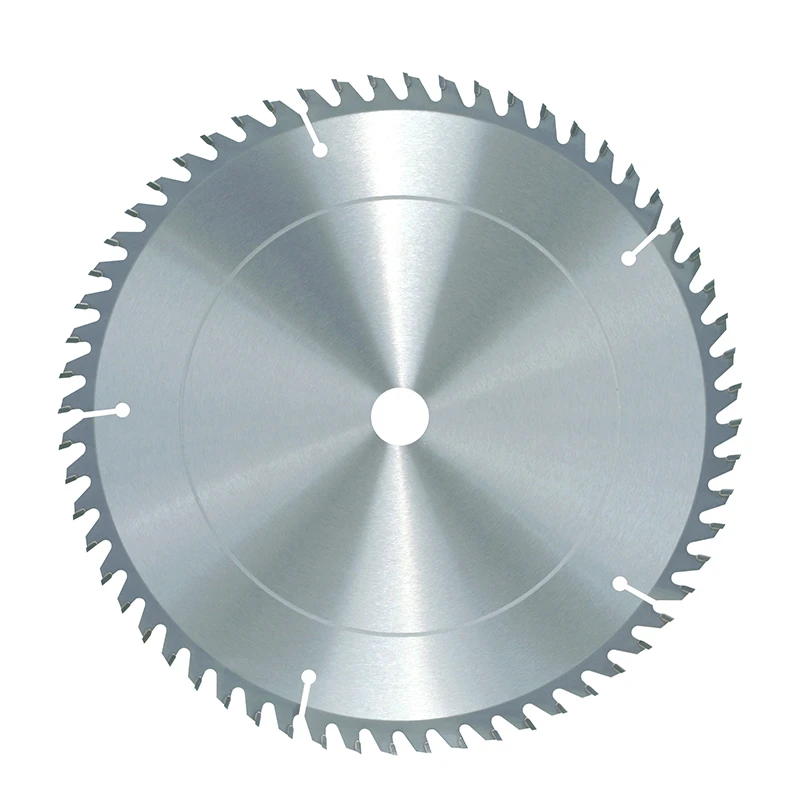
Simply put, tct steel combines a durable steel base with tungsten carbide tips, resulting in tool edges that are tremendously hard and wear-resistant. This composite approach leverages steel’s toughness and the carbide's hardness, making it ideal for cutting, drilling, and machining tasks that demand precision and endurance.
Industrially, this innovation supports everything from automotive manufacturing to construction and even humanitarian projects that require rugged, reliable tools under tough conditions.
Key Factors of TCT Steel
Durability
The tungsten carbide tip significantly boosts the lifespan of the tool, resisting deformation and chipping, which is common in traditional steel blades. This means less downtime for blade replacements and fewer interruptions for maintenance teams — frankly, a major production gain.
Cost Efficiency
While initial costs might seem higher, the increased lifespan and reduced need for frequent replacements translate into better return on investment (ROI) over the long haul. It's a classic “spend more upfront, save more later” scenario.
Precision Cutting
The hardness and sharpness of tct steel facilitate cleaner, more accurate cuts, making these blades highly sought after in industries pushing for tight tolerances and quality finishes.
Heat Resistance
Tungsten carbide’s excellent heat resistance means tools maintain cutting performance even under high-friction conditions, where conventional steel would quickly dull or warp.
Environmental Sustainability
Oddly enough, by increasing tool life and performance, tct steel reduces material waste and energy consumption over the product’s lifecycle — a small but meaningful edge in sustainable manufacturing.
TCT Steel Product Specifications
| Specification | Details |
|---|---|
| Material Composition | High-speed steel substrate + tungsten carbide tips |
| Tip Hardness | ≥ 1600 HV (Vickers Hardness) |
| Operating Temperature | Up to 900°C |
| Typical Applications | Metal cutting, woodworking, mining drilling |
| Average Tool Life | Up to 5x longer than conventional steel blades |
Global Applications & Use Cases for TCT Steel
From the dense factories in Germany to the remote mining sites in Australia, tct steel tools are everywhere. Manufacturers in automotive hubs like Japan rely on them to maintain strict production schedules. In post-disaster relief efforts, rugged cutting tools made from tct steel help rapidly clear debris safely and efficiently, ensuring life-saving infrastructure repairs proceed without delay.
Even in remote industrial zones, where replacing tools can take weeks, tct steel’s durability remarkably reduces operational risks. It's no surprise NGOs and governments consider tct steel-based equipment essential for resilient, on-the-ground response.
Vendor Comparison: Leading TCT Steel Tool Providers
| Vendor | Tool Range | Price | Typical Application | Warranty |
|---|---|---|---|---|
| Hoffman Tools | Saw blades, drills | $$ | Woodworking, metal cutting | 2 years |
| Carbex | Drill bits, router bits | $$$ | Industrial machining | 3 years |
| SteelEdge Solutions | Circular blades, masonry cutters | $$ | Construction, mining | 1 year |
Advantages and Long-Term Value of TCT Steel
- Cost Savings: Even if the upfront price seems steep, the reduction in frequent replacements and production stops saves money in real terms.
- Sustainability: Longer tool life means fewer discarded parts and less manufacturing waste.
- Safety and Reliability: Fewer tool failures mean a safer operating environment and more consistent outcomes.
- Emotional and Social Impact: Workers trust tools that deliver—boosting morale and confidence on hectic job sites.
Future Trends and Innovation in TCT Steel
Looking ahead, innovations such as nano-engineered carbide coatings and green manufacturing processes are making tct steel tools even tougher while reducing environmental footprints. Automation and AI-driven monitoring predict tool wear before it affects performance—quite a game changer. Plus, emerging regulations push for eco-friendly sourcing and disposal, pressuring vendors to innovate responsibly.
Challenges & Solutions
Despite its strengths, some challenges persist with tct steel tools. For example, improper handling or incorrect machine settings can reduce blade lifespan. It’s not just about having the best blade but also using it right—training is key. Also, recycling tungsten carbide remains tricky and often expensive, though several initiatives aim to improve reprocessing technologies.
FAQ: Frequently Asked Questions About TCT Steel
Q1: How does tct steel compare to regular steel blades in cutting tough materials?
A: TCT steel blades typically last up to 5 times longer than regular steel blades. Their tungsten carbide tips maintain sharpness and hardness under stress, meaning cleaner cuts on tough metals or stone with less frequent replacements.
Q2: Is tct steel suitable for woodworking?
Absolutely. It’s commonly used for saw blades designed specifically for wood, offering precision and smoother cuts. The durability minimizes downtime on production lines or carpentry work.
Q3: Are there environmental concerns when disposing of tct steel tools?
Yes, tungsten carbide can be challenging to recycle, but many manufacturers are developing eco-friendly recycling programs. Proper disposal is essential to reduce environmental impact.
Q4: Can non-industrial users afford tct steel tools?
While the price is higher upfront, many hobbyists and smaller workshops find the long-term cost savings justify the initial investment. Plus, better performance often improves result quality.
Q5: Where can I find trusted vendors for tct steel tools?
Reliable suppliers often have certifications and guarantees. Vendors like Hoffman Tools, Carbex, and SteelEdge Solutions are well-reviewed options worth considering. Check out tct steel vendors online for the latest offerings.
Conclusion
In the end, tct steel represents a significant leap in tool durability and performance, supporting industries worldwide in delivering high-quality output with fewer hiccups. Its role in sustainability, cost efficiency, and safety makes it more than just a material — it's a vital asset.
Curious to explore tct steel options that could transform your workflow? Visit our website at https://www.mydiamondblade.com for detailed product insights and expert advice.
An interesting fact to leave you with: the adoption of tungsten carbide-tipped tools grew exponentially post-1950s as industries demanded ever greater precision and efficiency — truly a material shaped by progress.
References
Related Products

Related Products





Address
No.30 Gaoying Road ,Chang'an District,Shijiazhuang,Hebei Province
Business Hours
Mon to Saturday : 8.00 am - 7.00 pm
Sunday & Holidays : Closed
.png )