
Maximize Polishing Results with a Versatile 6 Inch Cutting Pad
Understanding the Versatility of a 6 Inch Cutting Pad
When it comes to achieving a professional finish in polishing, cutting, and compounding applications, the right cutting pad is crucial. A 6 inch cutting pad offers a balance of speed and control, making it ideal for a variety of projects. This article delves into the applications, benefits, and selection criteria for 6 inch cutting pads, guiding you toward making the best choice for your needs. Whether you're a professional detailer or a DIY enthusiast, understanding the nuances of these pads will elevate your results.
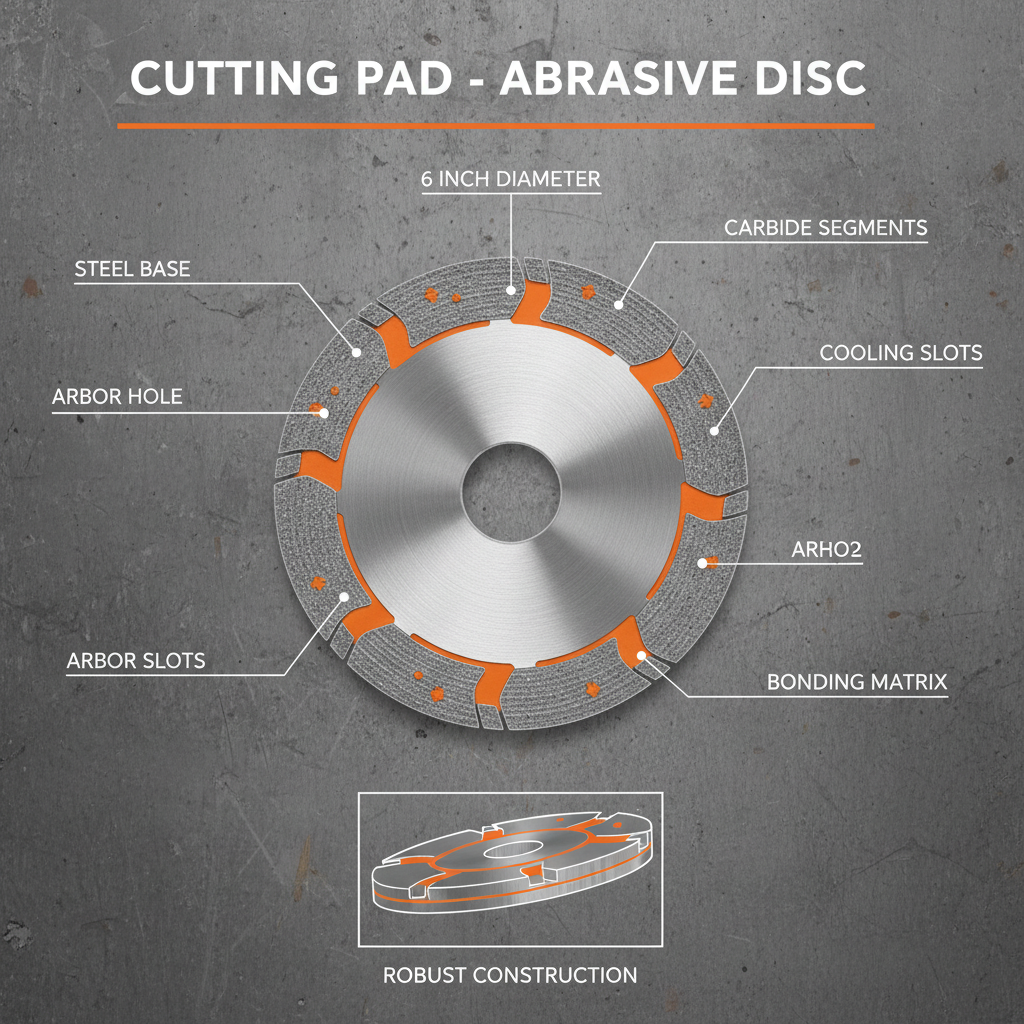
What is a 6 Inch Cutting Pad and Why Choose It?
A 6 inch cutting pad is a specialized tool used with rotary or dual-action (DA) polishers. Its purpose is to remove imperfections like scratches, swirl marks, and oxidation from a surface, typically automotive paint, but also applicable to gel coat, plastics, and even stone. The 6-inch size strikes an excellent balance – it’s large enough to cover substantial areas quickly, yet maneuverable enough for detailed work. Choosing a 6-inch pad over larger or smaller sizes often depends on the vehicle size and the complexity of the correction needed. It’s an industry standard size for many professional detailers, offering optimal versatility. My Diamond Blade provides a range of high-quality cutting pads to suit various needs.
Key Benefits: Offers a balance between coverage area and maneuverability, making it suitable for a wide range of polishing tasks. It’s often the preferred size for professionals due to its versatility and efficiency.
Different Types of 6 Inch Cutting Pads
6 inch cutting pads aren’t one-size-fits-all. They come in varying levels of aggressiveness, categorized primarily by the foam density and nap length (the length of the fibers). Here’s a breakdown:
- Foam Cutting Pads: These are the most common type, offering a good balance of cutting power and finish quality.
- Microfiber Cutting Pads: More aggressive than foam, microfiber pads excel at removing heavy imperfections but can leave more marring, requiring a follow-up polishing step.
- Wool Cutting Pads: The most aggressive option, wool pads are used for severe paint correction and are typically reserved for experienced users.
Pad Aggressiveness Guide:
• Light Cutting: Finishing Foam Pads
• Medium Cutting: Medium Foam/Microfiber Pads
• Heavy Cutting: Wool/Aggressive Microfiber Pads
6 Inch Cutting Pad: Material Comparison
Choosing the right material for your 6 inch cutting pad depends on your specific needs and the severity of the imperfections you're addressing. Here’s a comparison to help you decide:
How to Choose the Right 6 Inch Cutting Pad
Selecting the appropriate 6 inch cutting pad depends on several factors, including the paint type, the severity of the imperfections, and your experience level. Here's a guide:
- Paint Hardness: Softer paints require less aggressive pads, while harder paints can handle more.
- Imperfection Severity: Light scratches and swirl marks can be addressed with a finishing or light-cutting foam pad. Deep scratches and oxidation necessitate a microfiber or wool pad.
- Polisher Type: Rotary polishers generate more heat and cutting power, so pairing them with a less aggressive pad is often recommended. Dual-action polishers are more forgiving and can handle slightly more aggressive pads.
- Experience Level: Beginners should start with foam pads and gradually work their way up to more aggressive options as they gain experience.
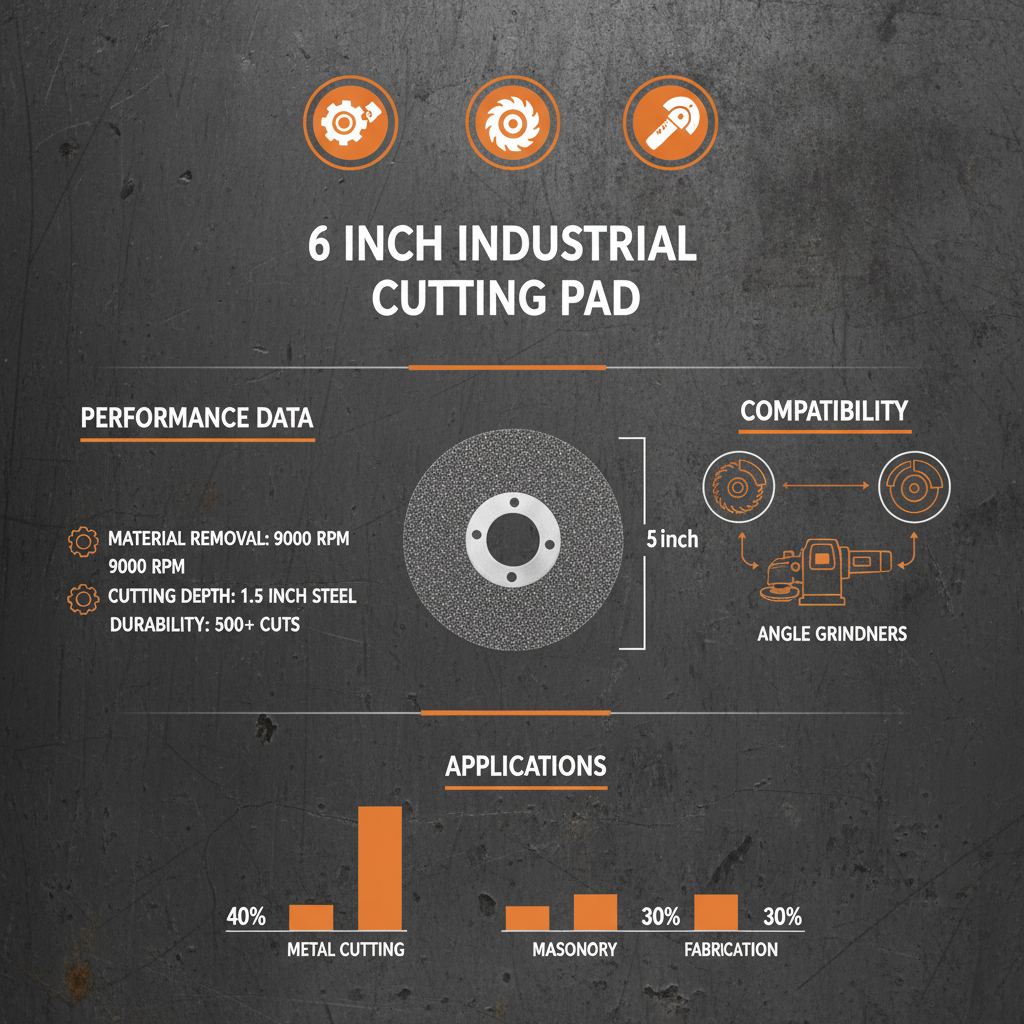
Maintaining Your 6 Inch Cutting Pad
Proper maintenance extends the life of your 6 inch cutting pad. After each use, thoroughly clean the pad with a pad cleaning brush and pad conditioner to remove polish residue and restore the nap. Allow the pad to air dry completely before storing it. Regularly inspect the pad for signs of wear and tear and replace it when it becomes overly saturated or damaged. My Diamond Blade offers a range of cleaning and maintenance products to keep your pads in optimal condition.
Conclusion: Choosing the Right 6 Inch Cutting Pad for Success
Investing in the right 6 inch cutting pad is crucial for achieving professional polishing results. By understanding the different types, materials, and maintenance requirements, you can select the perfect pad for your needs and ensure a flawless finish. Don't compromise on quality – choose a pad that will deliver performance and durability.
Frequently Asked Questions (FAQs)
How often should I replace my 6 inch cutting pad?
The lifespan of a cutting pad varies depending on usage and material. Foam pads typically last for 20-30 polishing sessions with proper cleaning. Microfiber and wool pads may last less, around 10-20 sessions. Signs it’s time for a replacement include a hardened or uneven surface, difficulty cleaning, or reduced cutting performance. Regularly inspect your pad for wear and tear to ensure optimal results.
What polishing compounds are best used with a 6 inch cutting pad?
The best compound depends on the pad’s aggressiveness. For foam pads, use a medium-cut compound. For microfiber pads, a heavy-cut compound is appropriate. Wool pads pair well with even more aggressive compounds designed for severe correction. Always follow the compound manufacturer’s instructions and test on an inconspicuous area first.
Can I use a 6 inch cutting pad on different surfaces besides paint?
Yes! 6 inch cutting pads are versatile. They can be used on gel coat (boats, RVs), fiberglass, plastics, and even certain types of stone. However, you may need to adjust the compound and technique based on the surface material. Always test in an inconspicuous area first to ensure compatibility.
What is the proper speed setting for a 6 inch cutting pad?
The optimal speed depends on your polisher type and the pad's aggressiveness. Generally, start with a lower speed (1500-2500 RPM for DA polishers, 1200-1800 RPM for rotary polishers) and gradually increase it as needed. Avoid excessive heat buildup, and always work in a controlled manner.
Related Products
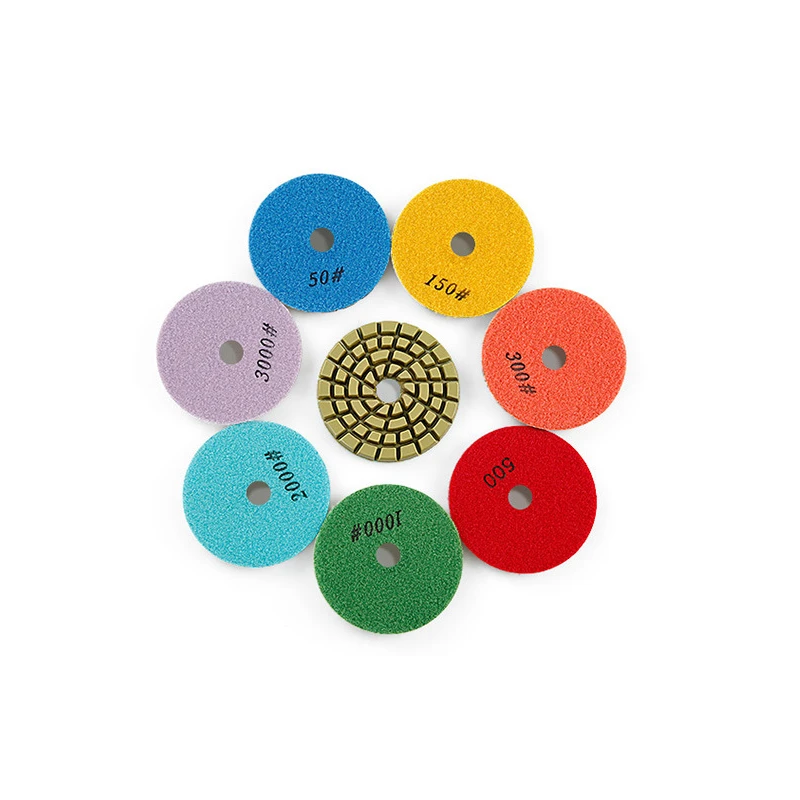
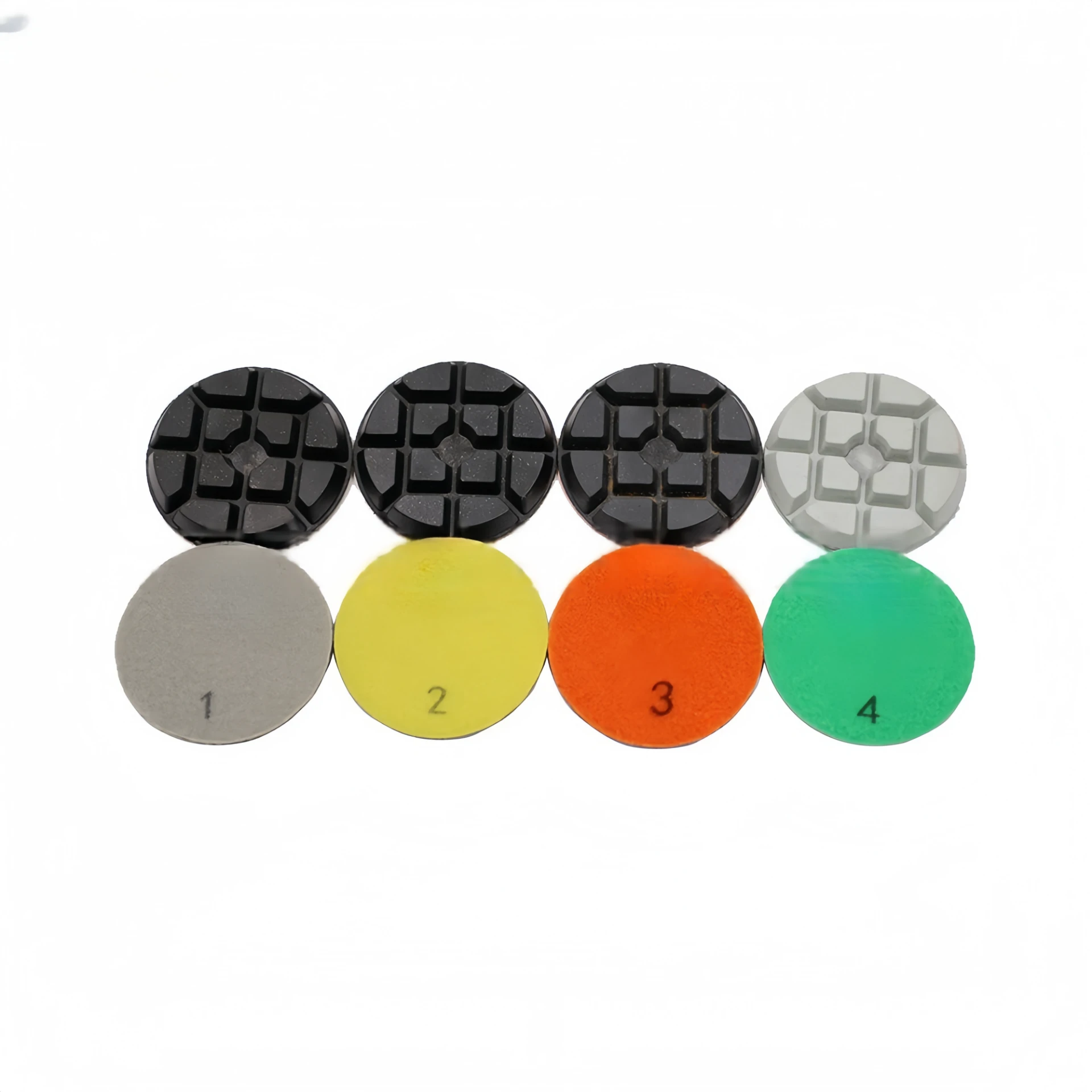
Related Products





Address
No.30 Gaoying Road ,Chang'an District,Shijiazhuang,Hebei Province
Business Hours
Mon to Saturday : 8.00 am - 7.00 pm
Sunday & Holidays : Closed
.png )