Comprehensive Guide to Choosing Stone Polishing Pads for Angle Grinder
Choosing the Right Stone Polishing Pads for Angle Grinder
Achieving a flawless, polished surface on stone, concrete, or tile often hinges on selecting the right stone polishing pads for angle grinder. With a vast array of grits, bonding types, and pad materials available, it's easy to feel overwhelmed. This guide will break down the essential factors to consider, ensuring you choose the optimal pads for your specific project. Properly chosen pads not only enhance the aesthetic appeal of your work but also contribute to efficiency and longevity. MyDiamondBlade.com offers a wide selection to suit any need.
Understanding the Different Types of Stone Polishing Pads
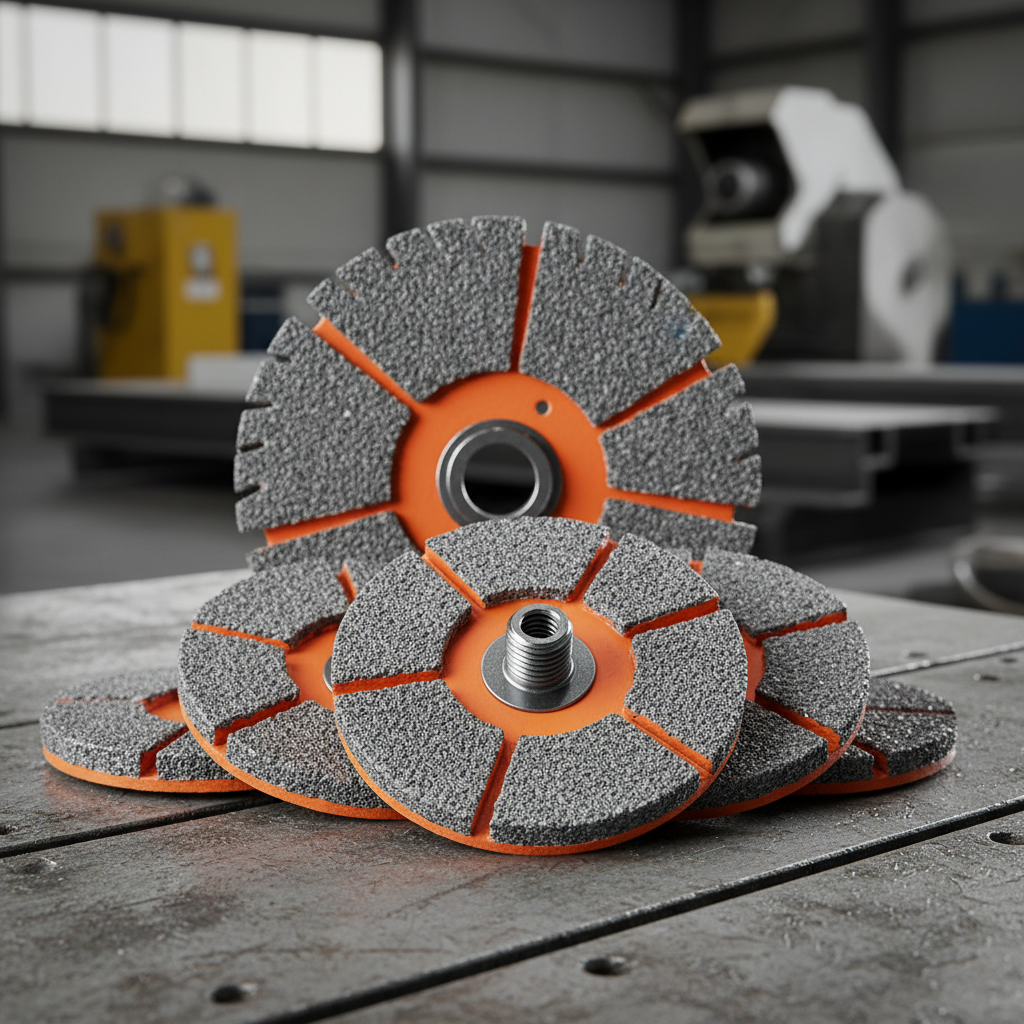
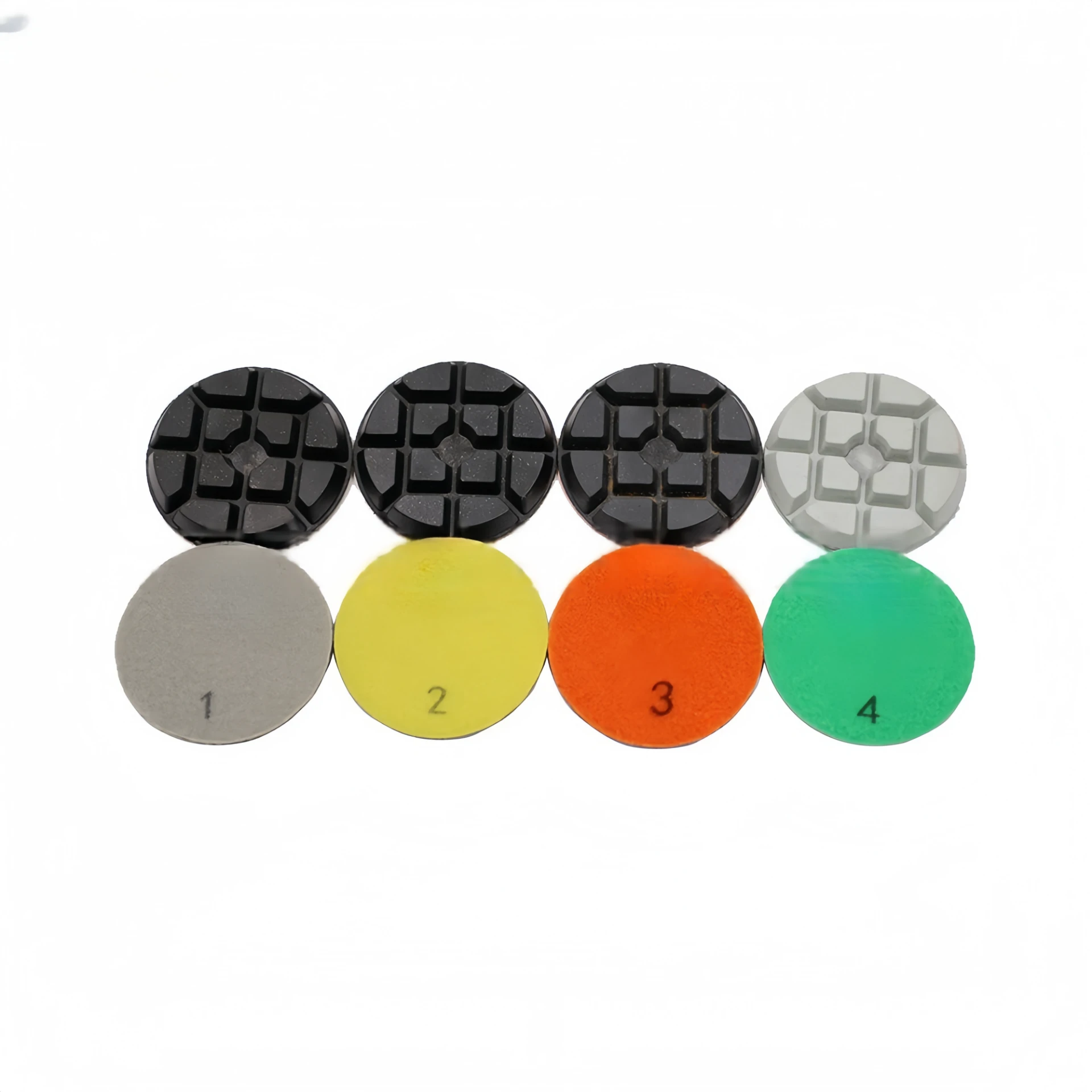
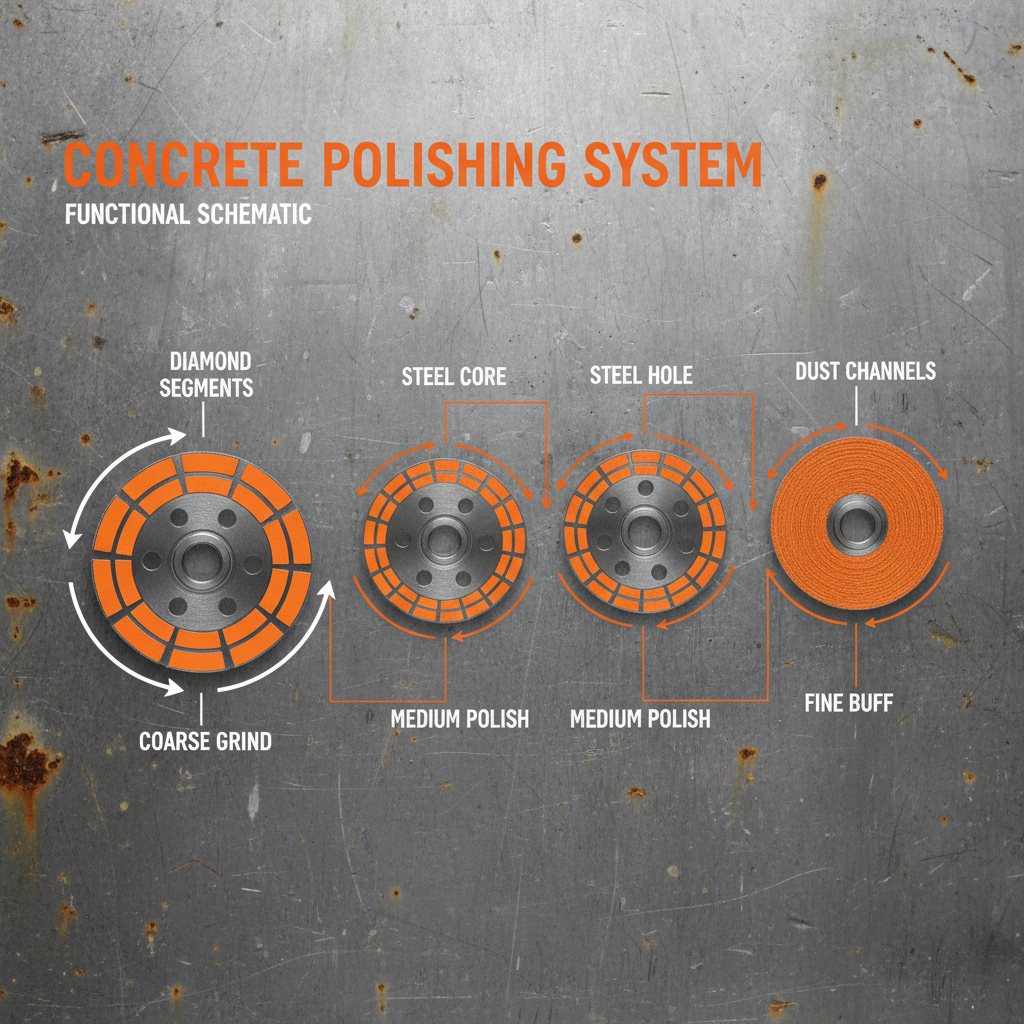
Stone polishing pads come in a variety of materials, each suited for different stone types and desired levels of polish. Diamond pads are the most common and versatile, offering excellent cutting power and longevity. Resin pads, often color-coded, are preferred for achieving a high-gloss finish on natural stone like marble and granite. Ceramic bonded pads are ideal for aggressive material removal and concrete polishing. It’s important to match the pad material to the stone being polished for optimal results. Explore the range at MyDiamondBlade.com to find the perfect match for your project.
Key Takeaway: Choosing the right material (Diamond, Resin, Ceramic) is crucial for the type of stone and the level of polish you want to achieve.
Grit Selection: A Step-by-Step Approach
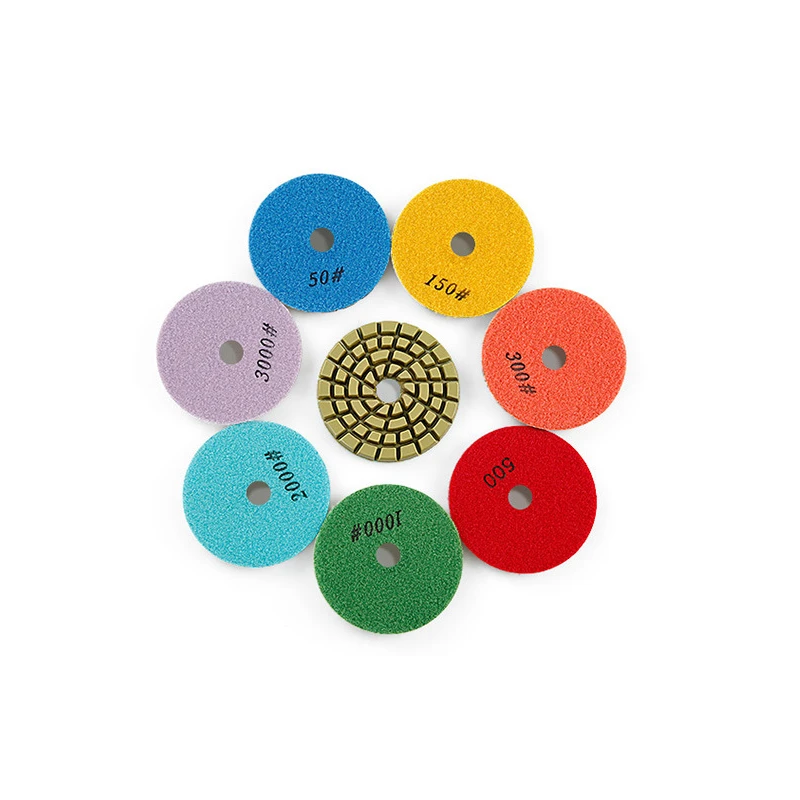
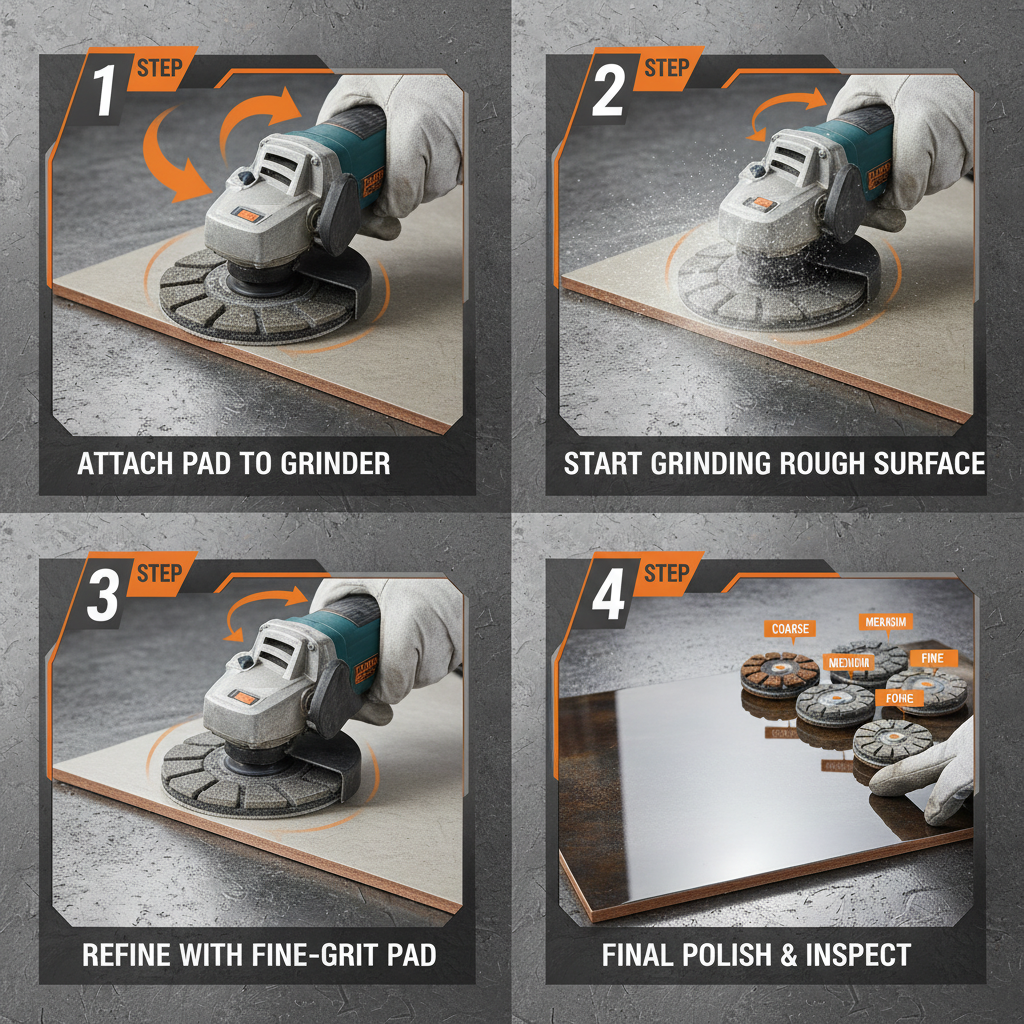
The grit number indicates the size of the abrasive particles. Lower grit numbers (e.g., 30, 50) are more aggressive, used for initial material removal and leveling. As you progress, you'll move to higher grit numbers (e.g., 100, 200, 400, 800, 1500, 3000) to refine the surface and achieve a polished sheen. A typical polishing process involves starting with a coarse grit and gradually working your way up to finer grits. Skipping grits can lead to scratches and an uneven finish. Always follow the manufacturer's recommended grit sequence for best results.
Typical Polishing Grit Sequence:
• 30/50 Grit: Initial grinding and leveling
• 100/200 Grit: Removing scratches from the coarse grit
• 400/800 Grit: Refining the surface
• 1500/3000 Grit: Achieving a high-gloss polish
Diamond Polishing Pads vs. Resin Polishing Pads
While both diamond and resin polishing pads are effective, they serve distinct purposes. Diamond pads are highly durable and excel at removing material quickly. They’re ideal for harder stones like granite and engineered quartz. Resin pads, on the other hand, are softer and designed to create a mirror-like finish on softer stones like marble and limestone. Resin pads typically require a wet polishing process to prevent overheating and damage. Understanding these differences is essential for achieving optimal results.
Considerations for Angle Grinder Attachment
The backing pad for your angle grinder is equally important. Choose a backing pad that is compatible with your grinder and the polishing pads you've selected. Velcro-backed pads are the most common, allowing for easy pad changes. Ensure the backing pad is clean and free of debris to maintain optimal adhesion. Also, verify the pad’s RPM rating matches your angle grinder’s maximum speed.
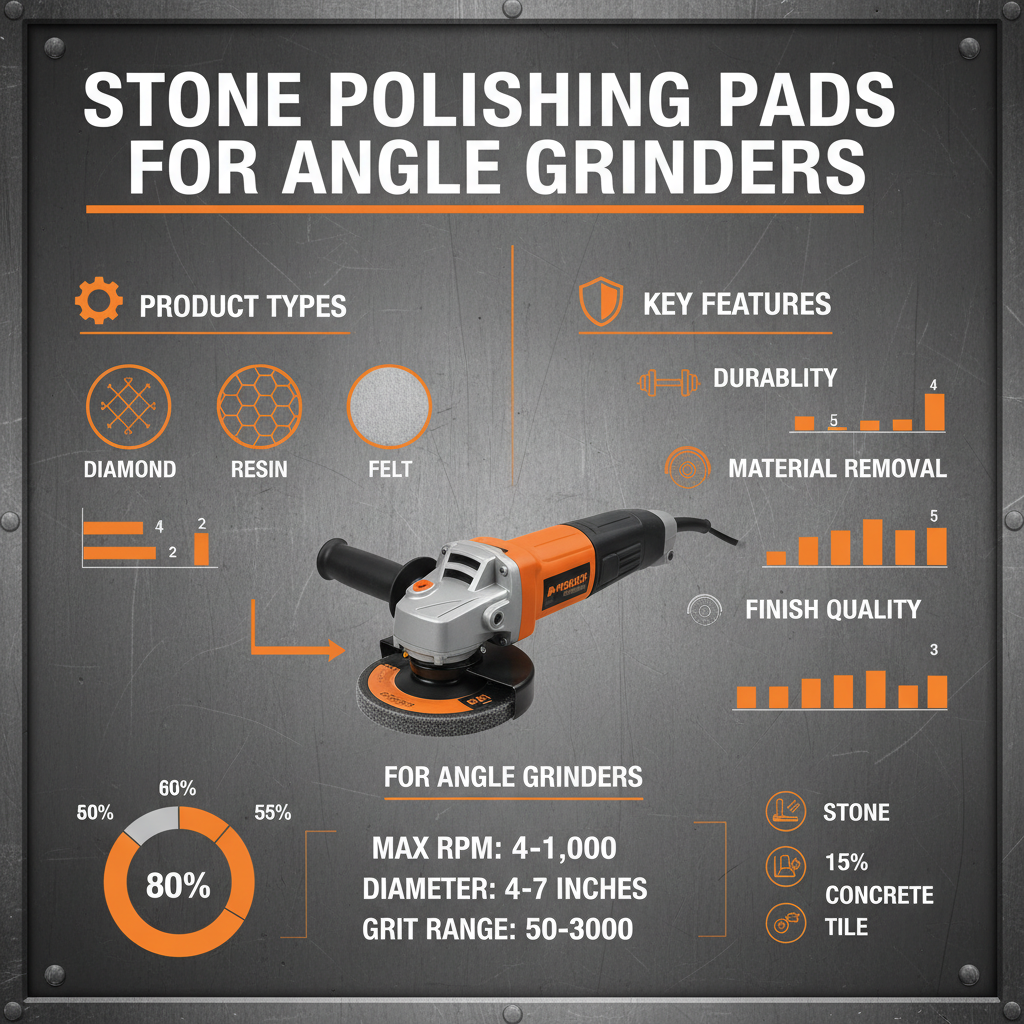
Product Specifications: Diamond Polishing Pad Set
Here’s a typical specification sheet for a popular diamond polishing pad set available at MyDiamondBlade.com:
Conclusion: Polishing Success with the Right Pads
Selecting the ideal stone polishing pads for angle grinder is crucial for achieving professional results. By understanding the different pad types, grit sequences, and considerations for your angle grinder, you can confidently tackle any polishing project. MyDiamondBlade.com provides a comprehensive selection of high-quality pads to meet all your needs.
Frequently Asked Questions (FAQs)
How do I know which grit to start with?
The starting grit depends on the condition of the stone. If the stone is heavily scratched or uneven, begin with a coarse grit like 30 or 50. For relatively smooth surfaces, you can start with 100. Always assess the surface and choose a grit that will effectively remove imperfections without causing further damage. It's better to start conservatively and move to a coarser grit if needed. Remember to follow the recommended grit sequence for optimal results.
Do I need to use water when polishing?
Yes, most stone polishing pads require the use of water. Water acts as a coolant, preventing the pad from overheating and reducing dust. It also helps to carry away swarf (removed material) and creates a smoother finish. Resin pads specifically require a constant supply of water to function effectively. Diamond pads can be used wet or dry, but wet polishing is generally recommended for improved results and longevity.
How often should I replace my polishing pads?
The lifespan of your polishing pads depends on usage and the type of stone being polished. Diamond pads will generally last longer than resin pads. Replace pads when they become worn, clogged, or lose their cutting efficiency. Signs of wear include reduced polishing speed, uneven finishes, and visible damage to the pad surface. Regularly cleaning the pads can extend their lifespan.
Related Products
Related Products





Address
No.30 Gaoying Road ,Chang'an District,Shijiazhuang,Hebei Province
Business Hours
Mon to Saturday : 8.00 am - 7.00 pm
Sunday & Holidays : Closed
.png )