Maximize Polishing Results with Premium 5 Inch Diamond Polishing Pads
Choosing the Right 5 Inch Diamond Polishing Pads for Superior Results
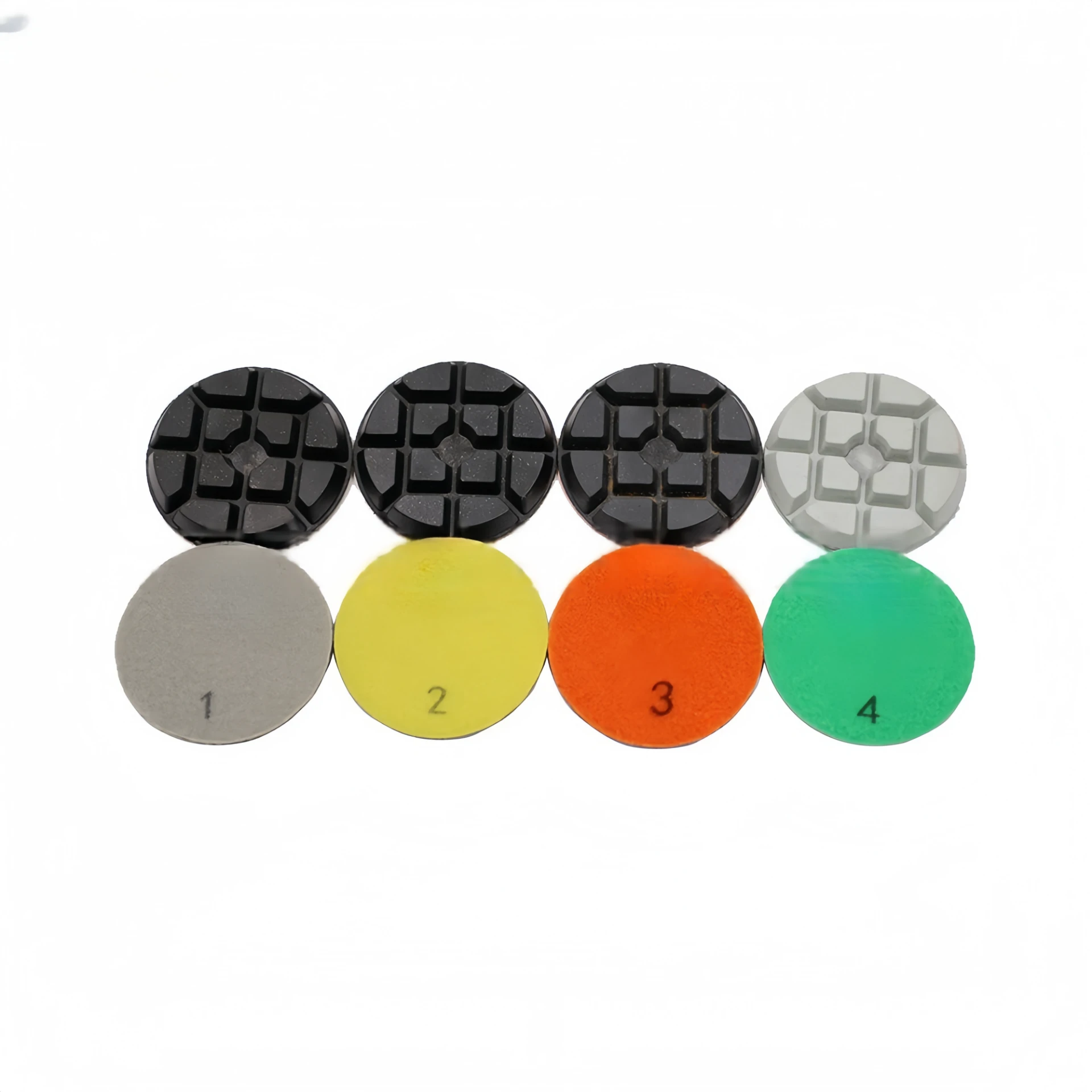
Achieving a flawless, polished surface requires the right tools, and among those, 5 inch diamond polishing pads are indispensable. These pads are crucial for professionals and DIY enthusiasts alike, offering versatility and efficiency in various applications, from concrete and stone to tile and glass. Selecting the appropriate grit sequence and pad type can significantly impact the final result. This article will delve into the world of 5 inch diamond polishing pads, covering their uses, benefits, types, and how to choose the best ones for your specific needs.
Understanding the Applications of 5 Inch Diamond Polishing Pads
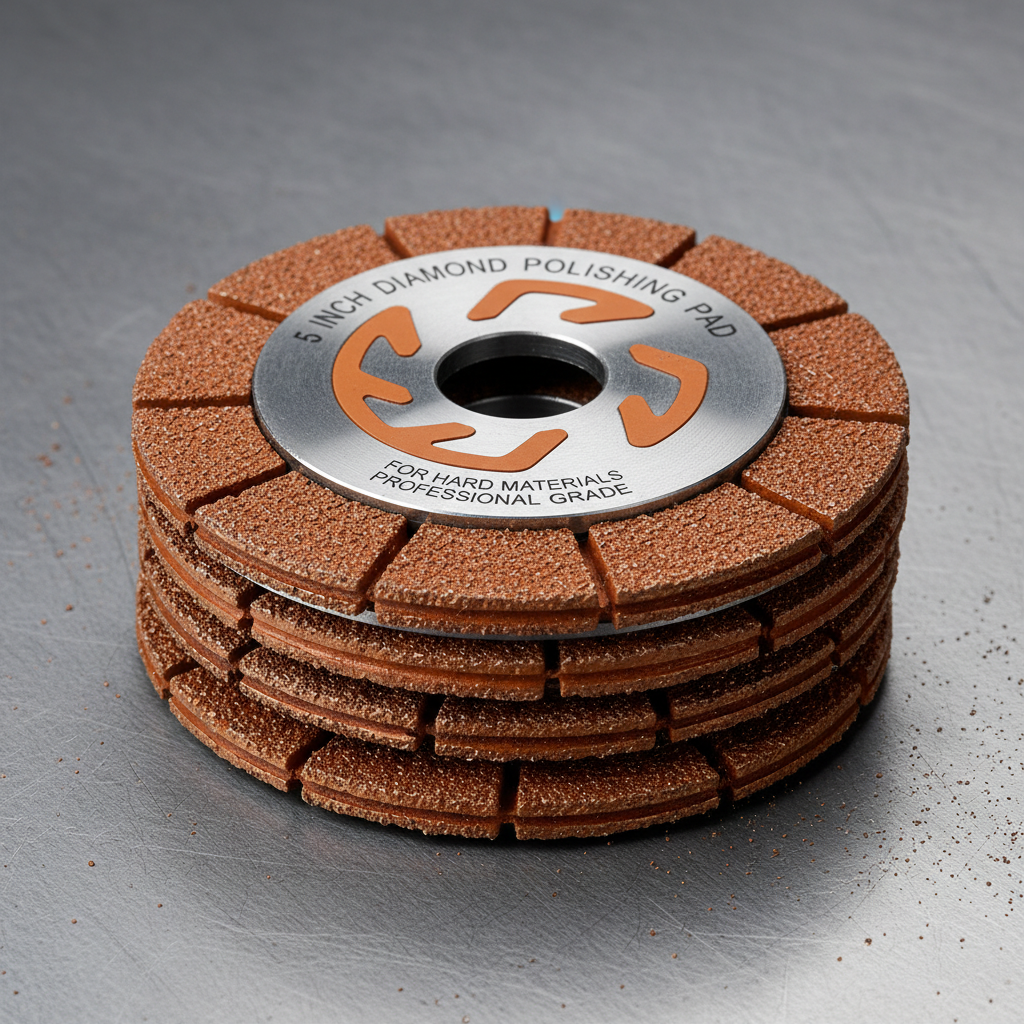
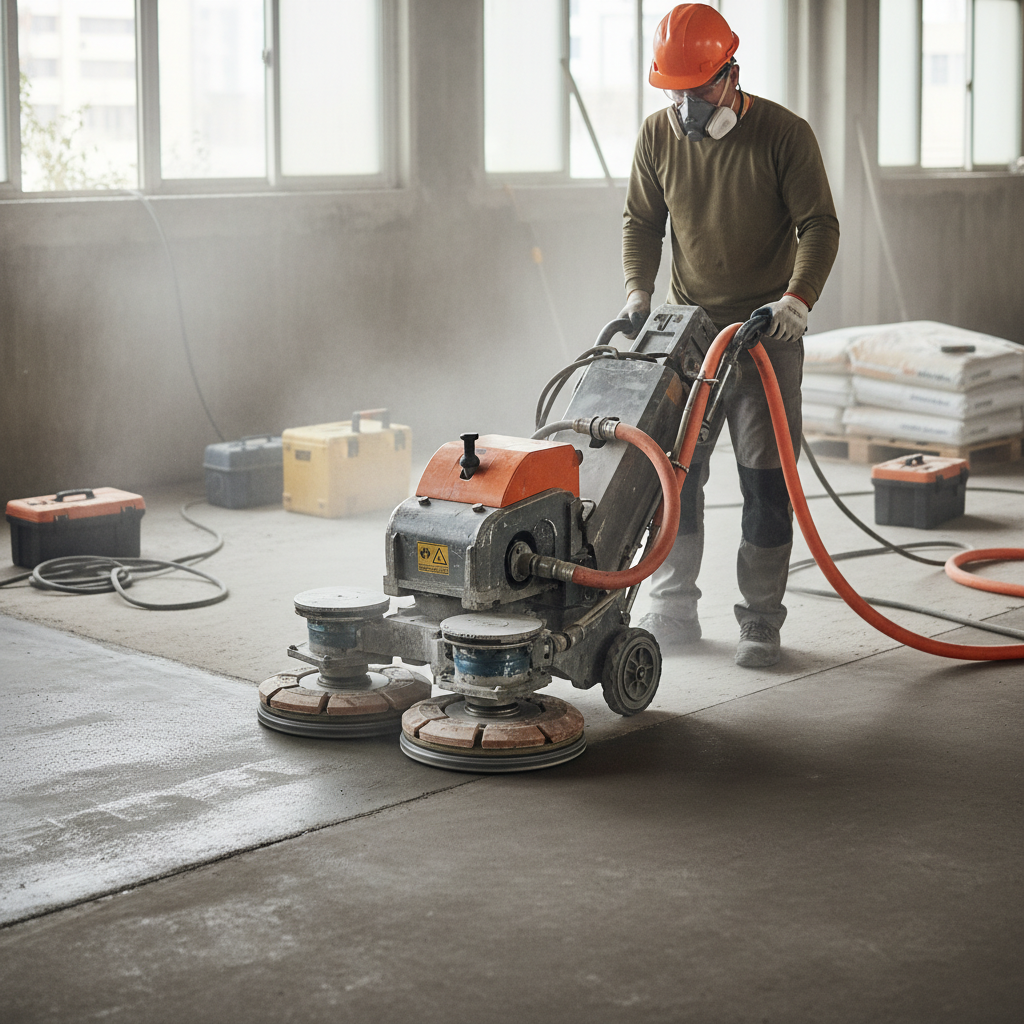
5 inch diamond polishing pads are incredibly versatile, used across a broad range of industries and projects. They are commonly employed in concrete polishing to create durable, aesthetically pleasing floors in commercial and residential settings. Stone fabricators rely on them for polishing countertops, vanities, and other stone surfaces. Tile installers use these pads to refine and polish tile edges and surfaces. Beyond these primary uses, they also find application in glass polishing, marble restoration, and even automotive detailing. The ability to achieve a high-gloss finish with minimal effort makes them a favored choice for professionals.
Key Highlights: Versatile tools used for concrete polishing, stone fabrication, tile installation, glass polishing, marble restoration, and automotive detailing. Achieving a high-gloss finish with minimal effort.
Types of 5 Inch Diamond Polishing Pads Available
Diamond polishing pads aren’t one-size-fits-all. They come in various types designed for specific materials and applications. MyDiamondBlade.com offers a comprehensive range, including:
- Wet Polishing Pads: These pads are used with water to cool the surface and reduce dust, resulting in a smoother finish.
- Dry Polishing Pads: Designed for dry applications, these pads often feature a more aggressive grit to compensate for the lack of water cooling.
- Resin Bonded Pads: Ideal for concrete polishing, these pads offer excellent durability and a consistent scratch pattern.
- Metal Bonded Pads: Used for aggressive material removal, typically in the initial stages of concrete polishing.
- Ceramic Bonded Pads: Provide a high-quality polish and are often used for marble and granite.
Understanding Grit Sequence and How to Choose
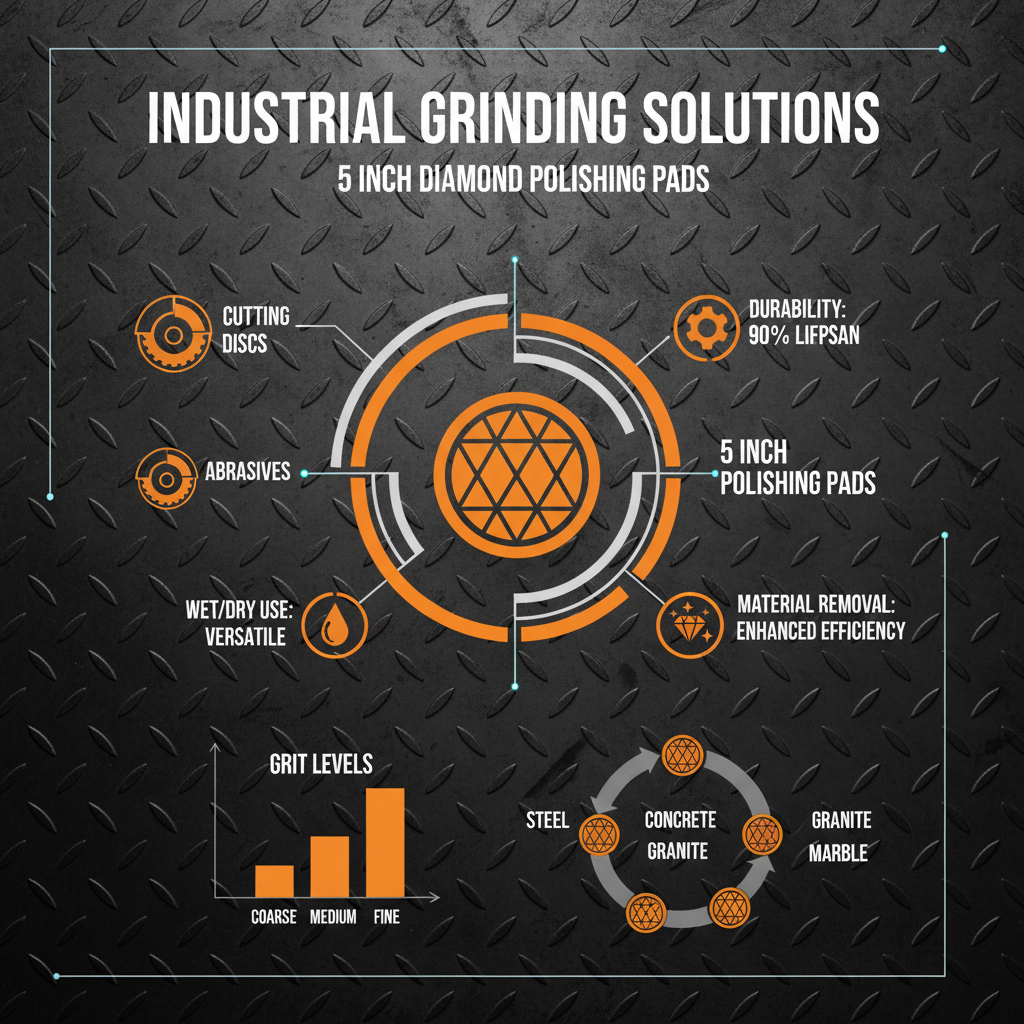
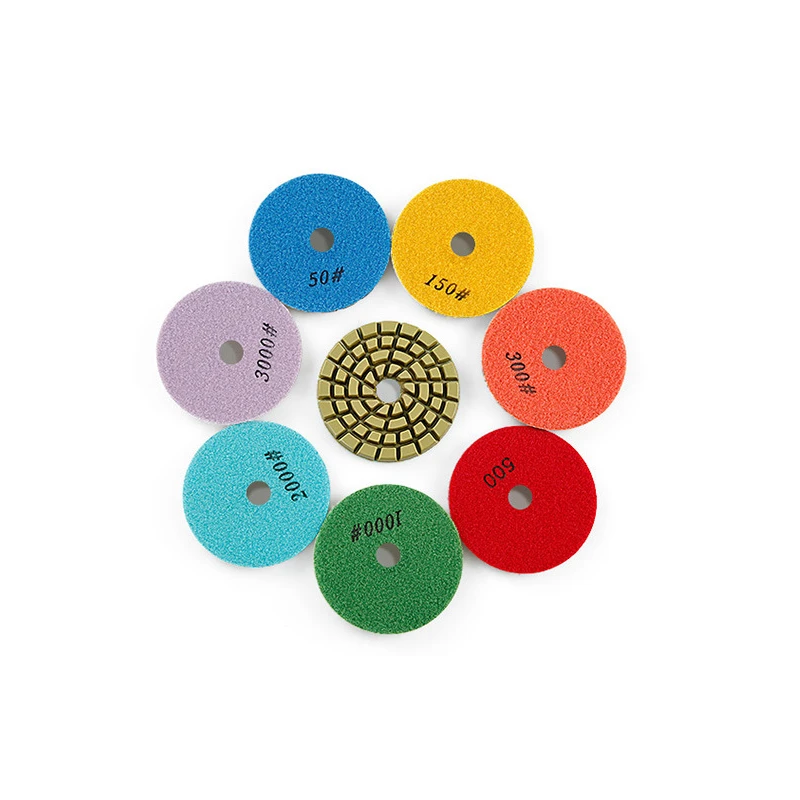
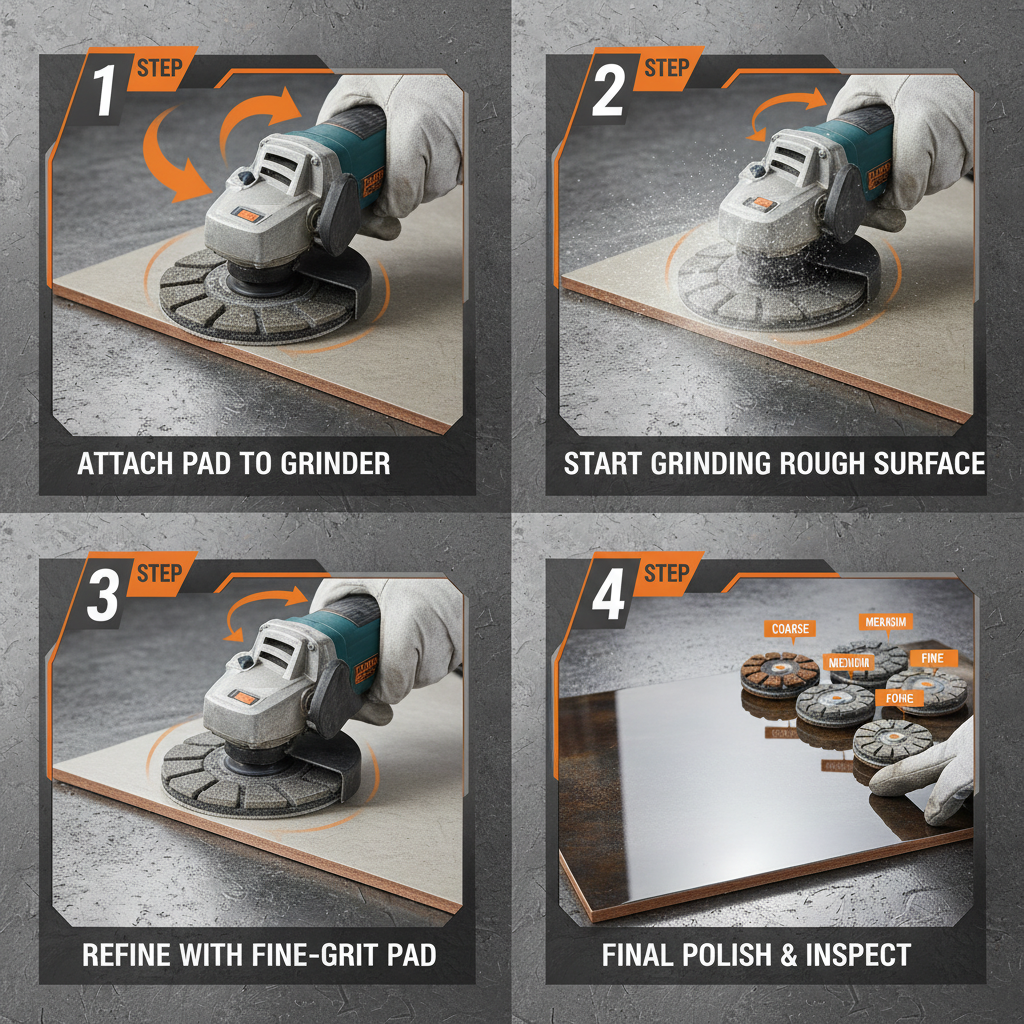
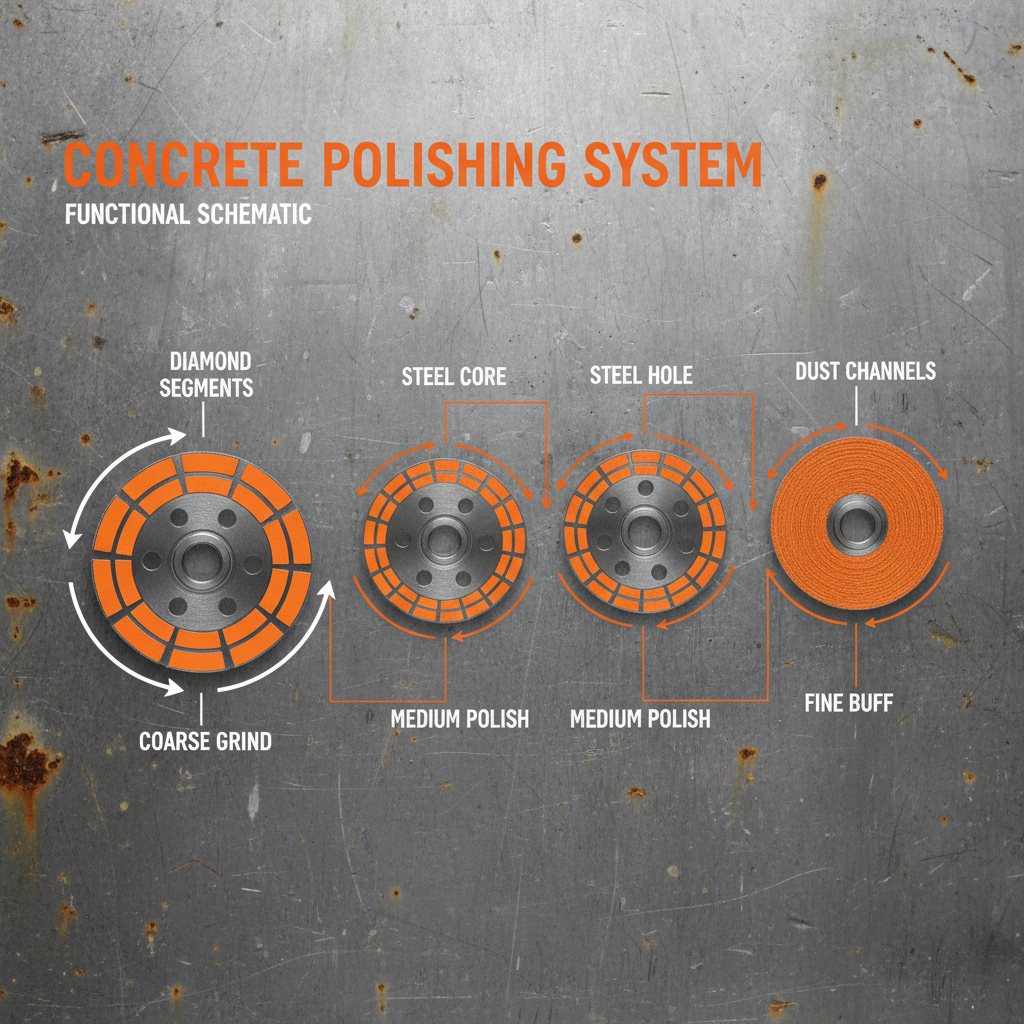
The grit sequence is crucial for achieving a professional-quality polish. It involves starting with a coarse grit to remove imperfections and gradually progressing to finer grits to refine the surface. A typical sequence for concrete polishing might include 30, 50, 100, 200, 400, 800, 1500, and 3000 grit pads. Selecting the right grit depends on the material's hardness and the desired level of polish. Softer materials require a gentler approach with finer grits, while harder materials can tolerate more aggressive grits. Starting with too coarse a grit can lead to deep scratches that are difficult to remove.
Grit Selection Guide:
• Coarse (30-50 grit): Aggressive material removal, repairing damaged surfaces.
• Medium (100-200 grit): Removing moderate imperfections and preparing for finer polishing.
• Fine (400-800 grit): Refining the surface and creating a smooth, even texture.
• Very Fine (1500-3000 grit): Achieving a high-gloss, polished finish.
Comparing 5 Inch Diamond Polishing Pads: Resin vs. Ceramic
Choosing between resin and ceramic bonded pads depends largely on the material you’re working with. Resin pads are highly flexible and excel at concrete polishing, offering a consistent scratch pattern and long lifespan. Ceramic pads, on the other hand, are more rigid and provide a superior polish on harder stones like marble and granite. They’re less forgiving than resin pads, requiring more skill to operate effectively. Here’s a quick comparison:
Maintaining Your 5 Inch Diamond Polishing Pads
Proper maintenance extends the lifespan of your diamond polishing pads and ensures optimal performance. Always clean pads thoroughly after each use to remove debris and slurry. For wet polishing pads, soaking them in clean water overnight can help restore their cutting ability. Store pads in a dry, cool place away from direct sunlight. Inspect pads regularly for wear and tear, and replace them when they become dull or damaged. Investing in quality pads and maintaining them properly will save you time and money in the long run. Explore our range of pads to find the perfect solution for your project.
Conclusion: Achieve Professional Results with the Right Polishing Pads
Investing in high-quality 5 inch diamond polishing pads is essential for achieving professional-grade results in any polishing application. By understanding the different types of pads, grit sequences, and maintenance practices, you can select the right tools for your needs and ensure a flawless, long-lasting finish. Don't settle for subpar results – choose quality and precision with MyDiamondBlade.com.
Frequently Asked Questions (FAQs)
What’s the difference between wet and dry polishing pads?
Wet polishing pads are used with water to keep the surface cool and reduce dust, leading to a smoother finish and longer pad life. They are ideal for applications where dust control is crucial and for materials sensitive to heat. Dry polishing pads, on the other hand, are used without water and often have a more aggressive grit to compensate. They’re suitable for smaller projects or where water access is limited. However, dry polishing generates more dust and can wear out pads faster. Choosing between wet and dry depends on your project requirements and preferences.
How often should I replace my diamond polishing pads?
The lifespan of diamond polishing pads varies depending on usage, material hardness, and maintenance. Generally, you'll need to replace them when you notice a significant decrease in cutting performance or if the pads become heavily worn or damaged. Regularly inspect your pads for cracks, glazing, or loss of diamond grit. It's also a good practice to rotate your pads during use to distribute wear evenly. Using a pad preserver can help prolong their life.
Can 5 inch diamond polishing pads be used with a handheld grinder?
Yes, 5 inch diamond polishing pads are commonly used with handheld grinders. However, it's crucial to use a grinder with variable speed control and to select the appropriate speed for the material and pad type. Always ensure the grinder is equipped with a backing pad designed for diamond polishing pads. Using the correct RPM is crucial for optimal performance and prevents damage to the pads and the surface you're polishing.
Related Products
Related Products





Address
No.30 Gaoying Road ,Chang'an District,Shijiazhuang,Hebei Province
Business Hours
Mon to Saturday : 8.00 am - 7.00 pm
Sunday & Holidays : Closed
.png )