Maximize Shine with Premium Diamond Grit Polishing Pads for Superior Results
Diamond Grit Polishing Pads: A Comprehensive Guide
Achieving a flawless, mirror-like finish on stone, concrete, or tile surfaces relies heavily on the quality of your polishing tools. Diamond grit polishing pads are the cornerstone of professional stone restoration and concrete polishing. This article will explore the benefits, applications, grit selection, and best practices for utilizing these essential tools. We’ll dive deep into how to choose the right pads for your project and how to maximize their lifespan. MyDiamondBlade.com offers a wide selection of high-quality diamond polishing pads to meet all your needs.

Understanding Diamond Grit Polishing Pads
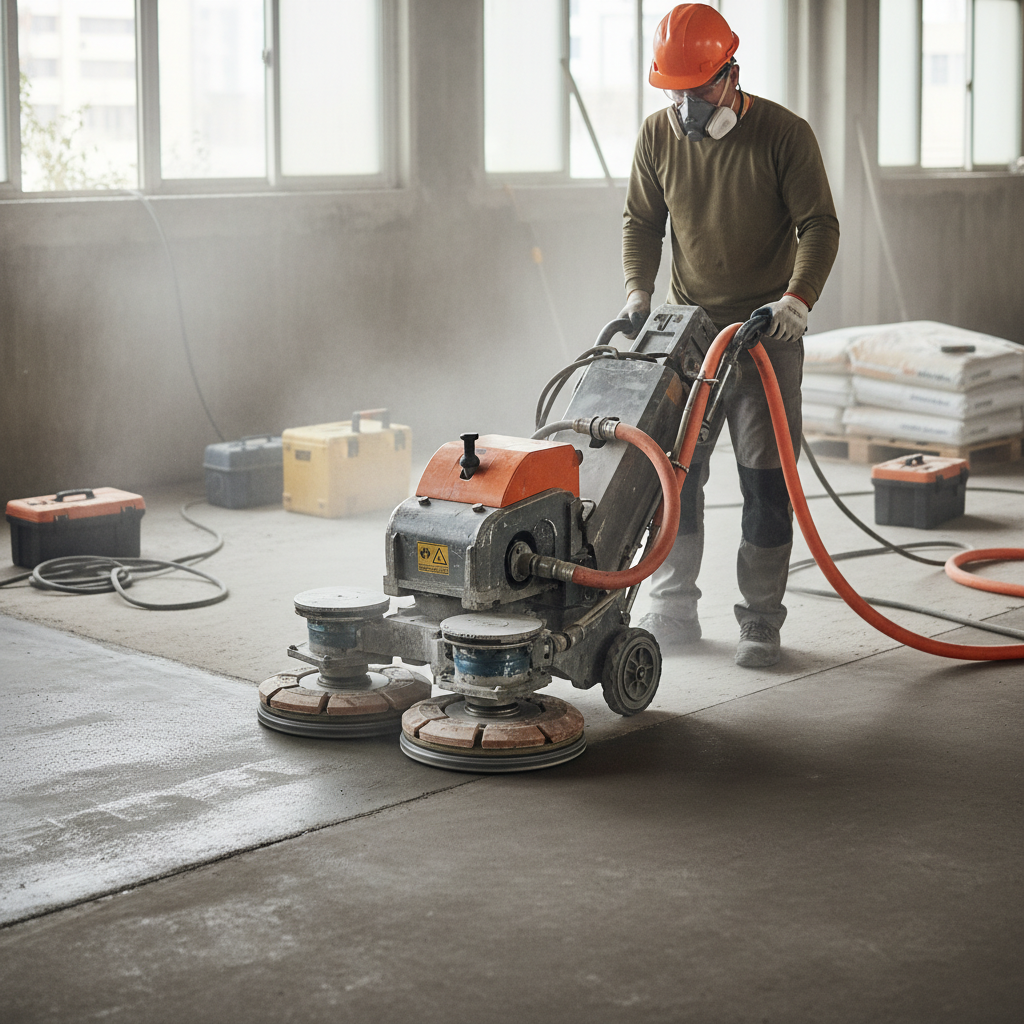
Diamond grit polishing pads are abrasive tools used to grind, hone, and polish various hard surfaces. They consist of industrial-grade diamonds bonded to a backing material, typically resin, metal, or Velcro. The diamonds act as cutting agents, removing small layers of the material surface with each pass. This process gradually refines the surface, increasing its reflectivity and smoothness. Unlike traditional abrasive pads, diamond pads offer superior durability, consistent performance, and a longer lifespan. They are ideal for both large-scale commercial projects and smaller DIY endeavors.
Key Benefits: Superior durability, consistent performance, longer lifespan, versatility across materials, and the ability to achieve a high-gloss finish.
Choosing the Right Diamond Grit: A Step-by-Step Guide
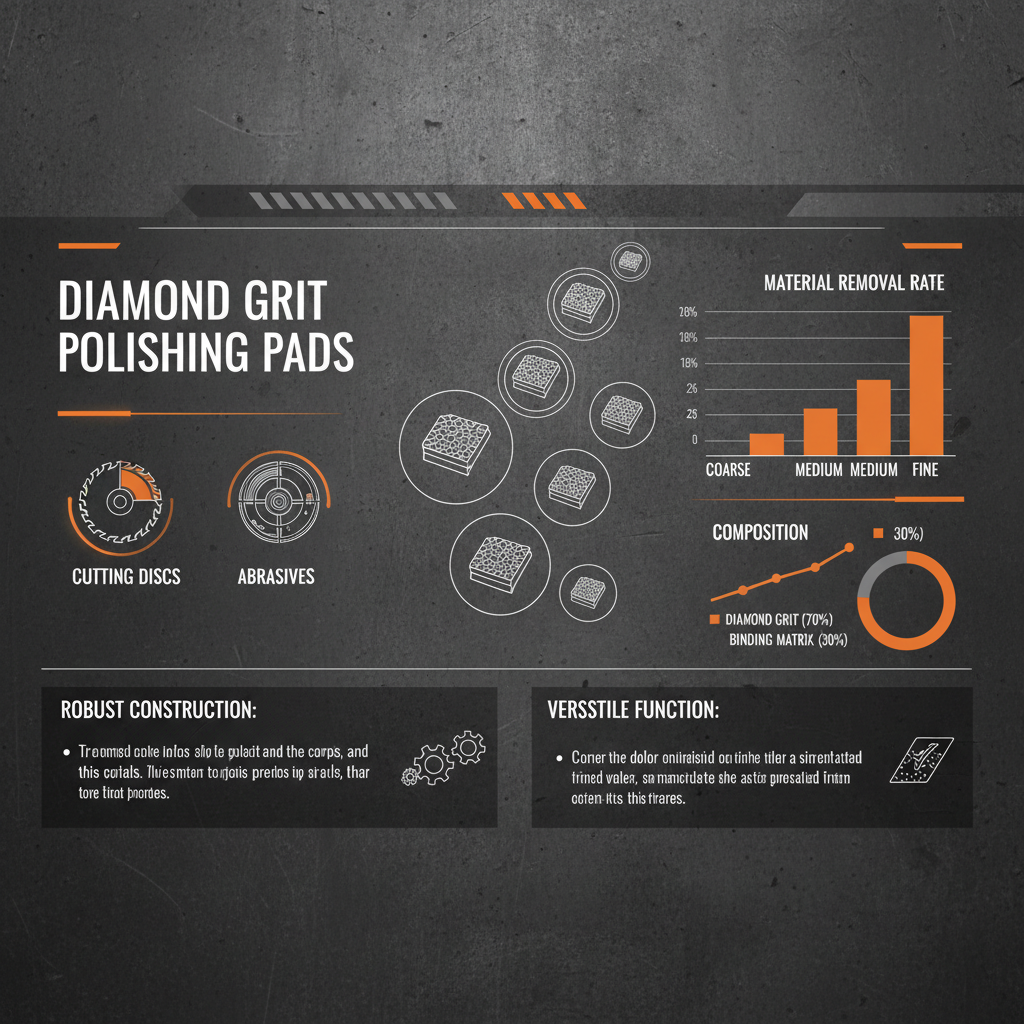
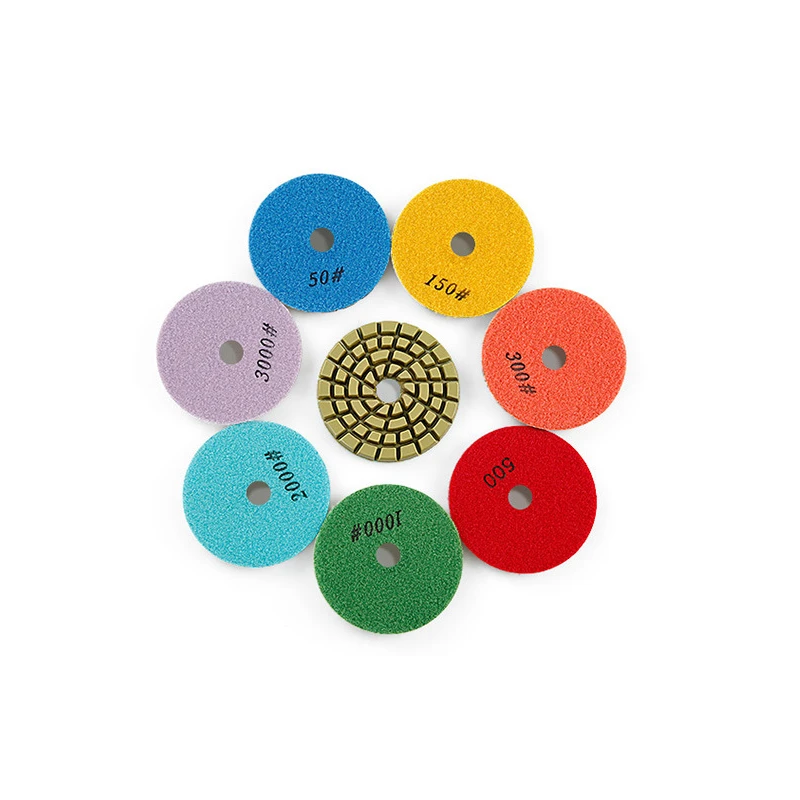
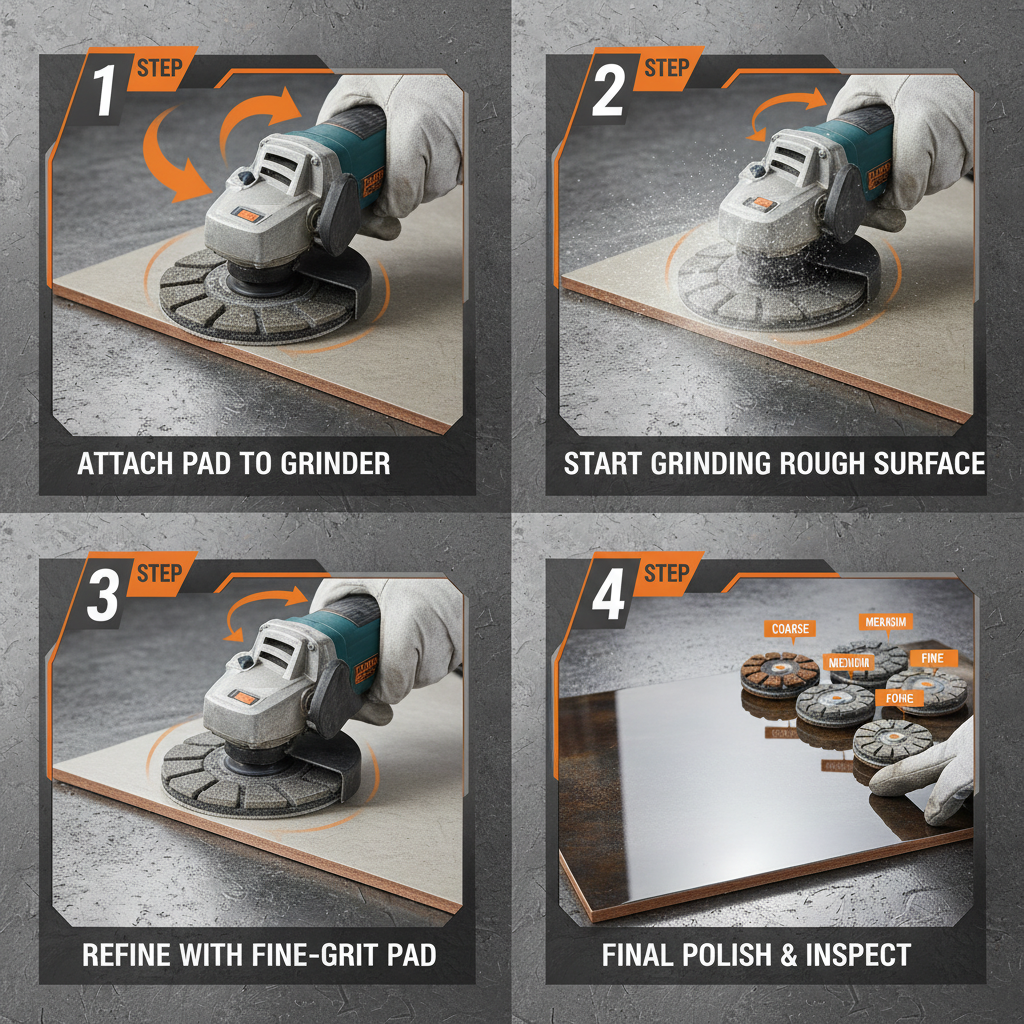
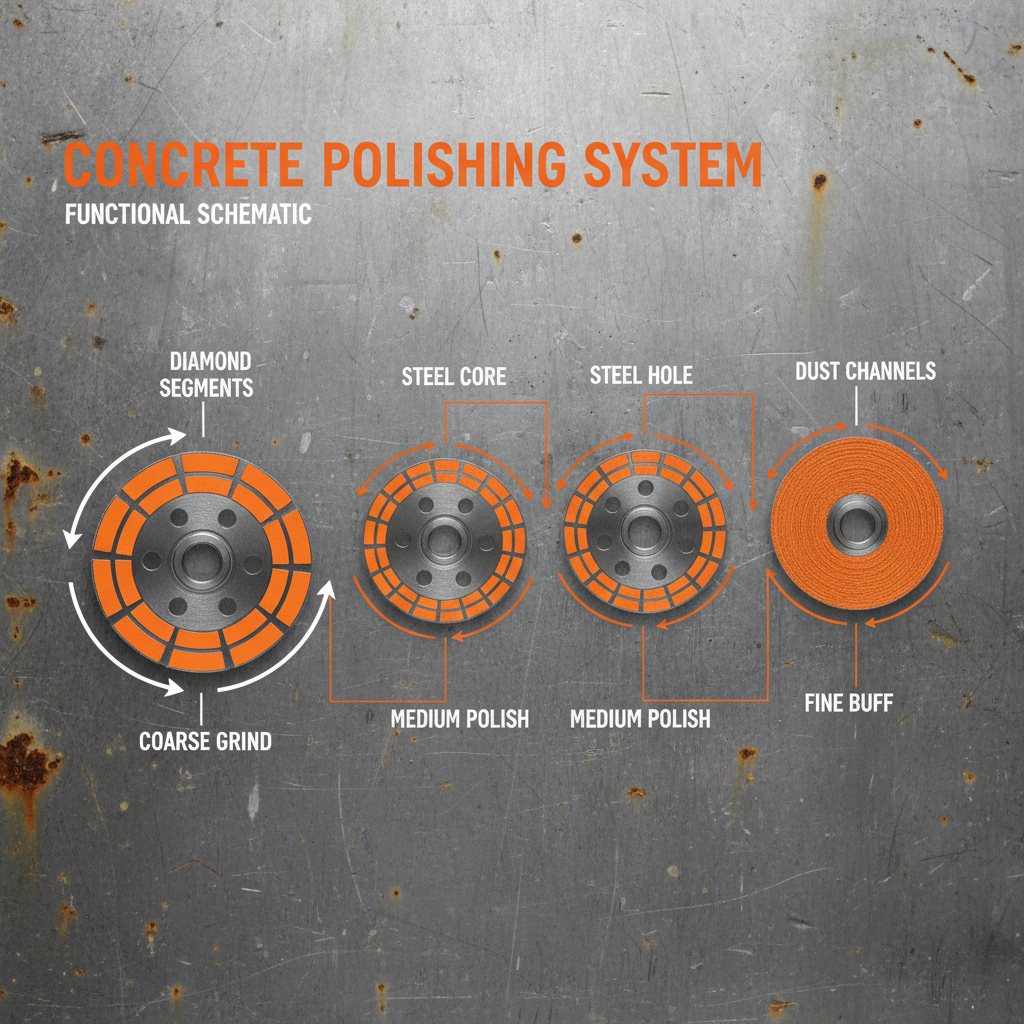
Selecting the appropriate diamond grit is crucial for achieving the desired results. The grit number indicates the size of the diamond particles; lower numbers represent coarser grits for aggressive material removal, while higher numbers indicate finer grits for polishing. A typical polishing sequence involves progressing through a series of grits, starting with coarse grits to remove scratches and imperfections, and gradually moving to finer grits to achieve a polished sheen. MyDiamondBlade.com offers complete polishing kits with a curated selection of grits for various stone types.
Grit Selection Guide:
• Coarse Grits (30-50): For initial grinding and removing significant imperfections.
• Medium Grits (80-150): For honing and removing scratches from coarse grits.
• Fine Grits (200-400): For refining the surface and preparing for polishing.
• Polishing Grits (800-3000+): For achieving a high-gloss, mirror-like finish.
Diamond Grit Polishing Pads: Comparing Backing Materials
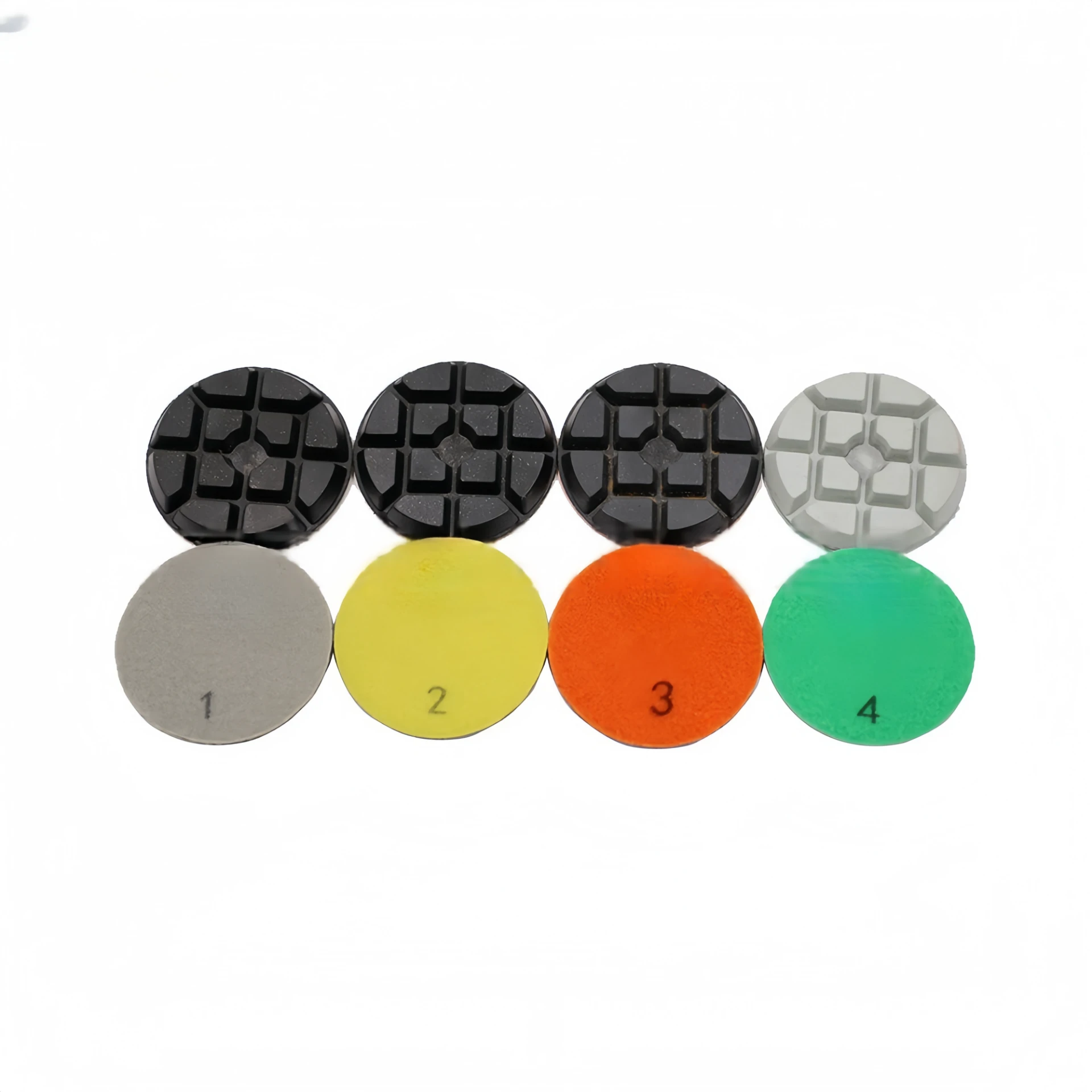
The backing material of the diamond polishing pad influences its performance and application. Resin bonds are commonly used for wet polishing and offer excellent flexibility and longevity. Metal bonds are more aggressive and are typically used for grinding concrete. Velcro-backed pads are convenient for quick changes and are often used with handheld grinders. Choosing the correct backing material is critical for maximizing efficiency and achieving optimal results.
Extending the Life of Your Diamond Grit Polishing Pads
Diamond polishing pads are an investment, and proper care can significantly extend their lifespan. Always use water during the polishing process to keep the pad cool and flush away debris. Avoid applying excessive pressure, as this can damage the diamond matrix. Regularly clean the pads after each use to remove embedded particles. Store the pads in a clean, dry environment away from direct sunlight. Following these best practices will ensure optimal performance and longevity.
Product Specifications & Available Sizes at MyDiamondBlade.com
At MyDiamondBlade.com, we offer a comprehensive range of diamond grit polishing pads in various sizes and grits to suit your specific needs. Our pads are manufactured to the highest standards, ensuring exceptional performance and durability.
Conclusion: Achieve Professional Results with the Right Polishing Pads
Investing in high-quality diamond grit polishing pads is essential for achieving professional-level results. From selecting the appropriate grit to choosing the right backing material, understanding these factors will significantly impact the final outcome. MyDiamondBlade.com provides a wide range of pads to meet your specific needs, ensuring a flawless finish every time.
Frequently Asked Questions (FAQs)
What is the best way to store diamond polishing pads?
To maximize the lifespan of your diamond polishing pads, store them in a clean, dry, and cool environment. Avoid exposing them to direct sunlight, excessive heat, or moisture. Ideally, store them flat or hanging to prevent deformation. For resin pads, consider storing them with a small amount of water to keep the diamond matrix hydrated. Proper storage helps prevent the diamonds from drying out and losing their cutting efficiency. Protecting your investment ensures optimal performance when you need them.
Can diamond polishing pads be used on all stone types?
While diamond polishing pads are versatile, not all pads are suitable for every stone type. Softer stones like marble require more delicate pads and a slower polishing process to avoid scratching. Harder stones like granite can withstand more aggressive grits. It's crucial to select pads specifically designed for the type of stone you are working with. Consult with a professional or refer to the manufacturer's recommendations to ensure compatibility. Using the wrong pad can damage the stone surface and compromise the final result.
How often should I replace my diamond polishing pads?
The lifespan of your diamond polishing pads depends on several factors, including the type of material being polished, the grit size, and the frequency of use. Generally, you should replace your pads when you notice a significant decrease in their cutting efficiency or when the diamond matrix becomes visibly worn. Regularly inspect the pads for damage, such as cracks or chipped diamonds. While they may appear usable, compromised pads can lead to uneven polishing and a lower-quality finish. Investing in new pads ensures consistent results and prevents potential damage to the surface you're working on.
Related Products
Related Products





Address
No.30 Gaoying Road ,Chang'an District,Shijiazhuang,Hebei Province
Business Hours
Mon to Saturday : 8.00 am - 7.00 pm
Sunday & Holidays : Closed
.png )