Maximize Your Projects with High Performance Diamond Hand Sanding Pads
Choosing the Right Diamond Hand Sanding Pads for Your Project
Achieving a flawless finish on various surfaces often relies on the quality of your sanding tools. Diamond hand sanding pads offer superior performance and longevity compared to traditional abrasive pads. This article will explore the benefits of using diamond sanding pads, their applications, how to choose the right grit, and tips for maximizing their effectiveness. We'll also highlight the quality and range offered by My Diamond Blade. Selecting the appropriate sanding pad is crucial for a professional, high-quality result.
What are Diamond Hand Sanding Pads?
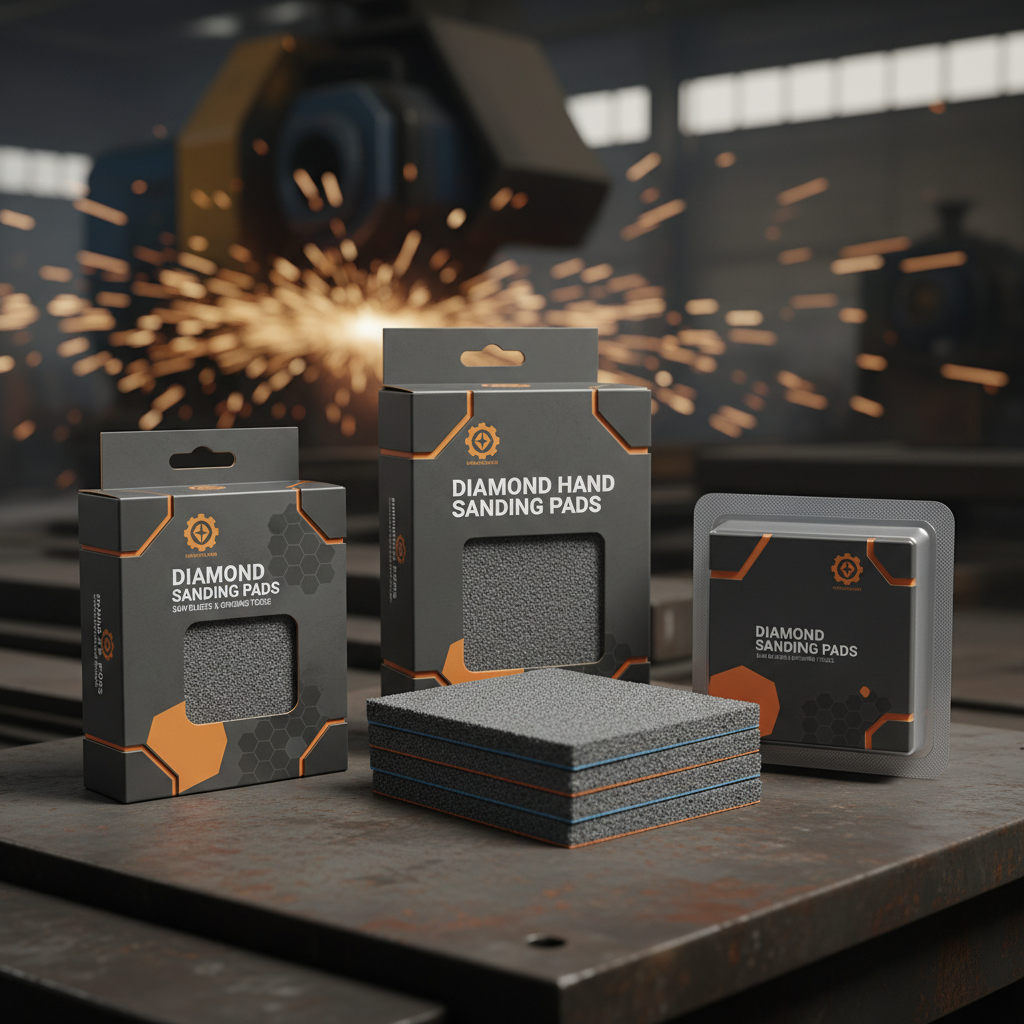
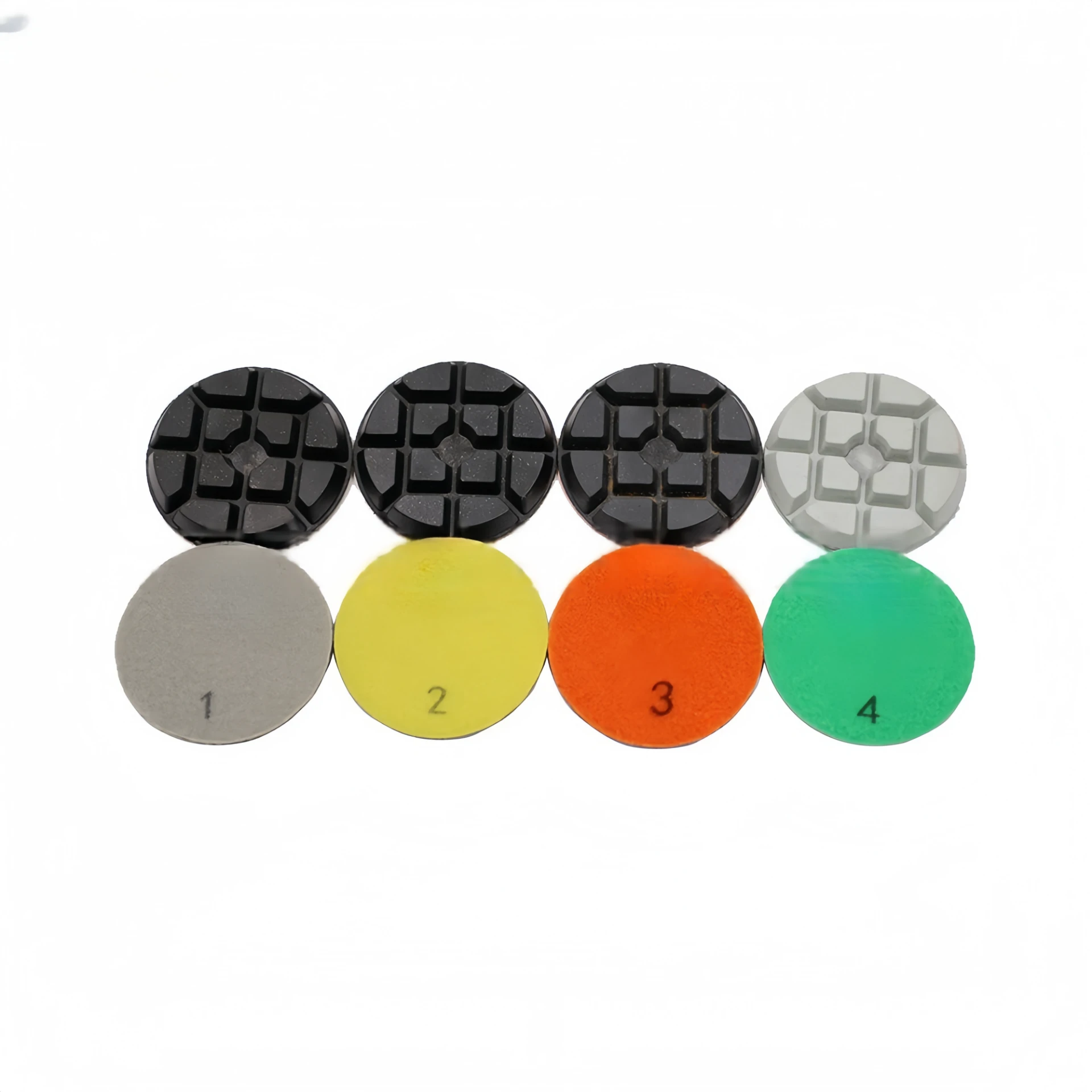
Unlike traditional sanding pads made with aluminum oxide or silicon carbide, diamond hand sanding pads utilize industrial-grade diamonds bonded to a backing material, typically resin or a flexible polymer. This construction provides several advantages. Diamonds are incredibly hard, meaning they cut faster and last significantly longer. They also produce a more consistent scratch pattern, leading to a superior finish. These pads are ideal for working with hard materials like stone, glass, concrete, and ceramics. My Diamond Blade provides a wide selection of diamond sanding pads to suit various needs.
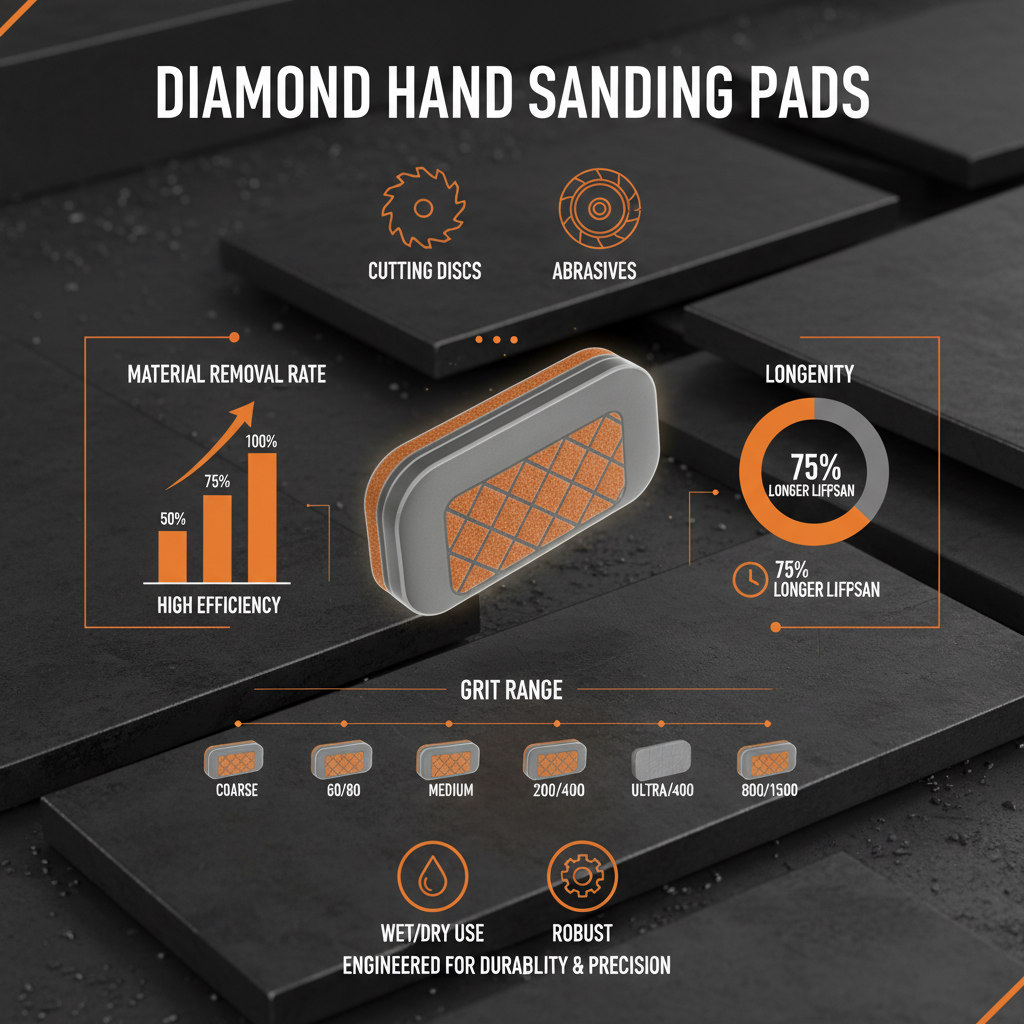
Key Benefits: Faster cutting speed, longer lifespan, consistent finish, suitable for hard materials, reduced dust.
Applications of Diamond Hand Sanding Pads
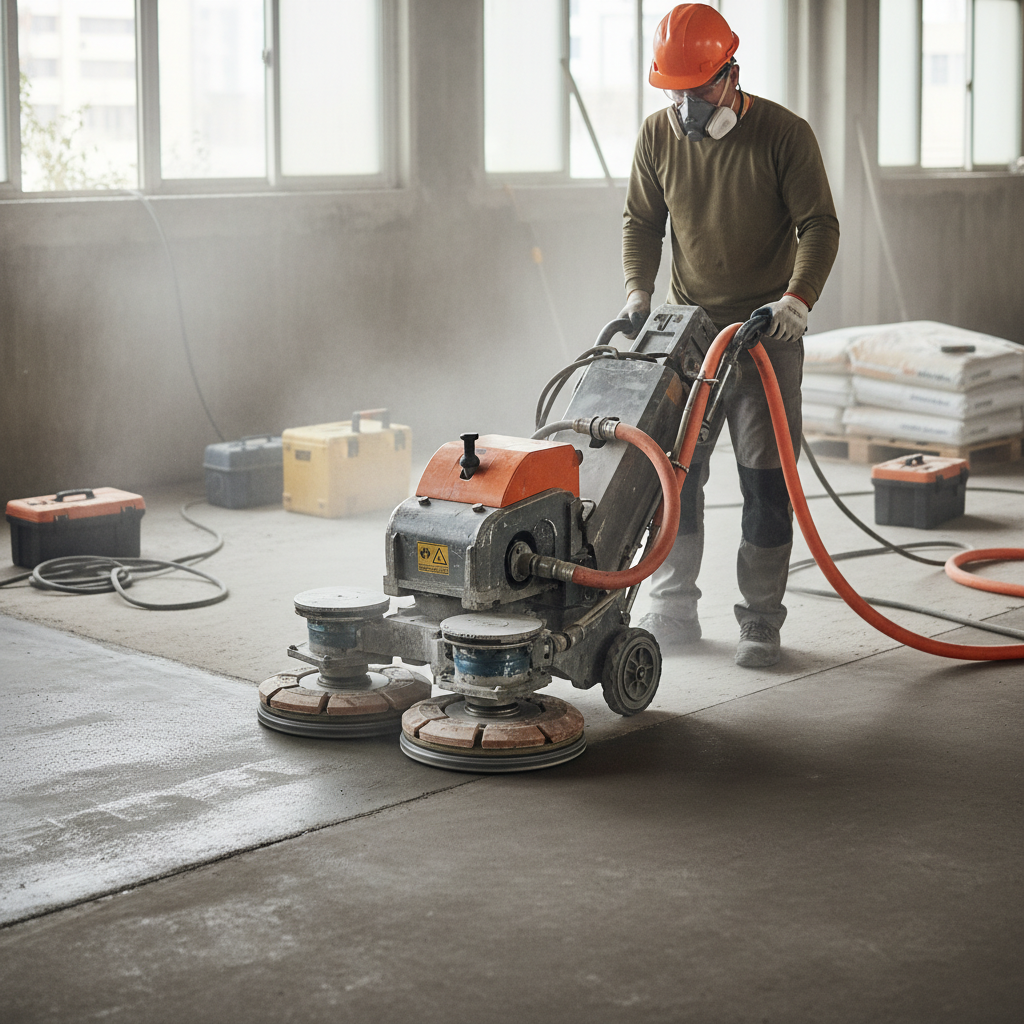
The versatility of diamond hand sanding pads extends to a wide range of applications. They are commonly used in countertop fabrication, tile polishing, glass edging, concrete floor preparation, and automotive bodywork. In the stone industry, they are essential for refining edges and achieving a smooth, polished surface. For glassworkers, they provide precise control for shaping and smoothing edges. Even in DIY projects, these pads can significantly enhance the quality of your work. My Diamond Blade caters to both professional and DIY users with a comprehensive selection of pads.
Common Uses:
• Stone countertop fabrication
• Tile polishing and restoration
• Glass edging and smoothing
• Concrete floor preparation
Understanding Grit and Choosing the Right Pad
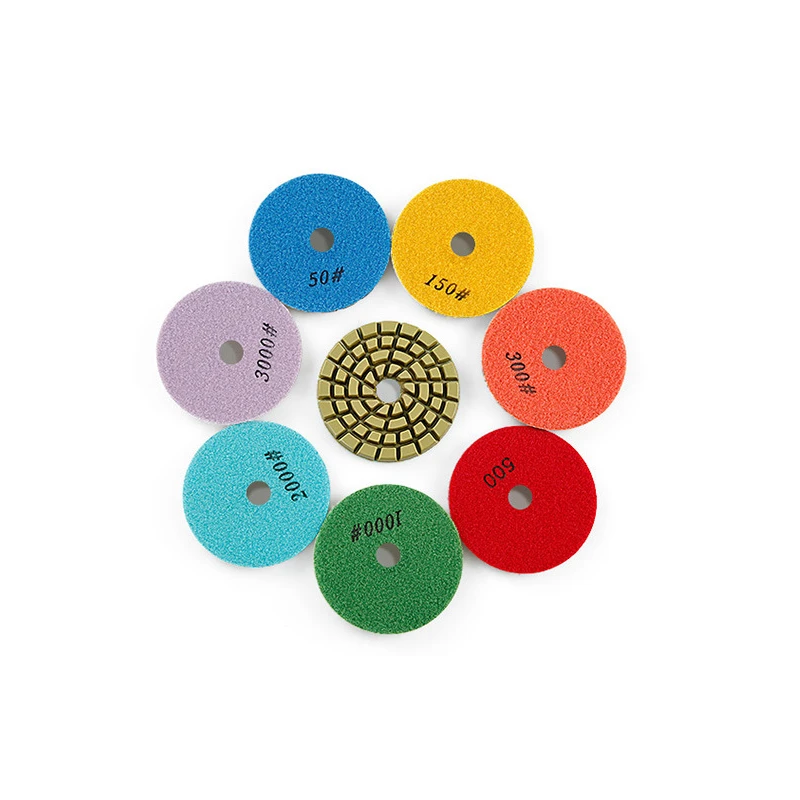
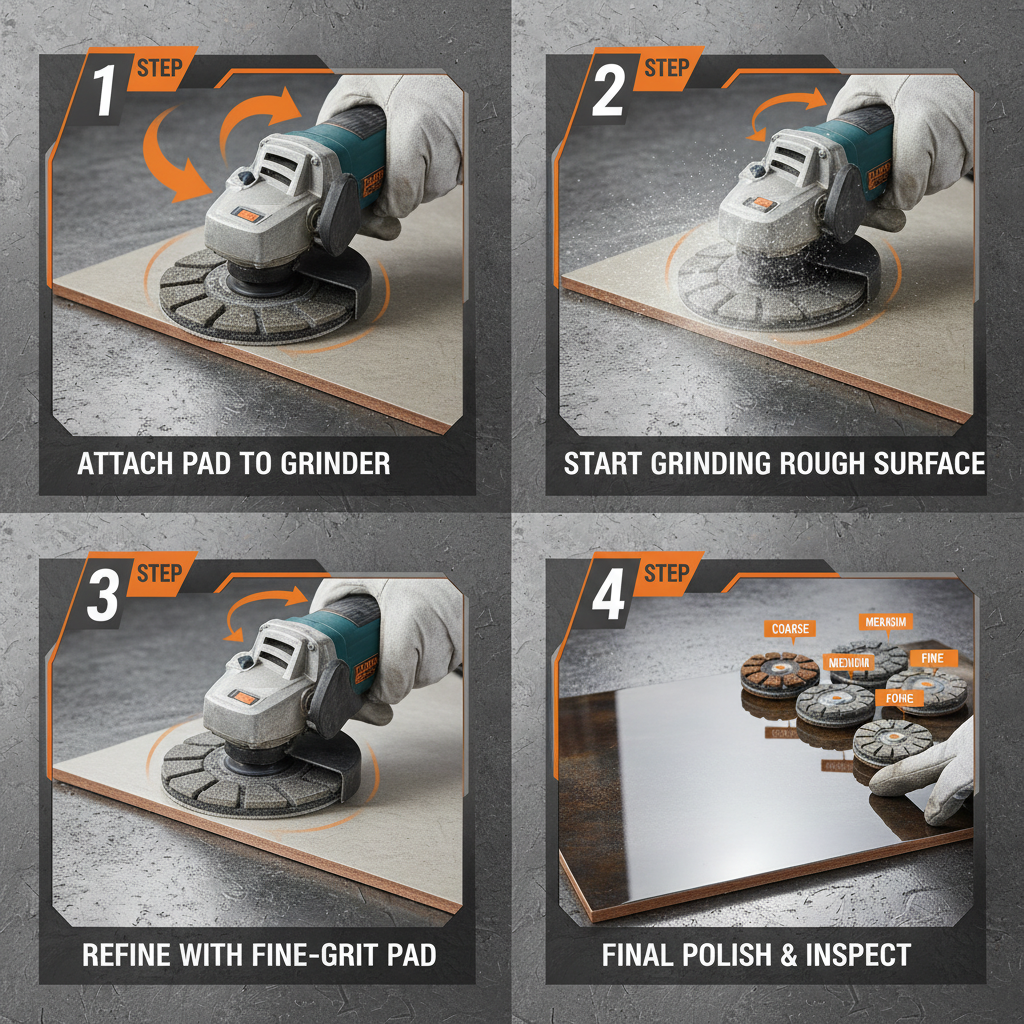
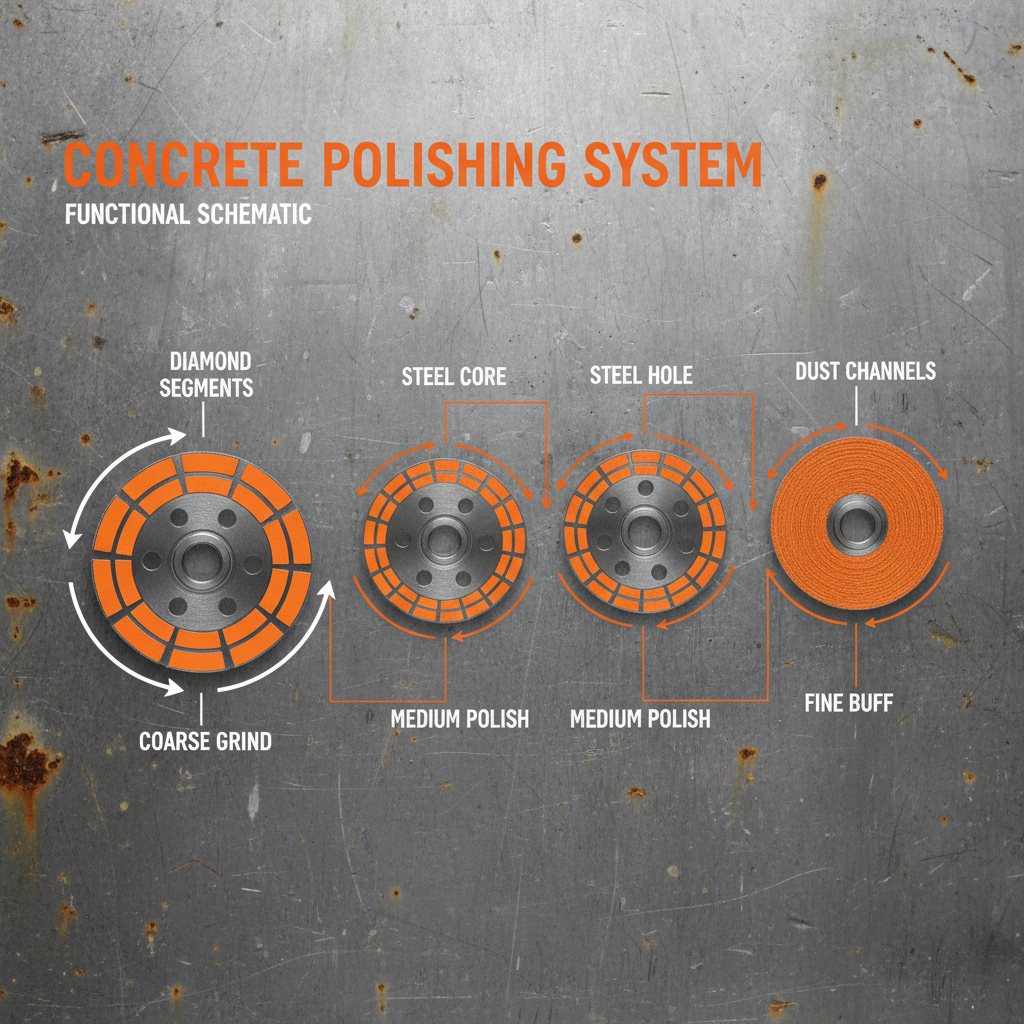
The 'grit' of a diamond hand sanding pad determines its aggressiveness. Lower grit numbers (e.g., 50, 100) are coarser and remove material quickly, ideal for initial shaping or removing significant imperfections. Higher grit numbers (e.g., 800, 1500, 3000) are finer and create a smoother, more polished finish. A typical sanding progression involves starting with a coarser grit and gradually moving to finer grits. The right grit selection depends on the material being sanded and the desired outcome. My Diamond Blade offers a variety of grit options to meet diverse project requirements.
Tips for Using Diamond Hand Sanding Pads
To maximize the lifespan and effectiveness of your diamond hand sanding pads, always use water as a lubricant. Water helps to carry away debris and prevents the pad from overheating. Apply even pressure and avoid pressing too hard, allowing the diamond grit to do the work. Clean the pad frequently during use to remove accumulated material. Store the pads in a clean, dry place to prevent damage. Consider using a backing pad to provide support and even distribution of pressure. My Diamond Blade offers high-quality backing pads and other accessories.
Conclusion: Invest in Quality for Superior Results
Achieve Professional-Grade Finishes with Diamond Sanding Pads
Investing in high-quality diamond hand sanding pads from a reputable supplier like My Diamond Blade is essential for achieving professional-grade finishes. Their durability, efficiency, and versatility make them a valuable addition to any workshop or toolkit. Don’t settle for less when it comes to your projects – choose the superior performance of diamond sanding pads.
Frequently Asked Questions (FAQs)
How long will diamond hand sanding pads last?
The lifespan of diamond sanding pads depends on several factors, including the material being sanded, the grit of the pad, and how diligently it's maintained. Generally, diamond pads last significantly longer than traditional abrasive pads – often 10 to 20 times longer. With proper care (using water lubrication, cleaning debris regularly, and storing them correctly), a high-quality diamond pad from My Diamond Blade can provide hundreds of hours of use. Eventually, the diamond grit will wear down, and the pad will become less effective.
Can diamond sanding pads be used on all materials?
While incredibly versatile, diamond sanding pads are best suited for hard materials such as stone (granite, marble, quartz), concrete, glass, ceramics, and some metals. They can be used on softer materials like wood, but the wear rate is much faster, and they are generally not the most cost-effective option for wood sanding. Always test a small, inconspicuous area first to ensure compatibility and avoid damage. My Diamond Blade provides detailed product descriptions indicating suitable materials for each pad.
What is the best way to clean diamond sanding pads?
Regular cleaning is crucial for maintaining the performance of your diamond sanding pads. After each use, rinse the pad thoroughly with clean water to remove any debris. You can gently use a soft brush to dislodge stubborn particles. Avoid using harsh chemicals or solvents, as these can damage the diamond grit and the backing material. Allow the pad to air dry completely before storing it. My Diamond Blade recommends avoiding excessive heat during cleaning and storage.
Are diamond sanding pads more expensive than traditional abrasive pads?
Yes, diamond sanding pads generally have a higher upfront cost than traditional abrasive pads. However, their significantly longer lifespan and superior performance often make them more cost-effective in the long run. You’ll need to replace traditional pads much more frequently, resulting in higher overall costs. Consider the total cost of ownership, including pad replacement and labor, when making your decision. My Diamond Blade offers competitive pricing and a wide range of options to fit various budgets.
Related Products


Related Products





Address
No.30 Gaoying Road ,Chang'an District,Shijiazhuang,Hebei Province
Business Hours
Mon to Saturday : 8.00 am - 7.00 pm
Sunday & Holidays : Closed
.png )