
TCT Wood Cutting Blade – Durable & Precise Industrial Cutting Tool
Why a TCT Wood Cutting Blade Might Be Your Best Bet in Industrial Cutting
Having spent more than a decade on industrial shop floors and sawmills, I’ve seen plenty of cutting blades come and go. But there’s something reliably effective about TCT wood cutting blades—those Tungsten Carbide Tipped blades—that keeps them firmly in the preferred toolkit for woodworkers, carpenters, and even heavy industrial users.
Frankly, these blades feel like the Swiss Army knives of wood cutting: tough, versatile, and pretty forgiving. If you’re new to the sector or just weighing options, understanding what makes them tick can make a huge difference in your project’s efficiency and safety.
What Makes TCT Blades Stand Out?
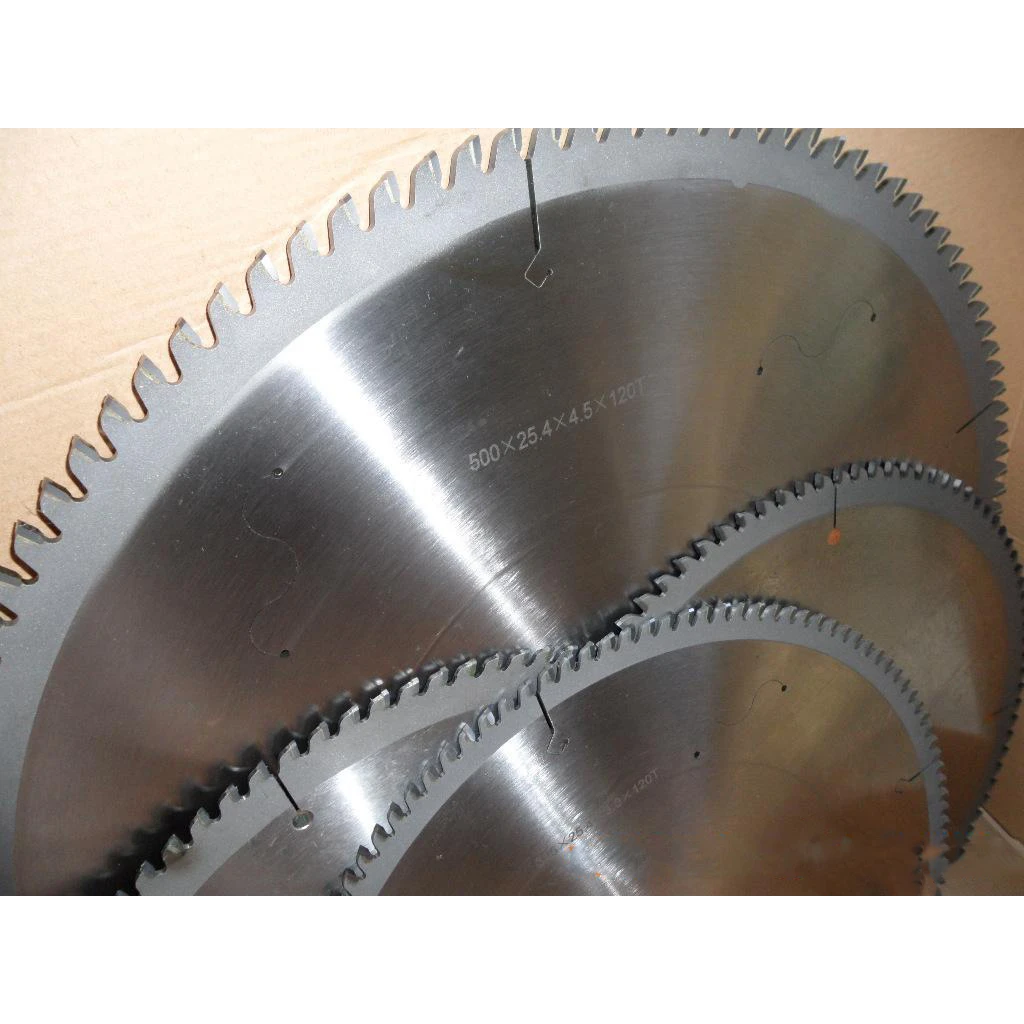
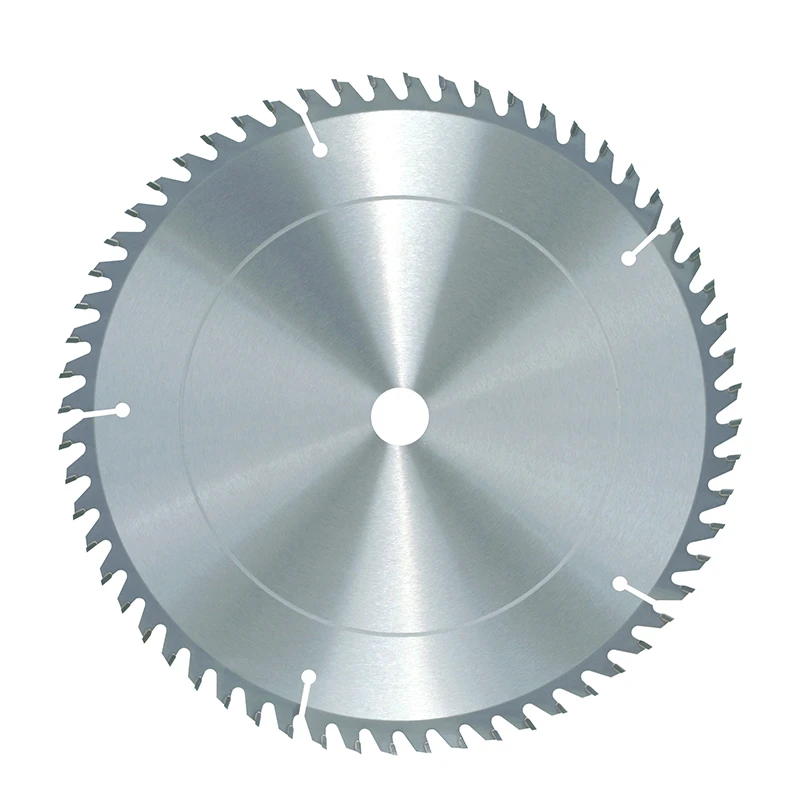
At their core, TCT blades have tungsten carbide tips fixed to a steel core. This combination gives you the best of both worlds—steel’s flexibility and tungsten carbide’s hardness. That hardness translates into sharper edges and, most importantly, a much longer lifespan compared to, say, plain steel blades. To put it simply: they stay sharp longer, and they cope better with tough, knotty woods that would chew up a regular blade in no time.
Now, you might wonder if all TCT blades are created equal. Not quite—the carbide grade, tooth design, and plate quality differ quite a bit. Many engineers I’ve chatted with emphasize the importance of a laser-cut plate for vibration reduction, which actually makes a huge difference in cut quality and operator fatigue.
Industrial Trends & Usage
The industry’s been moving towards precision and durability. It’s not just about spinning in circles anymore; we want blades that minimize waste, produce clean cuts, and reduce heat damage. TCT blades fit the bill well. Oddly enough, in a rush to adopt newer tech like diamond-tipped blades, some forget TCT’s sweet spot: wood and wood composites.
In recent years, customization has become a hot topic. I've seen vendors offering TCT blades with specially engineered tooth geometries for everything from rough framing to ultra-fine finish cuts. This flexibility is kind of a game changer depending on what you cut and how.
Here’s a quick spec summary you might find handy:
| Feature | Typical Value/Range | Notes |
|---|---|---|
| Blade Diameter | 160mm to 500mm | Varies by machine and application |
| Tooth Count | 24 to 96 teeth | More teeth for finer finishing |
| Tungsten Carbide Tip Size | 1.5mm to 3mm | Thicker tips last longer but cost more |
| Plate Material | High-tensile steel | Important for blade stability |
| Max RPM | 4,000 to 6,000 RPM | Always check machine compatibility |
Comparing Top Vendors of TCT Wood Cutting Blades
| Vendor | Strengths | Price Range | Customization Options |
|---|---|---|---|
| DiamondTech | Durability, sharp cutting edges | $$$ | Available |
| SawMaster Pro | Vibration control, smooth cuts | $$ | Limited |
| CuttingEdge Supplies | Affordable, fast shipping | $ | Not typically |
I recall one project where a client was struggling with consistently dull blades slowing down production. Switching to a high-quality TCT wood cutting blade reordered their schedule and improved finish quality noticeably. They appreciated not having to swap blades mid-shift — that swap used to cost them valuable time.
So, if you’re in the market for reliable, longer-lasting wood cutters, a TCT wood cutting blade really deserves a good look. It’s not flashy, but it gets the job done — and that’s what counts in an industrial environment. You know, sometimes the simplest tech wins the race.
Takeaway: A solid TCT blade saves time, cuts cleaner, and cuts costs over time — quite the triple win in woodworking.
References
- Woodworking Industry Journal, “Tungsten carbide tipped blades and their impact” (2023)
- Engineering Toolbox, “Saw Blade Specifications” (accessed 2024)
- Interview with senior industrial engineer, TimberCo Ltd, Jan 2024
Related Products
Related Products






Address
No.30 Gaoying Road ,Chang'an District,Shijiazhuang,Hebei Province
Business Hours
Mon to Saturday : 8.00 am - 7.00 pm
Sunday & Holidays : Closed
.png )