
Best Blade to Cut Aluminum – Expert Industrial Equipment Insight
What Type of Blade Do You Use to Cut Aluminum?
Having spent more than a decade in industrial equipment, especially cutting tools, I’ve often been asked, “What’s the best blade to cut aluminum?” It’s one of those deceptively simple questions. Cut aluminum wrong, and you might end up with rough edges, melting, or even damage to your blade. But get it right, and the job’s smoother, cleaner, and frankly, a lot less frustrating.
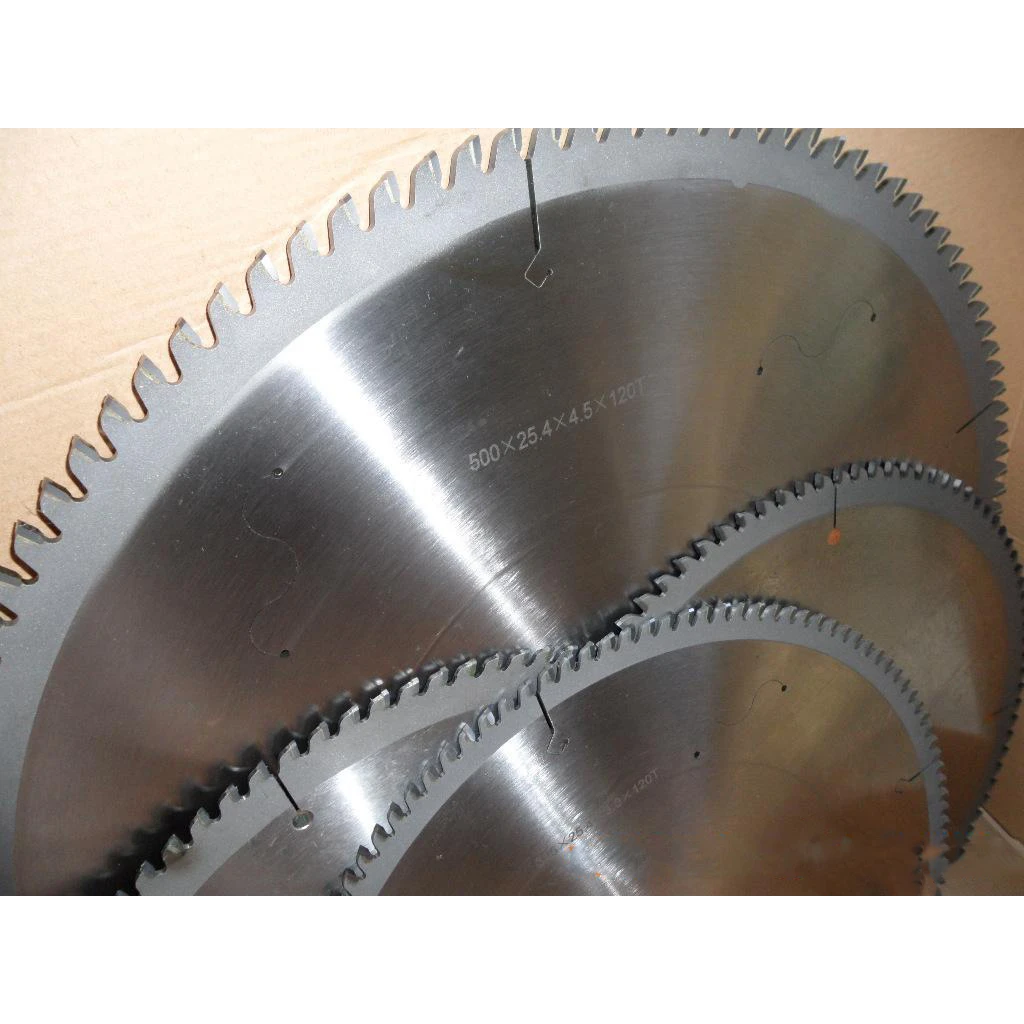
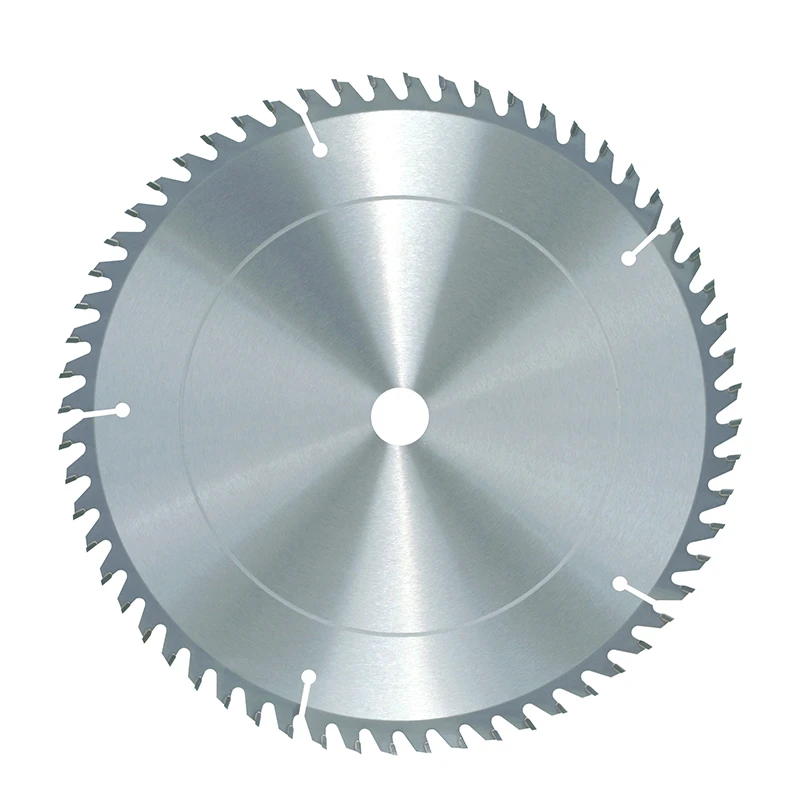
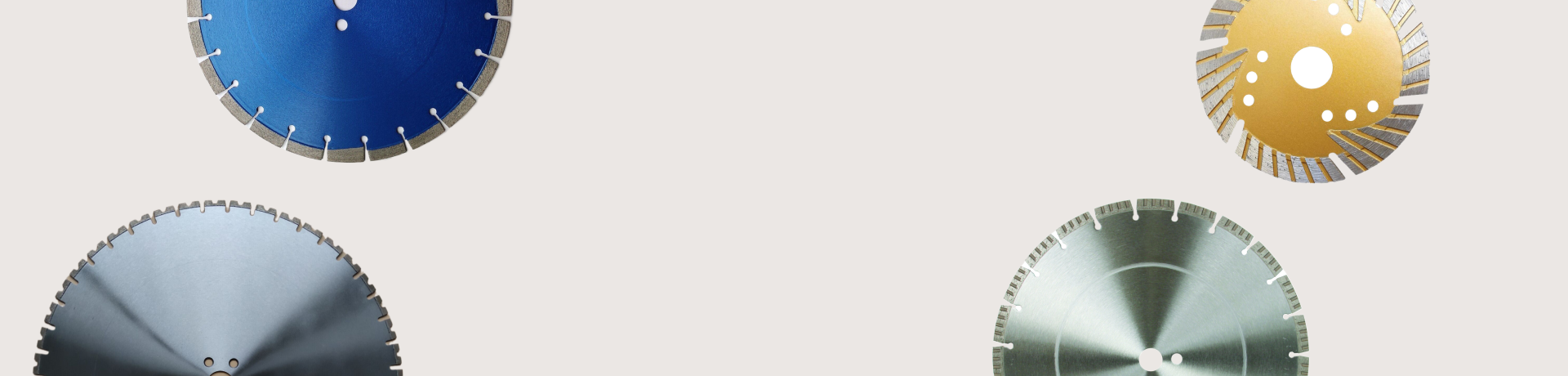
First, a quick reality check: aluminum isn’t like harder metals such as steel or stainless steel. It’s softer and more prone to gum up cutting blades. That means you need a blade that’s specially designed to glide through aluminum rather than tear it. In most workshops and fabrication plants I’ve seen, that translates to diamond blades with a specific tooth design or an abrasive blade that’s optimized for non-ferrous metals.
Oddly enough, though, not all diamond blades are cut alike — pardon the pun. When choosing, the key factors include tooth count, bond hardness, and grit type. A blade with more teeth, say 60+ for a 10-inch blade, usually provides smoother finishes but runs slower, causing less vibration and aluminum melting. Conversely, fewer teeth speed up the job but often at the cost of edge smoothness.
If you’re working on thinner aluminum sheets, say for HVAC or automotive panels, you'll want a blade with fine grit designed to minimize burring. For thicker profiles or extrusions, a blade with a stiffer bond and slightly coarser grit works better to maintain cutting speed without overheating.
Let me share a brief tale from a customer who runs a mid-sized manufacturing outfit in Ohio. They used to struggle with premature blade dulling and an odd residue build-up that seemed impossible to clean off. After switching to a segmented diamond blade with a soft bond and higher tooth count, the residue dropped dramatically and blade life doubled. The team noticed it almost immediately — less downtime, fewer blade swaps. You know how that feels: one of those “why didn’t we try this sooner?” moments.
Since you might be curious which specs to look for, here’s a quick rundown of a typical high-quality diamond blade for aluminum cutting:
| Parameter | Typical Specification |
|---|---|
| Blade Diameter | 10" (254 mm) |
| Segment Type | Segmented or Turbo |
| Bond Hardness | Soft to Medium (to avoid melting/gumming) |
| Grit | Fine (around 60–100 grit) |
| Tooth Count | 40 to 80 teeth depending on cut speed vs finish |
| RPM | Max 6,600 RPM (varies by blade size) |
| Material Compatibility | Non-ferrous metals, aluminum, brass, copper |
Of course, buying blades isn’t just about specs. Vendor reputation, quality control, and support also matter, especially when you’re running multiple shifts or big orders. From my experience, here’s a side-by-side comparison of some popular vendors supplying blades suitable for aluminum cutting:
| Vendor | Blade Quality | Customization Options | Price Range | Customer Service |
|---|---|---|---|---|
| MyDiamondBlade | High – Consistent grain & bond quality | Yes – Tooth count, segment type, coating | Mid to Premium | Responsive & Technical support |
| Generic Industrial Supplier | Average – Variable quality batches | Limited – Standard blades only | Budget-friendly | Basic support, slower response |
| Premium Cutting Tools Inc. | Very High – Precision made | Custom tooling available | High-end | Dedicated account managers |
Another quick tip: always match your blade’s RPM rating to your tool’s maximum speed. Running a blade too fast or too slow not only compromises cut quality but risks blade damage and safety hazards. And, honestly, after years on the floor, I’ve lost count of how many shop accidents could have been avoided with proper blade-tool pairing.
In real terms, deciding what blade to use for aluminum cutting boils down to balancing speed, finish, and blade longevity. If you want a neat edge with minimal cleanup, a higher tooth count and softer bond usually work best. But for faster rough cuts, a coarser blade might be fine.
So, whether you’re a fabricator, repair shop, or industrial pro, keeping a few blades optimized for aluminum on hand will save headaches later on. And if you’re curious to explore the kinds of blades proven to perform, I’d definitely check out MyDiamondBlade — they really know their stuff.
In the end, precision in aluminum cutting isn’t just about the blade, but how well you know your tools and materials. That’s a lesson that never gets old.
References:
1. Industry insights from “Cutting Tool Engineering” journal
2. Interviews with metal fabricators at manufacturing trade shows
3. Product data sheets and technical manuals from leading blade vendors
Related Products
Related Products





Address
No.30 Gaoying Road ,Chang'an District,Shijiazhuang,Hebei Province
Business Hours
Mon to Saturday : 8.00 am - 7.00 pm
Sunday & Holidays : Closed
.png )