
What Is the Best Blade for Cutting Aluminum? Expert Guide & Top Picks
What Is the Best Blade for Cutting Aluminum? Exploring Precision and Performance
Understanding what is the best blade for cutting aluminum matters more than it might first appear. Aluminum is everywhere—from beverage cans to aerospace engineering. Choosing the right blade doesn’t just simplify a job; it improves safety, efficiency, and finish quality globally in manufacturing, construction, and hobbyist sectors alike. So, this is not just a question for tool enthusiasts but a practical inquiry affecting industries worldwide.
Introduction: Why the Right Aluminum Cutting Blade Matters Globally
Aluminum’s rising use is backed by compelling numbers. According to the International Aluminium Institute, global aluminum production topped 67 million tonnes in 2023 — a remarkable 3% increase year over year. This metal’s lightweight strength is prized in sectors from transportation to packaging. Yet, the challenge remains: aluminum is soft but sticky, prone to melting and clogging saw teeth if cut with the wrong blade — resulting in wasted time and material.
Given this growth and the delicate nature of aluminum, knowing “what is the best blade for cutting aluminum” is key to minimizing tool wear, improving cut speed, and enhancing surface quality worldwide. Industries face the dual pressure of maximizing output while reducing waste and cost. This spotlight on blade technology is part of the bigger story about precision manufacturing and sustainability.
Defining the Best Blade for Cutting Aluminum
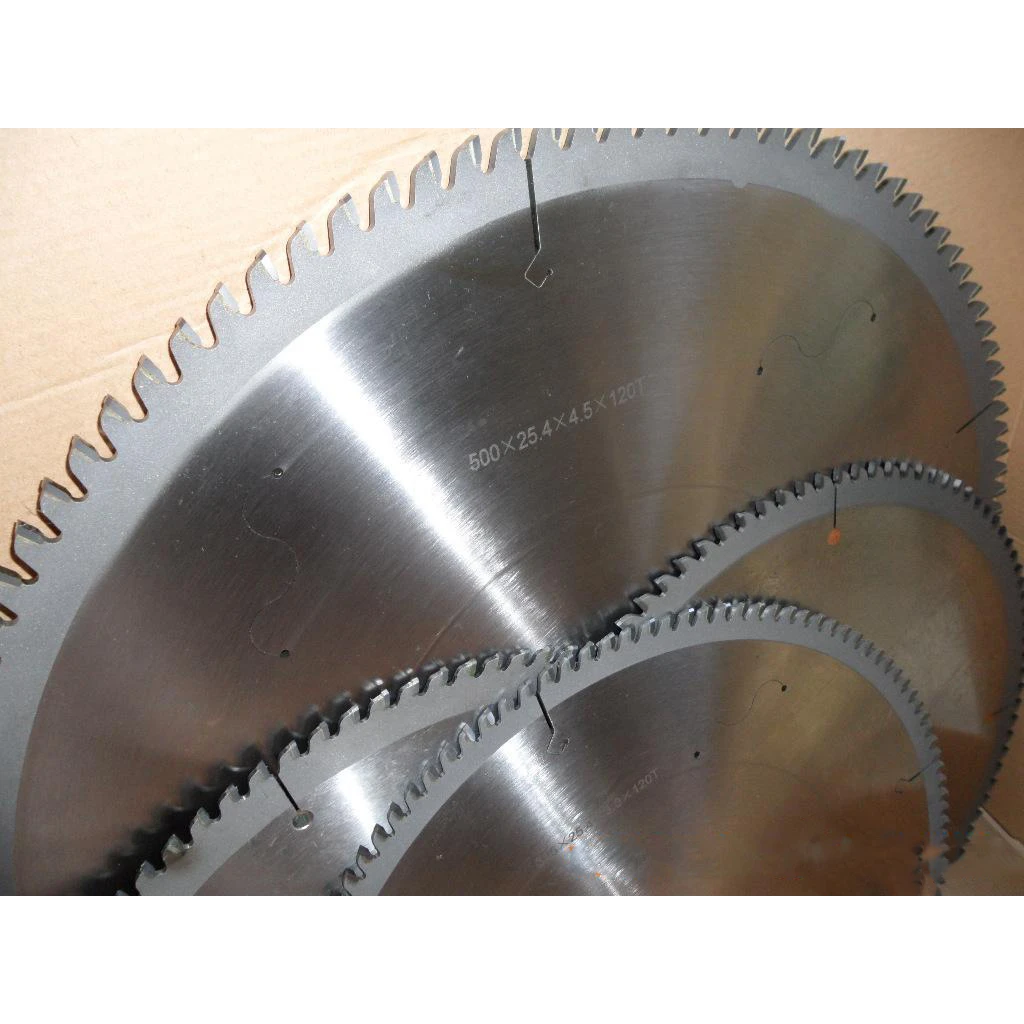
Simply put, the best blade for cutting aluminum refers to saw blades specially designed or optimized to slice through aluminum smoothly without excessive heat buildup or blade damage. Typically, these blades have fine, thin kerf teeth made from carbide or diamond, with a tooth geometry that reduces clogging. They’re different from wood or standard metal blades that often chip or bind.
This connects directly to modern industry’s demand for clean, fast, and cost-effective metalworking, especially for lightweight aluminum alloys used in aerospace, automotive, and renewable energy components. There’s also a growing humanitarian angle — in disaster response or infrastructure repair, having reliable aluminum cutting tools enables rapid assembly of structures and equipment.
Key Factors to Consider When Choosing an Aluminum Cutting Blade
1. Material Composition
Most professionals recommend carbide-tipped or diamond-coated blades for aluminum due to their hardness and heat resistance. Carbide tips offer durability, while diamond edges provide superior cutting smoothness — though they can be pricier.
2. Tooth Count & Geometry
Blades with a higher tooth count typically offer cleaner cuts but slower feed rates. The tooth shape, often triple-chip grind (TCG) for aluminum, reduces material clogging and ensures smoother finishes.
3. Blade Kerf Width
A thinner kerf means less material is removed, reducing power consumption and heat buildup. Thin kerf blades also minimize aluminum deformation, critical for precision parts.
4. RPM Rated Speed
Blades optimized for higher RPMs suit handheld circular saws; those designed for slower speeds fit miter saws or stationary equipment. Matching blade speed to tool limits clean cuts and blade longevity.
5. Coating & Cooling
Some blades come with special coatings (like TiN or anti-stick layers) to repel aluminum swarf and reduce friction. Adequate cooling—air or lubricant—is just as important to prevent melting or dull edges.
| Blade Model | Material | Tooth Count | Kerf Width (mm) | Max RPM | Coating |
|---|---|---|---|---|---|
| Alpha Carbide TCG 10" | Carbide tipped | 80 | 1.2 | 6000 | Non-stick TiN |
| DiamondPro 12" Ultra Thin | Diamond coated | 100 | 0.9 | 5000 | Anti-stick layer |
| FlexCut Aluminum Saw 9" | Carbide tipped | 60 | 1.4 | 7000 | None |
Global Applications & Use Cases of Aluminum Cutting Blades
Aluminum cutting blades find practical use in a variety of industries worldwide:
- Aerospace manufacturing: Precision cutting of aircraft-grade aluminum alloys requiring smooth, burr-free edges.
- Renewable energy: Fabricating lightweight aluminum components in solar panel frames or wind turbine mounts.
- Construction: Cutting aluminum window frames or siding with minimal mechanical stress.
- Disaster relief & humanitarian: Quickly cutting aluminum sheets to build shelters or water tanks in post-crisis areas.
Oddly enough, in remote industrial zones — like mining camps — the availability of suitable blades often makes the difference between a delayed project and on-time delivery. And in consumer-level DIY, having the right blade reduces frustration and improves safety.
Vendor Comparison: Leading Suppliers of Aluminum Cutting Blades
| Vendor | Warranty | Custom Options | Technical Support | Price Range |
|---|---|---|---|---|
| BladeTech Solutions | 3 years | Yes, OEM sizes & coatings | 24/7 Phone & Email | $$$ |
| CutMaster Tools | 2 years | Standard sizes only | Business hours | $ - $$ |
| Precision Blades Co. | 5 years | Custom tooth geometry | Dedicated industry expert team | $$$ |
Advantages & Long-Term Value of Selecting the Right Aluminum Cutting Blade
The tangible benefits of using the best blade go beyond just a neat cut. There’s cost-efficiency in reduced downtime and fewer blade replacements. Sustainability comes into play because less scrap means less waste. And the improved safety factor — cuts that don’t bind can prevent accidents.
But beyond the numbers, there’s also a kind of dignity and respect for craft. Engineers and tradespeople notice and appreciate when tools work smoothly. It fosters innovation and trust within teams, boosting morale and output.
Future Trends & Innovations in Aluminum Cutting Technology
Digital transformation is rewriting blade manufacturing—laser-cut teeth, CAD-optimized tooth shapes, and AI-driven quality control. Sustainability plays a role too, with recyclable and less toxic coatings emerging.
Emerging trends include blades designed specifically for automation in advanced manufacturing setups, capable of interfacing with robotics. Plus, greener energy push means more aluminum parts production, making the demand for top-quality blades only stronger.
Challenges & Solutions in Cutting Aluminum Efficiently
One big challenge is overheating and gumming, which can dull blades quickly. Also, stopping aluminum from burring or deforming is tricky. The solution? Opt for blades with proper tooth design and coatings, combined with cutting fluid or air cooling. Training operators on feed rate and RPM matching also helps.
FAQ: Frequently Asked Questions About What Is the Best Blade for Cutting Aluminum
- What type of blade material cuts aluminum best?
- Carbide-tipped and diamond-coated blades are generally best, thanks to their hardness and ability to retain sharp edges while minimizing heat buildup. Diamond coatings usually provide smoother finishes but at a higher price point.
- Can I use a blade designed for steel on aluminum?
- It’s not recommended. Steel blades often have tooth geometry and coatings unsuited to aluminum’s softness, causing clogging and poor cut quality. Specialized aluminum cutting blades reduce these issues.
- How important is tooth count when cutting aluminum?
- Very important! Higher tooth counts typically mean finer, cleaner cuts but slower speeds. For aluminum, a tooth count between 60 to 100 with a triple-chip grind is usually ideal to avoid clogging.
- Should I use lubricant or cooling when cutting aluminum?
- Yes, using a lubricant or air cooling can greatly reduce heat buildup, improve blade life, and prevent melted aluminum from sticking to teeth, providing a smoother cut.
- Where can I find custom aluminum cutting blades?
- Many vendors like BladeTech Solutions and Precision Blades Co. offer OEM custom blade sizes and tooth geometries tailored to your specific aluminum cutting needs.
Conclusion: Precision Cutting for a Sustainable Future
In the end, understanding what is the best blade for cutting aluminum unlocks significant gains in productivity, sustainability, and workplace safety. Whether you’re a manufacturer, builder, or DIY enthusiast, the investment in proper blades repays itself through higher quality, reduced waste, and smoother work processes. For more detailed guidance, product reviews, and expert advice, visit our website: https://www.mydiamondblade.com — where cutting-edge meets trusted experience.
Takeaway: The right aluminum cutting blade is both a science and an art — it's worth choosing wisely.
References
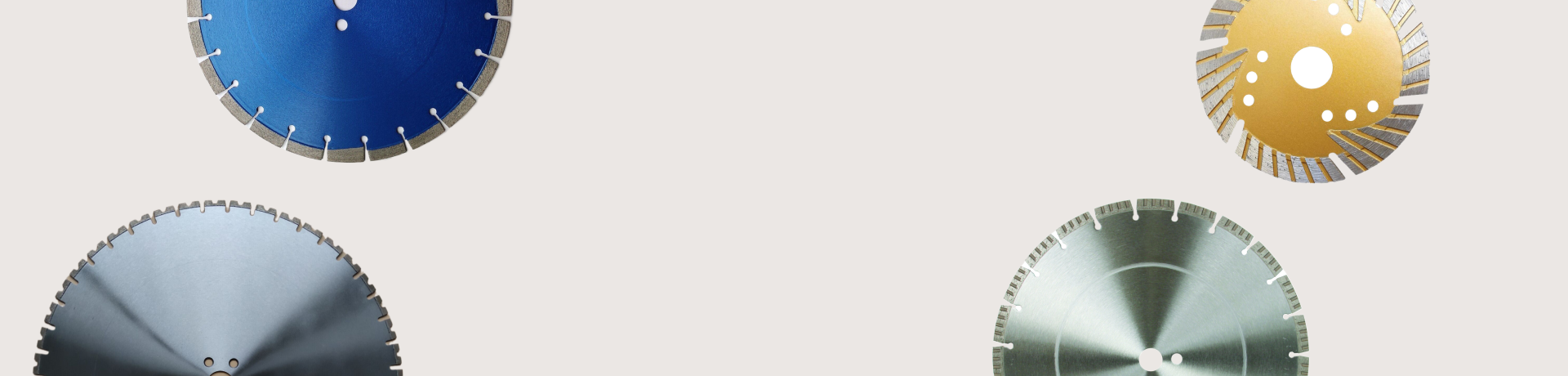
Related Products
Related Products





Address
No.30 Gaoying Road ,Chang'an District,Shijiazhuang,Hebei Province
Business Hours
Mon to Saturday : 8.00 am - 7.00 pm
Sunday & Holidays : Closed
.png )