30 Grit Diamond Polishing Pads: A Comprehensive Guide for Professionals
Navigating the Concrete World with 30 Grit Diamond Polishing Pads
Okay, so you're looking at 30 grit diamond polishing pads. Frankly, it's a surprisingly nuanced topic. It's not just about grinding things down, you know? It's about control, finish quality, and, crucially, long-term cost. We’ve been working with these for a while now – everything from large-scale concrete floor prep to smaller, more intricate stone work – and there’s a definite learning curve. It feels like the industry is finally appreciating that initial investment in quality really pays off, reducing downtime and rework. A lot of the cheaper options… well, they just don’t hold up.
Table of Contents
- Understanding 30 Grit Diamond Polishing Pads
- Applications and Advantages
- Cost Analysis & User Experience
- Market Trends and Sustainability
Understanding 30 Grit Diamond Polishing Pads
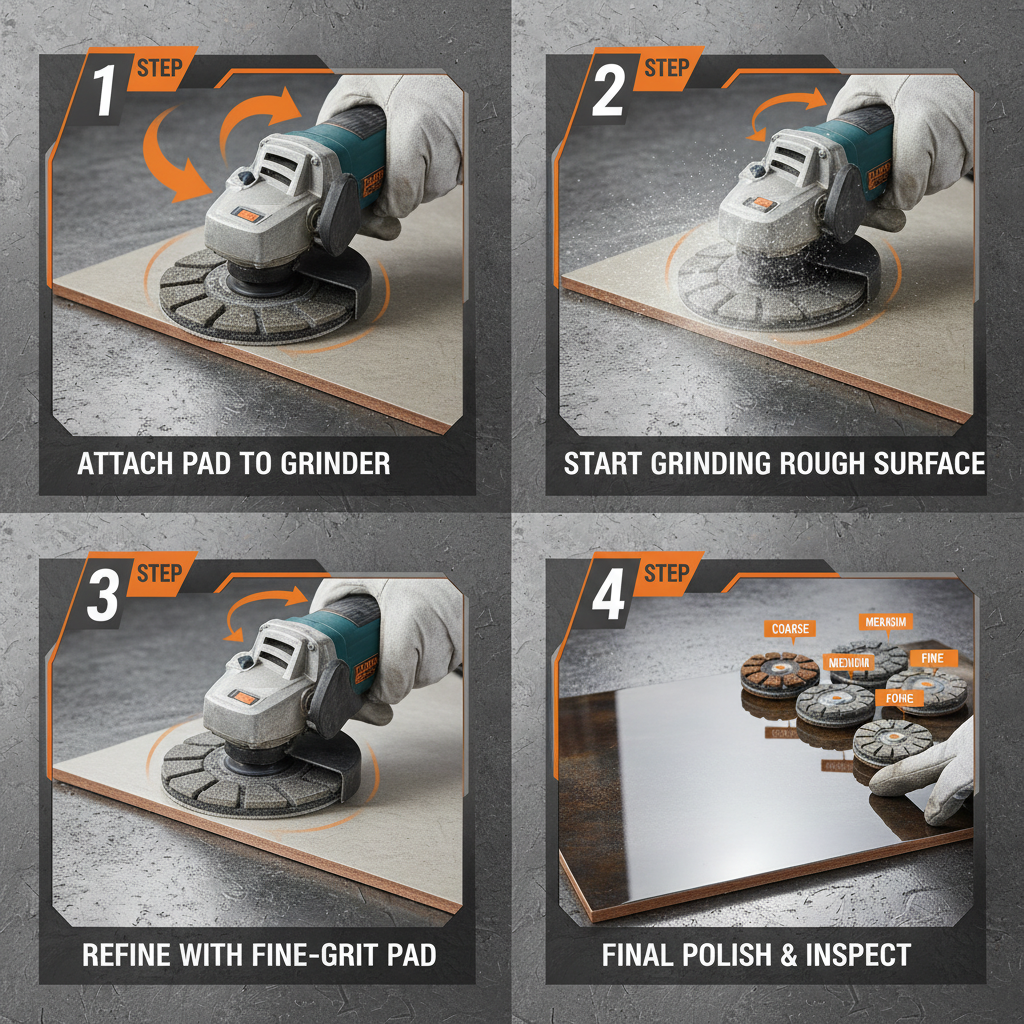
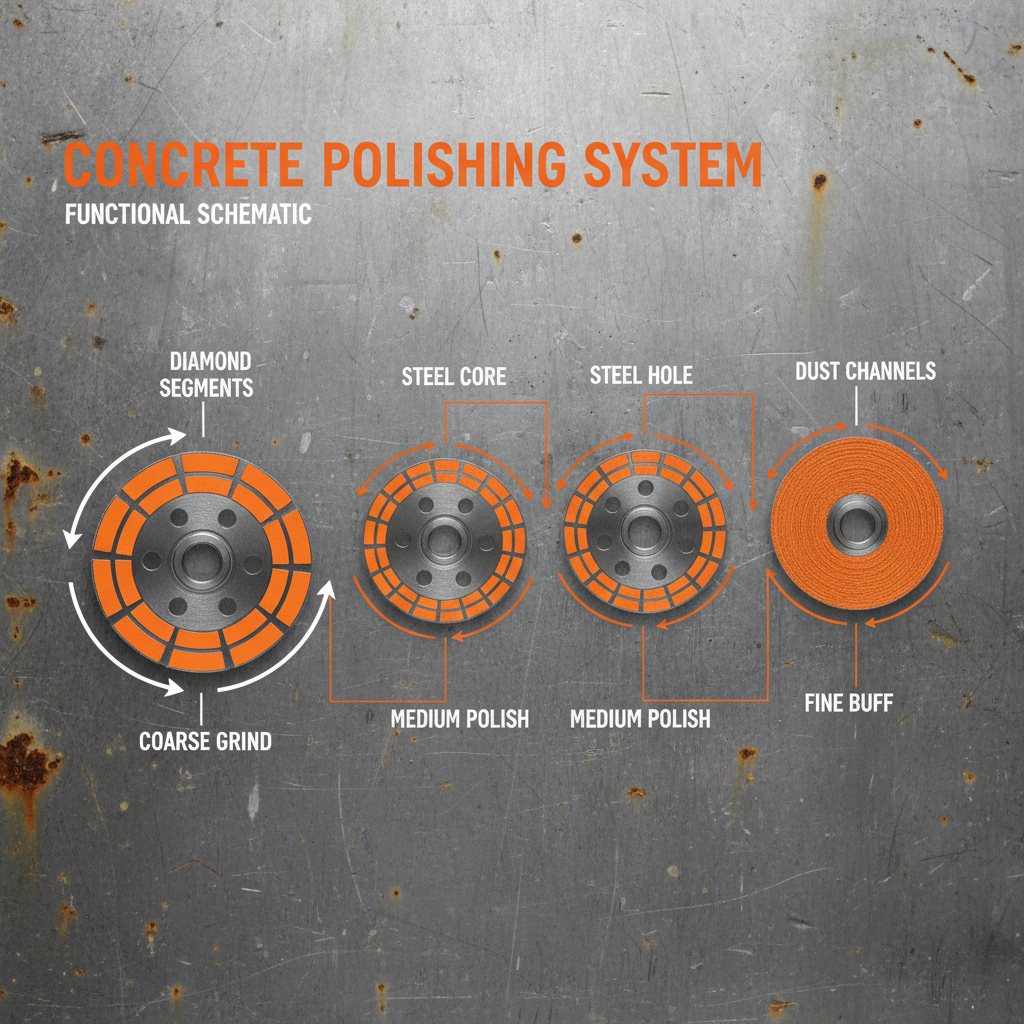
So, what is a 30 grit pad? Essentially, it's the first aggressive step in a concrete polishing sequence. The “grit” refers to the size of the diamond abrasives bonded to the pad's backing. Lower grit numbers mean larger abrasives, and therefore, faster material removal. 30 grit is used for leveling, removing coatings, and generally getting a surface ready for subsequent polishing stages. The bond matrix – the stuff holding the diamonds – is critical. We use a proprietary blend here at MyDiamondBlade that’s designed for durability and consistent scratch patterns. Here's a quick spec rundown:
| Specification | Value | Notes |
|---|---|---|
| Diamond Grit | 30 | Industrial Grade |
| Bond Type | Proprietary Resin | Enhanced Durability |
| Diameter | 7 inches (standard) | Custom sizes available |
| Backing Material | Nylon/Polyester Blend | Flexible and Durable |
Applications and Advantages
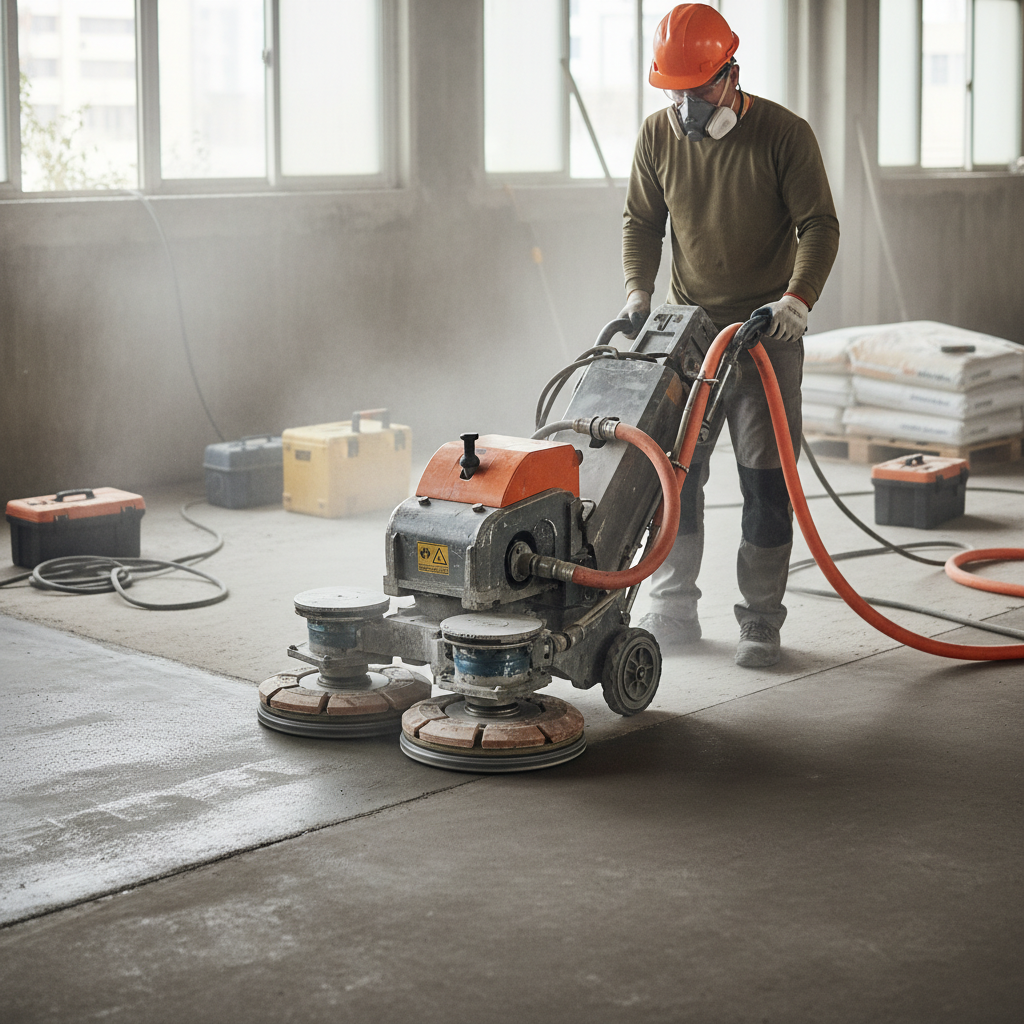
You see these pads everywhere, honestly. Concrete floor polishing is the big one, obviously. But also, removing paint and epoxy coatings, prepping surfaces for overlays, even stone restoration. The advantage, and it’s a significant one, is the speed and consistency. Compared to abrasive blasting, it's far less messy and creates a smoother surface profile. Many engineers say they prefer the control they get with diamond polishing, especially on large projects. It's less likely to damage the substrate, you know? The dust control is better too – when used with a proper vacuum attachment. We’ve had customers using these for years on large warehouse floors with fantastic results.
Cost Analysis & User Experience
Okay, let’s talk money. The upfront cost of a good 30 grit pad is higher than some of the cheaper alternatives. But, and this is a big but, the lifespan is significantly longer. You're not replacing them as frequently, reducing labor costs and downtime. Plus, the consistent scratch pattern means less time spent correcting imperfections. Here's a quick vendor comparison – it’s not exhaustive, but gives you a general idea:
| Vendor | Price (per pad) | Lifespan (approx.) | Quality |
|---|---|---|---|
| MyDiamondBlade | $35 | 5000 sq ft + | Excellent |
| Generic Brand A | $20 | 2000 sq ft | Average |
| Premium Brand B | $45 | 6000 sq ft + | Very Good |
Market Trends and Sustainability
The demand for polished concrete is still strong, especially in commercial construction. Oddly enough, there's a growing trend towards more sustainable building practices. Diamond polishing fits right in – it produces less waste than traditional grinding methods, and the pads themselves can sometimes be re-conditioned. Regulations around dust control are also getting stricter, which is driving demand for high-quality pads that work effectively with dust extraction systems. It's all sort of interconnected, you know? The drive for durability, cost-effectiveness, and environmental responsibility.
Frequently Asked Questions about 30 Grit Diamond Polishing Pads
- What is a 30 Grit Diamond Polishing Pad and how does it work?
- A 30 grit pad uses industrial-grade diamond abrasives to aggressively remove material from concrete or stone surfaces. The larger grit size ensures rapid material removal, making it ideal for leveling and initial surface preparation.
- What are the main benefits of using 30 Grit Diamond Polishing Pads in industrial applications?
- The primary benefits include faster material removal, a smoother surface profile, reduced dust compared to abrasive blasting, and a longer lifespan than cheaper alternatives, leading to lower overall costs.
- How does a 30 Grit Diamond Polishing Pad compare to traditional alternatives?
- Compared to abrasive blasting or traditional grinding wheels, 30 grit pads offer greater control, a finer surface finish, and significantly less dust. They are also more durable and often more cost-effective in the long run.
- What industries can benefit most from 30 Grit Diamond Polishing Pads implementation?
- Industries such as construction, concrete flooring, stone restoration, and manufacturing all benefit from using these pads for surface preparation, coating removal, and polishing applications.
Conclusion
Look, investing in quality 30 grit diamond polishing pads isn't just about getting the job done; it's about doing it right, efficiently, and sustainably. Don't skimp on this step. You’ll thank yourself later. Visit our website: https://www.mydiamondblade.com
Related Products
Related Products





Address
No.30 Gaoying Road ,Chang'an District,Shijiazhuang,Hebei Province
Business Hours
Mon to Saturday : 8.00 am - 7.00 pm
Sunday & Holidays : Closed
.png )