Choosing the Right M14 Polishing Pads for Optimal Surface Finishing Results
Understanding and Choosing the Right M14 Polishing Pads
Achieving a flawless finish in automotive detailing, stone polishing, or composite work relies heavily on the quality of your M14 polishing pads. With a vast array of options available, selecting the correct pad for your specific task is crucial. This guide will explore the different types of M14 polishing pads, their applications, and how to choose the best ones for optimal results. From cutting to polishing and finishing, the right pad can dramatically improve efficiency and the overall quality of your work. We'll help you navigate the complexities and ensure you're equipped with the perfect tools.
Types of M14 Polishing Pads
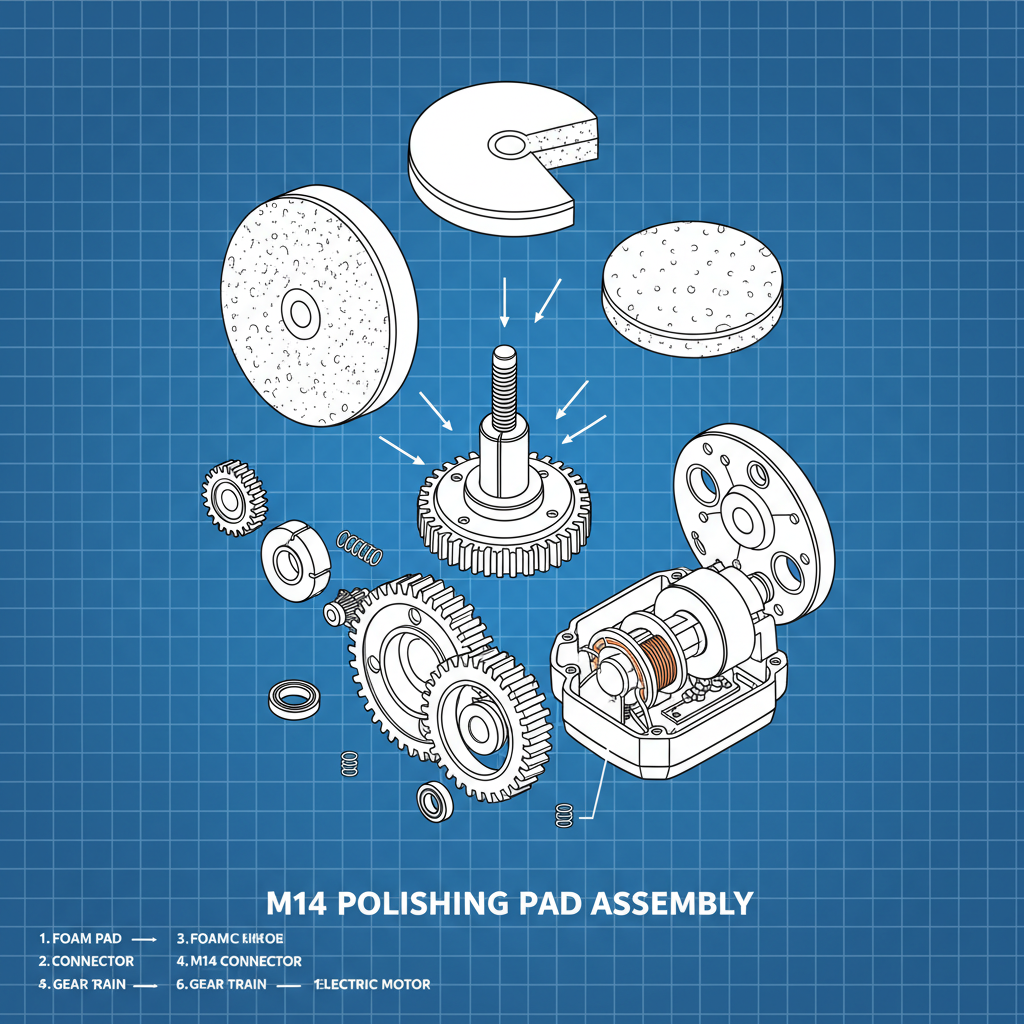
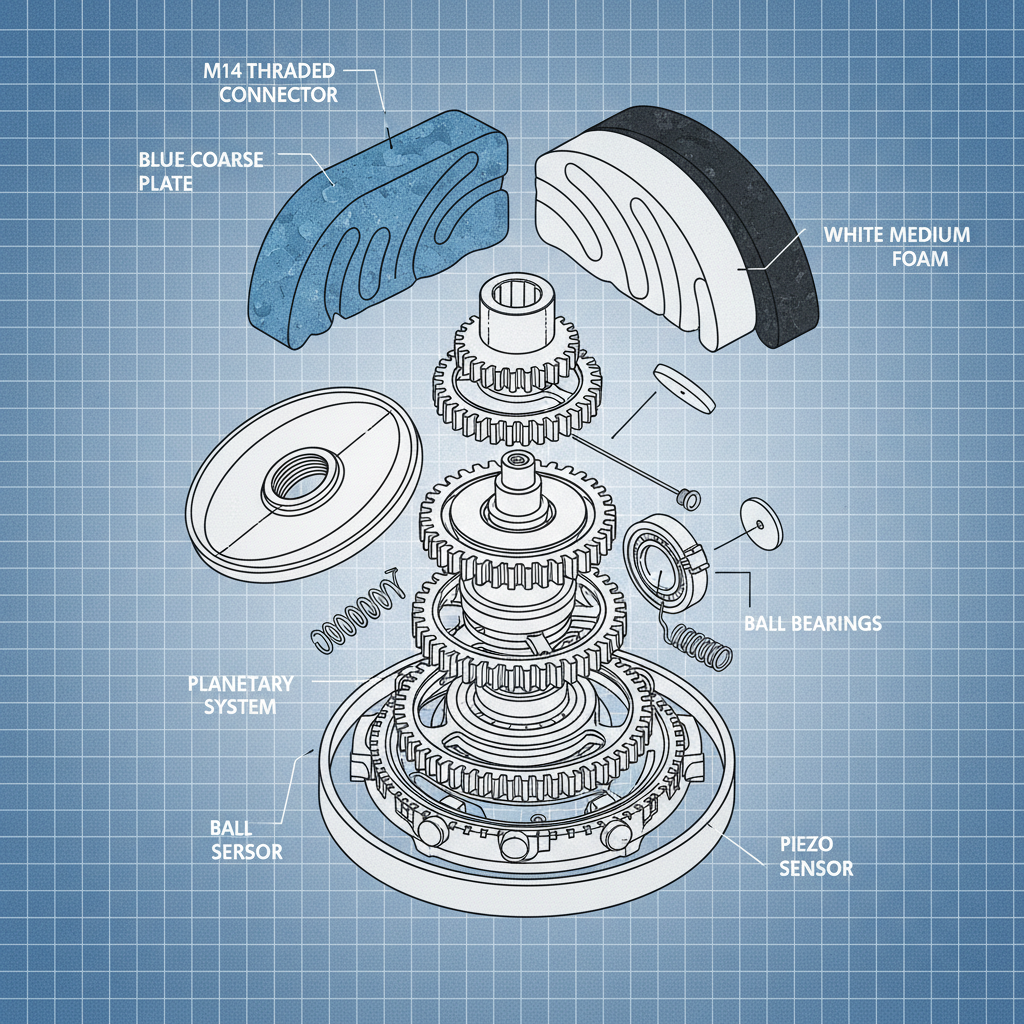
M14 polishing pads are categorized primarily by their cutting power and intended use. The main types include: Cutting Pads (typically foam or microfiber with an aggressive nap), Polishing Pads (medium nap for removing swirl marks and imperfections), and Finishing Pads (soft nap for creating a high-gloss shine). Beyond these, you’ll find specialized pads for specific materials like wool pads for heavy cutting, and microfiber pads for delicate surfaces. Understanding the differences in nap height and material is vital for selecting the correct pad for each step of the polishing process. Using the wrong pad can lead to scratches, holograms, or an uneven finish.
Key Takeaway: The 'nap' refers to the length of the fibers in the pad. A higher nap is more aggressive for cutting, while a lower nap is gentler for polishing and finishing.
Choosing the Right Pad for Your Material
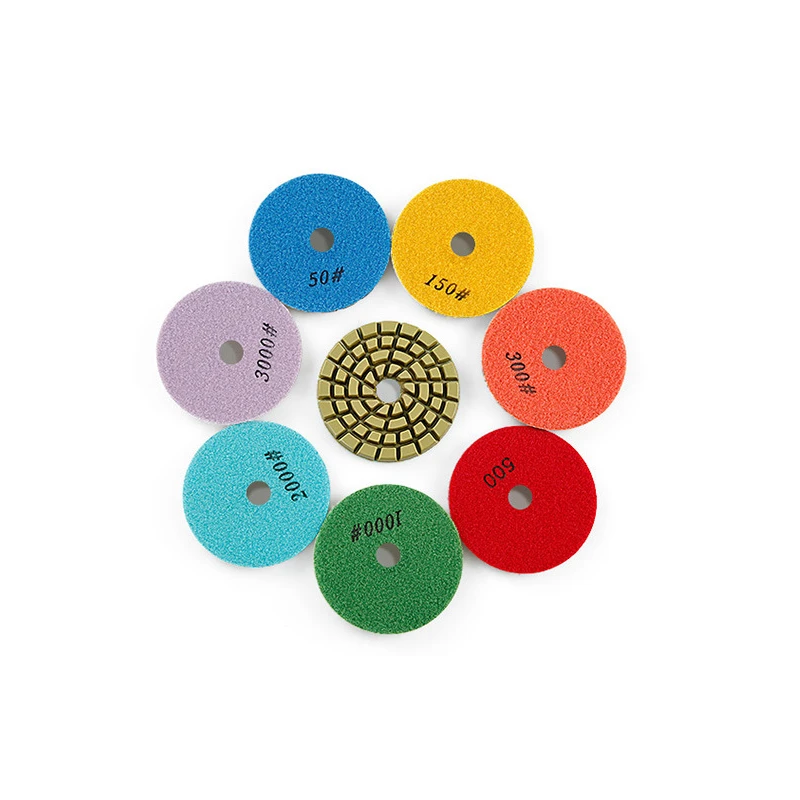
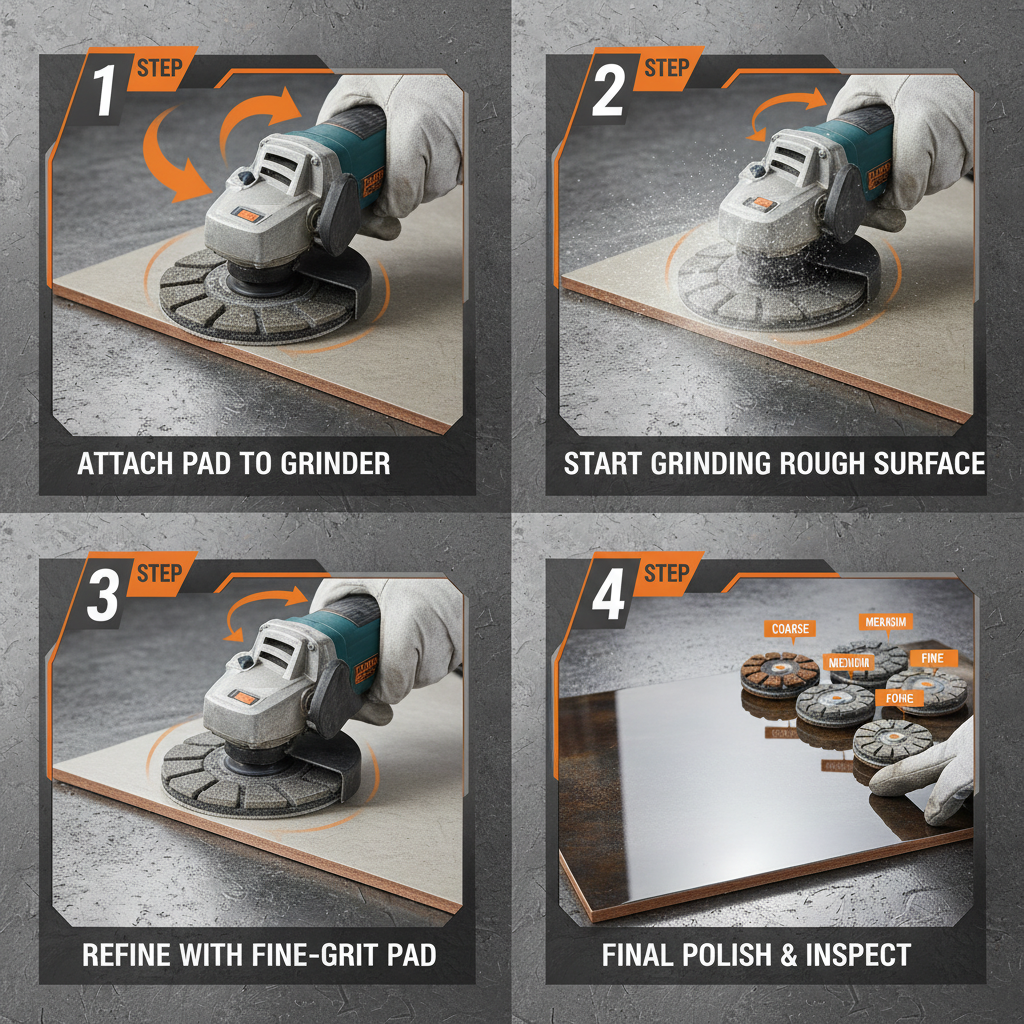
The type of material you're working with significantly influences the pad selection. Harder paints and clear coats require more aggressive pads (cutting or wool) to remove defects, while softer or more delicate surfaces like single-stage paints or plastics necessitate gentler polishing and finishing pads. For stone polishing, diamond-impregnated pads are commonly used, with varying grits for different stages of the process. Always start with the least aggressive pad necessary to achieve the desired results, and gradually increase aggressiveness only if needed. Testing in an inconspicuous area is always recommended.
Material-Specific Pad Recommendations:
• Hard Clear Coats: Cutting pads, Wool pads.
• Soft Paints: Polishing pads, Finishing pads.
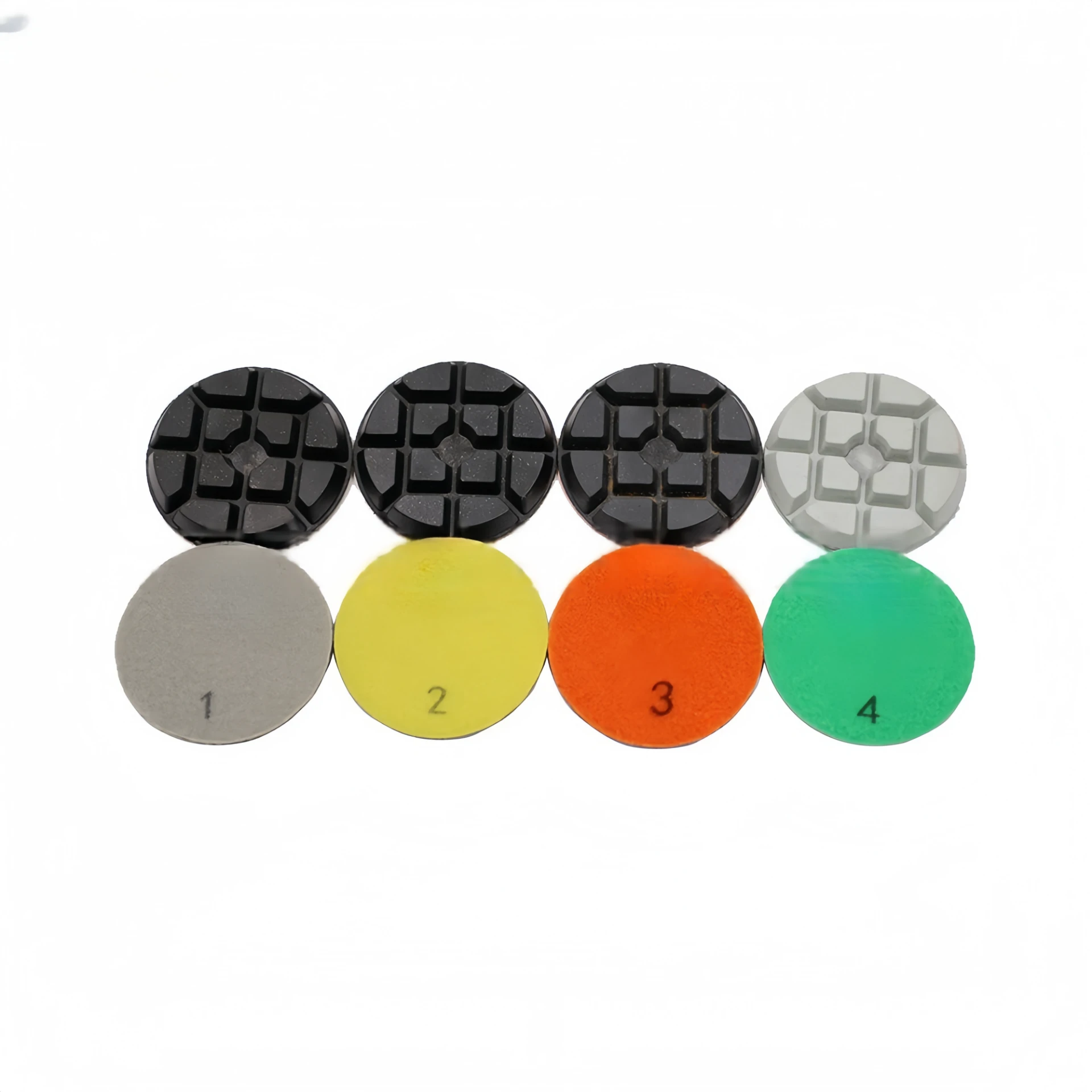
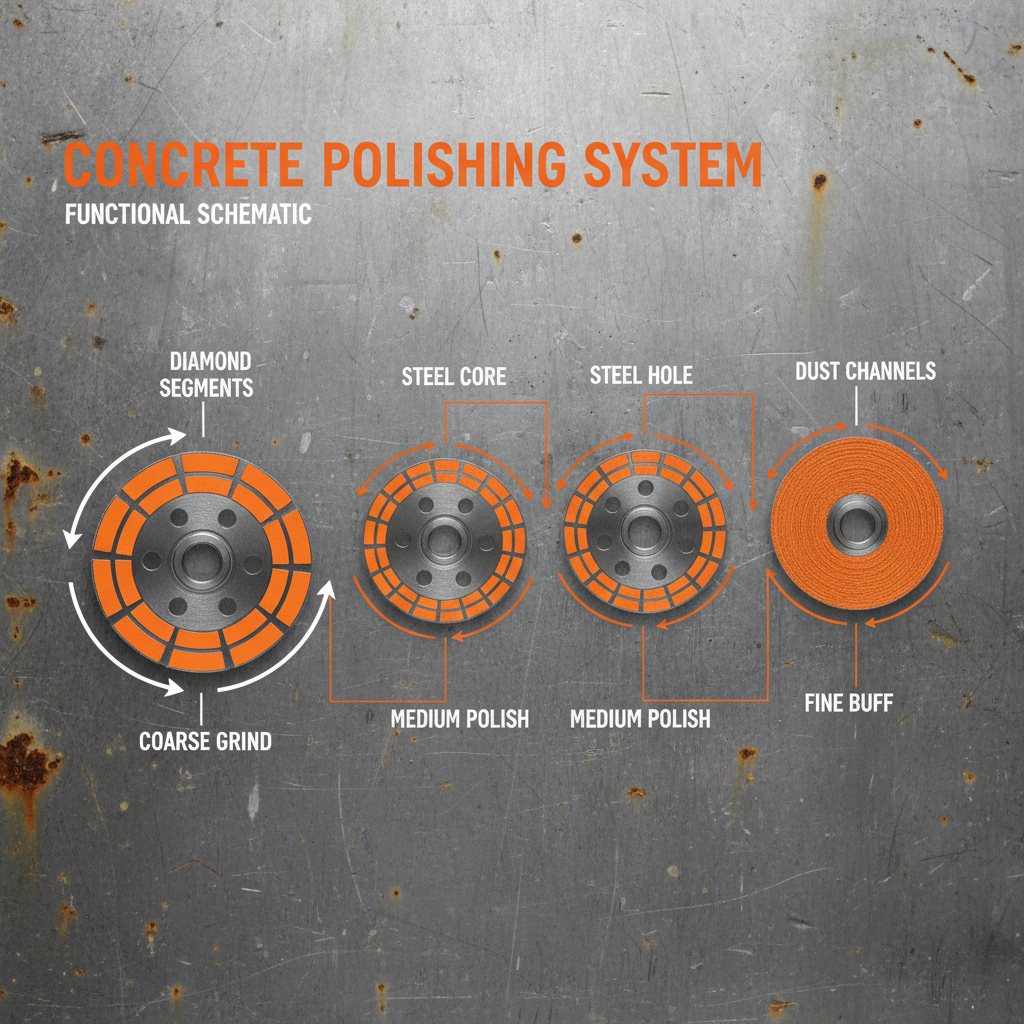
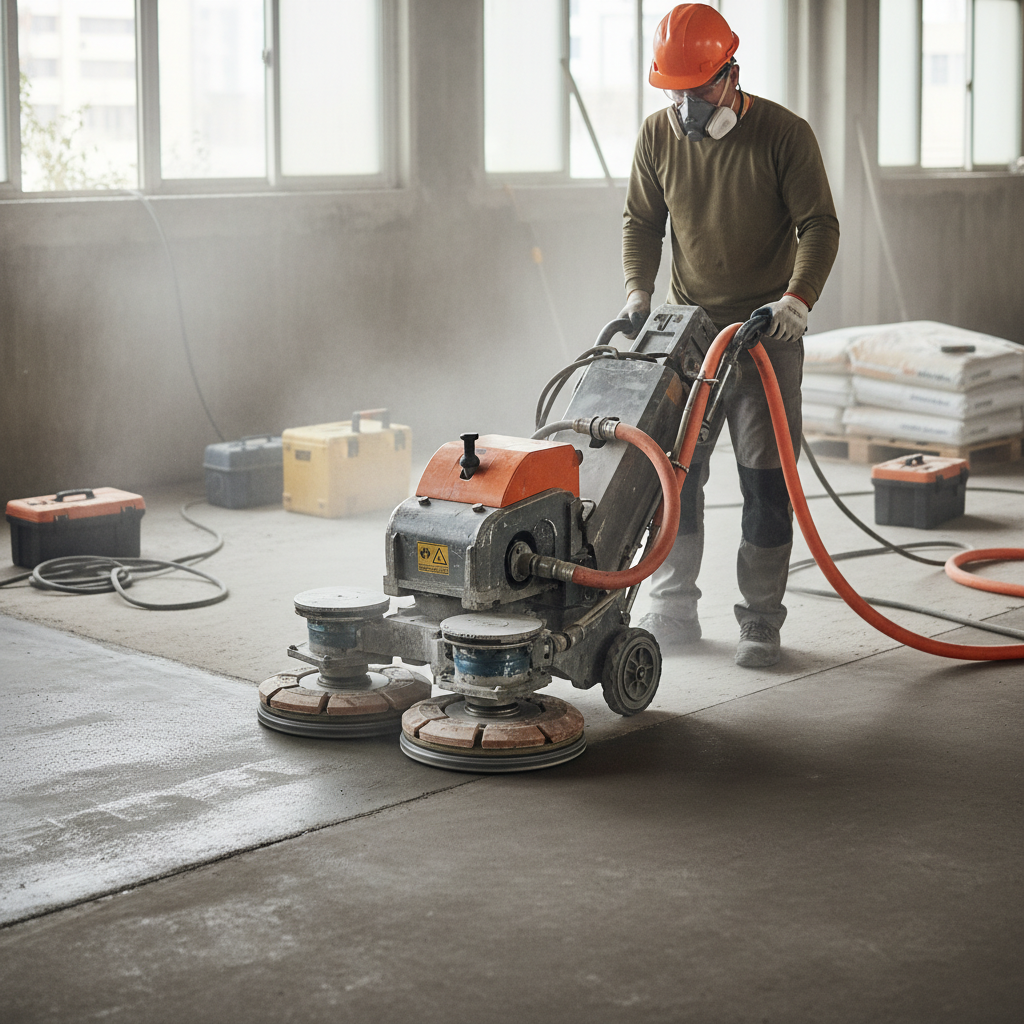
• Stone/Concrete: Diamond-impregnated pads (various grits).
• Plastics: Microfiber polishing and finishing pads.
M14 Polishing Pad Comparison: Cutting Power & Application
Understanding the cutting power of different M14 polishing pads is essential for achieving the desired results. Below is a comparison table outlining the key characteristics of each type:
Maintaining and Extending the Life of Your M14 Polishing Pads
Proper maintenance is crucial for maximizing the lifespan and performance of your polishing pads. After each use, thoroughly clean the pads with a pad cleaning brush or pad washer to remove compound residue and contaminants. Allow the pads to air dry completely before storing them. Avoid using harsh chemicals or solvents, as these can damage the pad material. Regularly inspect pads for signs of wear and tear, such as tearing or hardening, and replace them when necessary. At My Diamond Blade, we provide high-quality cleaning tools and replacement pads to keep your equipment in top condition.
Conclusion: Investing in Quality M14 Polishing Pads
Choosing the right M14 polishing pads is an investment in the quality of your work.
By understanding the different types of pads and their applications, you can achieve professional-level results efficiently and effectively. My Diamond Blade offers a comprehensive selection of M14 polishing pads to meet all your needs. Don't compromise on quality – choose the best tools for the job!
Frequently Asked Questions (FAQs)
How often should I replace my M14 polishing pads?
The lifespan of your polishing pads depends on several factors, including frequency of use, the type of compounds used, and the materials being polished. As a general rule, cutting pads should be replaced more frequently than polishing or finishing pads due to their more aggressive nature. Visually inspect your pads after each use for signs of wear, such as flattening, tearing, or contamination. If a pad is no longer providing consistent results, it’s time for a replacement. Typically, you can expect a cutting pad to last for 10-20 hours of use, a polishing pad for 20-30 hours, and a finishing pad for 30+ hours.
Can I use the same pad for multiple stages of polishing?
While it’s technically possible, it’s generally not recommended to use the same pad for multiple stages of polishing. Using a cutting pad for polishing can introduce scratches, and using a polishing pad for cutting won’t provide enough cutting power. It’s best to dedicate a specific pad to each stage of the process to ensure optimal results and prevent contamination. Proper pad cleaning can help extend the life of the pad, but it won’t eliminate the need for separate pads for each stage.
What is the best way to clean M14 polishing pads?
The best way to clean M14 polishing pads is to use a dedicated pad cleaning brush or a pad washer system. A pad cleaning brush effectively removes compound residue and contaminants, while a pad washer utilizes water and a cleaning solution for a more thorough cleaning. Avoid using harsh chemicals or solvents, as these can damage the pad material. Always allow the pads to air dry completely before storing them. Regular cleaning is crucial for maintaining pad performance and extending their lifespan. You can find high quality pad cleaning supplies at My Diamond Blade.
Are microfiber pads suitable for all surfaces?
Microfiber pads are versatile and suitable for a wide range of surfaces, particularly softer paints and plastics. However, they are generally not aggressive enough for heavy cutting on harder clear coats. Microfiber pads excel at polishing and finishing, providing a high-gloss shine with minimal risk of scratching. They are also excellent for applying waxes and sealants. When in doubt, start with a microfiber pad and assess its performance before switching to a more aggressive pad type.
Related Products
Related Products





Address
No.30 Gaoying Road ,Chang'an District,Shijiazhuang,Hebei Province
Business Hours
Mon to Saturday : 8.00 am - 7.00 pm
Sunday & Holidays : Closed
.png )