To be honest, this year’s been… busy. I swear, every construction site is buzzing about faster, stronger, more durable diamond cutting discs. Seems everyone’s chasing the same thing – efficiency. They want to cut concrete, asphalt, even tougher materials faster, with less wear and tear on the blade. Have you noticed how much the demand for ultra-thin blades has shot up? They’re especially popular for core drilling, but getting the bond right… that’s the tricky part.
It’s funny, you spend all this time designing, running simulations, thinking you’ve got it perfect, then you get on site and everything changes. I encountered this at a precast factory in Foshan last time – they were having issues with chipping on the edges of their cuts, even with a high-quality blade. Turns out, the concrete mix was slightly different, had more aggregate. Simple thing, but it threw everything off.
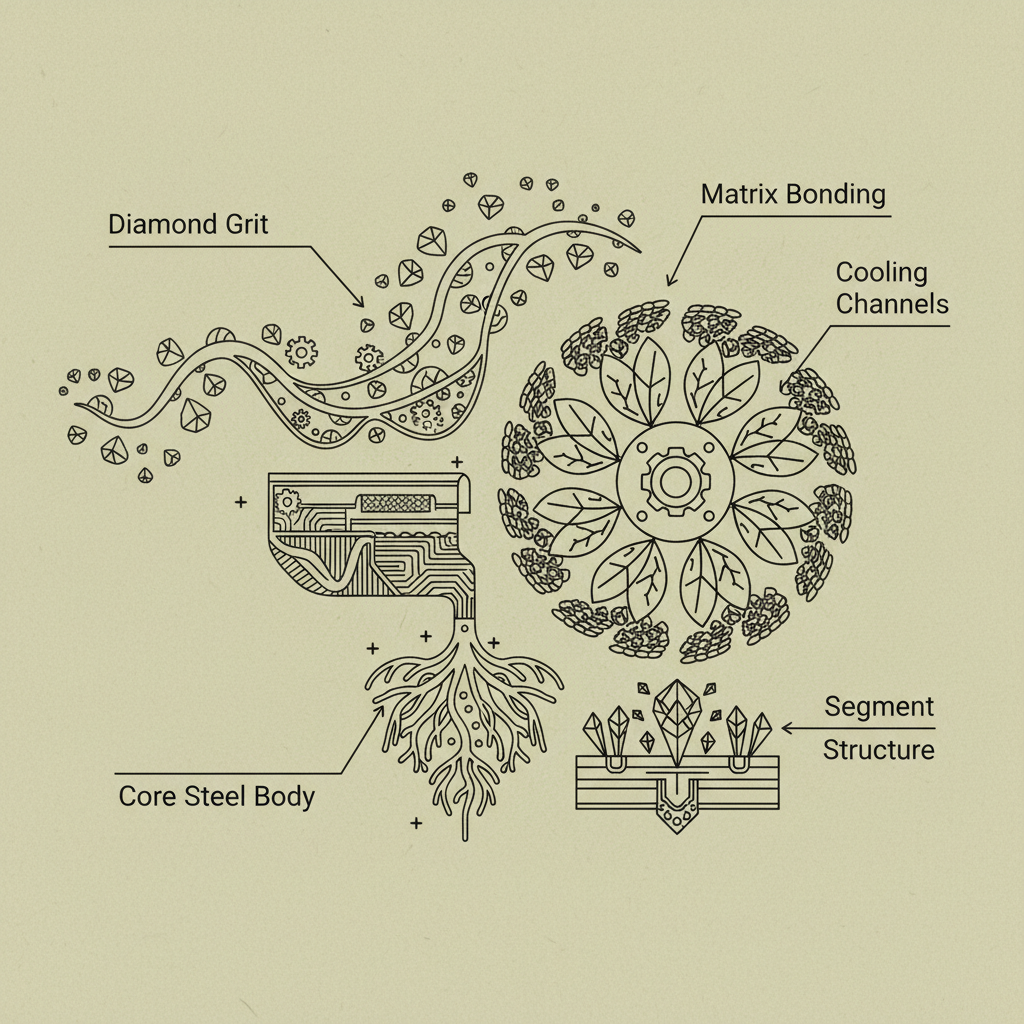
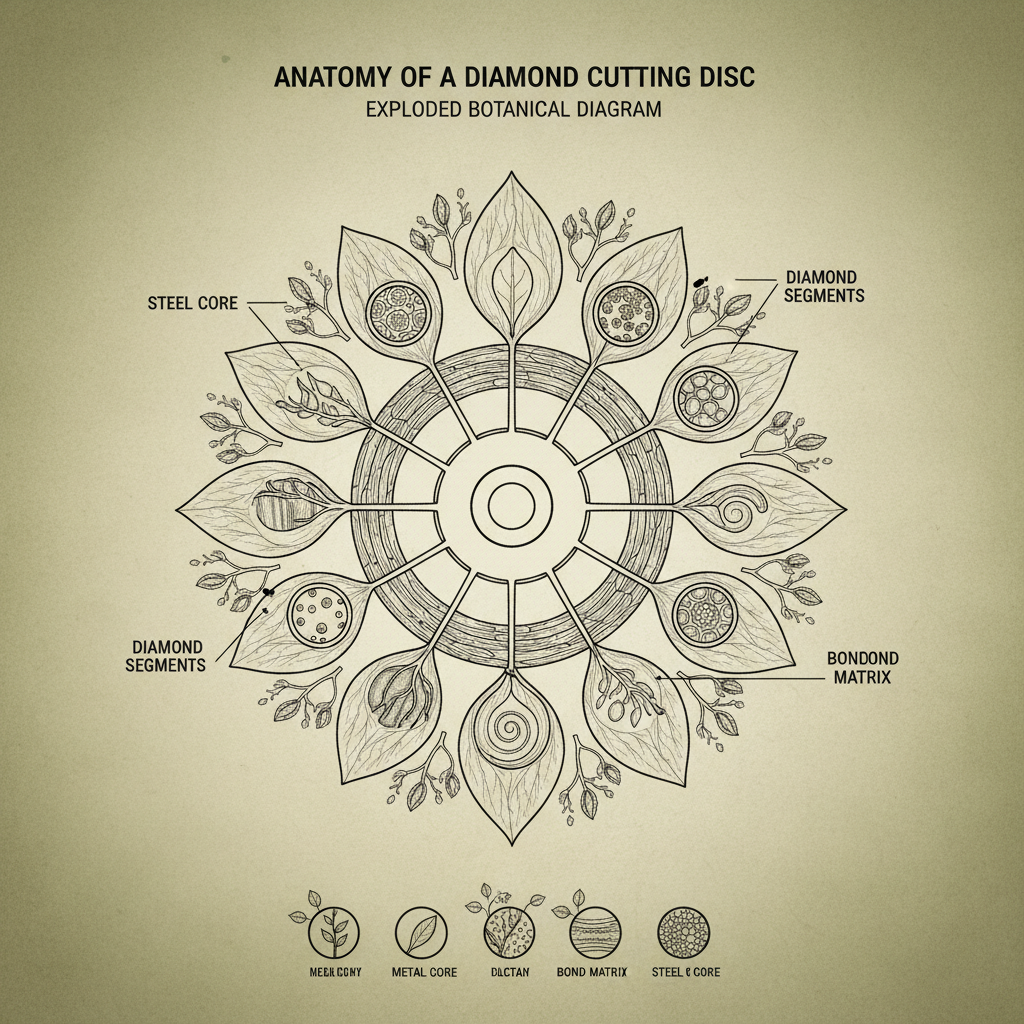
Anyway, I think a lot of people underestimate the importance of the matrix. It's not just about the diamonds themselves. It’s the metal bond holding them, the distribution, the porosity. We're using a lot of cobalt powder these days, gives it a good balance of hardness and impact resistance. Feels a bit gritty when you handle it, smells metallic, naturally. Then there’s the sintering process – get that wrong, and the blade’s lifespan is cut short.
Industry Trends and Design Pitfalls
Strangely enough, everyone's going for segmented blades now. They cut faster, especially in abrasive materials, but they leave a rougher finish. And the segments…that’s where people screw up. Too few, and you get uneven wear. Too many, and you lose cutting speed. It’s a delicate balance. Then there’s the whole laser-welded versus brazed segment thing. Laser welding is more precise, stronger bond, but it adds cost. Brazing is cheaper, but you risk segments flying off under heavy load. Later… forget it, I won’t mention it.
One design trap I see all the time is chasing peak performance without thinking about versatility. Some blades are amazing on reinforced concrete, but terrible on asphalt. A good all-rounder is often a better choice, even if it's not the absolute best at anything.
Material Science: More Than Just Diamonds
It’s not just about the size of the diamond, it’s about the quality and the distribution. We use synthetic diamonds, mostly. They’re more consistent than natural ones. And the grit size…that’s crucial. Coarser grit for faster cutting, finer grit for a smoother finish. But the binder metal, that’s where the magic happens. Cobalt, iron, nickel, copper… different combinations give you different properties. We've been experimenting with some new alloys lately, trying to improve heat resistance. It smells a little like burnt toast when they’re sintering, honestly.
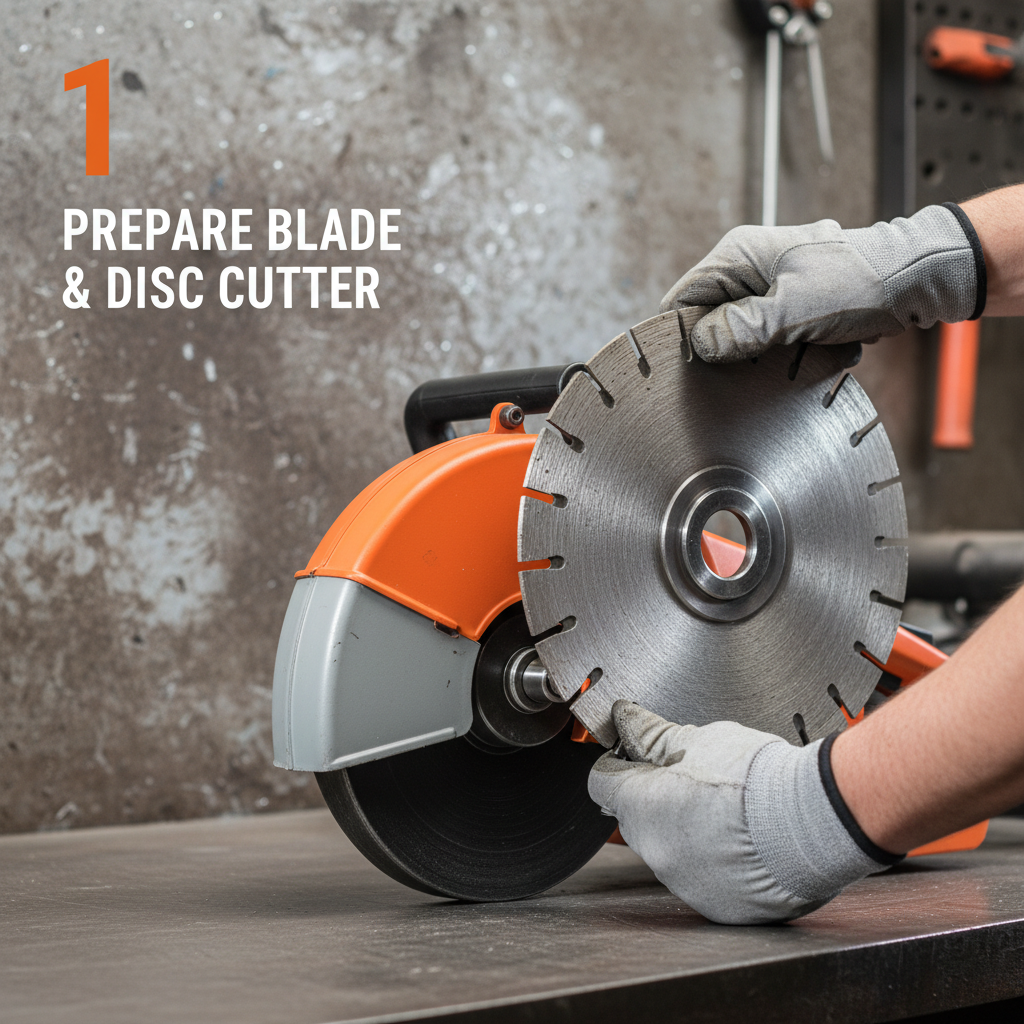
The core itself also matters. Some use steel, some use aluminum. Aluminum is lighter, but steel is stronger. And the flange – gotta be spot on. Too loose, and the blade wobbles. Too tight, and you risk cracking the core.
And don’t even get me started on the different diamond shapes… spherical, cubic, irregular. Each one cuts a little differently. It’s a whole science.
Real-World Testing: Beyond the Lab
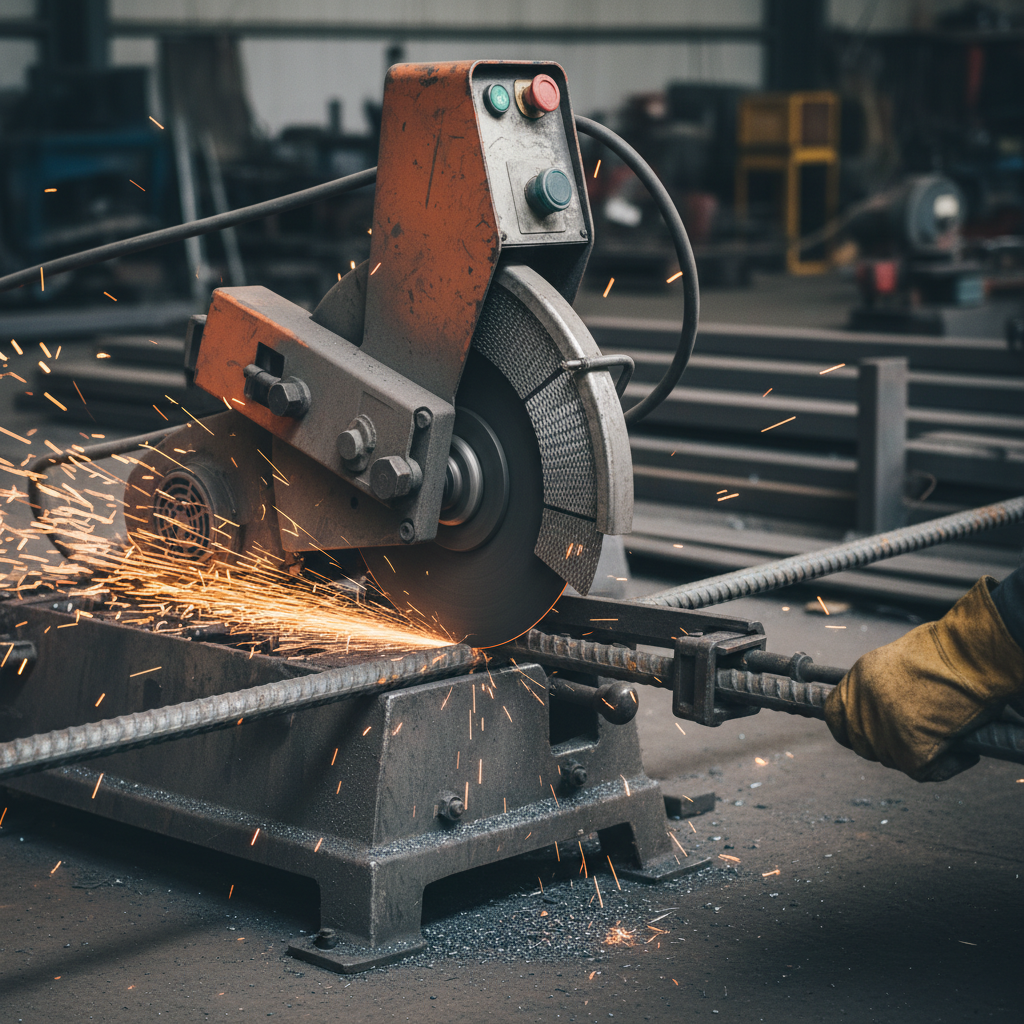
Lab tests are fine, but they don't tell you the whole story. You need to get the blade on a real job site, cutting real materials, under real conditions. We have a testing rig at our warehouse, basically a concrete saw mounted on a steel frame. We run it for hours, cutting different types of concrete, asphalt, brick. We measure cutting speed, wear rate, chip resistance.
But the best test is to give a blade to a seasoned operator and let him abuse it. They'll tell you what's what, believe me. They don't care about fancy reports, they care about getting the job done quickly and efficiently.
We also send blades to different construction sites for field trials. We ask the operators to keep a log of their experiences, what worked well, what didn't. It’s invaluable feedback.
User Behavior: It’s Not Always What You Expect
Have you noticed how many guys just slap a blade on and go? No safety guards, no water cooling, just full throttle. It’s crazy. And they wonder why their blades wear out so quickly. We design blades to be used with water cooling, it extends their lifespan dramatically. But a lot of users just don’t bother.
Another thing: they often use the wrong blade for the job. Trying to cut hard granite with a blade designed for soft brick? Not gonna end well.
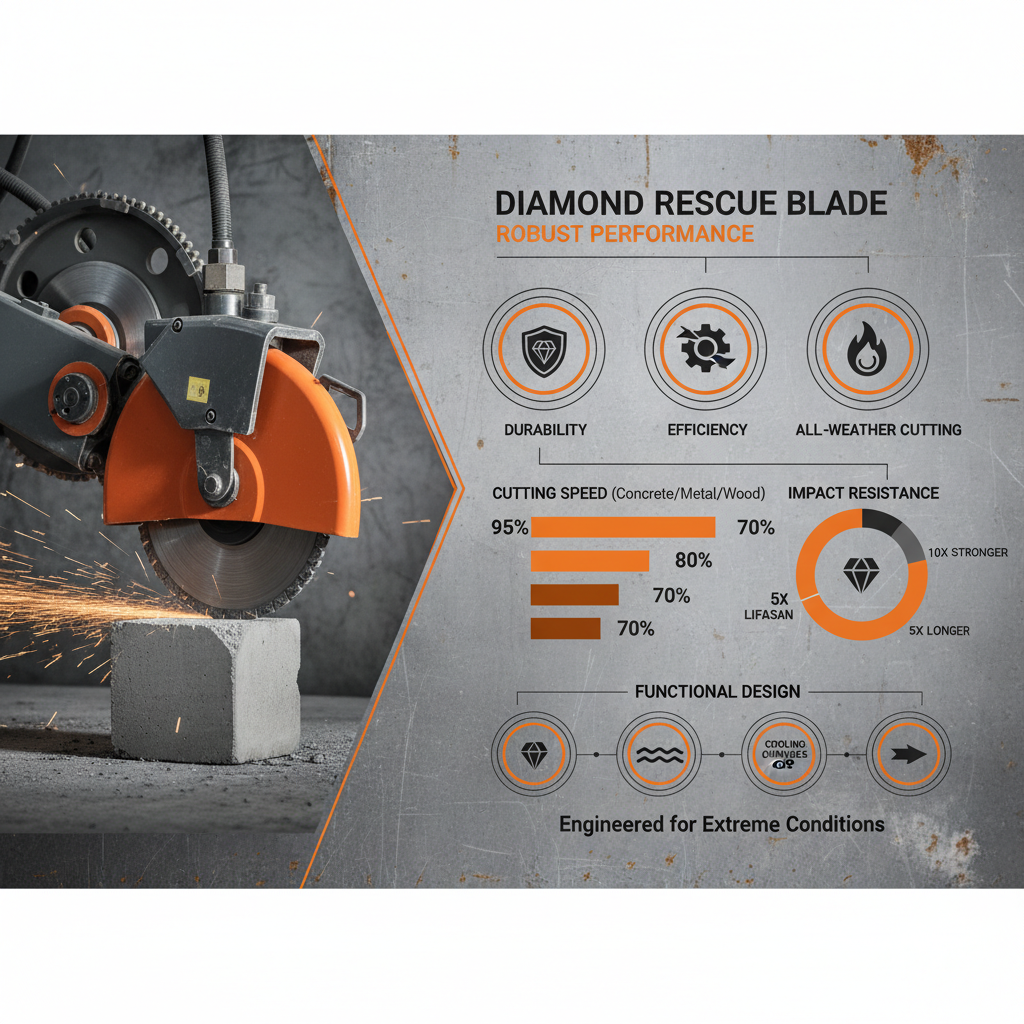
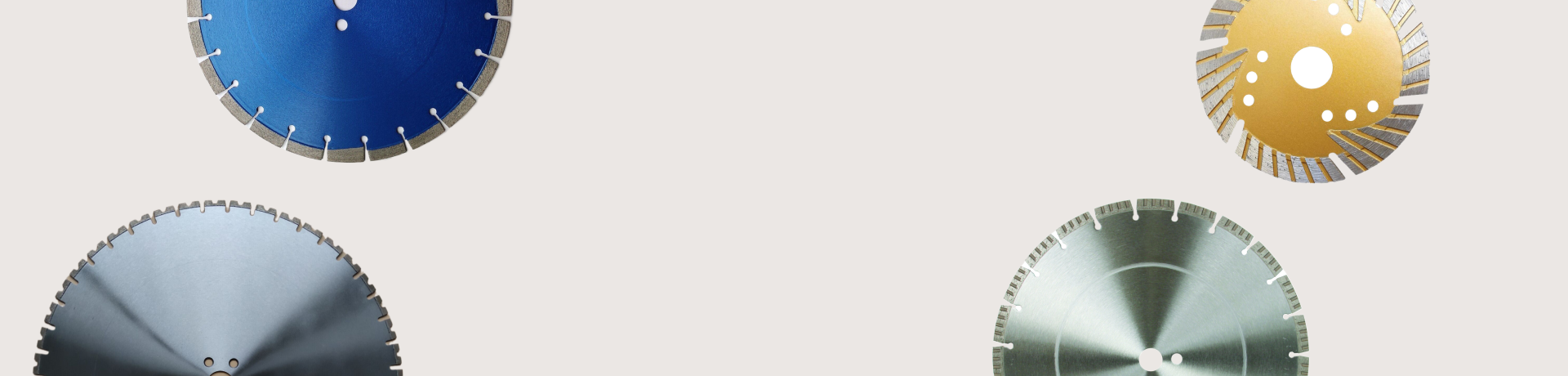
Diamond Cutting Disc Performance Comparison
Advantages, Disadvantages and Customization
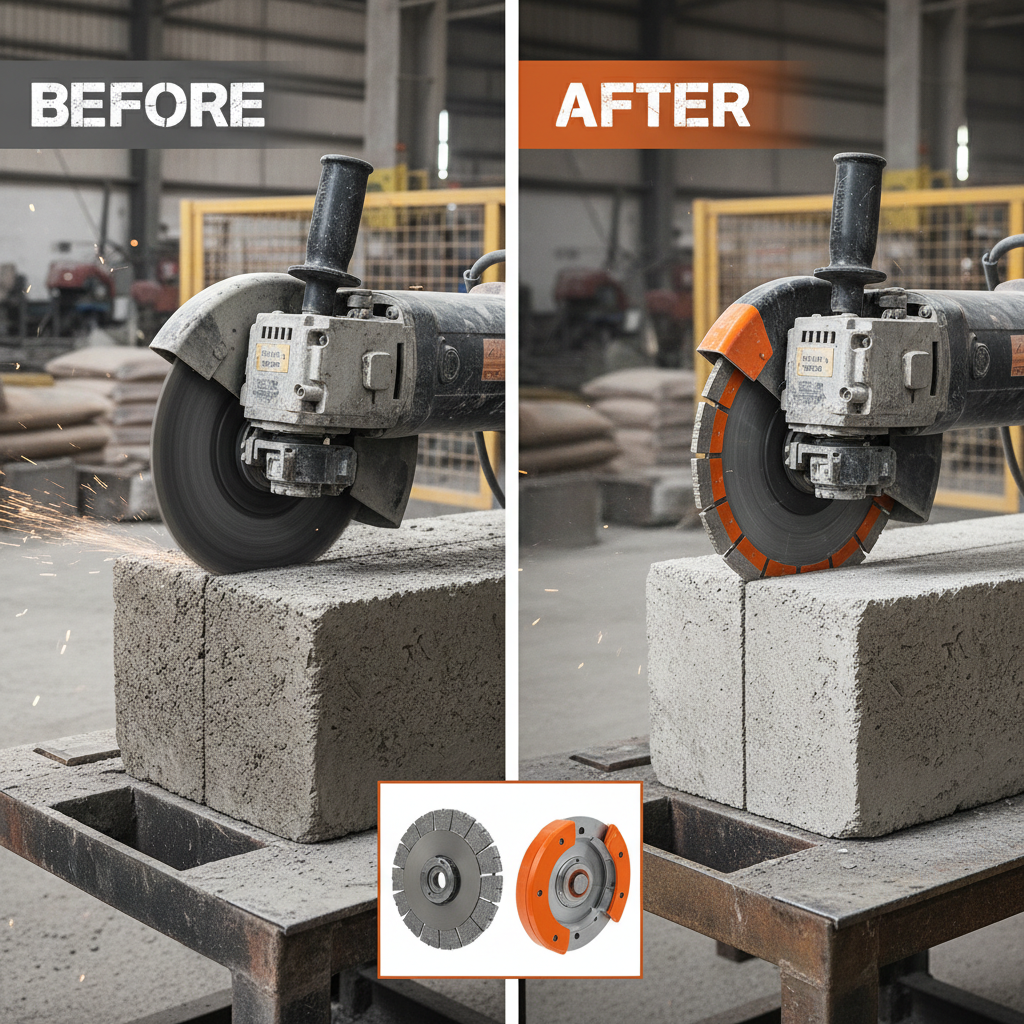
The main advantage of a good diamond cutting disc is, obviously, speed and longevity. They can cut through almost anything, and they last a long time if you take care of them. But they're expensive, that's the downside. And they can be dangerous if used improperly.
We do offer some customization options. We can change the diamond grit, the bond hardness, the core material, even the segment pattern. For example, one customer needed a blade specifically for cutting fiber cement board. They wanted a very fine grit and a soft bond to minimize chipping. We were able to develop a custom blade that met their exact requirements.
A Customer Story: The Saga
Last month, that small boss in Shenzhen who makes smart home devices insisted on changing the interface to on his new cutting machine. He said it was “future-proof”. He wanted a blade with a compatible arbor. Now, we've never made a blade like that before. It meant redesigning the core, the flange… everything. It took weeks, cost a fortune in tooling, and honestly, it was a nightmare.
He claimed it was for faster data transfer of cutting parameters, supposedly making the saw "smarter." After a lot of back and forth, we built him a prototype. He tested it, and… it didn’t work any better than a standard blade. The connection just added complexity and cost. He eventually admitted it was a gimmick.
But hey, at least it was a funny story. And we learned a valuable lesson: sometimes, simpler is better.
The Final Verdict
Ultimately, whether this thing works or not, the worker will know the moment he tightens the screw. All the engineering, all the material science, all the testing… it all comes down to that one moment. Does it cut smoothly? Does it last? Is it safe? Those are the questions that matter.
I think the future of diamond cutting discs is in smarter materials and more efficient designs. We're going to see more blades with laser-welded segments, more advanced bond alloys, and more customization options. But at the end of the day, it’s still about getting the job done right.







.png )