
Look, I've been running around construction sites for twenty years, and let me tell you, things are changing fast. Everyone's talking about efficiency, prefabrication, modular builds… it’s a whole different ballgame than it used to be. The demand for precise cutting is through the roof, and that's where these diamond cutting disks really come into play. It's not just about cutting concrete anymore, it's about cutting everything - glass, tile, even some metals - cleanly and quickly. To be honest, it’s a bit overwhelming sometimes, but you gotta keep up.
You wouldn’t believe the amount of time I've wasted watching guys struggle with subpar blades. It’s a classic case of being penny-wise and pound-foolish, you know? They’ll buy the cheapest disk they can find, then spend twice as long on the job, and probably ruin three disks in the process. It's frustrating to watch. And the dust! Oh man, the dust. It gets everywhere.
Honestly, the biggest shift I've seen recently is the move towards quieter, dust-reducing blades. The guys on site appreciate that. Nobody wants to be breathing concrete dust all day. It's a health hazard, plain and simple.
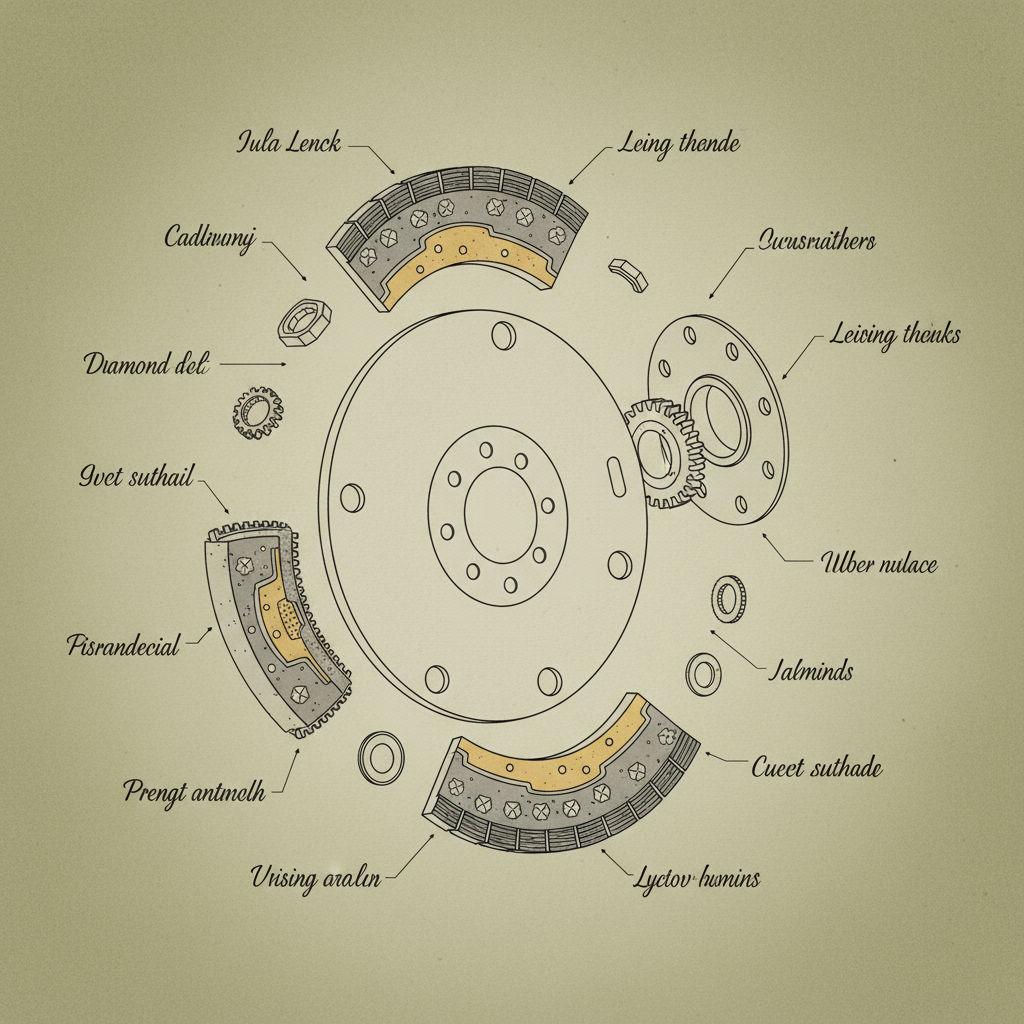
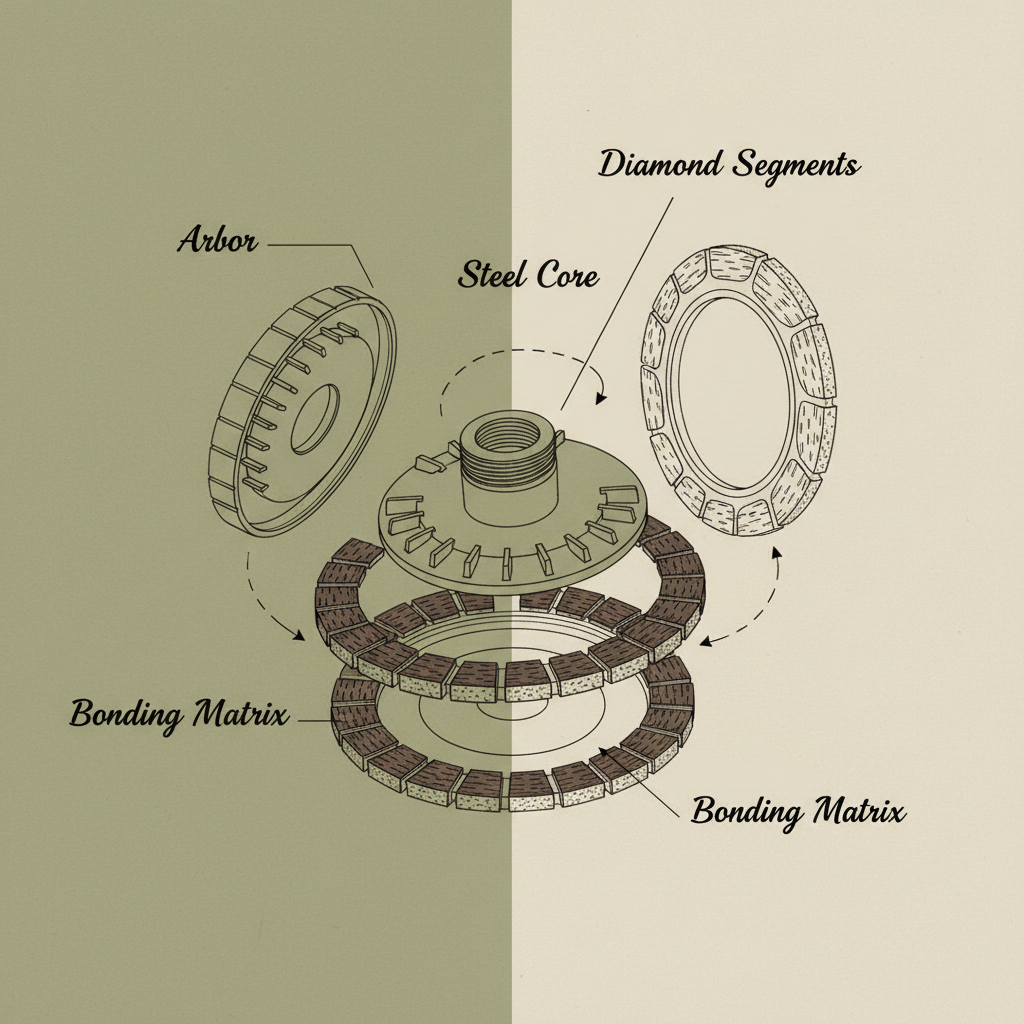
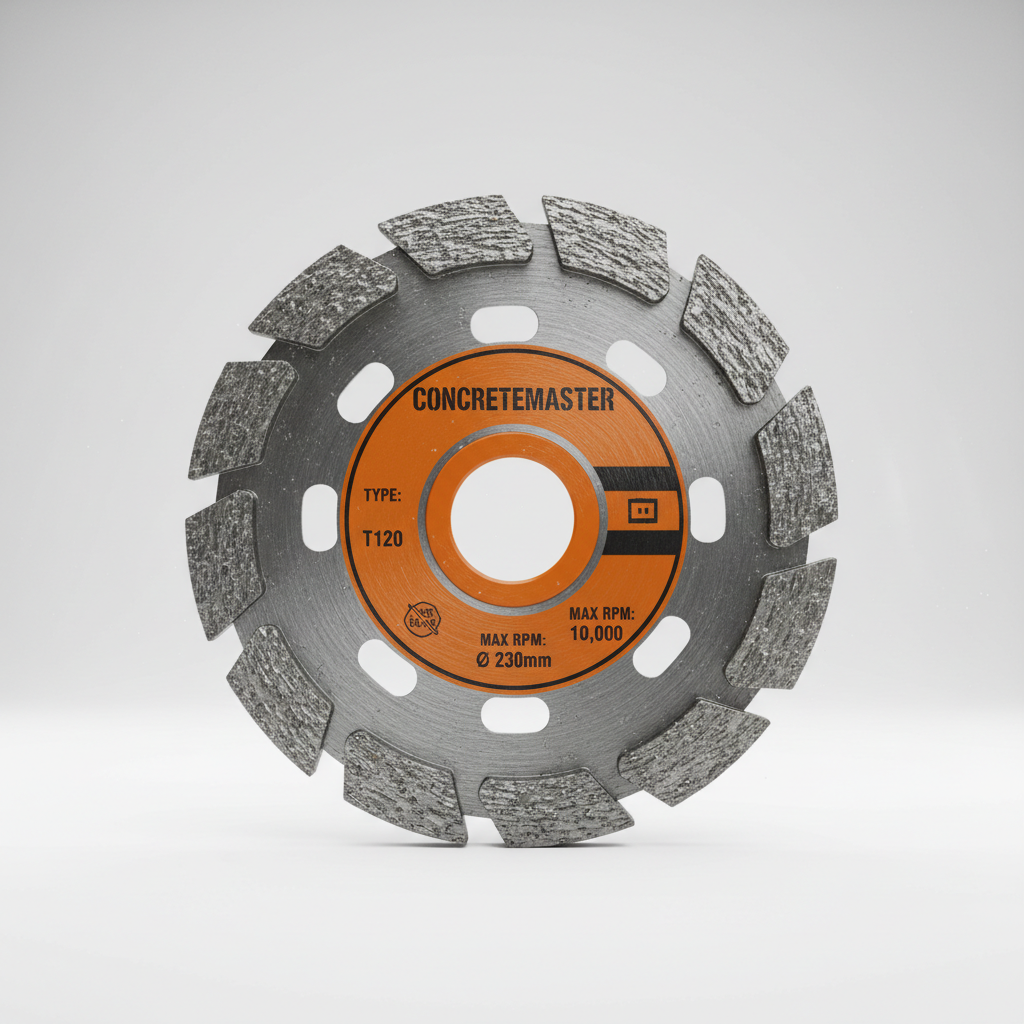
I’ll tell you what, the biggest trend right now is segmented diamond cutting disks. They're becoming super popular because they cut faster and generate less heat. I encountered this at a factory in Suzhou last time. They were switching over their entire production line. It’s a bit more expensive upfront, but the guys swear the increased speed and reduced wear and tear on the machines make it worth it. Plus, less heat means less warping of the materials, which means fewer rejected pieces. Seems simple, right?
Have you noticed everyone wants longer life out of their blades? They’re pushing the boundaries of the diamond matrix, trying to get more cutting power and durability. It's a constant arms race, really.
You gotta keep 'em dry, that's the biggest thing. Moisture causes rust and can degrade the bonding agents. Store 'em in a cool, dry place, preferably in their original packaging. I’ve seen guys just throw 'em in a pile in the back of their truck, and let me tell you, that’s a recipe for disaster. A dedicated rack or toolbox is a good investment. Trust me, your blades will thank you.
There are a few telltale signs. First, you'll notice a significant decrease in cutting speed. Second, the blade might start to wobble or vibrate excessively. Third, the cut will become rougher and less precise. But the biggest sign? If you're forcing it, it's time to replace it. Don't push it. It's not worth the risk of damaging your equipment or hurting yourself.
No, absolutely not. You gotta check the arbor size – that’s the hole in the center of the blade. They come in different sizes, and you need to make sure it matches your angle grinder. Also, check the maximum RPM rating of the blade and the grinder. Don't exceed the blade's rating, or you risk it shattering. Safety first, always.
Dry-cut blades are designed to be used without water, generating more heat and dust. Wet-cut blades require water for cooling and dust suppression, resulting in cleaner cuts and longer blade life. The best choice depends on the material you’re cutting and your work environment. Always follow the manufacturer’s recommendations.
Don't even think about it. Diamond blades are designed for hard, abrasive materials like concrete, stone, and metal. Wood will clog the blade and ruin it. Use a proper wood-cutting blade. It’ll save you a lot of trouble – and money.
They shouldn’t just go in the regular trash. They contain metal and diamond grit, which can be hazardous. Check with your local waste management facility for specific disposal guidelines. Some companies offer recycling programs for used blades.
Ultimately, these diamond cutting disks, whether you’re slicing through concrete, tile, or stone, they’re a crucial part of any construction project. It's about getting the right blade for the job, understanding its limitations, and using it safely. It’s about more than just the diamonds themselves – it’s about the steel core, the bonding agent, and the overall design.
But at the end of the day, whether this thing works or not, the worker will know the moment he tightens the screw. That’s what matters. Now, if you'll excuse me, I gotta get back to the site. You can find a good selection of blades at diamond cutting disk.




Address
No.30 Gaoying Road ,Chang'an District,Shijiazhuang,Hebei Province
Business Hours
Mon to Saturday : 8.00 am - 7.00 pm
Sunday & Holidays : Closed



.png )